If you want to make every cast count and avoid losing your catch, knowing how to load line on a fishing reel is a game changer. It’s a simple skill that can boost your fishing success and save you from frustrating tangles or line breaks.
Whether you’re new to fishing or just want to improve your setup, this guide will walk you through the exact steps to get your reel ready for action. Keep reading, and you’ll soon master a key trick that makes fishing easier and more fun.

Credit: www.youtube.com
Choosing The Right Line
Choosing the right fishing line is key to a good fishing experience. The right line helps you catch fish without breaking or tangling.
Different fishing trips need different lines. You should think about the type of fish, water, and your gear before picking a line.
Types Of Fishing Line
There are three main types of fishing line: monofilament, fluorocarbon, and braided. Each has its own strengths and uses.
- Monofilament:A single strand of nylon. It is stretchy and good for beginners.
- Fluorocarbon:Nearly invisible underwater. It sinks faster and resists abrasion.
- Braided:Made of woven fibers. It is very strong and thin but visible in water.
Line Strength And Diameter
Line strength is called “pound test.” It shows how much weight the line can hold before breaking.
| Line Type | Typical Diameter (inches) | Pound Test Range |
| Monofilament | 0.008 – 0.035 | 2 – 30 lbs |
| Fluorocarbon | 0.007 – 0.030 | 4 – 25 lbs |
| Braided | 0.005 – 0.020 | 10 – 80 lbs |
Thinner lines cast farther but may break easier. Choose a line strong enough for your target fish.
Matching Line To Reel And Rod
Your reel and rod have limits on line strength and size. Check their specs before buying line.
- Look for the recommended line weight on your rod handle.
- Check your reel’s line capacity and maximum pound test.
- Pick a line that fits both the rod and reel limits.
- Using the right line improves casting and reduces damage.
Preparing The Reel
Loading line on a fishing reel needs some preparation. This helps the reel work better and last longer.
Before adding line, check the reel’s parts carefully. Clean and inspect to avoid problems later.
Cleaning The Spool
Start by removing the spool from the reel. Wipe it with a soft cloth to remove dirt and old line bits.
Use a small brush or cotton swab to clean hard-to-reach areas. Make sure no dust or grime stays on the spool.
- Remove spool carefully from the reel
- Wipe spool surface with a soft cloth
- Use brush or swab for tight spaces
- Check for damage or cracks on the spool
Checking The Drag System
The drag system controls how the line pulls during a fish fight. Test it to ensure smooth operation.
Turn the drag knob and feel the resistance. It should tighten and loosen without sticking or slipping.
- Turn drag knob slowly to test resistance
- Listen for smooth clicking or sliding sounds
- Look for any stiffness or looseness
- Adjust drag to match fishing needs
Attaching The Line
Loading line on a fishing reel starts with attaching it properly. This step helps the line stay secure while fishing.
If the line is not attached well, it can slip or cause problems when casting. Learn how to attach it right for better fishing.
Securing The Line To The Spool
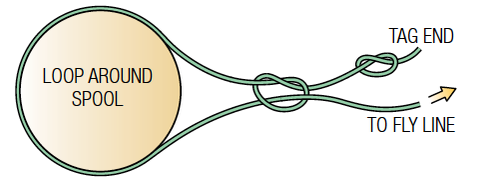
First, tie the line to the spool with a strong knot. A common choice is the arbor knot. It holds the line tight on the reel.
After tying the knot, pull the line to check if it is secure. Wrap the line around the spool a few times before winding more line.
- Pass the line through the spool hole if your reel has one
- Tie an arbor knot by wrapping the line around the spool
- Pull the knot tight to avoid slipping
- Wrap the line around the spool a few times for extra grip
Avoiding Twists And Tangles
Line twists cause tangles and knots that waste time. To avoid twists, let the line flow freely from the spool while loading.
Keep tension on the line as you wind it onto the spool. This helps the line lay evenly and prevents loops that cause tangles.
- Let the spool spin freely to avoid line twists
- Keep steady tension on the line while winding
- Stop winding if loops or slack form on the spool
- Use quality line that resists twisting

Credit: www.youtube.com
Spooling Techniques
Loading line on a fishing reel needs care and the right technique. Spooling correctly helps avoid problems when fishing.
This guide covers two key parts: keeping tension and filling the spool the right way.
Maintaining Proper Tension
Keep the fishing line tight while spooling. This stops loose coils that cause tangles or knots. Use your fingers or a cloth to hold the line firmly.
- Attach the line to the spool securely.
- Hold the line with steady pressure as you reel.
- Keep the line tight but do not stretch it.
- Check often to avoid slack or loops.
Filling The Spool Correctly
Fill the spool evenly and not too full. Overfilling can cause line to slip off or tangle during casting. Underfilling lowers casting distance.
| Spool Fill Level | Effect |
|---|---|
| 100% (full) | Line may spill and tangle |
| 90% (ideal) | Best casting and line control |
| Less than 80% | Reduced casting distance |
Common Mistakes To Avoid
Loading line on a fishing reel is simple but needs care. Many anglers make mistakes that cause problems later. Avoiding these errors helps your fishing go smoothly.
Learn the common mistakes to avoid when loading line. Fixing these will protect your gear and improve your fishing experience.
Overfilling The Spool
Putting too much line on the spool causes trouble. The line can tangle and reduce casting distance. It also increases the risk of line breakage.
- Leave about 1/8 inch of space from the spool edge
- Do not fill the spool to the very top
- Check the reel’s manual for correct line capacity
Using Old Or Damaged Line
Old or weak line breaks easily and can spoil your catch. It loses strength from sun, water, and repeated use. Always inspect your line before loading.
| Signs of Old or Damaged Line | What to Do |
|---|---|
| Discoloration or fading | Replace the line immediately |
| Cracks or nicks | Cut out damaged parts or use new line |
| Line feels brittle or stiff | Do not use; get fresh line |
Ignoring Line Twist
Line twist causes knots and tangles. It reduces casting distance and can weaken the line. Avoid it by keeping the line tight and using proper techniques.
- Open the bail arm fully before casting
- Keep the line tight when reeling in
- Use swivel connectors for lures or rigs
- Check for twists regularly and fix them
Credit: monsterbass.com
Maintenance Tips
Loading line on a fishing reel needs care to keep it working well. Good maintenance helps the line last longer.
Check your line often and change it when needed. This keeps your fishing smooth and trouble-free.
Regular Line Inspection
Look at your fishing line every time before you fish. Check for cuts, cracks, or weak spots.
Damaged line can break easily and cause you to lose fish. Keep the line clean and dry after use.
- Look for frays or nicks on the line
- Check for discoloration or stiffness
- Remove dirt or salt with fresh water
- Dry the line completely before storing
Replacing Line Timely
Change your fishing line after several uses or if it shows damage. Old line loses strength and can snap.
Use the right type and size of line for your reel. Make sure to spool it evenly to avoid tangles.
- Replace line every few fishing trips
- Swap out line after heavy catches
- Choose line suitable for your fishing style
- Re-spool the reel carefully without overlaps
Frequently Asked Questions
How Do I Load Line Onto A Fishing Reel?
To load line, start by attaching the line to the reel spool. Hold tension and wind the line evenly. Fill the spool about 1/8 inch below its edge to prevent tangles.
What Type Of Fishing Line Suits My Reel Best?
Choose line based on reel type and fishing style. Monofilament is versatile, braided line offers strength, and fluorocarbon is nearly invisible underwater. Always check your reel’s specifications for recommended line weight.
How Much Line Should I Put On My Reel?
Fill your reel spool until it’s about 1/8 inch from the spool’s edge. This prevents overfilling and reduces the risk of line tangles or casting issues.
Can I Use Any Fishing Line For All Reels?
No, each reel type has specific line needs. Spinning reels perform well with lighter lines, while baitcasting reels handle heavier lines better. Match line strength and type to your reel and fishing conditions.
Conclusion
Loading line on a fishing reel is simple with practice. Start slow and keep your hands steady. Avoid overfilling to prevent tangles and knots. Check your line regularly for wear and tear. A well-loaded reel helps you fish better and longer.
Try these tips on your next fishing trip. Enjoy the process and have fun outdoors!