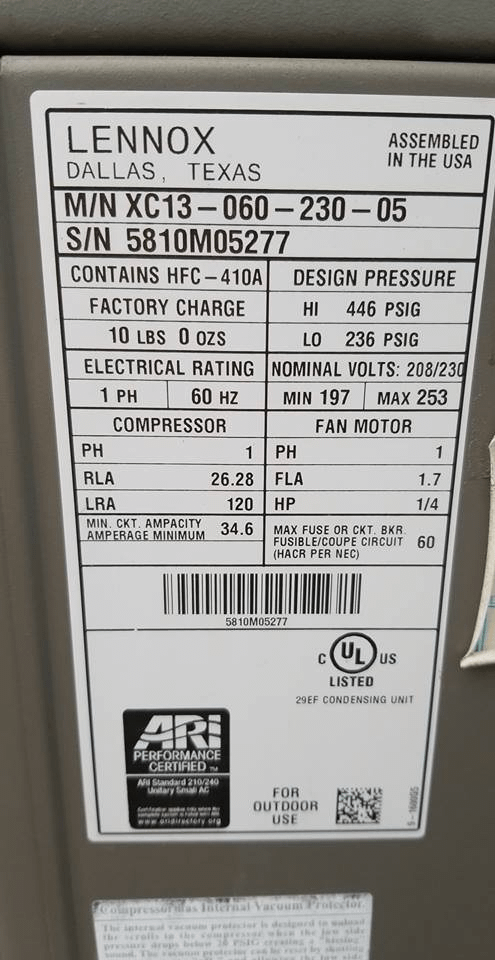
Are you wondering how many amps your air conditioner uses? Knowing this simple fact can save you money, prevent electrical problems, and help you choose the right unit for your home.
If you’ve ever felt confused by all the technical details, don’t worry—you’re not alone. This article will clear up the mystery and give you easy-to-understand answers. Keep reading to find out exactly what amps mean for your air conditioner and why it matters to you.
Air Conditioner Power Basics
Air conditioners use electricity to cool your home. Understanding how many amps they draw helps with safety and efficiency.
Knowing the power needs of your air conditioner helps you choose the right circuit and avoid overloads.
Voltage And Current Relationship
Voltage is the force that pushes electricity through wires. Current, measured in amps, is the flow of electricity.
The higher the voltage, the less current needed for the same power. Air conditioners need a certain voltage to run well.
- Voltage is usually 120V or 240V in homes
- Current (amps) depends on the air conditioner’s power
- Power (watts) equals voltage times current
Common Ac Power Ratings
Air conditioners come in many sizes. Each size uses different power and draws different amps.
Small units use fewer amps. Larger units need more amps to run properly.
| AC Size (Tons) | Power (Watts) | Approximate Amps (240V) |
|---|---|---|
| 1 Ton | 3,500 | 15 |
| 1.5 Tons | 5,200 | 22 |
| 2 Tons | 7,000 | 29 |
| 3 Tons | 10,500 | 44 |

Credit: www.jackery.com
Calculating Amps For Your Ac
Knowing the amps your air conditioner uses helps you pick the right breaker and wire size. It also keeps your home safe from electrical problems.
This guide shows how to calculate amps using the AC’s BTU and wattage ratings. You do not need special tools for this.
Btu And Wattage Connection
BTU stands for British Thermal Unit. It measures how much heat the AC can remove from a room per hour.
Wattage tells you how much power the air conditioner uses. Higher BTU means more watts needed.
- BTU shows cooling power
- Wattage shows electric power use
- Both help find the current in amps
Using Formula To Find Amps
To find amps, use this formula: Amps = Watts ÷ Volts. Watts come from the AC label or manual.
Most home AC units use 120 or 240 volts. Divide the wattage by volts to get amps.
| Example | Watts | Volts | Amps |
|---|---|---|---|
| Small AC | 1000 | 120 | 1000 ÷ 120 = 8.3 amps |
| Large AC | 3000 | 240 | 3000 ÷ 240 = 12.5 amps |
Factors Affecting Ac Amps
The amount of amps an air conditioner uses depends on several factors. These factors affect both the starting and running current.
Understanding these factors helps to choose the right electrical setup for your AC unit.
Ac Size And Capacity
Air conditioners come in different sizes and cooling capacities. Bigger units usually need more amps to work.
The size is measured in BTUs or tons. Higher capacity means higher power consumption.
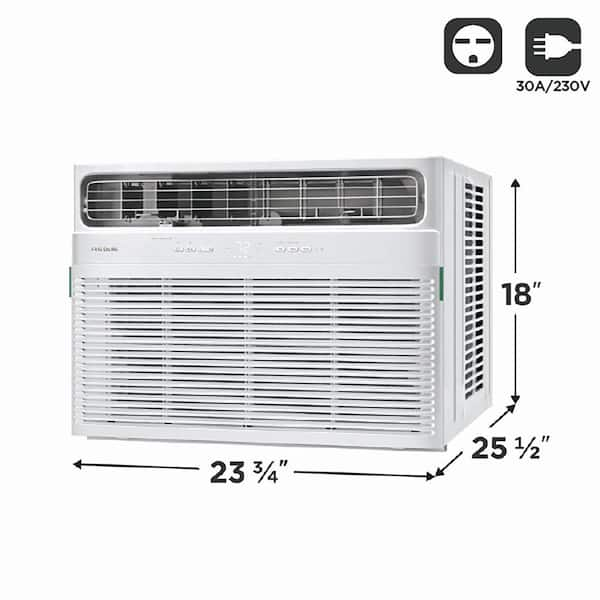
- Small window ACs use fewer amps
- Large central ACs draw more amps
- Higher BTU ratings increase current needs
Start-up Vs Running Amps
An AC uses more amps when it starts than when it runs. This is called start-up or surge current.
Running amps are lower because the compressor and fan work steadily after starting.
- Start-up amps can be 3 to 6 times running amps
- Electrical circuits must handle start-up amps safely
- Running amps show normal power use
Voltage Fluctuations
Voltage changes in your home affect the amps your AC draws. Low voltage can increase amps.
High voltage may reduce amps but can harm the AC parts. Stable voltage helps keep amps steady.
- Voltage drops cause higher current draw
- Voltage spikes risk damaging the AC
- Use voltage stabilizers to protect the unit

Credit: www.microair.net
Circuit Requirements And Safety
Knowing the correct circuit requirements for your air conditioner helps keep your home safe. It also ensures the unit runs smoothly without tripping breakers.
Every air conditioner needs enough power. Using the right circuit size and wiring prevents electrical problems and hazards.
Recommended Circuit Breaker Size
The circuit breaker size depends on the air conditioner’s amperage. Most small units use 15 or 20 amps. Larger central units may need 30 amps or more.
- Check the air conditioner’s manual for its current rating.
- Select a breaker that matches or slightly exceeds this rating.
- Do not use a breaker smaller than the unit’s required amperage.
- Always use breakers designed for air conditioning units.
Wiring And Outlet Specifications
Correct wiring and outlet types are vital for safety and performance. Using the wrong wire size can cause overheating and fires.
| Wire Gauge | Breaker Size | Outlet Type |
|---|---|---|
| 14 AWG | 15 Amps | Standard 15A Outlet |
| 12 AWG | 20 Amps | Standard 20A Outlet |
| 10 AWG | 30 Amps | Special 30A Outlet |
| 8 AWG | 40 Amps | Heavy Duty Outlet |
Tips For Optimal Ac Performance
Knowing how many amps your air conditioner uses helps keep it running well. Using the right amount of power keeps your home cool and safe.
This guide shares tips to keep your AC working smoothly and save energy.
Regular Maintenance
Clean or replace air filters every month during heavy use. Dirty filters reduce airflow and increase amps.
Check the outdoor unit for debris like leaves or dirt. Clear space around it to help it run efficiently.
- Inspect electrical connections for wear or damage.
- Keep evaporator and condenser coils clean.
- Schedule professional tune-ups yearly.
Energy Efficiency Considerations
Use a programmable thermostat to control temperature and reduce power use. This lowers amps during off times.
Seal air leaks in windows and doors. This prevents cool air from escaping and lowers energy use.
- Choose an AC with a high SEER rating for better efficiency.
- Use ceiling fans to help circulate air.
- Set your thermostat at 78°F (26°C) for comfort and savings.
Credit: www.homedepot.com
Frequently Asked Questions
How Many Amps Does A Typical Air Conditioner Use?
A typical air conditioner uses between 5 to 20 amps. The exact amperage depends on the unit’s size and efficiency. Smaller window units draw fewer amps, while central AC systems require more power for cooling larger spaces.
What Factors Affect An Air Conditioner’s Amp Draw?
Amp draw depends on unit size, cooling capacity, and compressor type. Higher BTU ratings and larger rooms need more amps. Additionally, older models or poorly maintained systems may draw extra current due to inefficiencies.
Can Air Conditioners Overload Home Circuits?
Yes, air conditioners can overload circuits if the breaker is too small. Proper circuit sizing and dedicated breakers help prevent electrical issues and ensure safe operation of your AC unit.
How To Calculate The Amperage For An Air Conditioner?
You can calculate amperage by dividing the AC unit’s wattage by your home voltage. For example, a 1500-watt unit running on 120 volts draws about 12. 5 amps. Always check the manufacturer’s specifications for accurate values.
Conclusion
Knowing how many amps your air conditioner uses helps you plan better. It keeps your home safe from electrical problems. Different AC models use different amounts of power. Check the label or manual to find the exact number. This information helps you choose the right circuit breaker.
Save money by avoiding extra electricity use. Stay cool without worrying about your electrical system. Simple steps make a big difference in comfort and safety.