Are you tired of your fishing knots slipping or breaking just when the action heats up? Knowing how to tie a bead on your fishing line can make all the difference between a lost catch and a great day on the water.
This simple skill not only strengthens your setup but also helps protect your knots and adds a bit of finesse to your rig. Keep reading, and you’ll learn an easy, step-by-step method to tie a bead that will boost your confidence and improve your fishing game every time you cast.
Choosing The Right Bead
Choosing the right bead is important for successful fishing. Beads help protect knots and attract fish. Picking the right bead can improve your fishing experience.
This guide explains the types of beads and what materials and sizes work best for fishing lines.
Types Of Beads For Fishing
There are different bead types you can use for fishing. Each type has a special purpose depending on the fishing style.
- Plastic Beads:Lightweight and colorful. They attract fish and protect knots.
- Glass Beads:Durable and often used for noise. They create sound to lure fish.
- Metal Beads:Heavier and strong. Used to add weight to the line.
- Wooden Beads:Natural and light. Sometimes used for a unique look and feel.
Material And Size Considerations
Choosing the right material and size of bead depends on your fishing needs and the line used.
| Material | Best Use | Durability |
| Plastic | Attracting fish, knot protection | Medium |
| Glass | Noise making, attracting fish | High |
| Metal | Adding weight, deep water fishing | Very High |
| Wood | Lightweight, natural look | Low |
Size matters for beads. Too big can block movement, too small can slip off. Match bead size with your fishing line and hook size.
- Small beads fit light lines and small hooks.
- Medium beads suit most fishing needs.
- Large beads are for heavy lines and big hooks.
Credit: www.beadinggem.com
Selecting The Proper Fishing Line
Choosing the right fishing line is important for tying beads and catching fish. The line must be strong and easy to handle.
This guide helps you pick the best line by comparing types and sizes.
Monofilament Vs. Fluorocarbon
Monofilament line is soft and stretches well. It is easy to knot and works great for beginners.
Fluorocarbon line is harder and less visible in water. It sinks faster and resists abrasion better than monofilament.
- Monofilament is cheaper and more flexible.
- Fluorocarbon is more durable and clear.
- Monofilament floats, fluorocarbon sinks.
Line Strength And Diameter
Line strength tells how much weight the line can hold before breaking. Choose a strength that fits the fish you want to catch.
Diameter affects how easy it is to tie knots and how visible the line is in water. Thinner lines are less visible but may be weaker.
| Line Strength (lbs) | Diameter (inches) | Use |
|---|---|---|
| 4-6 | 0.010-0.012 | Small fish, light tackle |
| 8-12 | 0.014-0.018 | Medium fish, general use |
| 15-20 | 0.020-0.025 | Large fish, heavy tackle |
Essential Tools For Tying Beads
Tying beads on a fishing line needs the right tools. These tools make the process easier and neater.
Using proper tools helps you handle small beads and keep your knots strong.
Needle Nose Pliers
Needle nose pliers have long, thin tips. They help hold small beads tightly while you tie knots.
These pliers also help pull the fishing line through tight spaces without damaging it.
- Hold beads steady during tying
- Pull line without slipping
- Work well in small spaces
Scissors And Clippers
Scissors or clippers cut the fishing line cleanly. A sharp cut stops the line from fraying.
Use small scissors or clippers made for fishing lines. They give a precise cut near your knots.
- Cut line neatly
- Prevent knot loosening
- Make trimming easier
Step-by-step Bead Tying Techniques
Tying a bead on a fishing line helps protect knots and adds weight for casting. This guide shows how to do it clearly and simply.
Follow these steps to thread, secure, and trim the bead properly for a strong setup.
Threading The Bead
Start by selecting a bead that fits your fishing line size. Slide the bead onto the line carefully.
Make sure the bead moves freely along the line before tying any knots.
Securing The Bead With Knots
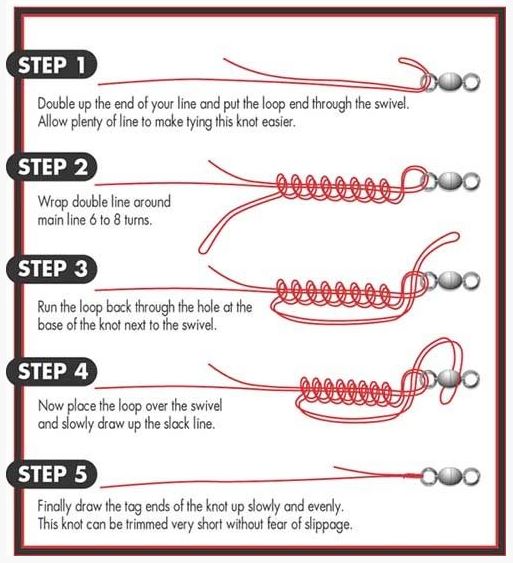
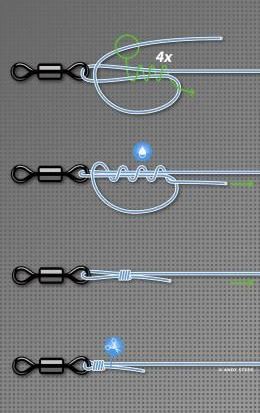
Place the bead where you want it on the line. Tie a strong knot just below the bead to hold it in place.
Use a common knot like the improved clinch knot for good grip and reliability.
- Pass the line through the bead
- Make five wraps around the standing line
- Thread the tag end through the loop
- Pull tight to secure the bead
Trimming Excess Line
After tying the knot, trim any extra line close to the knot. Leave a small tag to prevent slipping.
Use sharp scissors or clippers for a clean cut to avoid fraying the line.
Common Mistakes To Avoid
Tying a bead on fishing line looks simple but needs care. Mistakes can cause lost fish or broken gear.
Learn what to avoid to keep your fishing line strong and your beads secure.
Incorrect Knot Tying
Tying knots wrongly weakens the line and lets beads slip. Many anglers tie knots too tight or too loose.
- Do not leave too little tag end; it may slip out.
- Avoid making knots with uneven loops.
- Do not use knots that do not hold well on slippery line.
- Make sure to wet the knot before tightening it to reduce friction.
- Do not rush; take time to tie knots carefully.
Using The Wrong Bead Size
Choosing the wrong bead size causes problems during fishing. Too big or too small beads can affect your setup.
| Bead Size | Common Problem | Effect on Fishing |
| Too Large | Does not fit knot area | Bead gets stuck or falls off |
| Too Small | Moves too freely on line | Bead slips and exposes knot |
| Right Size | Fits snugly near knot | Keeps knot protected and secure |
Tips For Enhancing Bead Durability
Tying a bead on a fishing line needs care to last longer. Using the right methods helps keep the bead strong. This guide shares tips to make your bead last.
Simple steps like using sealants and checking the line often can protect your bead. These tips help avoid breakage and keep your fishing gear ready.
Applying Knot Sealants
Knot sealants add a layer of protection to your knots. They stop the knots from loosening or getting damaged by water. Sealants can increase the bead’s hold on the line.
- Choose a water-resistant knot sealant.
- Apply a small drop directly on the knot.
- Let the sealant dry completely before use.
- Avoid over-applying to prevent stiffness.
- Reapply sealant after heavy fishing or long storage.
Regular Line Inspection
Check your fishing line regularly to catch wear early. Inspection helps find weak spots that may break the bead’s hold. Look for frays, cracks, or discoloration.
| Inspection Area | What to Look For | Action |
| Near Knot | Frays or loose fibers | Trim or retie knot |
| Along Line | Cracks or discoloration | Replace line if damaged |
| Bead Contact Point | Scratches or wear | Use a new bead if worn |
When To Replace Beads And Lines
Fishing beads and lines face stress from water, sun, and fish bites. Knowing when to replace them keeps your gear strong.
Regular checks help avoid losing fish or gear. Replace beads and lines before they break.
Signs Of Wear And Tear
Look for cracks, chips, or fading on beads. These signs show the beads are weakening.
Fishing lines may have frays, discoloration, or stiffness. These issues reduce line strength.
- Beads with cracks or chips
- Beads that fade or lose color
- Lines with frayed or broken fibers
- Lines that feel stiff or brittle
- Lines with discoloration or spots
Optimal Replacement Frequency
Replace beads every season or when worn. Lines need more frequent checks and changes.
Change fishing lines after heavy use or if exposed to sun for long. Fresh lines improve fishing success.
- Replace beads every 6 to 12 months
- Check lines after each fishing trip
- Replace lines every 3 to 6 months
- Replace lines sooner if damaged
- Store gear in cool, dry places

Credit: www.amazon.com

Credit: blog.landofodds.com
Frequently Asked Questions
How Do You Tie A Bead On Fishing Line?
To tie a bead on fishing line, thread the bead onto the line first. Then, tie a secure knot, like the improved clinch knot, just below the bead. This ensures the bead stays in place and protects your knot.
Why Use A Bead On Fishing Line?
Beads act as shock absorbers and protect knots from lure damage. They also add attraction by creating clicking sounds underwater, which can lure fish closer to your bait.
What Type Of Bead Is Best For Fishing?
Use durable plastic or glass beads that fit your fishing line size. Choose beads with smooth surfaces to prevent line abrasion and select colors that match your fishing environment.
Can Tying Beads Improve Fishing Success?
Yes, beads can increase success by protecting knots and attracting fish. Their noise and color often stimulate fish curiosity, making them more likely to strike your bait.
Conclusion
Tying a bead on your fishing line is simple and useful. It helps protect knots and adds attraction for fish. Practice the steps a few times to gain confidence. Use the right size bead for your line and bait. This small skill can improve your fishing experience.
Keep your gear ready and enjoy your time by the water. Fishing becomes easier when you know the basics well. Try it today and see the difference yourself.