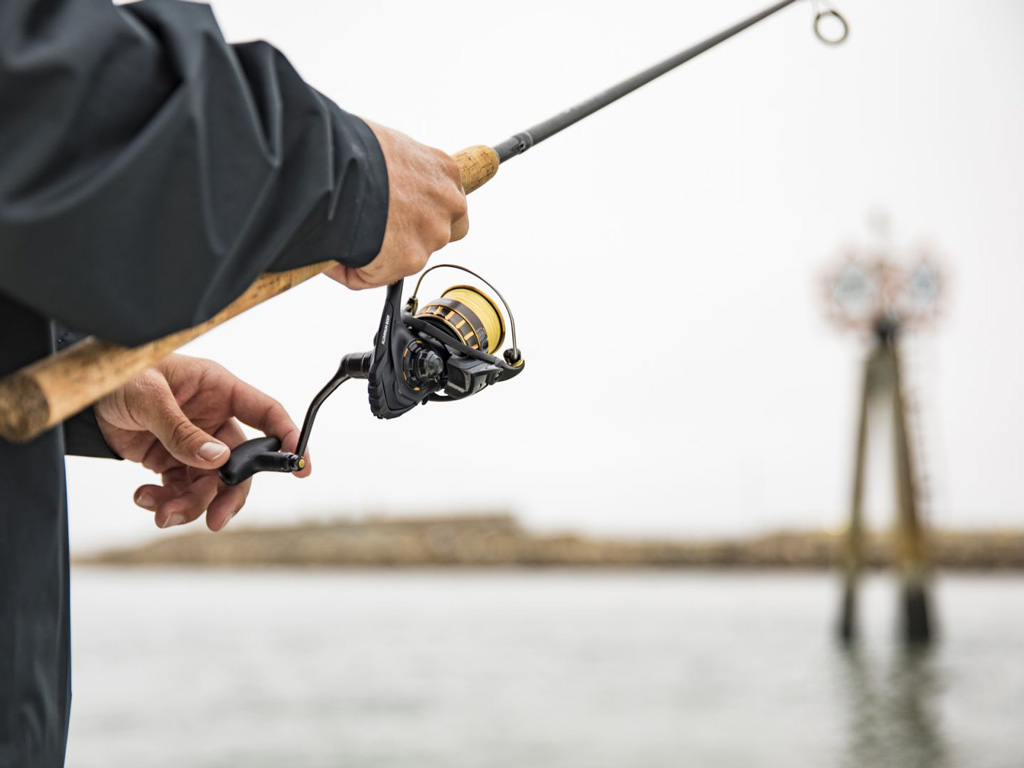
Have you ever wondered what makes a fishing rod so effective in catching fish? Understanding how your fishing rod works can change the way you fish and boost your success on the water.
Whether you’re a beginner or just curious, knowing the basics behind your rod’s design and function will help you use it better and enjoy fishing more. Keep reading, and you’ll discover simple secrets that turn your fishing rod into a powerful tool you can truly rely on.
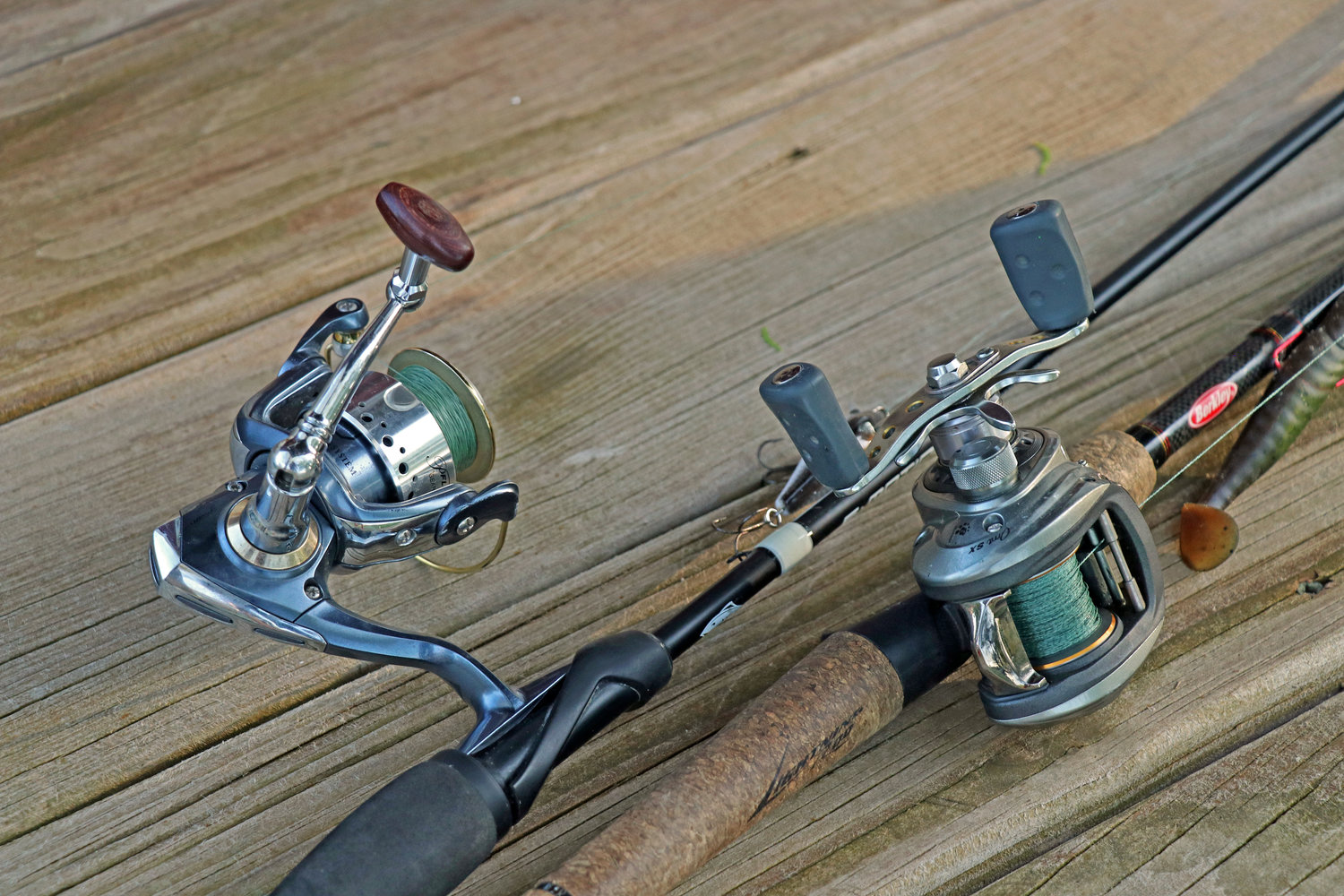
Credit: www.texaskayakfisher.com
Basic Components Of A Fishing Rod
A fishing rod has several key parts. Each part helps you catch fish more easily.
Knowing the main parts helps you choose the right rod for your needs.
Rod Blank And Its Role
The rod blank is the main body of the fishing rod. It is a long, thin piece usually made of fiberglass, graphite, or carbon fiber.
The blank controls the rod’s strength and flexibility. It helps cast the line and fight the fish.
Reel Seat And Handle
The reel seat holds the fishing reel tightly to the rod. It keeps the reel in place while you cast and reel in fish.
The handle is where you hold the rod. It is made from cork, foam, or rubber for comfort and grip.
Guides And Their Function
Guides are small rings attached along the rod blank. They guide the fishing line from the reel to the tip of the rod.
Guides help the line flow smoothly. They also reduce line tangles and friction during casting and reeling.
- Keep the line straight
- Reduce friction
- Help control the line

Credit: fishingbooker.com
Casting Mechanics
A fishing rod works by transferring energy from the angler’s arm to the lure. Casting is the process of sending the lure far into the water. Understanding the mechanics helps improve casting distance and accuracy.
The rod bends and stores energy during the cast. This energy then moves the line and lure forward. Many parts work together to control the cast.
Energy Transfer During Casting
The casting starts with the angler moving the rod backward and then forward. The rod bends and stores energy like a spring. When the rod straightens, it releases the stored energy into the fishing line.
- The angler’s arm moves the rod.
- The rod bends and stores energy.
- The rod straightens and releases energy.
- The energy moves through the line.
- The lure flies toward the target.
Role Of Flexibility And Action
Flexibility and action describe how the rod bends and reacts. A flexible rod bends more and stores more energy. The action refers to where the rod bends along its length.
| Rod Type | Flexibility | Action |
| Fast Action | Less flexible | Bends near the tip |
| Medium Action | Moderately flexible | Bends in the middle |
| Slow Action | Very flexible | Bends along most of the rod |
Line Control And Accuracy
Controlling the line and aiming the cast improve accuracy. The angler uses the rod tip to guide the line. Smooth, steady movements help place the lure where fish are likely to bite.
Tips for better line control:
- Keep the rod tip low during the cast.
- Watch the lure and line as they fly.
- Adjust your wrist to steer the line.
- Practice smooth, even arm motions.
Reeling And Line Retrieval
Reeling is a key part of fishing with a rod. It helps pull the fishing line back after casting. Good reeling makes catching fish easier and faster.
The reel controls how the line moves. It stores the line and lets you retrieve it smoothly. Understanding reeling and line retrieval helps improve your fishing skills.
How The Reel Works
The reel is attached to the fishing rod. It holds the fishing line on a spool. When you turn the handle, the spool spins to pull in the line.
Reels have gears inside that make turning easier. This helps you reel in fish without using too much strength.
Drag System And Its Importance
The drag system controls how much resistance the fish feels on the line. It stops the line from breaking when a fish pulls hard.
You can adjust the drag to match the fish size. A strong drag helps tire the fish out without snapping the line.
- Prevents line breakage
- Controls fish fight tension
- Improves fish landing success
Line Management Techniques
Good line management stops tangles and knots. It keeps the line smooth for casting and reeling.
Techniques include keeping the line tight and using proper casting methods. Regularly check the line for damage or twists.
- Keep line tight during reeling
- Use smooth casts to avoid tangles
- Check and replace damaged line
- Use line guides on the rod
Hooking And Fighting Fish
A fishing rod helps catch fish by hooking them and controlling their movements. It acts as a tool to feel the fish and react fast.
Understanding how a rod works makes it easier to hook fish and keep them from escaping during the fight.
Sensitivity And Feedback Through The Rod
A fishing rod sends signals to your hand when a fish bites. You can feel small taps or strong pulls through the rod.
This sensitivity helps you know when to pull the line or wait. A good rod gives clear feedback for better control.
Bending And Shock Absorption
The rod bends to absorb the fish’s strong pulls. This bending reduces the chance of the line breaking.
Flexible rods act like springs. They hold the tension and protect your line and hook during the fight.
- Soft rods bend more and absorb shocks
- Stiff rods give stronger hook sets but less bend
- Choosing the right rod depends on the fish size and strength
Techniques To Tire The Fish
After hooking a fish, you need to tire it out. This makes it easier to reel in without breaking the line.
Pull gently and let the rod bend when the fish pulls hard. Then reel in slowly when the fish tires.
- Keep steady tension to stop the fish from spitting the hook
- Use the rod’s bend to absorb sudden runs
- Give line when the fish pulls hard, then reel when it slows
- Patience helps tire the fish without breaking gear
Materials Impacting Performance
The material of a fishing rod greatly affects how it performs in water. Choosing the right material helps with strength, weight, and sensitivity.
Different materials offer different benefits. Understanding these can help anglers find a rod that suits their style.
Graphite Vs. Fiberglass
Graphite rods are lighter and more sensitive. They let anglers feel bites better. Fiberglass rods are stronger and more flexible but heavier.
- Graphite rods offer high sensitivity for detecting fish.
- Fiberglass rods are tougher and resist breaking.
- Graphite rods are lighter, making them easier to handle.
- Fiberglass rods can bend more without damage.
Composite Materials
Composite rods mix graphite and fiberglass. This blend gives a balance of lightness and strength. They are good for many fishing styles.
| Material | Weight | Strength | Sensitivity |
| Graphite | Light | Moderate | High |
| Fiberglass | Heavy | High | Low |
| Composite | Moderate | Moderate | Moderate |
Durability And Weight Considerations
Durability and weight affect fishing comfort and rod life. Lightweight rods reduce fatigue. Durable rods resist damage from fish and environment.
- Light rods help anglers fish longer without tired arms.
- Durable rods last longer, saving money over time.
- Stronger rods handle bigger fish without breaking.
- Weight can affect how far and accurate you cast.

Credit: mysterytacklebox.com
Frequently Asked Questions
How Does A Fishing Rod Help Catch Fish?
A fishing rod acts as a lever to cast bait far and control the fishing line. It absorbs fish pulls, preventing line breaks and improving catch success.
What Are The Main Parts Of A Fishing Rod?
A fishing rod consists of the handle, reel seat, guides, rod blank, and tip. Each part plays a key role in casting, control, and sensitivity.
How Does The Reel Work With A Fishing Rod?
The reel stores and releases fishing line smoothly. It helps cast the bait and retrieve the line when a fish bites, providing control and tension.
Why Is Rod Flexibility Important In Fishing?
Rod flexibility allows it to bend under fish strain, preventing line breakage. It absorbs shocks and improves sensitivity, helping anglers detect even subtle bites.
Conclusion
A fishing rod helps you catch fish by giving control and reach. The rod bends to absorb the fish’s pull, making it easier to reel in. The line guides the hook to the right spot. Each part works together for a smooth fishing experience.
Understanding how a fishing rod works can make fishing more fun. It’s simple but effective. Now, you know why anglers trust their rods to bring in the catch. Try it yourself and enjoy the calm of fishing with the right gear.