Are you curious about how much horsepower your car’s exhaust system can actually add? You might have heard that upgrading your exhaust can boost your engine’s power, but how real is that claim?
If you want to know what to expect and how an exhaust system affects your ride’s performance, you’re in the right place. Keep reading, and you’ll discover the truth behind those horsepower gains and how to make the most of your upgrade.
Exhaust System Basics
An exhaust system helps remove gases from an engine. It affects how well the engine works. Understanding its parts helps explain how it adds horsepower.
This guide covers the main parts of an exhaust system and how it impacts engine power. Knowing this can help you decide on upgrades.
Components Of An Exhaust System
An exhaust system has many parts that work together to move exhaust gases out of the engine. Each part plays a role in performance.
- Exhaust Manifold:Collects gases from the engine cylinders.
- Oxygen Sensors:Measure oxygen levels in the exhaust for better fuel control.
- Catalytic Converter:Reduces harmful emissions by changing gas chemicals.
- Muffler:Lowers noise from escaping gases.
- Exhaust Pipes:Direct gases away from the engine and car.
How Exhaust Impacts Engine Performance
A good exhaust system helps the engine breathe better. This can add horsepower and improve fuel efficiency.
| Factor | Effect on Performance |
| Exhaust Flow | Better flow reduces backpressure and increases power. |
| Weight of System | Lighter parts can improve acceleration. |
| Muffler Design | Optimized mufflers improve flow without too much noise. |
| Pipe Diameter | Correct size supports engine needs for power gains. |
| Oxygen Sensors | Help adjust fuel mix for better combustion. |

Credit: flasharkracing.com
Measuring Horsepower Gains
Upgrading your exhaust system can increase your car’s horsepower. Measuring these gains helps you know how much power you add.
Horsepower gains depend on many factors. It is important to test and compare results properly.
Stock Vs Aftermarket Exhausts
Stock exhaust systems are made for quiet and low emissions. They often limit how much power your engine makes.
Aftermarket exhausts are designed to improve airflow. This can help the engine breathe better and create more horsepower.
- Stock exhausts focus on noise control and emissions
- Aftermarket exhausts improve airflow and reduce restrictions
- Aftermarket systems often use larger pipes and better materials
- Power gains from aftermarket exhausts usually range from 5 to 15 HP
Factors Influencing Power Increase
Several factors affect how much horsepower you gain from a new exhaust. These include engine type and exhaust design.
Other parts of your car can also impact the results. Proper tuning is key to getting the best power increase.
- Engine size and type (turbocharged or naturally aspirated)
- Quality and design of the exhaust system
- Other modifications like intake or engine tuning
- Installation quality and fitment
- Use of a dyno test to measure gains accurately
Types Of Performance Exhausts
Performance exhaust systems can add horsepower to your car. They improve how exhaust gases flow out of the engine.
Different types of exhaust parts give different power gains. Each has a unique way of helping the engine breathe better.
Cat-back Exhausts
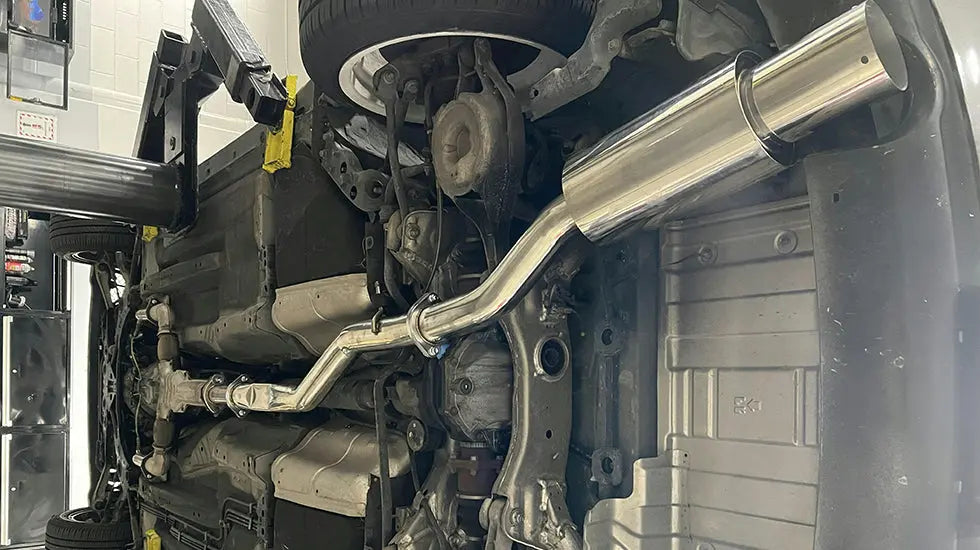
Cat-back exhausts replace the pipe from the catalytic converter to the back of the car. They usually include the muffler and tailpipe.
This setup lowers exhaust backpressure. It allows the engine to push out gases faster, adding a few horsepower.
- Improves exhaust flow
- Enhances engine sound
- Easy to install
Headers And Downpipes
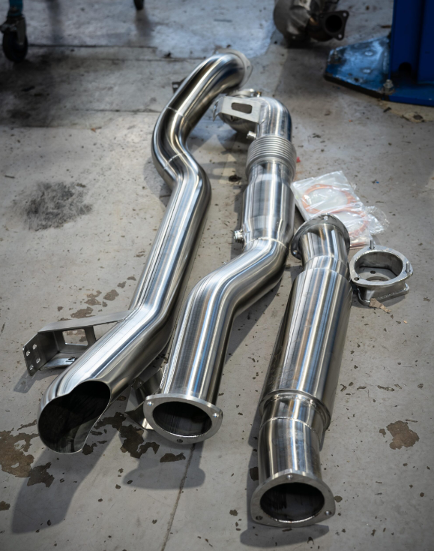
Headers replace the exhaust manifold to make a smoother path for gases. Downpipes connect the turbo or exhaust manifold to the rest of the system.
They reduce restrictions and help the engine breathe better. This can add noticeable horsepower, especially on turbo cars.
- Boosts exhaust flow from the engine
- Can improve turbo spool time
- Needs tuning for best results
High-flow Catalytic Converters
High-flow catalytic converters let exhaust gases pass easier than stock converters. They still reduce harmful emissions.
By lowering exhaust flow resistance, they help increase horsepower. They are a common upgrade for street and track cars.
- Allows cleaner and faster exhaust flow
- Meets emission standards better than straight pipes
- Improves horsepower with minimal noise increase
Credit: www.justdieselperformance.com.au
Real-world Power Improvements
Upgrading an exhaust system can improve engine power. It helps the engine breathe better and work more efficiently.
Many people want to know how much horsepower they can gain from a new exhaust. The results vary depending on the system and car.
Typical Horsepower Gains
Most aftermarket exhaust systems add between 5 and 15 horsepower. The exact gain depends on the design and quality of the parts.
High-flow exhausts reduce backpressure. This allows exhaust gases to exit faster, improving engine efficiency and power.
- Cat-back systems usually add 5-10 hp
- Headers and high-flow cats can add up to 15 hp
- Full exhaust systems offer the best gains
Impact On Torque And Throttle Response
A good exhaust system also improves torque. It helps the engine produce more twisting force at lower RPMs.
Throttle response becomes quicker because the engine breathes easier. This means the car reacts faster when you press the gas pedal.
- Better torque means stronger acceleration
- Quicker throttle response improves driving feel
- Exhaust upgrades can smooth power delivery
Installation And Tuning Effects
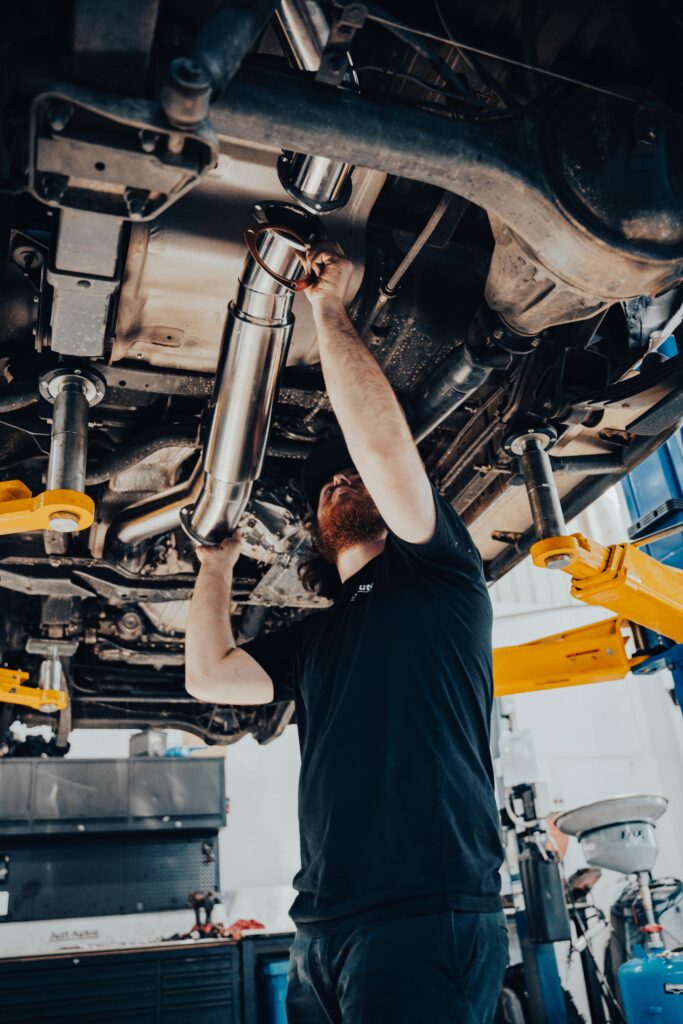
An exhaust system can add horsepower to a vehicle by improving airflow. The exact increase depends on how well it is installed and tuned.
Proper installation and tuning help the engine use the exhaust system efficiently. This makes the horsepower gain more noticeable.
Importance Of Proper Installation
Correct installation ensures the exhaust system fits well and works without leaks. Poor installation can reduce horsepower gains.
Sealing joints and using the right parts avoid air leaks. This keeps exhaust gases flowing smoothly, which helps engine power.
- Use quality gaskets and clamps
- Check for leaks after installation
- Ensure proper alignment of pipes
- Tighten bolts to the correct torque
Role Of Ecu Tuning
The Engine Control Unit (ECU) controls fuel and air mix in the engine. Tuning the ECU lets the engine adjust to the new exhaust system.
Without tuning, the engine may run poorly or lose power. ECU tuning can unlock the full horsepower potential of the exhaust upgrade.
- Adjusts fuel delivery for better combustion
- Optimizes ignition timing
- Improves throttle response
- Reduces engine knocking
Credit: www.justdieselperformance.com.au
Additional Benefits Beyond Power
An exhaust system upgrade can do more than add horsepower. It also changes how your vehicle sounds and can affect fuel use.
These benefits can make driving more enjoyable and sometimes save money over time.
Sound And Exhaust Note Changes
Upgrading your exhaust system often changes the sound of your car. Some systems make the engine sound louder and deeper.
- Deeper exhaust tones improve the driving experience.
- Some systems reduce harsh noise for a smoother sound.
- Sound changes can reflect a more efficient exhaust flow.
- Custom exhaust notes let drivers personalize their vehicle’s voice.
Fuel Efficiency Considerations
Exhaust upgrades can affect fuel use. A well-designed system may help the engine breathe better, improving efficiency.
| Exhaust Type | Effect on Fuel Efficiency |
| Stock Exhaust | Standard efficiency |
| Performance Cat-Back | Improves fuel economy slightly |
| High-Flow Headers | Better fuel burn in some cases |
| Free-Flow Exhaust | May reduce fuel use at steady speeds |
Common Myths About Exhaust Gains
Many people believe that changing an exhaust system always adds lots of horsepower. This idea is not always true. The real power gains depend on many factors.
Understanding the facts about exhaust upgrades helps set the right expectations. Let’s look at some common myths and truths.
Exhaust Size Vs Power
Some think bigger exhaust pipes always mean more power. This is not correct. Too large pipes can reduce engine performance.
The exhaust size must match the engine size and type. A pipe that is too big lowers exhaust gas speed, hurting power.
- Small engines need smaller pipes for good power
- Big engines can use larger pipes without loss
- Correct pipe size keeps exhaust flowing well
Instant Horsepower Boost Claims
Many ads say you get instant horsepower just by changing the exhaust. This is often an exaggeration. Real gains take tuning and other changes.
Exhaust alone rarely adds more than a few horsepower. Gains come from better airflow and engine tuning combined.
- Exhaust helps airflow but is not the only factor
- Tuning the engine is needed to see real power gains
- Instant big boosts are usually marketing claims
Choosing The Right Exhaust System
Choosing the right exhaust system can improve your vehicle’s performance. It affects horsepower, sound, and fuel efficiency.
Different exhaust systems add different amounts of horsepower. Picking the right one depends on your vehicle and goals.
Matching Exhaust To Vehicle And Goals
Not all exhaust systems work the same on every vehicle. The right system depends on your car’s make and model.
Consider your goals. Are you looking for more power, better sound, or improved fuel economy? Each goal fits different exhaust types.
- For more horsepower, look for high-flow exhausts.
- For a louder sound, try performance mufflers.
- For better fuel efficiency, consider lightweight materials.
Budget And Quality Factors
Exhaust systems come in many price ranges. Higher quality usually means better materials and performance.
Think about how long you want the system to last. Cheap systems may save money now but wear out fast.
- Stainless steel offers durability and resists rust.
- Mild steel is cheaper but may rust faster.
- Custom systems cost more but fit perfectly.
- Off-the-shelf systems are affordable and easy to install.
Frequently Asked Questions
How Much Horsepower Can An Exhaust System Add?
An aftermarket exhaust system can add 5 to 15 horsepower. Gains depend on vehicle type, exhaust design, and engine tuning. Proper installation and tuning optimize power improvements.
Does A Performance Exhaust Increase Engine Efficiency?
Yes, it reduces backpressure and improves exhaust flow. This enhances engine breathing and fuel combustion. The result is better efficiency and slight horsepower gains.
Are Horsepower Gains Noticeable After Upgrading Exhaust?
Yes, especially with complementary modifications like intake or tuning. Gains feel as improved throttle response and smoother acceleration. Without tuning, power increase might be subtle.
What Factors Affect Horsepower Gains From Exhaust Systems?
Engine size, exhaust design, and vehicle tuning impact gains. High-performance headers and cat-back systems maximize power. Stock engines see smaller increases compared to modified setups.
Conclusion
An exhaust system can add a few extra horsepower to your car. The exact amount depends on the type and quality of the system. Upgrading helps your engine breathe better and work more efficiently. Small gains can still improve how your car feels and sounds.
Remember, other parts also affect horsepower, not just the exhaust. Choose the right system for your needs and budget. Enjoy a smoother and slightly stronger ride with the right upgrade.