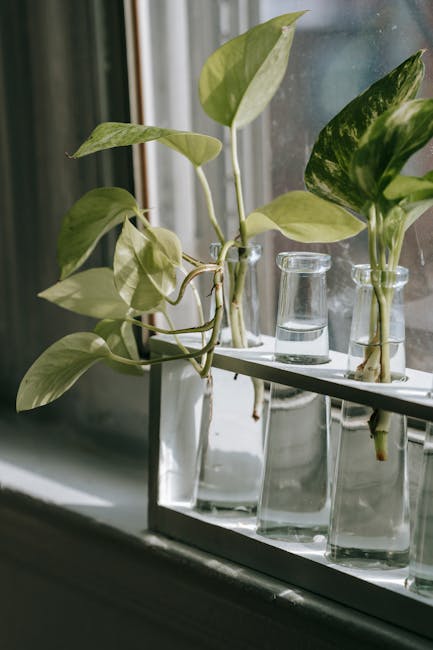
Are you ready to take control of your indoor gardening and grow healthy plants all year round? Setting up a grow tent is the perfect way to create the ideal environment for your plants, no matter the season or space you have.
But how do you start? Don’t worry—this guide will walk you through every step, making it simple and stress-free. By the end, you’ll have your grow tent ready to support thriving plants that boost your home and your mood. Keep reading to discover how easy it is to transform your space into a green paradise.
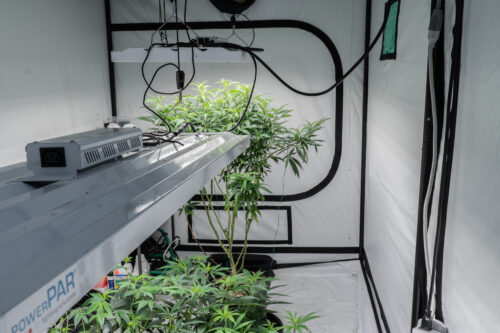
Credit: oaksterdam.com
Choosing The Right Grow Tent
Picking the right grow tent is key for a successful indoor garden. A good tent fits your space and meets your plants’ needs.
This guide helps you choose a tent by size, material, and ventilation options. Each factor affects plant growth and care.
Size And Space Considerations
Measure your available space before buying a tent. Choose a size that fits comfortably and allows room for equipment.
- Consider height for tall plants and lights
- Allow extra room for fans and pots
- Think about future plant growth and space needs
- Check door and window access for easy care
Material And Durability
Grow tents should have strong frames and thick fabric. Look for materials that resist tears and block light.
| Material | Durability | Light Proof |
| Canvas | High | Yes |
| Oxford Cloth | Medium | Yes |
| Polyester | Low | Partial |
Ventilation Options
Good ventilation keeps plants healthy. Choose tents with vents for fans and air filters.
- Round vents for exhaust fans
- Rectangular vents for intake air
- Window vents for passive airflow
Essential Equipment For Setup
Setting up a grow tent requires the right equipment to create a healthy plant environment. Proper tools help control light, air, and climate inside the tent.
This guide covers key equipment to get your grow tent started the right way.
Lighting Systems
Lighting is critical for plant growth. Choose lights that provide the right spectrum and intensity. Popular types include LED, HID, and fluorescent lights.
- LED lights use less power and produce less heat.
- HID lights are strong but generate more heat.
- Fluorescent lights are affordable and good for seedlings.
- Use timers to keep light cycles consistent.
Ventilation Fans And Filters
Good airflow keeps plants healthy and controls odors. Fans help move fresh air inside and remove stale air. Filters clean the air to prevent pests and smells.
| Equipment | Purpose | Tip |
|---|---|---|
| Inline Fan | Moves air through the tent | Choose the right size for your tent volume |
| Carbon Filter | Removes odors and impurities | Install with the inline fan for best results |
| Oscillating Fan | Circulates air inside the tent | Place at plant level for even airflow |
Temperature And Humidity Controls
Plants need stable temperature and humidity. Use tools to monitor and adjust these conditions easily.
- Thermometer to check temperature.
- Hygrometer to measure humidity levels.
- Heaters or coolers to keep temperature steady.
- Humidifiers or dehumidifiers to adjust moisture.
- Automatic controllers can manage devices for you.
Assembling The Tent
Setting up a grow tent starts with assembling its parts correctly. A strong structure helps your plants grow well.
Follow these steps to put together the frame, attach the cover, and install ports and vents.
Frame Construction
Begin by laying out all frame pieces on a flat surface. Check that all parts are present and undamaged.
Connect the metal poles by fitting them into the corner connectors. Make sure each pole clicks or fits tightly.
- Start with the base frame, connecting all corners
- Attach vertical poles to each corner of the base
- Finish by connecting the top frame pieces
- Ensure the frame is stable and square
Attaching The Cover
After the frame is ready, place the tent cover over it. Make sure the cover matches the frame size.
Pull the cover down to fit snugly around the frame. Use zippers or Velcro strips to secure it tightly.
- Check that all seams align with the frame edges
- Close all zippers carefully to avoid damage
- Adjust the cover so it is smooth and tight
Installing Ports And Vents
Grow tents have ports and vents for airflow and cables. Locate these openings on the cover.
Open the ports by unzipping or unfolding the flaps. Attach ducting or cables as needed through these openings.
- Use built-in Velcro or ties to seal around cables
- Install vent covers to keep pests out
- Ensure vents allow good airflow but close tightly

Credit: canadagrowsupplies.com
Installing Lighting And Electricals
Setting up lighting and electricals in your grow tent is important. Good lighting helps plants grow well. Safe electrical setup stops accidents and keeps everything working.
We will cover how to mount grow lights, wire safely, and use timers or controllers to make your setup easier.
Mounting Grow Lights
First, choose the right height for your grow lights. Keep lights close but not too near plants. This prevents burning leaves.
Use strong hooks or adjustable hangers. This lets you change light height as plants grow. Secure the lights to avoid falling.
- Measure space inside the tent before mounting
- Hang lights using ropes or ratchet hangers
- Keep lights adjustable for plant growth
- Check that all mounts hold the light weight well
Wiring And Safety Tips
Use wires and plugs rated for your grow light power. Avoid overloading outlets with many devices. Overloaded circuits cause fires.
Keep wires away from water or damp areas. Use waterproof covers for plugs. Check wires often for damage or wear.
- Use grounded outlets and proper extension cords
- Do not connect too many devices to one outlet
- Keep cords tidy to avoid tripping or pulling
- Use a surge protector for extra safety
Using Timers And Controllers
Timers help turn lights on and off automatically. They keep a regular light cycle for plants. This saves energy and time.
Controllers can manage more than lights. They control fans, heaters, or humidifiers. This keeps the tent environment steady.
- Choose a timer with easy programming
- Set light cycles based on plant needs
- Use controllers for multiple devices if possible
- Check timer and controller regularly for proper work
Setting Up Ventilation
Good ventilation keeps your grow tent healthy. It helps control temperature and humidity inside.
Proper airflow removes stale air and brings fresh air to your plants. This guide shows key steps.
Positioning Intake And Exhaust Fans
Place the intake fan near the bottom of the tent. This brings in fresh, cooler air from outside.
Put the exhaust fan near the top. Hot air rises and the fan pulls it out of the tent.
- Mount intake fans low for fresh air intake.
- Set exhaust fans high to remove warm air.
- Keep fans opposite each other for good air movement.
- Use fan speed controls to adjust airflow as needed.
Using Carbon Filters
Carbon filters clean the air by removing odors and impurities. Attach them to your exhaust fan.
Choose a filter size that fits your fan’s airflow rate. Replace the filter regularly for best results.
| Filter Size | Fan Airflow (CFM) | Replacement Time |
|---|---|---|
| 4 inch | 100-200 | 6-12 months |
| 6 inch | 200-400 | 6-12 months |
| 8 inch | 400-700 | 6-12 months |
Ensuring Proper Airflow
Good airflow stops heat buildup and prevents mold. Use oscillating fans inside the tent.
- Place fans to move air around plants gently.
- Avoid strong winds that can stress plants.
- Check airflow daily and adjust fans as needed.
- Seal gaps to keep air moving through fans only.
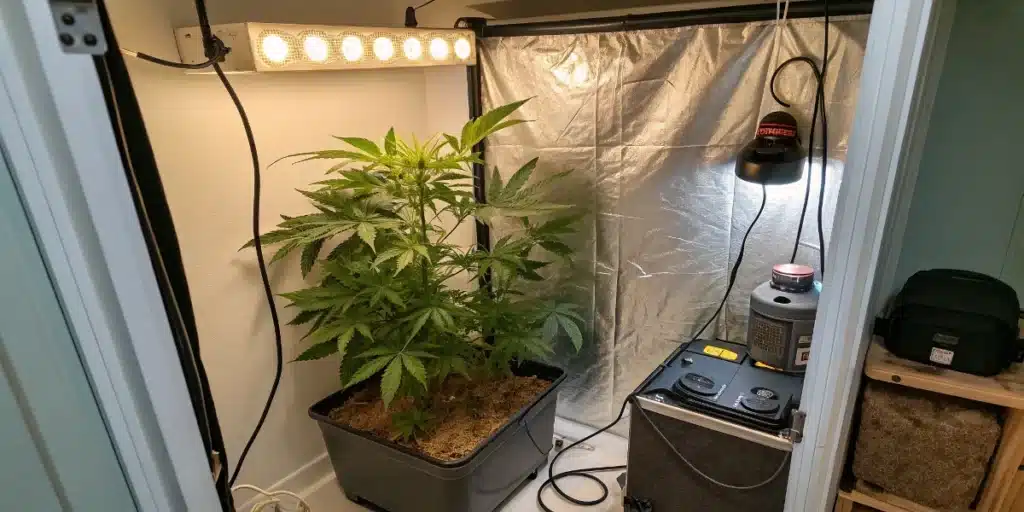
Credit: blimburnseeds.com
Managing Temperature And Humidity
Keeping the right temperature and humidity inside your grow tent is very important. These conditions help plants grow healthy and strong.
You need to control heat and moisture to avoid problems like mold or slow growth. This guide explains how to do it well.
Choosing Heaters And Humidifiers
Select heaters that fit the size of your grow tent. Small tents need small heaters to keep the right warmth.
Pick humidifiers that add the right amount of moisture. Too much or too little humidity can harm your plants.
- Use electric heaters with adjustable settings
- Choose humidifiers with easy water refill
- Check energy use to save power
- Look for quiet devices to avoid noise
Monitoring With Sensors
Sensors help you track temperature and humidity inside the tent all the time. They give data to keep conditions steady.
Place sensors at plant level for the best readings. Use devices with alarms to warn if levels go wrong.
- Use digital temperature and humidity sensors
- Check sensors daily to confirm accuracy
- Set alerts for high or low readings
- Use smart sensors to connect with apps
Maintaining Optimal Conditions
Keep temperature between 70-85°F (21-29°C) for most plants. Humidity should stay near 40-60% for good growth.
Ventilate the tent to prevent heat and moisture build-up. Use fans and vents to keep fresh air moving.
- Adjust heaters and humidifiers as needed
- Open vents or use fans to reduce heat
- Use a dehumidifier if humidity is too high
- Water plants properly to avoid excess moisture
Organizing Grow Space Inside Tent
Setting up your grow tent well helps plants grow better. A clean and organized space makes care easier. It also improves air flow and light use.
Focus on arranging your plants and containers smartly. Use every inch of space and keep the area tidy. These steps help your plants stay healthy.
Arranging Plants And Containers
Place taller plants at the back or edges of the tent. Shorter plants go in front or near the center. This way, all plants get enough light.
Use containers that fit well together. Group similar plants to make watering and care easier. Avoid overcrowding to prevent mold and pests.
- Put tall plants where light reaches well
- Keep small plants in front for better light
- Use containers that match plant size
- Group plants with similar needs
- Leave space between containers for airflow
Maximizing Space Efficiency
Use vertical space by adding shelves or hanging pots. This frees floor space for bigger plants. Stack containers safely to avoid accidents.
Arrange equipment like lights and fans to save space. Keep cords and tools organized to avoid clutter. Plan your layout before placing items.
- Add shelves to hold small pots
- Hang plants to use ceiling space
- Keep heavy plants on the floor
- Place lights and fans where they do not block plants
- Use hooks or holders for tools and cords
Keeping The Area Clean
Clean your grow tent regularly to stop pests and diseases. Remove dead leaves and debris daily. Wipe surfaces and containers to reduce mold.
Use trays under pots to catch water spills. Store fertilizers and tools in closed containers. Good hygiene helps plants grow strong and healthy.
- Pick up fallen leaves and plant debris
- Clean containers and trays weekly
- Use trays to catch excess water
- Keep tools in closed boxes
- Check for pests and remove them quickly
Maintaining And Troubleshooting
Keeping your grow tent clean and well-maintained ensures healthy plant growth. Troubleshooting common problems helps avoid delays in your gardening process.
This guide covers regular cleaning routines, common setup issues, and tips for long-term success with your grow tent.
Regular Cleaning Routines
Clean your grow tent often to prevent pests and mold. Remove dead leaves and wipe down surfaces with mild soap and water.
- Sanitize tools before and after use
- Replace air filters monthly
- Check and clean fans to keep airflow steady
- Wash pots and trays between grows
- Keep the floor free of debris
Common Setup Issues
Some problems may occur during setup that affect plant health or tent performance. Identifying these early saves time.
| Issue | Cause | Solution |
| Low light inside tent | Incorrect bulb placement | Adjust light height and angle |
| Poor airflow | Blocked vents or fans | Clear obstructions and clean fans |
| Temperature swings | Improper ventilation | Install exhaust fans or vents |
| Water leaks | Overwatering or drainage issues | Check pots and fix drainage |
| Unstable tent frame | Loose poles or connectors | Tighten all joints and supports |
Tips For Long-term Success
Follow these tips to keep your grow tent working well over time:
- Monitor humidity and temperature daily
- Use timers for consistent lighting schedules
- Rotate plants to ensure even growth
- Inspect equipment regularly for wear
- Record notes on plant progress and changes
Frequently Asked Questions
What Materials Are Needed To Set Up A Grow Tent?
You need a grow tent, lighting system, ventilation, pots, soil, and nutrients. These basics ensure a controlled growing environment for plants indoors.
How Do I Install Ventilation In A Grow Tent?
Install an exhaust fan at the top to remove hot air. Use an intake vent or fan at the bottom for fresh air intake, maintaining airflow and humidity control.
What Lighting Is Best For A Grow Tent Setup?
LED grow lights are energy-efficient and produce less heat. They provide optimal light spectrum for plant growth compared to traditional HID or fluorescent lights.
How To Maintain Temperature And Humidity Inside A Grow Tent?
Use a thermostat and humidifier or dehumidifier to control conditions. Keep temperature between 70-85°F and humidity between 40-60% for most plants.
Conclusion
Setting up a grow tent is simple with the right steps. Choose a good spot with enough space and light. Assemble the tent carefully and check all parts fit well. Add fans and lights to keep plants healthy. Keep the tent clean and monitor temperature and humidity.
This helps plants grow strong and healthy. Follow these tips, and your grow tent will work well. Enjoy growing your plants indoors all year round.