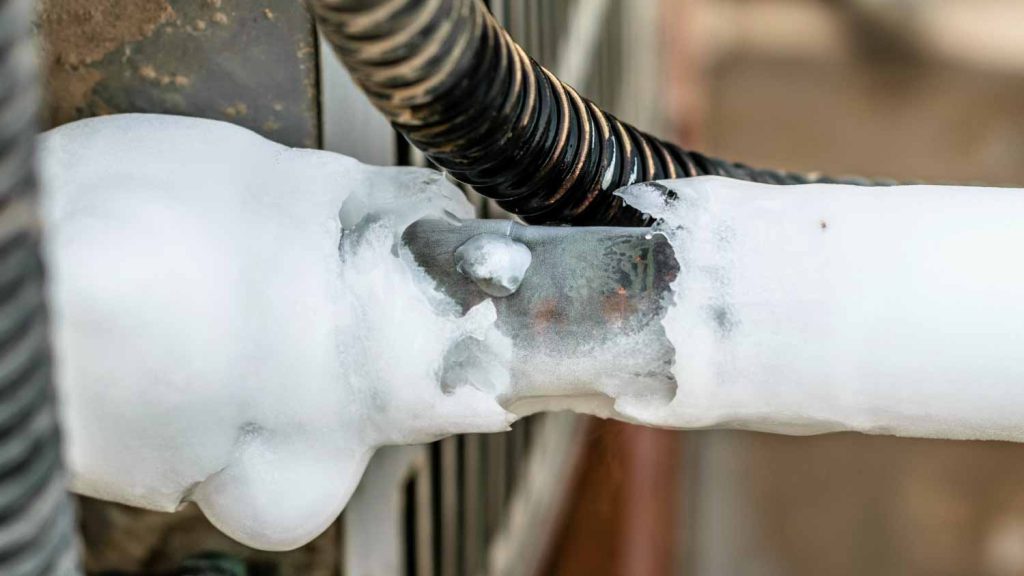
Have you ever noticed ice building up on your air conditioner and wondered, “Why would my air conditioner freeze up?” It’s a common problem that can leave you hot and uncomfortable. Understanding why this happens is the first step to fixing it quickly and avoiding costly repairs.
You’ll learn the main reasons behind a frozen air conditioner and what you can do to get your system back to normal. Keep reading—you don’t want to miss these simple tips that can save your cooling system and your comfort.
Credit: www.thervgeeks.com
Common Causes Of Ac Freezing
An air conditioner freezing up is a common problem in homes. It stops cooling and can damage the unit.
Several issues can cause your AC to freeze. Knowing these causes helps you fix the problem faster.
Low Refrigerant Levels
Refrigerant cools the air in your AC system. If the level is low, the coils get too cold.
Low refrigerant causes ice to form on the coils. This stops air from flowing properly.
Poor Airflow Issues
Good airflow keeps the AC running smoothly. Blocked vents or fans reduce airflow.
Poor airflow makes the coils colder than usual. This leads to freezing and less cooling.
Dirty Air Filters
Air filters catch dust and dirt. When dirty, they block air from entering the AC system.
Blocked filters reduce airflow and cause the coils to freeze over time.
Thermostat Problems
A faulty thermostat can give wrong temperature readings. This makes the AC run too long.
When the AC runs too long, the coils get too cold and start to freeze.
Blocked Condensate Drain
The condensate drain removes water from your AC. If it is blocked, water builds up inside.
Water buildup can cause ice to form on the coils and freeze the AC.

Credit: www.advantageairtech.com
Signs Your Ac Is Freezing
An air conditioner that freezes up does not work properly. It can cause discomfort and damage the unit. Knowing the signs helps you act fast.
Look for certain clues that show your AC is freezing. Catching the problem early can save you money and keep your home cool.
Visible Ice Formation
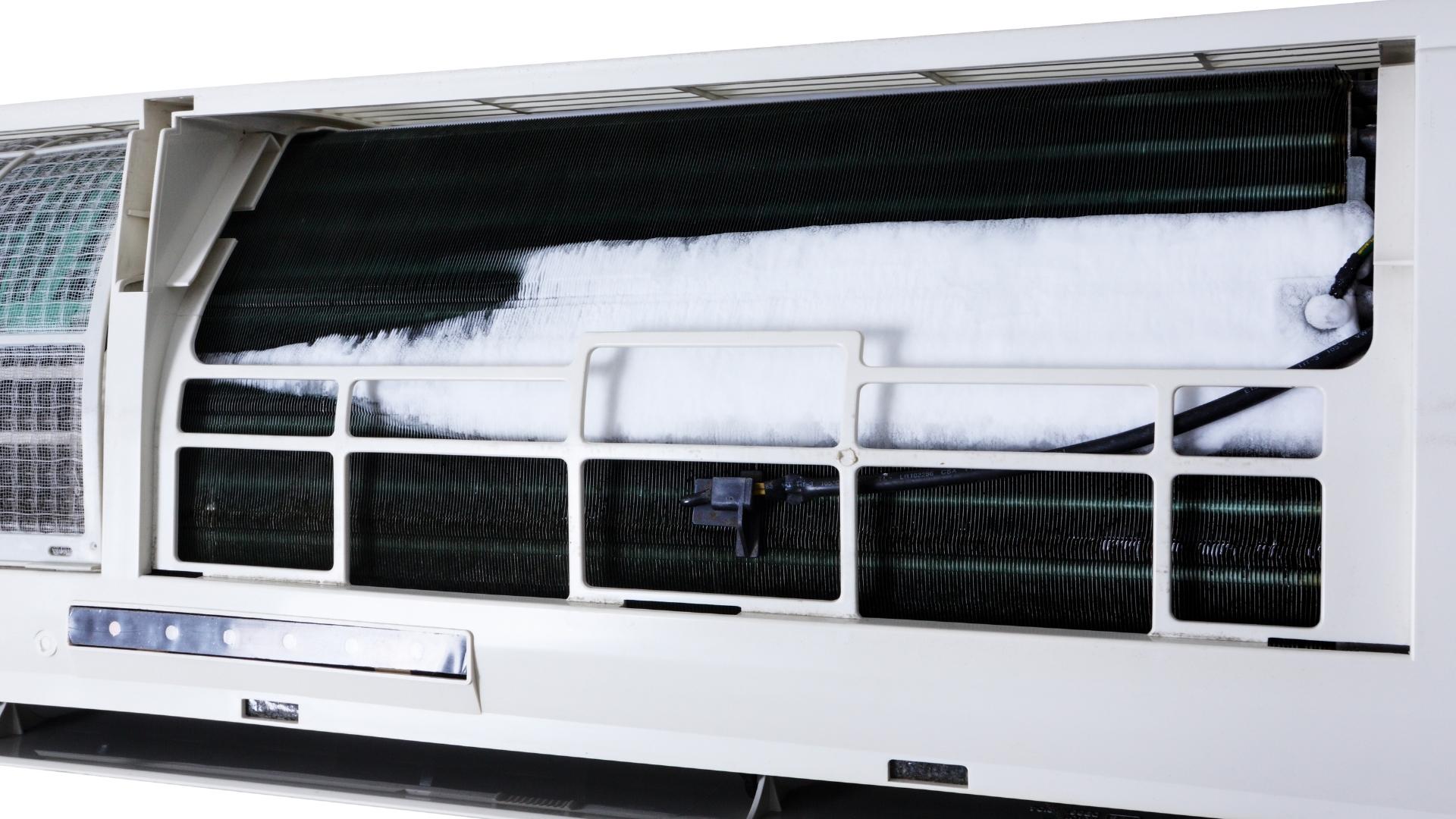
Ice may form on the outdoor unit or the indoor evaporator coil. This ice can look like frost or thick layers of frozen water. It shows the AC is not working right.
- Check the refrigerant lines for frost.
- Look for ice on the coils inside the unit.
- Notice if the outdoor unit has ice buildup.
Reduced Cooling Efficiency
Your AC may run longer but cool less. The air might feel warmer or uneven. This means the freezing is blocking airflow and heat exchange.
| Symptom | Effect |
| Longer cooling cycles | Higher energy use |
| Warm or less cold air | Discomfort in rooms |
| Uneven cooling | Some rooms hotter |
Unusual Noises
Frozen parts cause the AC to make strange sounds. You may hear buzzing, rattling, or hissing. These noises mean the unit is struggling to work.
Common unusual noises include:
- Buzzing from the fan motor
- Rattling caused by ice blocking moving parts
- Hissing from refrigerant leaks
Water Leaks Around Unit
Ice melting can cause water to drip or pool near your AC. This leak may damage floors or walls if not fixed. Check for wet spots or puddles around the unit.
Steps To Prevent Freezing
An air conditioner can freeze up for many reasons. This causes it to stop working well. You can take steps to stop freezing. These steps help your AC run smoothly.
Following good care habits keeps the system cold but not frozen. Here are key ways to prevent your air conditioner from freezing up.
Regular Filter Replacement
Dirty air filters block airflow. This makes the AC coil too cold and freeze. Change your air filter every 1 to 3 months. This keeps air flowing freely.
Check filters more often in dusty places or during heavy use. Clean or replace filters as needed. A clean filter helps your AC work well.
Maintaining Proper Refrigerant
Refrigerant cools the air inside your AC. If levels are too low, the coil gets too cold and ice forms. Have a technician check refrigerant levels yearly.
Leaks cause refrigerant loss and freezing. Fix leaks quickly to keep your system safe and efficient.
Ensuring Adequate Airflow
Good airflow stops the coil from getting too cold. Keep vents and registers open and clean. Blocked airflow can cause freezing problems.
- Do not block vents with furniture
- Keep windows and doors closed during use
- Clean vents and ducts regularly
Proper airflow keeps the system balanced and prevents ice buildup.
Routine System Inspections
Regular inspections catch problems before freezing starts. A technician can spot dirty coils, low refrigerant, or airflow issues. Schedule checkups once a year.
Check your system yourself too. Listen for strange noises and watch for ice on the coils. Early action saves money and repairs.
Diy Fixes For A Frozen Ac
Sometimes your air conditioner can freeze up and stop working well. This happens when ice builds on the coils or pipes. You can try some simple fixes at home to solve this problem.
Before calling a professional, try these easy steps. They help you safely thaw the ice and keep your AC running smoothly.
Turning Off The Unit
First, turn off your air conditioner. This stops the freezing process and prevents more ice from forming. Running the AC while frozen can damage the system.
Switch off the thermostat and the power at the breaker if needed. Wait for the ice to melt before turning the unit back on.
Thawing The Ice Safely
Let the ice melt naturally by keeping the AC off. You can speed up thawing by placing a fan near the frozen parts. Do not use sharp objects to remove ice.
Using warm water on the coils helps melt ice safely. Avoid hot water as it can cause damage. Be patient and wait until all ice is gone.
Cleaning Air Filters
Dirty air filters reduce airflow and cause freezing. Remove the filters and clean them with warm water and mild soap. Let them dry completely before reinstalling.
Replace filters if they are torn or very dirty. Clean filters help your AC work well and prevent future freezing.
Checking For Obstructions
Look around your AC unit for blocked vents or dirty coils. Obstructions reduce airflow and cause ice buildup. Clear leaves, dirt, or debris from the outdoor unit.
Check that vents inside your home are open and not blocked by furniture. Good airflow keeps your AC from freezing again.
When To Call A Professional
Your air conditioner freezing up is a sign of trouble. You can try simple fixes first.
If the problem keeps coming back, it is time to call a professional for help.
Persistent Freezing Issues
If your air conditioner freezes often, this means something is wrong inside. It could be dirty filters or blocked airflow.
A professional can check the system carefully. They clean parts and fix hidden problems to stop freezing.
Refrigerant Recharging Needs
Low refrigerant levels can cause your AC to freeze. This means the cold gas is leaking or running out.
Only a certified technician should handle refrigerant. They will find leaks and refill the system safely.
Complex Mechanical Repairs
Frozen AC units might have broken parts like fans or valves. These parts need special tools to fix.
Calling a professional ensures the repair is done right. This avoids more damage and keeps your AC working well.

Credit: www.delcohvac.com
Frequently Asked Questions
Why Does My Air Conditioner Freeze Up?
Your air conditioner freezes due to restricted airflow or low refrigerant levels. Dirty filters or blocked vents cause poor airflow. Low refrigerant leads to insufficient pressure, causing coils to freeze. Regular maintenance prevents freezing issues and ensures efficient cooling.
How Can Dirty Filters Cause Ac Freezing?
Dirty filters block airflow, reducing heat exchange. This causes the evaporator coil to become too cold and freeze. Cleaning or replacing filters regularly prevents ice buildup and maintains proper airflow, keeping your AC running smoothly.
Can Low Refrigerant Cause Ac To Freeze?
Yes, low refrigerant lowers pressure in the evaporator coil. This causes the coil to become excessively cold and freeze. If your AC freezes frequently, check refrigerant levels and call a professional for a recharge or leak repair.
What Role Does Airflow Play In Ac Freezing?
Proper airflow helps the evaporator coil absorb heat efficiently. Poor airflow due to dirty filters or blocked vents causes the coil to get too cold and freeze. Maintaining clear airflow pathways prevents freezing and improves AC performance.
Conclusion
A frozen air conditioner can cause many problems. Poor airflow, dirty filters, or low refrigerant often cause it. Regular maintenance helps keep your AC working well. Check your unit often to avoid freezing issues. Fix small problems early to save money later.
Stay cool and comfortable by keeping your AC healthy. Don’t ignore signs of freezing or strange noises. Quick action can prevent bigger repairs down the line. Remember, a well-maintained AC lasts longer and runs better. Take care of your system and enjoy cool air all summer.