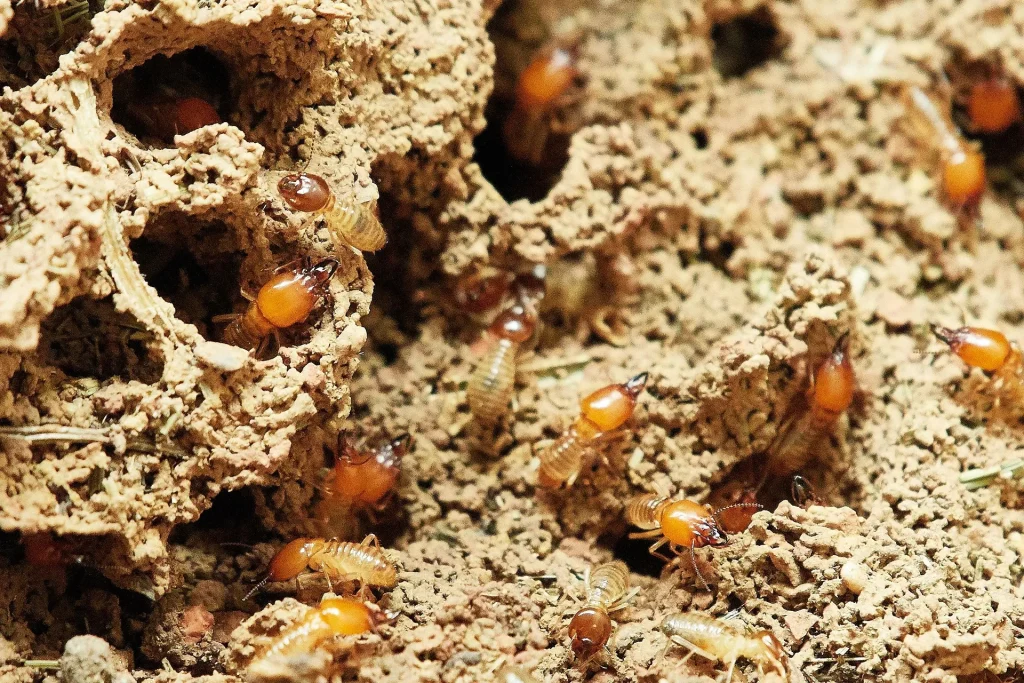
Are you worried about drywood termites damaging your home? These tiny pests can cause big problems, eating away at your wood and putting your property at risk.
You might have heard that tenting is the only way to get rid of them, but what if you could solve the problem without the hassle and expense of fumigation? You’ll discover effective, simple methods to eliminate drywood termites without tenting.
Keep reading to protect your home and regain peace of mind—quickly and safely.
Signs Of Drywood Termites
Drywood termites live inside wood without needing contact with soil. They can damage wooden structures quietly and quickly. Spotting signs early helps stop serious damage.
These termites leave visible clues that show they are present. Knowing what to look for makes it easier to catch infestations early and act fast.
Identifying Infestation
Drywood termite infestations often start inside wood. You may hear soft clicking sounds inside walls. This noise comes from soldier termites tapping to warn others.
Look for small holes on wood surfaces. These holes are exit points for termites to leave their nests. You might also notice wood that feels hollow or weak.
- Soft tapping or clicking noises inside walls
- Small round holes in wood
- Wood feels hollow when tapped
- Visible termite wings near windows or doors
Common Damage Patterns
Drywood termites eat wood from the inside out. This leaves a thin outer layer of wood intact. To the eye, wood looks normal but is very weak inside.
Damage often appears as blistered or cracked wood. Floors, furniture, and door frames are common spots for damage. You may notice sagging wood or small cracks.
- Wood surface looks blistered or cracked
- Thin outer layer with hollow inside
- Weak or sagging wooden parts
- Damage on furniture, floors, or door frames
Detecting Termite Droppings
Drywood termites push out small droppings called frass. These look like tiny wood pellets. Finding piles of frass near wood is a strong sign of infestation.
Frass is usually found below exit holes or near infested wood. It can be light brown or tan and may look like sawdust. Check window sills and baseboards carefully.
- Small pellet-like droppings called frass
- Found near holes or infested wood
- Light brown or tan color
- Looks like sawdust but pellet-shaped

Credit: www.angi.com
Limitations Of Tenting
Tenting is a common method to get rid of drywood termites. It involves covering the entire house with a large tent. Then, professionals use fumigants to kill termites inside. This method has several limits that make some people look for other options.
Understanding these limits can help homeowners decide the best way to handle termite problems. Tenting may not always be the safest or most cost-effective choice.
Health Concerns
Tenting uses strong chemicals that can harm people and pets. These chemicals stay in the air and on surfaces for some time. Exposure can cause breathing problems and skin irritation.
People must leave their homes for days during and after tenting. This can be hard for families with young children or elderly members. Pets also need to be removed to avoid health risks.
- Fumigants release toxic gases
- Risk of respiratory issues
- Need to vacate the home for several days
- Possible skin and eye irritation
Cost Factors
Tenting is expensive because it requires special equipment and skilled workers. The cost includes materials, labor, and preparation of the home. Additional costs may come from staying elsewhere while the house is tented.
Some homes are large or have complex structures. This can raise the price even more. Not everyone can afford the high cost of tenting for termite removal.
- High prices for chemicals and equipment
- Labor costs for skilled professionals
- Extra expenses for temporary housing
- Bigger homes cost more to tent
Time Constraints
Tenting takes time to complete. Preparing the home alone may take a day or two. The fumigation process lasts at least 24 to 72 hours. After fumigation, the house must be aired out before people return.
This means families need to plan for several days away from home. This can disrupt work, school, and daily routines. Some people find this time commitment hard to manage.
- Preparation can take 1-2 days
- Fumigation lasts 1 to 3 days
- Additional time needed for airing out
- Days away from home required
Non-tenting Treatment Options
Drywood termites cause serious damage to wood in homes. Tenting is common but not the only way to remove them. Some treatments work without covering the whole house.
These non-tenting methods focus on targeted and safe ways to kill termites. They can be less disruptive and still effective if done right.
Localized Chemical Treatments
Localized chemical treatments target termite colonies in specific areas. This method uses insecticides applied directly to infested wood or galleries.
- Inject termiticide into wood cracks and holes
- Apply foam or liquid treatments to active termite spots
- Use slow-acting chemicals to kill entire colonies
- Monitor treated areas for termite activity regularly
Heat Treatment Alternatives
Heat treatments kill termites by raising the temperature of wood to lethal levels. This can be done without tenting the whole house.
| Method | Description | Advantages |
| Spot Heat Treatment | Heat applied locally to infested wood | Targets only problem areas, less disruption |
| Heat Fumigation | Heated air circulated in specific rooms | No chemicals, eco-friendly |
| Infrared Heat | Infrared lamps heat wood surfaces | Quick and precise |
Cold Treatment Methods
Cold treatments use freezing temperatures to kill termites. This method works best on small wooden items or limited infestations.
Common cold treatment techniques include:
- Using liquid nitrogen to freeze termite colonies
- Placing infested furniture in a freezer for several days
- Applying dry ice to termite nests

Credit: www.callnorthwest.com
Natural Remedies For Termite Control
Drywood termites can damage your home if left untreated. Many people want to avoid tenting because it is costly and disruptive. Natural remedies offer safer, eco-friendly ways to control termites.
These treatments use simple materials to reduce termite problems. They can help protect wood without harsh chemicals or fumigation.
Boric Acid Applications
Boric acid is a natural insecticide that kills termites by damaging their stomachs. It also interferes with their ability to digest wood.
Apply boric acid as a powder or mixed in water. Spray or brush it on wood surfaces where termites are active. Repeat the treatment every few months for best results.
- Use protective gloves when handling boric acid
- Focus on cracks, holes, and tunnels in wood
- Keep boric acid away from pets and children
Orange Oil Treatments
Orange oil contains d-limonene, which is toxic to termites. It works by breaking down the termites’ protective outer layer, causing them to die.
Inject orange oil directly into termite galleries or wood holes. This method targets termites inside the wood without harming plants or pets.
- Use a syringe or injector to apply orange oil
- Treat all visible termite entry points
- Repeat the treatment to ensure full coverage
Diatomaceous Earth Use
Diatomaceous earth (DE) is a fine powder made from fossilized algae. It kills termites by scratching their bodies and causing them to dry out.
Spread food-grade diatomaceous earth around termite-infested areas. It works best in dry conditions and can stay effective for a long time.
- Apply DE in cracks, crevices, and around wood
- Wear a mask to avoid inhaling the powder
- Keep DE dry for best termite control
Preventing Future Infestations
Drywood termites can cause serious damage to your home. Taking steps to prevent them helps protect your wood structures. You can reduce risks by keeping wood healthy and dry.
Regular care and checks stop termites from making a home in your wood. Prevention is easier than dealing with infestations later.
Wood Maintenance Tips
Keep wood in good shape to avoid termite problems. Fix cracks and holes where termites can enter. Seal and paint exposed wood to protect it.
Remove old wood debris from around your home. Termites like to hide in untreated wood piles and stumps. Use treated wood for building and repairs.
- Seal cracks and holes in wood
- Paint or stain exposed wood surfaces
- Remove wood debris and old stumps
- Use treated wood for outdoor projects
Moisture Control Strategies
Drywood termites need dry wood but moisture attracts other pests. Keep your home dry to lower termite risks. Fix leaks in roofs, pipes, and gutters fast.
Improve ventilation in crawl spaces and attics. Use gutters to direct water away from your home’s foundation. Avoid letting soil touch wooden parts of the building.
- Fix leaks in roofs and pipes quickly
- Ventilate crawl spaces and attics well
- Keep gutters clean and working
- Prevent soil from touching wood structures
Regular Inspections
Look for signs of termites regularly. Check wooden beams, furniture, and walls for damage. Early detection helps stop infestations before they spread.
Hire a professional to inspect your home yearly. You can also use flashlights and moisture meters for a simple check. Watch for small holes and termite droppings.
- Inspect wood inside and outside your home
- Check for holes, damage, or termite droppings
- Use flashlights and moisture meters
- Schedule yearly professional inspections
When To Call A Professional
Drywood termites cause serious damage to wood in your home. Knowing when to call a professional helps protect your property. Some infestations need expert help to fully remove.
DIY methods may not work for large or hidden termite problems. A trained exterminator can find and treat the infestation safely and effectively.
Assessing Infestation Severity
Check the size and signs of the termite damage. Small spots might be handled yourself. Large or spreading damage means the infestation is severe.
- Look for termite droppings or pellets near wood areas.
- Tap wood and listen for hollow sounds.
- Check for blistered or damaged wood surfaces.
- Find mud tubes or tunnels on wood or walls.
If you see many signs or damage covers large areas, call a professional immediately. They can assess and stop the infestation.
Choosing The Right Exterminator
Not all pest control companies have experience with drywood termites. Choose one with good reviews and proper licenses. Ask about their treatment methods and guarantees.
| Factor | What to Check |
| Experience | Years treating drywood termites |
| Methods | Non-toxic or fumigation options |
| Guarantees | Warranties on treatment results |
| Cost | Clear pricing and no hidden fees |
| Customer Reviews | Positive feedback from past clients |
Choose an exterminator who explains the process clearly. They should inspect your home first and provide a written plan.
What To Expect During Treatment
Treating drywood termites often needs special equipment. The exterminator may drill into wood to apply pesticides or use heat or cold treatments.
- Inspection to find all termite colonies.
- Preparation of treatment areas.
- Applying chemicals or heat to kill termites.
- Sealing treated wood to prevent return.
- Follow-up visits to check results.
During treatment, you may need to leave your home for safety. The exterminator will explain any precautions and timing.

Credit: www.wavespestcontrol.com
Frequently Asked Questions
What Are Effective Non-tenting Methods For Drywood Termites?
Non-tenting methods include localized fumigation, heat treatment, and cold treatment. These target infested wood directly, avoiding whole-structure tenting. They are cost-effective and less disruptive, providing precise termite elimination with minimal damage to your home.
Can Chemical Treatments Eliminate Drywood Termites Without Tenting?
Yes, targeted chemical treatments like termiticides and insecticidal foam can kill drywood termites. Professionals inject chemicals into wood galleries, effectively eradicating termites without the need for tenting or evacuation.
How Does Heat Treatment Work Against Drywood Termites?
Heat treatment raises wood temperatures to 120-140°F, killing termites inside. It’s eco-friendly, fast, and penetrates deep into wood. This method avoids chemicals and tenting, making it safe for homes and occupants.
Is Heat Treatment Safe For Furniture And Home Items?
Yes, heat treatment is safe for wood furniture and household items. It evenly heats infested areas without causing damage. Professionals monitor temperature to protect valuables during termite eradication.
Conclusion
Drywood termites can cause serious damage if ignored. Treating them without tenting saves time and stress. Use targeted methods like spot treatments and baiting. Regular checks help catch problems early. Protect your home by acting fast and staying vigilant. A termite-free home is possible with care and effort.
Stay informed and keep termites away for good.