Are you trying to find the best air conditioner that won’t skyrocket your electricity bill? Understanding the EER rating is key to making a smart choice.
But what exactly is a good EER rating for an air conditioner, and how does it affect your comfort and savings? You’ll discover the simple truth behind EER ratings and learn how to pick an air conditioner that keeps your home cool without draining your wallet.
Keep reading to make your next purchase a confident and cost-effective one.

Credit: ecmservice.com
Eer Rating Basics
The EER rating shows how well an air conditioner saves energy. It helps you pick an efficient unit.
A higher EER means the air conditioner uses less electricity to cool a room.
What Eer Means
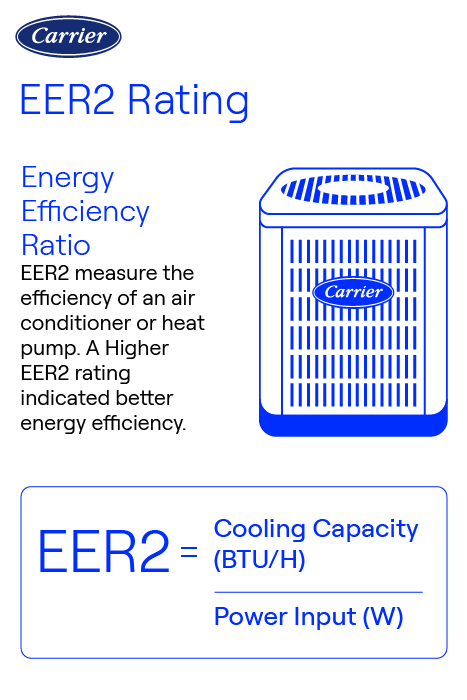
EER stands for Energy Efficiency Ratio. It measures cooling output compared to energy used.
It shows how many BTUs of cooling you get per watt of power consumed.
- Higher EER means better energy efficiency
- Lower EER means more electricity use
- EER helps compare different air conditioners
How Eer Is Measured
EER is measured by dividing cooling capacity by power input at a set temperature.
The test uses a steady outdoor temperature of 95°F and indoor temperature of 80°F.
- Cooling capacity is in British Thermal Units (BTUs) per hour
- Power input is in watts
- EER = BTUs ÷ watts
Ideal Eer Range
The Energy Efficiency Ratio (EER) shows how well an air conditioner uses energy. It measures cooling output divided by energy input. A higher EER means the unit is more efficient.
Choosing an air conditioner with the right EER can save energy and lower electricity bills. Let’s look at the ideal ranges for EER ratings.
Minimum Recommended Eer
The minimum EER depends on climate and regulations. For most areas, a rating of 9.0 or above is suggested. This ensures the unit cools well without using too much power.
- EER below 8.0 usually wastes energy.
- Between 8.0 and 9.0 is acceptable but less efficient.
- 9.0 and above meets basic energy standards.
High Efficiency Ratings
High efficiency air conditioners have EER ratings above 12. These units use advanced technology to cool while using less electricity. They cost more but save energy long term.
| EER Rating | Energy Use | Cost Efficiency |
|---|---|---|
| 9.0 – 10.9 | Moderate | Standard Savings |
| 11.0 – 12.9 | Low | Better Savings |
| 13.0 and above | Very Low | Best Savings |
Factors Affecting Eer
The Energy Efficiency Ratio (EER) of an air conditioner shows how well it cools. Many factors change the EER value. Understanding these helps you find a good rating.
Two important factors are climate and the size and design of the unit. Both affect how much energy the air conditioner uses.
Climate Influence
Climate affects how hard an air conditioner works. Hot and humid places need more cooling power. This can lower the EER rating.
- In dry climates, air conditioners use less energy.
- High temperatures make units run longer.
- Humidity levels affect cooling efficiency.
- Seasonal changes can impact energy use.
Unit Size And Design
The size and design of the air conditioner also affect the EER. A unit too big or too small will waste energy. Good design helps keep energy use low.
| Factor | Effect on EER |
| Proper unit size | Improves energy efficiency |
| Oversized unit | Consumes more power, lowers EER |
| Compact design | Better airflow and cooling |
| Old technology | Usually less efficient |

Credit: thefurnaceoutlet.com
Comparing Eer And Seer
When choosing an air conditioner, you often see terms like EER and SEER. Both measure efficiency but in different ways. Understanding these ratings helps you pick the right unit for your needs.
This guide explains the differences between EER and SEER. It also shows which rating is more important for your situation.
Differences Between Ratings
EER stands for Energy Efficiency Ratio. It measures how well an air conditioner cools at a fixed temperature, usually 95°F. SEER means Seasonal Energy Efficiency Ratio. It shows efficiency over a whole cooling season.
- EER:Measures efficiency at a single outdoor temperature.
- SEER:Reflects average efficiency over many temperatures.
- EER:Useful in hot climates with steady temperatures.
- SEER:More common in product labels for overall performance.
- EER:Calculated by dividing cooling output by power used.
- SEER:Uses a weighted average of different conditions.
Which Rating Matters More
Choosing between EER and SEER depends on your climate and usage. EER is best in areas with very hot weather all day. SEER fits places with changing temperatures across seasons.
| Factor | EER | SEER |
|---|---|---|
| Measurement | Fixed temperature efficiency | Seasonal average efficiency |
| Best for | Hot, stable climates | Variable climates |
| Energy cost | Helps estimate peak use | Shows yearly savings |
| Label | Less common | More common on units |
Benefits Of High Eer Units
A high EER (Energy Efficiency Ratio) means the air conditioner uses less energy. This helps lower your electricity bills. It also makes your home cooler without wasting power.
Choosing an air conditioner with a good EER rating is smart. It saves money and protects the environment. Let’s look at the main benefits.
Energy Savings
High EER units use less electricity to cool a room. This means your air conditioner runs efficiently. It gives you the same cool air but uses less power.
Using less energy helps reduce your monthly utility costs. Over time, this saves a lot of money. It also means your air conditioner does not wear out quickly.
- Lower electricity bills
- Less energy wasted
- Longer air conditioner life
Environmental Impact
High EER air conditioners use less energy from power plants. This helps reduce harmful emissions like carbon dioxide. It lowers your home’s carbon footprint.
Choosing a unit with a good EER rating is a simple way to help the environment. It supports cleaner air and reduces pollution. This benefits everyone in the community.
- Reduces greenhouse gas emissions
- Supports cleaner air quality
- Conserves natural resources
Choosing The Right Ac
Choosing an air conditioner means looking at its EER rating. EER stands for Energy Efficiency Ratio. It shows how much cooling the AC gives for each unit of energy it uses.
A good EER rating can save you money on electricity and help the environment. Let’s see how to balance cost and efficiency and what extra features to consider.
Balancing Cost And Efficiency
Higher EER ratings mean better energy use but usually cost more upfront. Lower ratings save money at purchase but use more power over time.
| EER Rating | Energy Use | Cost | Best For |
|---|---|---|---|
| 8 – 10 | High | Low | Short-term use |
| 11 – 12 | Moderate | Moderate | Balanced choice |
| 13 and above | Low | High | Long-term savings |
Think about how long you will use the AC and your energy costs. A higher EER is better for long use and high electricity rates.
Additional Features To Consider
Besides EER, look for features that improve comfort and save energy. These can add value to your AC unit.
- Programmable timers to control operation hours
- Sleep mode for quieter and efficient cooling at night
- Smart sensors that adjust cooling based on room temperature
- Eco mode to reduce power use during mild weather
- Easy-to-clean filters for better air quality and efficiency
Choosing an AC with the right EER and useful features helps keep your home cool and your bills low.

Credit: thefurnaceoutlet.com
Frequently Asked Questions
What Does Eer Rating Mean For Air Conditioners?
EER stands for Energy Efficiency Ratio. It measures cooling output divided by power consumption. A higher EER means better energy efficiency and lower electricity bills.
What Is Considered A Good Eer Rating?
A good EER rating for air conditioners is typically 11 or above. Ratings between 11 and 13 show efficient performance, saving energy and reducing costs.
How Does Eer Affect My Electricity Bill?
Higher EER means your air conditioner uses less electricity to cool. This reduces energy consumption and lowers your monthly electricity bills significantly.
Can Eer Rating Vary By Air Conditioner Type?
Yes, window units often have lower EER ratings than split or central ACs. Choose units with higher EER for more efficient cooling.
Conclusion
A good EER rating helps you save energy and money. Higher EER means the air conditioner works better. Choose a unit with a rating above 10 for efficiency. This rating shows how much cooling you get per energy used. A better EER also means less harm to the environment.
Check the EER before buying to make a smart choice. Remember, a small step like this improves comfort and lowers bills. Simple and clear—understanding EER helps you pick the best air conditioner.