
Have you ever wondered if your car battery is protected by your warranty? Imagine being stranded with a dead battery and then finding out it’s not covered.
That feeling of frustration is something you want to avoid. Understanding whether your car battery is covered can save you time, money, and stress. You’ll discover exactly what warranties typically cover when it comes to car batteries—and what you should watch out for.
Keep reading, because knowing this could make all the difference the next time your car won’t start.
Car Battery Warranty Basics
Car batteries often come with warranties to protect buyers from defects. These warranties explain what problems are covered and for how long.
Understanding the basics of car battery warranties helps you know your rights and avoid extra costs.
Types Of Warranties
There are different types of warranties for car batteries. Each type offers a certain level of protection.
- Full Warranty: Covers repair or replacement without any cost.
- Pro-Rated Warranty: Covers part of the cost based on battery age.
- Limited Warranty: Covers specific parts or issues only.
Warranty Duration
The length of a car battery warranty varies by brand and type. It usually lasts from one to three years.
| Warranty Type | Typical Duration |
|---|---|
| Full Warranty | 6 months to 1 year |
| Pro-Rated Warranty | 1 to 3 years |
| Limited Warranty | Varies by manufacturer |
Coverage Scope
Coverage scope tells you what problems the warranty will fix. It helps you know if the battery issue is included.
- Manufacturing defects like faulty cells.
- Failure to hold charge under normal use.
- Excludes damage from misuse or accidents.
- Does not cover normal wear and tear.
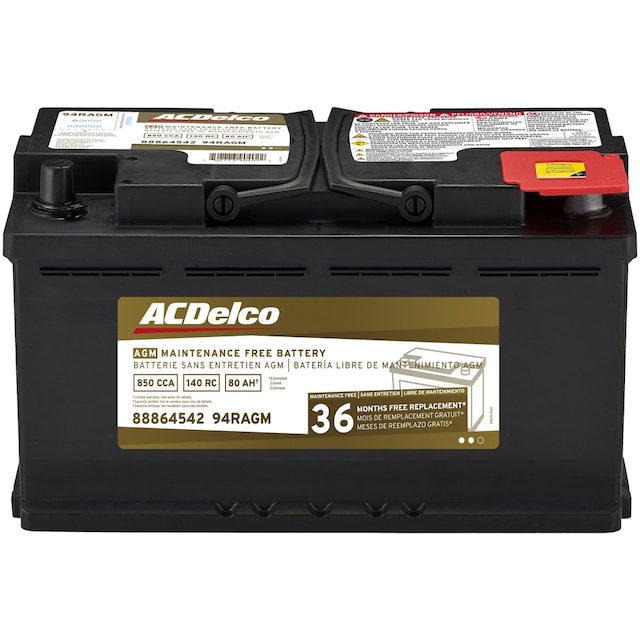
Credit: parts.gmc.com
What Warranty Typically Covers
Car batteries usually come with a warranty from the maker or seller. This warranty protects you if something goes wrong with the battery.
The warranty explains what problems the battery maker will fix or replace. It is important to know what is covered.
Manufacturing Defects
Warranties cover problems caused by how the battery was made. These are called manufacturing defects.
Defects can include issues like faulty wiring or bad materials. If the battery fails because of these defects, the warranty usually pays for a fix or replacement.
Performance Issues
Warranties cover poor battery performance during the warranty period. If the battery does not hold charge or starts failing early, it may be covered.
The warranty helps if the battery stops working well under normal use and care. It does not cover damage from misuse or accidents.
Replacement And Repairs
Most warranties promise to repair or replace a bad battery for free. This depends on the warranty terms and how long it lasts.
Some warranties offer prorated replacements, which means you pay part of the cost after some time. Others may cover full replacement within a certain period.
Common Warranty Exclusions
Car battery warranties often exclude certain types of damage or issues. Knowing these exclusions helps avoid confusion when making claims.
This guide covers the common warranty exclusions like wear and tear, improper use, and environmental damage.
Wear And Tear
Wear and tear means normal battery aging and use over time. Most warranties do not cover this because it is expected that batteries lose capacity gradually.
- Reduced battery capacity from regular use
- Natural corrosion on terminals
- Loss of charge due to age
Improper Use
Improper use voids the warranty. This includes damage from incorrect installation or wrong handling of the battery.
| Improper Use Type | Example |
| Wrong installation | Reversing battery terminals |
| Using incompatible charger | High voltage chargers |
| Physical damage | Cracks or leaks from dropping |
Environmental Damage
Environmental factors can damage batteries. Warranty usually excludes damage caused by extreme conditions.
Common environmental damage includes:
- Freezing temperatures causing battery fluid to freeze
- Overheating from direct sun exposure
- Corrosion due to water exposure or salt

Credit: www.youtube.com
Factors Affecting Warranty Validity
Car batteries often come with a warranty to protect buyers. Understanding what affects warranty validity is important.
Several factors can influence if the warranty stays valid or gets voided over time.
Installation Practices
Proper installation is key to keeping the warranty valid. Incorrect installation can cause damage and void coverage.
Always follow the manufacturer’s instructions or have a professional install the battery.
- Use the correct tools and techniques
- Avoid damaging battery terminals
- Secure battery firmly in place
- Check for correct polarity connections
Maintenance Requirements
Battery maintenance affects warranty validity. Neglect can lead to early failure and loss of warranty protection.
Follow recommended maintenance schedules and keep the battery clean and charged.
- Regularly check battery terminals for corrosion
- Keep battery fluid at proper levels if applicable
- Charge battery as needed to prevent deep discharge
- Store battery properly during long periods of inactivity
Use Of Compatible Parts
Using parts that match the battery specifications is vital. Incompatible parts can cause damage and void warranty.
Always use parts approved by the battery maker or recommended for your car model.
- Use the correct size and type of battery cables
- Replace fuses with proper ratings
- Do not mix battery types or brands
- Avoid aftermarket parts that do not meet standards
How To Claim Warranty
Car batteries often come with a warranty to protect buyers from defects. Knowing how to claim the warranty helps you get repairs or replacements.
This guide explains the steps, documents needed, and tips to make your claim smooth and successful.
Required Documentation
You need specific papers to prove your battery’s warranty is valid. These documents show purchase details and battery condition.
- Original purchase receipt or invoice
- Warranty card or certificate
- Proof of vehicle ownership (if required)
- Battery serial number or label
- Repair or service records (if applicable)
Claim Process Steps
Follow these steps to file a warranty claim for your car battery. The process ensures your issue is reviewed and handled properly.
- Check the warranty terms and period
- Gather all required documentation
- Contact the seller or battery manufacturer
- Describe the battery problem clearly
- Submit your claim with documents as instructed
- Wait for inspection or approval
- Receive repair, replacement, or refund
Tips For Successful Claims
Use these tips to improve your chances of a quick and positive warranty claim outcome.
- Keep the purchase receipt safe and readable
- Follow the battery care instructions carefully
- Report issues as soon as they appear
- Take photos of the battery and any damage
- Communicate clearly and politely with the company
- Keep copies of all correspondence and documents
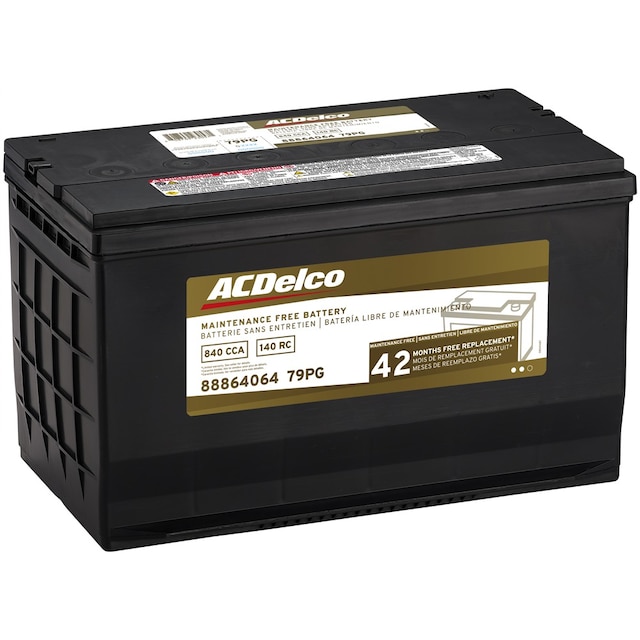
Credit: parts.gmc.com
Extended Warranty Options
Car batteries often come with a basic warranty from the manufacturer. This warranty usually covers defects and early failures.
Extended warranty options can protect your battery beyond the original coverage period. These plans give extra security against unexpected costs.
Benefits And Costs
Extended warranties help avoid surprise expenses if your battery fails. You get peace of mind knowing repairs or replacements are covered.
These plans have costs that vary based on coverage length and provider. It is important to weigh benefits against the price.
- Benefit: Covers battery replacement costs
- Benefit: Reduces out-of-pocket repair bills
- Cost: Additional upfront or monthly fees
- Cost: Some plans may exclude certain damages
Providers And Plans
Many companies offer extended warranties for car batteries. These include car dealers, battery manufacturers, and third-party insurers.
Plans differ in length, coverage details, and claim processes. Some plans cover only defects, while others cover wear and tear.
- Dealer extended warranties
- Manufacturer-backed plans
- Independent warranty providers
- Coverage durations from 1 to 5 years
When To Consider Extension
Think about an extended warranty if you keep your car longer than the original warranty. Older cars may need more battery replacements.
Also consider extension if you drive in extreme weather. Hot or cold climates reduce battery life and increase the chance of failure.
- Planning to keep car more than 3 years
- Living in very hot or cold areas
- Wanting to avoid sudden repair costs
- Using the vehicle for heavy daily driving
Signs Your Battery Might Fail
Car batteries do not last forever. They lose power over time and may stop working.
Knowing the signs of a failing battery helps you avoid getting stranded.
Warning Indicators
Some signs show your car battery might fail soon. Watch for these clues carefully.
- The engine cranks slowly when starting the car
- Dim headlights or electrical problems
- Dashboard warning light for battery or charging system
- Swollen battery case or corrosion on terminals
- Unusual smells like rotten eggs near the battery
Diagnostic Tests
Testing your battery helps confirm if it is weak or damaged.
| Test Type | Description | What It Shows |
| Voltage Test | Measures battery voltage with a multimeter | Shows charge level; under 12.4 volts may be weak |
| Load Test | Checks battery under load conditions | Reveals if battery can hold charge when used |
| Hydrometer Test | Measures electrolyte specific gravity | Indicates battery health and charge state |
Preventive Measures
Taking care of your battery can extend its life and avoid sudden failure.
- Keep battery terminals clean and free of corrosion
- Turn off lights and accessories when engine is off
- Drive your car regularly to recharge the battery
- Have your battery tested yearly by a mechanic
- Replace the battery after 3 to 5 years as a precaution
Frequently Asked Questions
Are Car Batteries Typically Covered Under Warranty?
Yes, most car batteries come with a limited warranty. Coverage usually ranges from 12 to 36 months. This warranty covers defects and early battery failure, not damage from misuse or external factors. Always check the specific terms provided by the manufacturer or seller.
What Does A Car Battery Warranty Usually Include?
Car battery warranties generally cover replacement or repair for manufacturing defects. They do not cover damage caused by improper use, accidents, or environmental factors. Some warranties include prorated coverage after a certain period, reducing the refund amount over time.
How Long Is A Standard Car Battery Warranty?
Standard warranties for car batteries typically last between 12 to 36 months. The exact duration depends on the brand and battery type. Extended warranties may be available for purchase separately. Check your battery’s warranty card for precise details.
Can Warranty Cover Battery Failure From Normal Wear?
No, warranty usually does not cover failure due to normal wear or age. It focuses on defects and premature failure only. Batteries naturally lose capacity over time, which is considered normal wear and not a warranty issue.
Conclusion
Car batteries often come with a warranty, but coverage varies. Check your car’s warranty details carefully. Some warranties cover battery defects or early failures. Normal wear and tear usually is not covered. Keep your receipt and warranty papers safe. Knowing your warranty helps avoid unexpected costs.
Regular battery care can extend its life. Stay informed to protect your investment. A reliable battery keeps your car running smoothly.