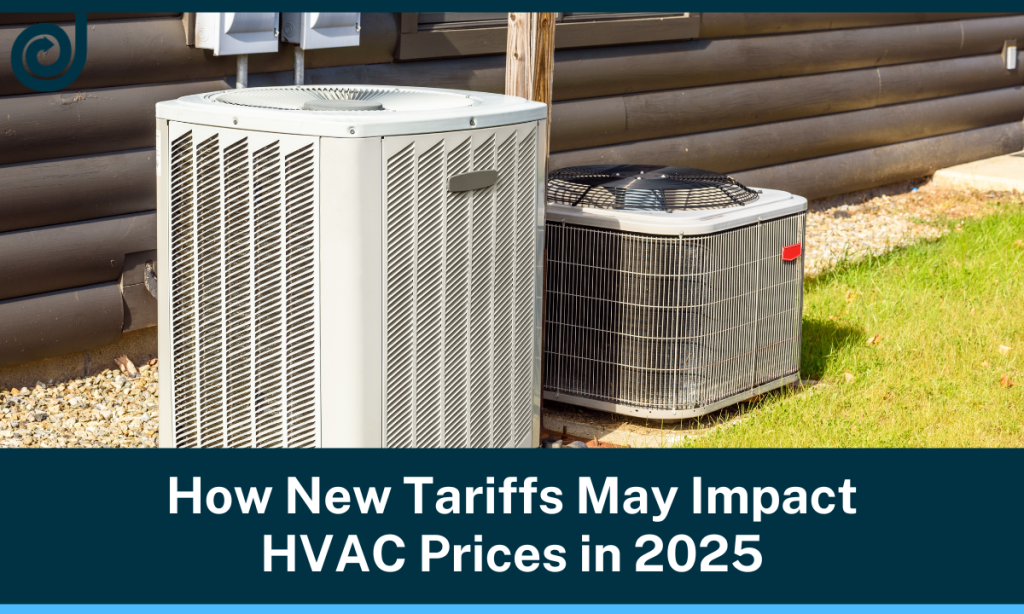
Have you ever wondered if keeping your air conditioner on wastes gas? You’re not alone.
Many people worry about whether running their AC is costing them more than just electricity. What if there’s a hidden cost you didn’t know about? Understanding how your air conditioner affects your gas usage can save you money and keep your home comfortable.
Keep reading to find out the truth behind this common concern and learn simple tips to make your cooling system more efficient.
Credit: www.greenbuildermedia.com
How Air Conditioners Use Energy
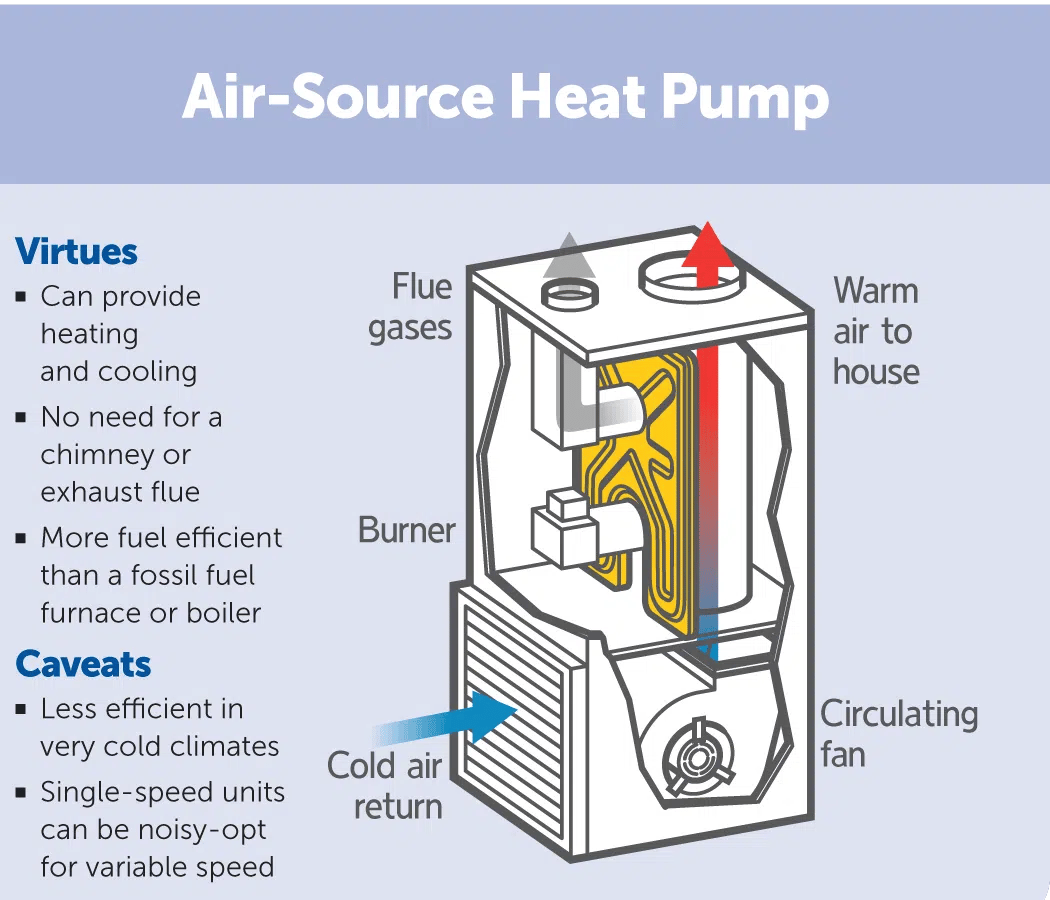
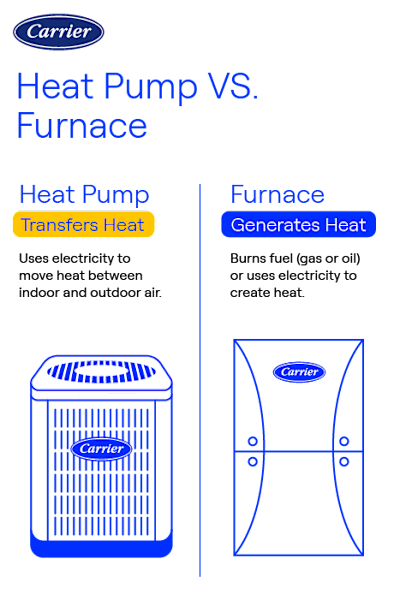
An air conditioner works by moving heat from inside to outside. It uses a special liquid called refrigerant to absorb heat. The refrigerant changes from liquid to gas as it takes in heat. Then, the gas moves outside and releases the heat, turning back into liquid.
The AC uses electricity to run a compressor and fans. The compressor squeezes the refrigerant gas, making it hot and high pressure. The fans blow air over coils to help the refrigerant cool down and change back to liquid. This cycle keeps repeating to cool your home.
The energy from electricity does not vanish. Some energy turns into heat in the compressor and other parts. This heat is waste energy, but it is part of the normal process of cooling.
Credit: www.carrier.com
Common Myths About Ac And Gas Waste
Many people think air conditioners leak harmful gas.This is not true. Air conditioners use refrigerant gasinside sealed pipes. This gas does not escape under normal use. If there is a leak, it means the AC needs repair. Leaking gas can reduce cooling but is not common.
Confusion arises because of different gas types. People mix up refrigerant gaswith natural gases like cooking gas or petrol fumes. Air conditioners do not use these gases. Refrigerant gas is safe when inside the AC system and is different from flammable gases.
Refrigerant Role In Air Conditioners
Refrigerantsare special fluids that help air conditioners cool the air. They absorb heat from inside your home and release it outside. This process keeps your room cool and comfortable. Refrigerants move through tubes and change between liquid and gas to carry heat away.
Different types of refrigerants exist, but all work by moving heat. Without them, air conditioners cannot cool properly.
- Refrigerants help absorb heat inside a house.
- They carry heat outside to cool the air.
- They change from liquid to gas and back.
- Without refrigerants, air conditioners do not work.
Some refrigerants can harm the environment. They may cause ozone layer damageor increase global warming. Newer refrigerants are made to be safer and less harmful.
Proper handling and recycling of refrigerants reduce environmental risks. Always check that your air conditioner uses eco-friendly refrigerants.
Energy Efficiency And Gas Consumption
Air conditioners mostly use electricity, not gas. Gas appliances like heaters consume fuel differently. Using an air conditioner does not waste gas, but it can increase electricity bills.
Electricity powers the cooling process in air conditioners. Gas is used for heating in some systems, but not cooling. Knowing this helps manage energy use better.
| Energy Type | Used For | Common Source |
|---|---|---|
| Electricity | Cooling with AC | Power plants, solar, wind |
| Gas | Heating or cooking | Natural gas, propane |
- Set your AC to a comfortable, not too low, temperature.
- Use fans to help cool rooms efficiently.
- Close curtains to block heat from sunlight.
- Turn off AC when no one is home.
- Keep air filters clean for better airflow.
Proper Maintenance To Avoid Gas Issues
Signs of refrigerant leaksinclude your AC not cooling well and strange noises. You might also notice ice formingon the coils or a hissing sound. A bad smell or higher electricity bills can signal gas loss. These signs show your AC needs a check.
Routine AC servicinghelps keep your system working well. Clean or replace filters to improve airflow. Check for leaks and refill refrigerant if needed. Tighten electrical connections and clean coils to avoid breakdowns. Regular care saves money and keeps your home cool.
Environmental Concerns And Regulations
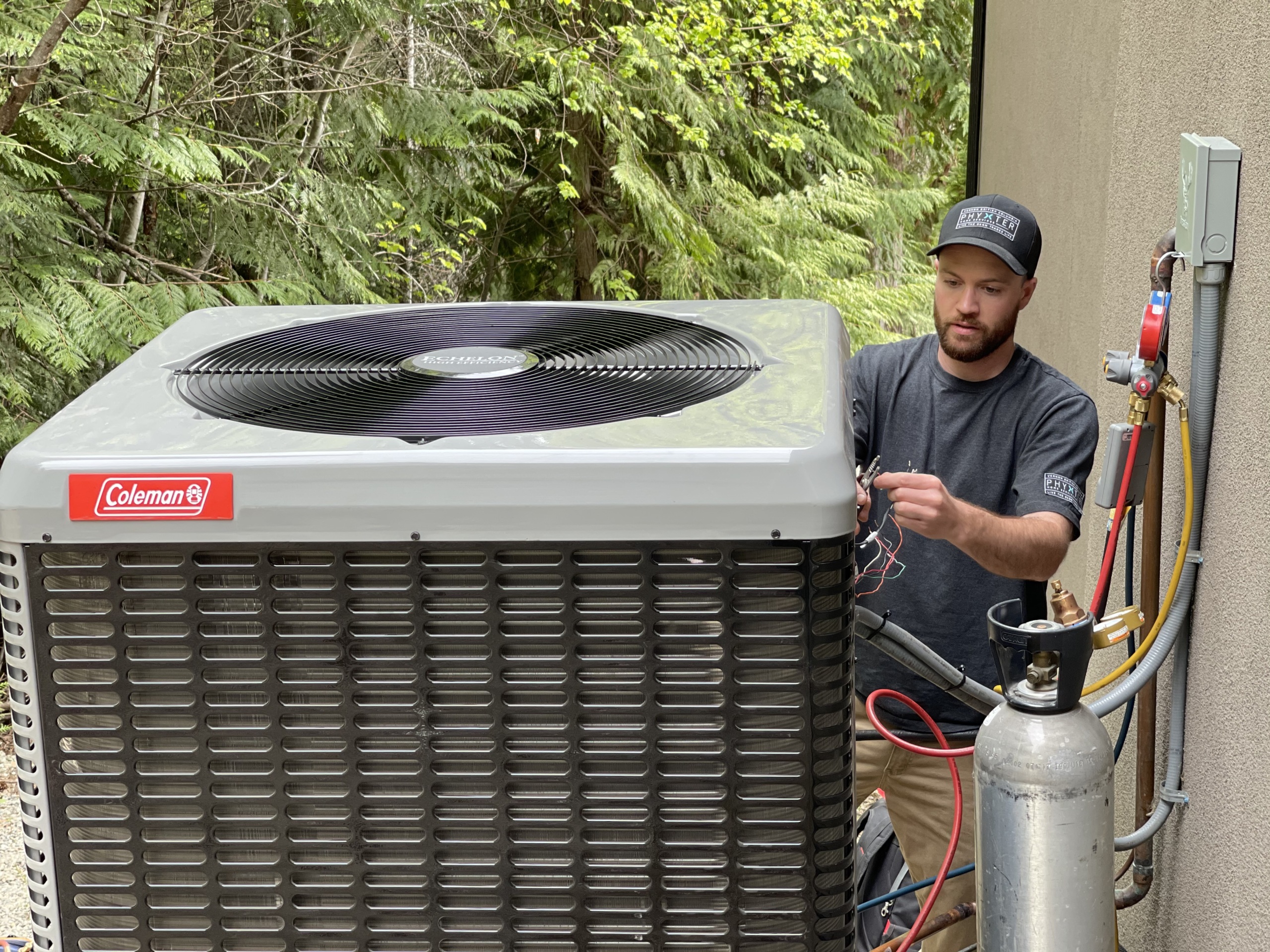
Air conditioners use refrigerants that can harm the environment. Some refrigerants have a high Global Warming Potential (GWP). This means they trap heat in the atmosphere more than carbon dioxide.
Governments have set rules and limitson the types of refrigerants allowed. These rules aim to reduce climate changeand protect the ozone layer.
| Government Standard | Purpose | Impact |
|---|---|---|
| Montreal Protocol | Phase out ozone-depleting substances | Reduced harmful chemicals in AC units |
| Kigali Amendment | Cut HFCs with high GWP | Lower greenhouse gas emissions |
| Energy Star Regulations | Improve energy efficiency | Less energy use, fewer emissions |
Credit: environmentamerica.org
Frequently Asked Questions
Does Running Ac Waste Gas Or Energy?
Running an air conditioner does not waste gas directly. It consumes electricity, which may come from gas-powered plants. Efficient AC usage reduces overall energy waste and lowers utility bills.
How Does Ac Impact Gas Consumption?
Air conditioners use electricity, not gas. However, if your power comes from gas plants, AC indirectly increases gas use. Using energy-efficient AC units minimizes this impact.
Can Ac Usage Increase Household Gas Bills?
AC units run on electricity, so they don’t raise gas bills. However, inefficient cooling can cause higher electric bills. Proper maintenance ensures energy savings and cost control.
Is It Eco-friendly To Keep Ac On Constantly?
Constantly running AC increases energy consumption and environmental impact. Using programmable thermostats and regular maintenance helps reduce waste and lowers your carbon footprint.
Conclusion
Running your air conditioner does use gas or electricity, but not wastefully. Using it wisely helps save energy and money. Set the temperature at a comfortable level and turn it off when not needed. Regular maintenance keeps the system efficient and reduces waste.
Good habits make a big difference. Stay cool without feeling guilty about energy use. Smart choices protect both your comfort and the environment.