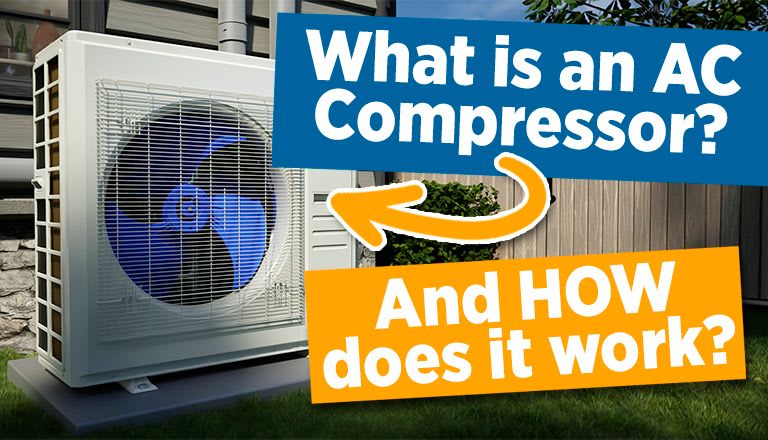
Have you ever wondered where the heart of your air conditioner really is? Knowing where the air conditioner compressor is can save you time and money when your cooling system acts up.
This small but powerful part plays a big role in keeping your home cool and comfortable. You’ll discover exactly where to find your air conditioner compressor and why understanding its location matters to you. Keep reading, because what you learn here could make all the difference the next time your AC needs a fix.

Credit: www.onehourairftworth.com
What An Ac Compressor Does
The AC compressor is a key part of an air conditioner. It helps cool the air inside your home or car.
This device moves refrigerant through the AC system. It changes the refrigerant from low pressure to high pressure.
Compressing Refrigerant Gas
The compressor squeezes the refrigerant gas to raise its pressure. This makes the gas hotter.
High-pressure gas flows to the condenser where it cools down and turns into liquid.
Circulating Refrigerant In The System
The compressor pushes the refrigerant through tubes in the AC system. This keeps the cooling process going.
- Moves refrigerant from evaporator to condenser
- Maintains pressure differences needed for cooling
- Ensures refrigerant flows continuously
Enabling Heat Exchange
The compressor helps the AC remove heat from inside your space. It makes the refrigerant absorb heat at low pressure.
Then the refrigerant releases heat outside at high pressure, cooling your home or car.
Credit: www.coolairflorida.com
Common Compressor Locations
The air conditioner compressor is a key part of your cooling system. It helps move refrigerant and cool your home. Knowing where the compressor is can help with maintenance and repairs.
Compressors can be found in different spots depending on the system design. Let’s look at the most common locations.
Outside The Home
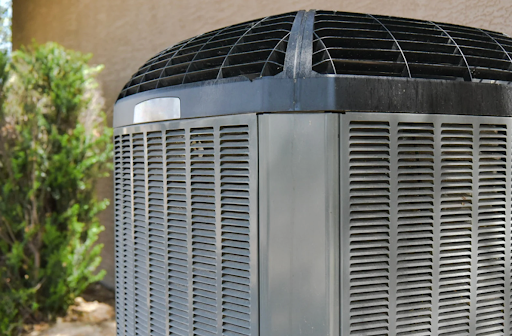
Most air conditioner compressors sit outside the house. They are part of the outdoor unit, often called the condenser. This location helps keep heat away from inside your home.
- Placed on a concrete pad or mounted on a wall.
- Usually found near the side or back of the house.
- Protected by a metal cage or cover.
- Connected to the indoor unit by refrigerant lines.
Inside The Air Handler
Some systems have the compressor inside the air handler unit. This setup is common in small apartments or condos. It keeps the components together in one compact space.
| Feature | Details |
| Location | Inside air handler closet or attic |
| Noise Level | Quieter outdoors, louder indoors |
| Maintenance | Easier access for some repairs |
| Space | Requires more indoor space |
Near The Furnace
In some homes, the compressor sits near the furnace. This is common in split systems inside basements or utility rooms. It allows easy connection to heating and cooling parts.
Here are some points about this location:
- The compressor shares space with the furnace or air handler.
- It may be noisy because of the furnace.
- Often found in basements or closets.
- Needs good ventilation to prevent overheating.
How To Spot The Compressor Quickly
Finding the air conditioner compressor is important for maintenance or repairs. The compressor is a key part of the AC system that helps cool your home.
This guide shows simple ways to find the compressor fast. Look closely at the outdoor unit, electrical parts, and refrigerant lines.
Look For The Outdoor Unit
The compressor is usually inside the outdoor unit. This unit is often near the house, outside on the ground or mounted on a wall.
The outdoor unit is a large metal box with vents or grills. You can hear a humming sound from it when the AC is on.
- Check near your home’s exterior walls
- Look for a metal box with fan vents
- Listen for humming or buzzing noise
Check The Electrical Components
The compressor connects to electrical parts inside the outdoor unit. Look for wires and a capacitor, which help start the compressor motor.
These electrical components are often mounted near or on the compressor housing. Be careful and turn off power before touching anything.
- Find wires leading to a metal cylinder or block
- Look for a capacitor, a small round part nearby
- Power off before inspecting electrical parts
Identify The Refrigerant Lines
Refrigerant lines connect the compressor to the indoor unit. These are thick metal tubes that carry cooling gas.
One line is larger and insulated, and the other is smaller. Both go in or out of the outdoor unit near the compressor.
- Locate two metal tubes near the outdoor unit
- One tube is wrapped with insulation foam
- Tubes connect directly to the compressor inside

Credit: atlasacrepair.com
Tools To Help Locate The Compressor
Finding the air conditioner compressor can be tricky without the right tools. Some tools make the search easier and safer. These tools help you see, test, and understand the compressor’s location and condition.
Use these tools carefully to avoid damage or injury. Knowing what each tool does will guide you in locating the compressor correctly.
Flashlight For Dark Areas
A flashlight helps you see in dark or tight spots where the compressor hides. It lights up corners and behind panels, making it easier to spot parts.
- Choose a bright, portable flashlight.
- Use it to inspect under the hood or near the condenser unit.
- Look for a metal cylinder connected to pipes and wires.
Multimeter For Electrical Checks
A multimeter measures electrical signals to confirm the compressor’s function. It checks voltage, resistance, and continuity in wires and connectors.
| Multimeter Setting | Use |
| Voltage (V) | Check power supply to compressor |
| Resistance (Ω) | Test compressor coil condition |
| Continuity | Confirm wire connections |
Service Manual Or Diagram
Service manuals and diagrams show exact compressor location and wiring. They guide you step-by-step on parts and how to find them safely.
- Check the manual for compressor location in your model.
- Follow wiring diagrams to trace cables to the compressor.
- Use diagrams to identify connectors and mounting points.
Safety Tips When Searching
Finding the air conditioner compressor can be tricky. It is important to stay safe while looking for it. Following safety rules helps prevent accidents and injuries.
Always prepare before you start. Knowing safety tips will keep you safe around electrical parts and refrigerant.
Turn Off Power First
Always switch off the power before searching for the compressor. This stops the risk of electric shock. Find the main breaker and turn it off.
Check that the power is off by trying to turn on the AC. If it does not start, it is safe to proceed.
Avoid Touching Refrigerant Lines
Refrigerant lines can get very cold or hot. Do not touch them to avoid burns or frostbite. The refrigerant is also harmful if it leaks.
Look but do not handle the lines. If you see any leaks or damage, call a professional for help.
Wear Protective Gear
Wear gloves to protect your hands from sharp parts and hot surfaces. Use safety glasses to guard your eyes from dust and debris.
- Wear long sleeves to protect your arms
- Use closed-toe shoes to protect your feet
- Consider a dust mask if the area is dirty
When To Call A Professional
The air conditioner compressor is a key part of your cooling system. It helps move refrigerant through the system to cool your home. Sometimes, the compressor can have problems that need expert care.
Knowing when to call a professional can save you time and money. Some issues are hard to fix without special tools and skills. Here are signs that you need a professional to check your air conditioner compressor.
Strange Noises From The Compressor
If you hear banging, clanking, or humming sounds from the compressor, it may be damaged. These noises often mean parts inside the compressor are worn or loose. A professional can find the cause and fix it safely.
Ac Not Cooling Properly
Your air conditioner may run, but the air is not cold enough. This can happen if the compressor is failing. A pro can test the compressor and refrigerant levels to find the problem. Trying to fix this yourself can cause more damage.
Compressor Won’t Start
If the compressor does not start or keeps shutting off, it could be an electrical issue or a mechanical failure. This is a complex problem that needs a trained technician. They have the tools to check wiring and parts safely.
Frequent Cycling On And Off
The compressor should run smoothly without turning on and off too often. If it cycles frequently, it may be overheating or under stress. A professional can diagnose the cause and prevent bigger issues.
Visible Leaks Around The Compressor
Leaks around the compressor indicate refrigerant or oil loss. This can reduce cooling power and harm the compressor. A technician can find the leak and repair it safely. Refrigerants need careful handling to meet safety rules.
Frequently Asked Questions
Where Is The Ac Compressor Located In A Car?
The AC compressor in a car is typically found near the engine. It’s usually mounted on the front of the engine block, connected by a belt. This placement allows it to efficiently compress and circulate refrigerant, playing a crucial role in the vehicle’s air conditioning system.
How Can I Identify My Ac Compressor?
You can identify the AC compressor by its cylindrical shape and pulley system. It’s usually connected to the engine with a belt. The compressor is often labeled and has refrigerant hoses attached, making it distinguishable from other engine components.
What Does The Ac Compressor Do?
The AC compressor compresses refrigerant, enabling heat exchange and cooling. It circulates the refrigerant through the system, ensuring your air conditioner blows cold air. This component is essential for maintaining a comfortable temperature inside your vehicle or home.
Can I Replace The Ac Compressor Myself?
Replacing an AC compressor yourself is challenging and requires expertise. It involves handling refrigerants, which should only be done by professionals. Incorrect handling can lead to system damage or personal injury. For safety and efficiency, consult a certified technician for replacement.
Conclusion
The air conditioner compressor plays a key role in cooling your home. You usually find it outside, near the condenser coil. It works by compressing refrigerant gas to help cool the air. Knowing its location helps with maintenance and repairs.
Check the outdoor unit for the compressor’s exact spot. Understanding this part can save time and money. Keep your AC running smoothly by keeping the compressor clean and clear. A well-maintained compressor means better cooling and lower energy bills. Simple care goes a long way for your comfort.