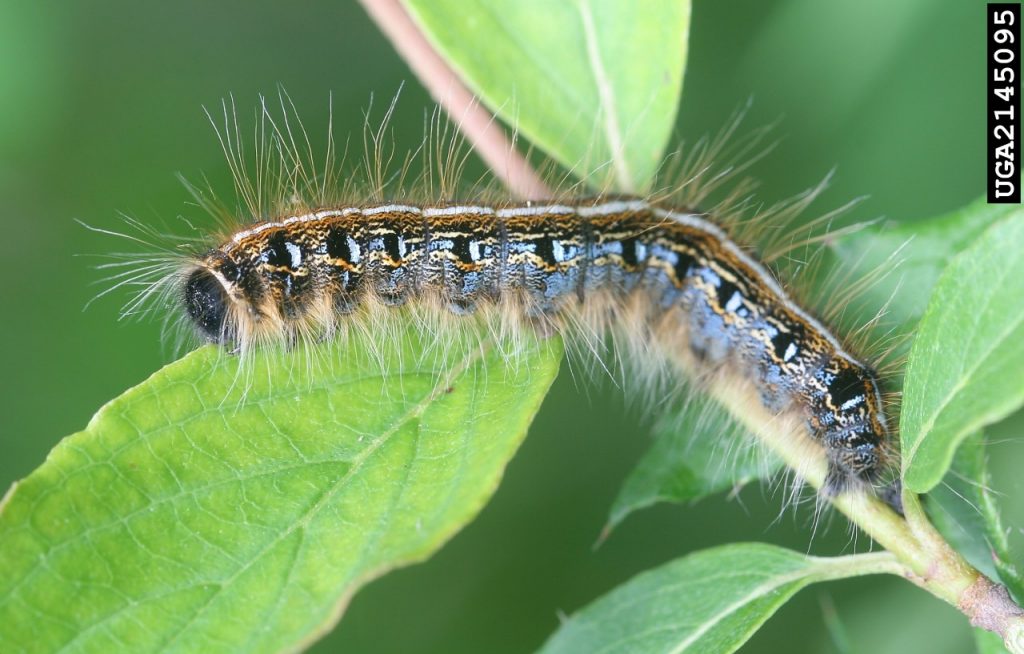
Have you ever spotted those fuzzy, colorful caterpillars crawling on trees and wondered, “What do tent caterpillars eat?” If you’re curious about these little creatures and the impact they have on your garden or yard, you’re in the right place. Understanding their eating habits can help you protect your plants and keep your outdoor space healthy.
Keep reading to discover exactly what fuels these tiny invaders and how you can manage them before they take over.
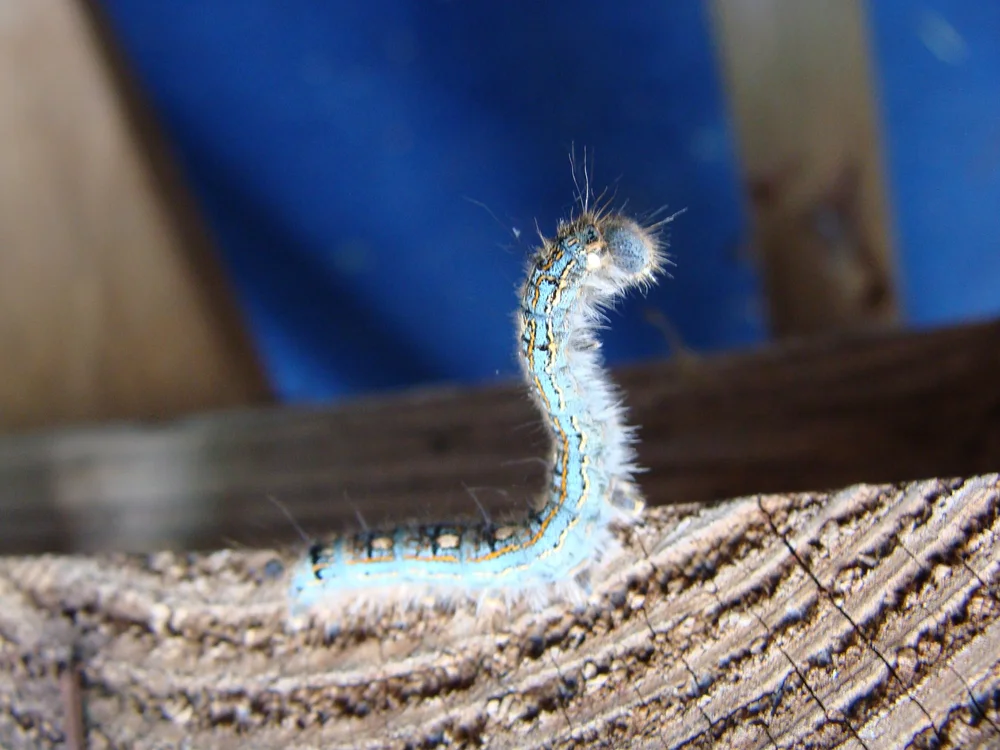
Credit: blog.globaloutdoors.com
Tent Caterpillar Diet
Tent caterpillars are insects that feed on tree leaves. Their diet affects their growth and survival.
They prefer certain trees and change their food based on the season.
Preferred Tree Species
Tent caterpillars like to eat leaves from deciduous trees. These trees lose their leaves in winter.
- Wild cherry trees
- Apple trees
- Maple trees
- Oak trees
- Crabapple trees
Types Of Leaves Consumed
They mainly eat young and soft leaves. These leaves are easier to digest and full of nutrients.
| Leaf Type | Reason for Preference |
| Young leaves | Soft texture and high nutrients |
| Newly grown leaves | More moisture content |
| Older leaves | Less preferred due to toughness |
Seasonal Food Changes
Tent caterpillars adjust their diet as the season changes. This helps them survive through different weather.
- Spring: Eat young leaves as trees start to bloom
- Early summer: Consume mature leaves when young leaves are less available
- Late summer: Reduce feeding as leaves harden and dry

Credit: medium.com
Feeding Behavior
Tent caterpillars feed on the leaves of many trees and shrubs. Their eating habits affect their growth and survival.
Understanding their feeding times and group behavior helps explain how they impact plants.
Daytime Vs Nighttime Feeding
Tent caterpillars mainly eat during the day. They rest inside their silk tents at night to stay safe from predators.
Daytime feeding allows them to use sunlight to navigate and find fresh leaves. At night, they stay still to avoid danger.
Group Feeding Habits
Tent caterpillars feed in groups. This behavior helps them eat faster and protect each other.
- They gather on leaf clusters to feed together.
- Group feeding creates large feeding spots on trees.
- The silk tents serve as a meeting place before and after feeding.
- Working as a group lowers the chance of being eaten by birds.
Impact On Host Plants
| Effect | Description |
|---|---|
| Leaf Loss | Tent caterpillars eat many leaves, causing bare branches. |
| Reduced Growth | Plants lose energy when leaves are eaten, slowing growth. |
| Stress | Heavy feeding can weaken trees and make them more vulnerable. |
| Recovery | Most healthy plants regrow leaves after feeding ends. |
Life Cycle And Eating Patterns
Tent caterpillars go through different stages in their life. Each stage shows unique eating habits. Understanding these can help you know what they eat and how they grow.
Their diet changes from larva to adult moth. This article explores these eating patterns in detail.
Larval Stage Feeding
During the larval stage, tent caterpillars are very active eaters. They mostly feed on leaves and can consume large amounts quickly.
- They prefer the leaves of trees like cherry, apple, and maple.
- Young larvae eat small leaf parts, while older larvae eat whole leaves.
- They often feed in groups inside silk tents they build.
Pupal Stage And Food Intake
In the pupal stage, tent caterpillars stop eating. They stay in a cocoon where they change into moths.
| Stage | Food Intake |
| Larval | High, mostly leaves |
| Pupal | None |
| Adult Moth | Minimal or none |
Adult Moth Feeding
Adult tent moths eat very little. Some do not eat at all because they live only to reproduce.
Those that do feed may drink nectar from flowers. Their main focus is to find mates and lay eggs.
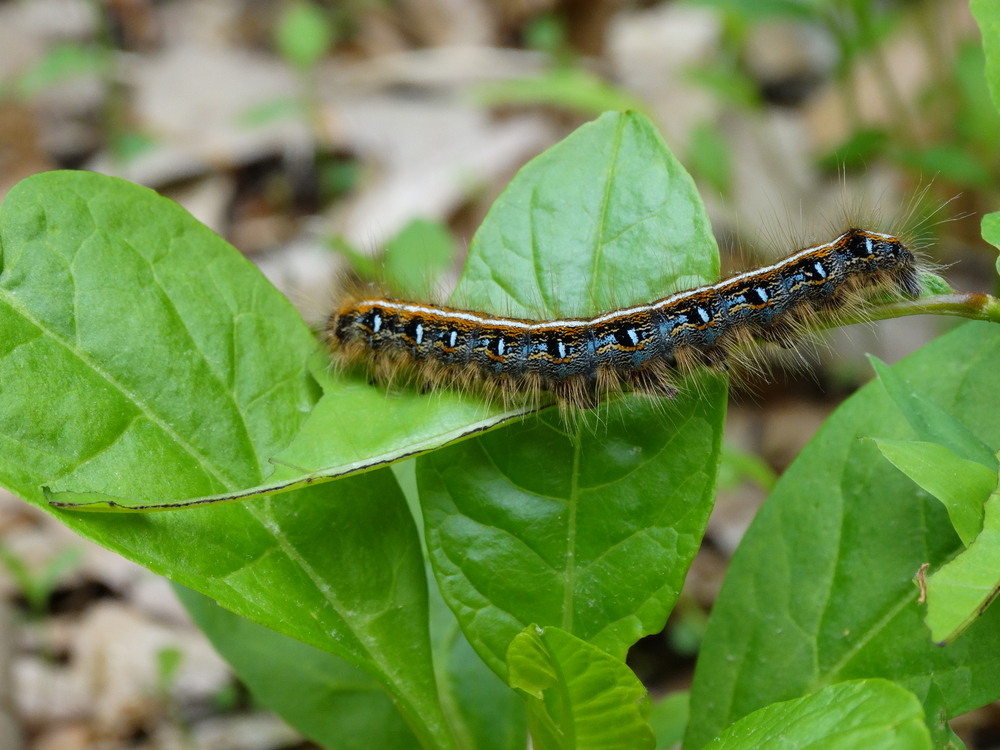
Credit: www.brodybrotherspestcontrol.com
Environmental Impact
Tent caterpillars feed on the leaves of many trees and shrubs. Their eating habits affect forests and gardens. Understanding their impact helps us protect plants and animals.
These insects cause changes in the environment. They influence tree health and support other wildlife. Their role is complex and important to study.
Defoliation Effects
Tent caterpillars eat large amounts of leaves. This causes defoliation, which means trees lose many leaves fast. Trees may stop growing well and look weak. Some trees recover quickly, but others may die if attacked many times.
- Reduces tree growth and fruit production
- Leaves trees open to diseases and pests
- Changes the forest’s look and shade
- Affects animals that live in or eat tree leaves
Role In The Ecosystem
Tent caterpillars play a part in nature’s cycle. They serve as food for many animals. Their feeding helps recycle nutrients back to the soil. This supports new plant growth. They also help control the growth of some tree species, keeping the forest balanced.
| Role | Impact |
| Food source for birds | Supports bird populations |
| Leaf consumption | Controls tree growth |
| Waste production | Enriches soil nutrients |
| Population cycles | Influences predator numbers |
Natural Predators
Many animals eat tent caterpillars. These predators help keep caterpillar numbers low. Birds, wasps, and small mammals are common hunters. They protect trees by reducing defoliation.
- Birds like cuckoos and orioles
- Parasitic wasps that lay eggs on caterpillars
- Bats and small mammals that catch caterpillars at night
- Insect-eating spiders and beetles
Controlling Tent Caterpillars
Tent caterpillars can harm trees and plants by eating their leaves. Controlling them early helps protect your garden. Use safe and effective methods to reduce their numbers.
There are several ways to control tent caterpillars. These include removing them by hand, using natural predators, or applying chemical treatments. Each method has its own benefits and uses.
Manual Removal Techniques
Manual removal is a simple way to lower tent caterpillar populations. You can physically remove their tents and caterpillars from trees. This method works best in early spring before the caterpillars spread.
- Cut out and destroy tents on branches.
- Use gloves to pick caterpillars off plants.
- Prune heavily infested branches if needed.
- Dispose of removed material far from your garden.
Biological Control Methods
Biological control uses natural enemies to reduce tent caterpillar numbers. Birds, parasitic wasps, and beneficial insects can eat or attack the caterpillars. Supporting these creatures can keep pest levels down.
- Encourage birds by putting up birdhouses.
- Avoid broad-spectrum insecticides that kill helpful insects.
- Introduce or protect parasitic wasps in your garden.
- Plant diverse flowers to attract pollinators and predators.
Chemical Treatments
Chemical treatments can control tent caterpillars if other methods fail. Use insecticides carefully and follow label instructions. Choose products that target caterpillars with minimal harm to beneficial insects.
| Type of Insecticide | Application Time | Notes |
| Bacillus thuringiensis (Bt) | Early larval stage | Safe for humans and pets |
| Spinosad | When caterpillars are active | Effective and low toxicity |
| Pyrethroids | Severe infestations | Use with caution, harms beneficial insects |
Frequently Asked Questions
What Do Tent Caterpillars Mainly Eat?
Tent caterpillars primarily feed on the leaves of deciduous trees like cherry, apple, and maple. They prefer tender, young leaves which provide optimal nutrition for growth.
Do Tent Caterpillars Eat Fruit Tree Leaves?
Yes, tent caterpillars often consume leaves from fruit trees such as cherry, apple, and peach. Their feeding can cause significant defoliation and stress to these trees.
Can Tent Caterpillars Harm Tree Health?
Heavy infestations can weaken trees by defoliation, reducing photosynthesis. However, healthy trees usually recover well after tent caterpillar damage.
Are Tent Caterpillars Picky Eaters?
Tent caterpillars prefer certain tree species but can adapt to various deciduous trees. Their choice depends on availability and leaf tenderness.
Conclusion
Tent caterpillars mainly eat leaves from trees like cherry and apple. They can quickly strip branches bare. This eating habit affects tree health and growth. Knowing their diet helps protect your garden or orchard. Watch for their tents in spring to stop damage early.
Controlling their food source limits their spread. Keep trees healthy to resist caterpillar attacks. Simple steps can reduce their impact on plants. Understanding their eating habits is key to managing them. Stay alert and act fast to protect your trees.