
Have you ever faced a sudden health issue and wondered if your urgent care visit will be covered by your insurance? Knowing whether urgent care is covered can save you from unexpected bills and stress.
You’ll discover exactly how insurance companies handle urgent care claims, what factors affect your coverage, and what you should do before you go. Keep reading to make sure you’re prepared the next time you need quick medical attention.
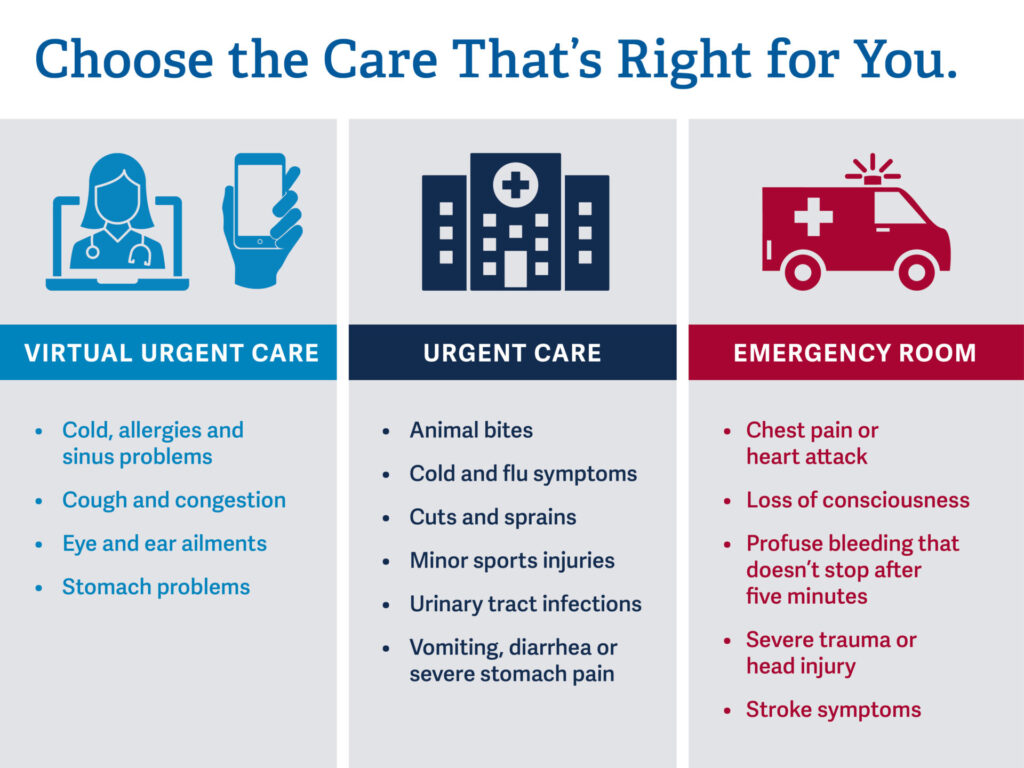
Credit: www.covenanthealth.com
Urgent Care Basics
Urgent care centers provide quick medical help for problems that need attention soon. They are a good option if you cannot see your regular doctor right away.
Many people wonder if urgent care visits are covered by insurance. To understand this, it helps to know what counts as urgent care and why people visit these centers.
What Counts As Urgent Care
Urgent care treats medical issues that are not life-threatening but need quick attention. These centers help when your doctor is closed, or you cannot get an appointment fast.
- Minor cuts and burns
- Sprains and strains
- Mild asthma attacks
- Fever and flu symptoms
- Infections like ear or sinus infections
Common Reasons For Visits
People visit urgent care centers for many reasons. These visits are often faster and less expensive than going to an emergency room.
| Reason for Visit | Description |
| Cold and Flu | Symptoms like cough, sore throat, and fever |
| Minor Injuries | Small cuts, bruises, or broken fingers |
| Allergic Reactions | Mild swelling or rash from allergies |
| Infections | Urinary tract or skin infections |
| Vaccinations | Flu shots and other routine vaccines |

Credit: www.internationalinsurance.com
Insurance Coverage For Urgent Care
Urgent care centers provide quick medical help for non-life-threatening issues. Many people wonder if their insurance covers these visits.
Understanding how insurance plans cover urgent care helps you avoid surprise costs.
How Policies Handle Urgent Care
Most insurance policies cover urgent care visits. Coverage can depend on the reason for the visit and the policy rules.
Some plans require you to get approval before visiting urgent care. Others cover visits without prior permission but may charge different fees.
Differences Between Plans
- Health Maintenance Organization (HMO) plans often require visits to in-network urgent care centers.
- Preferred Provider Organization (PPO) plans allow visits to out-of-network urgent care but may cost more.
- High Deductible Health Plans (HDHP) may require you to pay full price until you meet the deductible.
- Medicare and Medicaid have specific rules on urgent care coverage, varying by state and plan.
In-network Vs Out-of-network
| Type | Cost | Coverage | Authorization |
|---|---|---|---|
| In-Network | Lower copay and coinsurance | Usually fully or mostly covered | Typically not required |
| Out-of-Network | Higher out-of-pocket costs | May be limited or not covered | Often requires prior approval |
Costs And Copays
Urgent care centers offer a faster option for non-life-threatening health issues. Understanding costs and copays helps you plan your visit.
Insurance often covers urgent care, but the amount you pay can vary. Knowing typical fees and how deductibles work is important.
Typical Fees For Urgent Care
Urgent care visits usually cost less than emergency rooms. Your copay depends on your insurance plan.
- Copays often range from $20 to $75 per visit
- Some plans require a percentage of the bill instead of a fixed copay
- Additional tests or treatments may increase your total cost
Impact Of Deductibles
A deductible is the amount you pay before insurance starts helping. If you have not met your deductible, your urgent care cost may be higher.
Once your deductible is met, you usually pay only copays or coinsurance for urgent care visits.
- Deductibles vary widely by insurance plan
- Urgent care costs count toward meeting your deductible
- Checking your deductible status helps avoid surprises
Comparing Urgent Care To Er Costs
Emergency room visits cost much more than urgent care. ERs handle serious emergencies, which raises their fees.
Urgent care is a good choice for minor illnesses or injuries. It saves money and time compared to the ER.
| Type of Care | Average Cost | Typical Copay |
|---|---|---|
| Urgent Care | $100 – $200 | $20 – $75 |
| Emergency Room | $1,000 – $3,000+ | $150 – $500+ |

Credit: www.solvhealth.com
Tips For Using Urgent Care With Insurance
Urgent care centers offer quick medical help for non-emergency issues. Many people wonder if their insurance covers these visits.
Knowing how to use urgent care with insurance can save money and avoid surprises. Here are some helpful tips.
Checking Coverage Before Visits
Check your insurance plan to see if urgent care is covered. Some plans cover urgent care fully, while others may have limits or higher costs.
Call your insurance company or visit their website before going. Ask about co-pays, deductibles, and which urgent care centers are in-network.
- Verify if urgent care visits are covered
- Ask about out-of-pocket costs
- Find in-network urgent care centers
- Confirm if a referral is needed
Choosing The Right Facility
Pick an urgent care center that accepts your insurance plan. Using in-network facilities usually means lower costs.
Look for centers with good reviews and short wait times. Some centers offer online check-ins to save time.
- Use in-network urgent care centers
- Check patient reviews and ratings
- Choose centers with convenient hours
- Consider online check-in options
Submitting Claims Effectively
After your visit, make sure the urgent care center sends the claim to your insurance. Keep your receipts and visit details.
If you get a bill, check it against your insurance benefits. Contact your insurer if you think there is a mistake.
- Confirm the center files your claim
- Keep copies of all bills and receipts
- Review insurance explanation of benefits (EOB)
- Call insurance for help with denied claims
Alternatives To Urgent Care
Urgent care centers offer quick medical help for many health issues. Still, some other options may suit your needs better. Knowing these alternatives can save time and money.
This guide explains three main alternatives: primary care options, telehealth services, and emergency room use. Each has its own benefits and best uses.
Primary Care Options
Primary care providers handle general health problems and long-term care. Visiting your regular doctor can help prevent serious conditions. They know your medical history well.
- Schedule routine check-ups with your doctor.
- Get vaccinations and screenings as advised.
- Ask your provider about minor illnesses or injuries.
- Use walk-in clinics attached to primary care offices.
Telehealth Services
Telehealth lets you see a doctor by video or phone. It works well for simple conditions. You avoid travel and waiting rooms. Many insurance plans cover telehealth visits.
| Condition | Telehealth Suitability |
| Cold or flu symptoms | Good |
| Skin rashes | Good |
| Minor injuries | Depends on severity |
| Chest pain or severe bleeding | Not suitable |
Emergency Room Use
Emergency rooms handle life-threatening problems. Use the ER for serious injuries or illnesses. It is not for minor or routine care. ER visits cost more and take longer.
When to go to the ER:
- Chest pain or difficulty breathing
- Severe bleeding or head injury
- Sudden weakness or numbness
- Signs of stroke or heart attack
Frequently Asked Questions
Is Urgent Care Covered By Most Insurance Plans?
Yes, most insurance plans cover urgent care visits. Coverage depends on your specific policy and network providers. Always check with your insurer before visiting.
How Much Does Urgent Care Cost With Insurance?
Costs vary by insurance plan and copay amounts. Typically, urgent care copays are lower than emergency room fees. Verify your plan details for exact costs.
Does Insurance Cover Urgent Care For Non-emergency Issues?
Insurance generally covers urgent care for minor illnesses and injuries. Non-emergency cases are often eligible, but coverage depends on your plan.
Are Urgent Care Visits Cheaper Than Emergency Room Visits?
Urgent care visits are usually less expensive than ER visits. Insurance copays and coinsurance are typically lower at urgent care centers.
Conclusion
Understanding insurance coverage for urgent care helps avoid surprise bills. Most insurance plans cover urgent care visits, but costs vary. Always check your policy before visiting urgent care centers. Knowing copays and deductibles saves money and stress. Urgent care offers quick help for non-life-threatening issues.
Use it wisely and stay informed about your benefits. This keeps your healthcare experience smooth and affordable.