Have you ever wondered how some buildings stay cool without bulky air conditioners taking up space? A terminal air conditioner might be the answer you’re looking for.
This compact cooling system offers a smart way to control the temperature right where you need it most. If you want to understand how it works and why it could be the perfect fit for your space, keep reading. By the end, you’ll know exactly what makes a terminal air conditioner different—and how it can improve your comfort efficiently.

Credit: www.renosappliance.com
Terminal Air Conditioner Basics
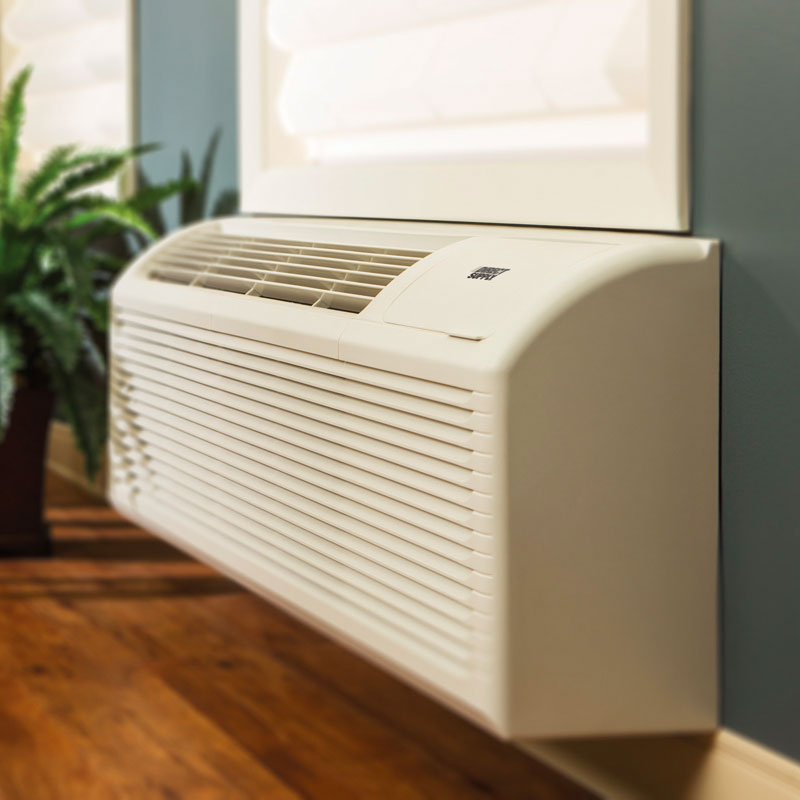
A terminal air conditioner is a device used to cool or heat individual rooms. It is often found in hotels, offices, and apartments. These units provide personal comfort control without affecting the entire building.
Terminal air conditioners are usually installed near windows or walls. They are easy to control and maintain. These units help save energy by cooling only occupied spaces.
Key Features
Terminal air conditioners offer many useful features. They are compact and fit into small spaces. Many models include both cooling and heating functions. Users can adjust the temperature and fan speed easily.
- Compact and space-saving design
- Individual temperature control
- Cooling and heating options
- Simple installation and maintenance
- Energy-efficient operation
Common Types
There are several types of terminal air conditioners. Each type suits different building needs and layouts. Common types include fan coil units, packaged terminal air conditioners, and chilled beam systems.
- Fan Coil Units:Use fans to blow air over coils for heating or cooling.
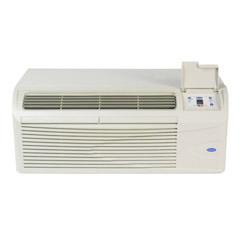
- Packaged Terminal Air Conditioners (PTAC):Self-contained units placed through walls.
- Chilled Beam Systems:Use water to cool air in ceiling units quietly.
How It Works
Terminal air conditioners work by moving air over cooling or heating elements. They use refrigerants or hot water to change the air temperature. A fan then circulates the conditioned air into the room.
Thermostats control the temperature by turning the system on or off. This keeps the room comfortable and saves energy. Some units also filter the air to improve indoor air quality.
Benefits Of Terminal Air Conditioners
Terminal air conditioners are units installed in rooms or spaces to control temperature. They offer many advantages for homes and offices.
These air conditioners help keep spaces comfortable while saving energy and space. They are easy to install and maintain.
Energy Efficiency
Terminal air conditioners use less energy compared to central systems. They cool only the rooms that need it, reducing power use.
Lower energy use means smaller electricity bills and less strain on power sources. This helps the environment too.
Space Saving Design
These units are compact and fit into small wall or window spaces. They do not take up floor space, leaving rooms free.
The slim design makes terminal air conditioners ideal for rooms with limited space or unusual layouts.
Ease Of Installation
Terminal air conditioners are simple to install. They usually need only a small opening in the wall or window.
Installation does not require complex ductwork or major changes. This saves time and lowers installation costs.
Applications And Use Cases
Terminal air conditioners provide focused cooling in specific areas. They are useful for places where central systems do not fit well.
These units are flexible and can be used in many settings. Their design allows easy installation and control.
Residential Settings
Terminal air conditioners help cool single rooms in homes. They work well in spaces without central air systems.
These units are good for bedrooms, home offices, or small living areas. They save energy by cooling only needed spaces.
- Cooling rooms without central HVAC
- Supplementing existing home cooling
- Easy to install in apartments or condos
Commercial Buildings
Terminal air conditioners serve offices, shops, and hotels. They cool zones independently for better comfort.
These systems fit well in buildings with many small rooms. They help reduce energy costs by avoiding full-building cooling.
- Office room climate control
- Hotel guest room cooling
- Retail store zone cooling
Industrial Environments
Terminal air conditioners cool specific work areas in factories or warehouses. They protect equipment and workers from heat.
They can operate in tough conditions and are easy to maintain. These units help keep production areas comfortable and safe.
- Cooling machinery and control rooms
- Maintaining worker comfort in hot zones
- Protecting sensitive equipment from heat

Credit: www.homelectrical.com
Choosing The Right Unit
Terminal air conditioners cool specific areas effectively. Picking the right unit ensures comfort and saves energy.
Understanding size, controls, and noise helps you choose a unit that fits your needs well.
Sizing And Capacity
Choose a unit size that matches the room size. Too big or too small units waste energy and reduce comfort.
Check the cooling capacity, measured in BTUs. Larger rooms need units with higher BTUs.
- Small rooms (up to 200 sq ft): 5,000 to 6,000 BTU
- Medium rooms (200-400 sq ft): 7,000 to 10,000 BTU
- Large rooms (400+ sq ft): 12,000+ BTU
Control Options
Look for units with easy-to-use controls. Some have manual knobs, while others offer digital or remote controls.
Advanced controls let you set timers and adjust temperature precisely. This can save energy and increase comfort.
- Manual controls: simple and reliable
- Digital controls: precise temperature settings
- Remote controls: adjust from anywhere in the room
- Smart controls: connect to apps or smart home systems
Noise Levels
Noise is important if you use the unit in bedrooms or offices. Check the decibel (dB) rating before buying.
Lower dB means quieter operation. Some units have noise-reducing features or special designs for quiet cooling.
- Less than 50 dB: very quiet, good for bedrooms
- 50-60 dB: moderate noise, suitable for living rooms
- Above 60 dB: louder, better for garages or workshops
Installation And Maintenance Tips
Terminal air conditioners cool specific rooms or spaces efficiently. Proper installation and upkeep keep them running well. This guide shares useful tips for both.
Following simple steps helps avoid problems and extends the unit’s life. Read on for advice on installation, maintenance, and fixing common issues.
Professional Vs Diy Installation
Installing a terminal air conditioner needs care and skill. You can hire a professional or try it yourself. Each choice has pros and cons.
Professionals ensure safe setup and correct connections. DIY saves money but risks mistakes. Check your skills before starting.
- Professionals have tools and experience for proper installation
- DIY saves cost but requires careful reading of instructions
- Wrong installation can cause leaks or poor cooling
- Proper placement affects airflow and efficiency
Regular Maintenance Tasks
Regular care keeps your air conditioner working well. Clean parts and check settings often. This stops problems before they start.
- Clean or replace air filters every 1-3 months
- Check and clear the drain line to avoid water damage
- Inspect electrical connections for wear or damage
- Clean the coils to improve cooling efficiency
- Test thermostat settings for correct operation
Troubleshooting Common Issues
Some problems can be fixed easily without experts. Knowing common issues helps you act fast and save money.
- Unit not cooling: Check if filters are dirty or blocked
- Strange noises: Look for loose parts or debris inside
- Water leaks: Clear clogged drain lines or pans
- Unit won’t start: Test power supply and thermostat settings
- Foul smells: Clean filters and coils to remove mold
Credit: wheatandsons.com
Comparing With Other Ac Systems
A terminal air conditioner is a self-contained cooling unit. It works well for single rooms or small spaces. Comparing it with other air conditioning types helps to see its strengths and limits.
This guide looks at terminal AC versus central air conditioning, window units, and split systems. Each type has unique features and uses.
Vs. Central Air Conditioning
Central air conditioning cools entire buildings with ductwork. Terminal ACs cool specific areas without ducts. Terminal units are easier to install. They cost less upfront but may use more energy for large spaces.
- Central AC cools many rooms at once.
- Terminal AC cools single rooms or zones.
- Central AC needs duct installation.
- Terminal AC is ductless and flexible.
- Central AC has higher installation costs.
- Terminal AC units are cheaper to buy and install.
Vs. Window Units
Window units fit into a window opening. Terminal ACs are often floor or wall mounted. Terminal units can be more powerful and quieter. Window units block the window and may let in outside noise.
| Feature | Terminal AC | Window Unit |
| Installation Location | Wall or floor | Window |
| Noise Level | Lower | Higher |
| Power | Higher cooling capacity | Lower cooling capacity |
| Window Access | Does not block window | Blocks window |
| Security | Better, no open window | Less secure due to open window |
Vs. Split Systems
Split systems have two parts: an indoor and an outdoor unit. Terminal ACs are single units that sit inside the room. Split systems often cool multiple rooms with one outdoor unit. Terminal ACs give more control over individual room cooling.
- Split systems need outdoor space for the compressor.
- Terminal ACs fit entirely inside the building.
- Split systems can connect to several indoor units.
- Terminal ACs serve one room only.
- Terminal ACs are easier to move or replace.
Frequently Asked Questions
What Is A Terminal Air Conditioner Used For?
A terminal air conditioner cools or heats specific rooms or zones. It provides targeted comfort without affecting the entire building. These units are common in offices, hotels, and apartments where individual temperature control is needed.
How Does A Terminal Air Conditioner Work?
Terminal air conditioners use a fan coil unit connected to a chilled water or refrigerant system. The fan blows air over cooled or heated coils, then circulates it into the room. This method efficiently controls temperature in designated spaces.
What Are The Benefits Of Terminal Air Conditioners?
Terminal air conditioners offer energy savings, precise temperature control, and easy installation. They reduce energy waste by cooling only occupied zones. Their compact design fits well in various indoor settings, improving comfort and flexibility.
Are Terminal Air Conditioners Energy Efficient?
Yes, terminal air conditioners are energy efficient for zone-based cooling. They avoid cooling unoccupied areas, reducing overall energy use. Modern models include smart controls to optimize performance and lower electricity bills.
Conclusion
Terminal air conditioners cool specific rooms or areas effectively. They are easy to install and save energy. These units provide comfort without cooling the entire building. Their compact size fits well in small spaces. Understanding how they work helps you choose the right system.
Terminal air conditioners offer a practical solution for targeted cooling needs. Simple to operate and maintain, they suit many places. Consider them for efficient and cost-friendly cooling options.