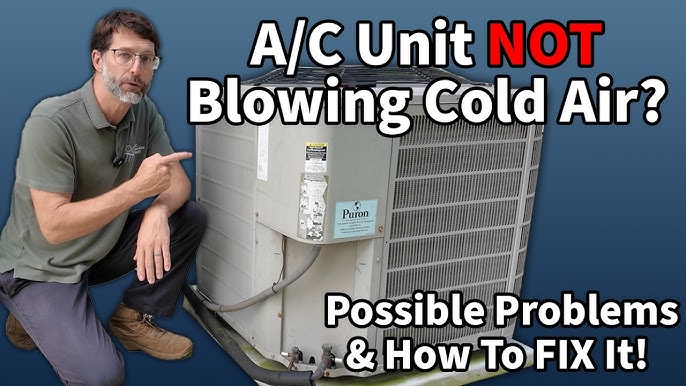
Is your central air conditioner not cooling like it used to? You’re not alone, and the good news is that many common AC problems can be fixed without calling a costly technician.
Imagine enjoying cool, refreshing air again without the hassle or expense. In this guide, you’ll discover simple, effective steps to diagnose and fix your central air conditioner. Keep reading—you’re just a few easy fixes away from beating the heat and saving money.
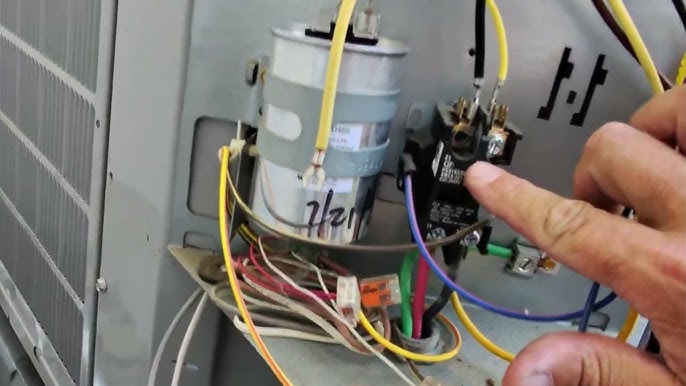
Credit: www.youtube.com
Common Ac Issues
Central air conditioners can stop working properly for many reasons. Knowing common problems helps you fix them fast.
This guide covers common AC issues like no cooling, weak airflow, strange noises, and water leaks.
No Cooling
If your AC runs but does not cool, check the thermostat settings first. Make sure it is set to cool mode and the temperature is low enough.
Dirty air filters or low refrigerant levels can also cause no cooling. Clean or replace filters and call a technician to check refrigerant.
Weak Airflow
Weak airflow means less cool air circulates in your home. This can be caused by clogged filters, blocked vents, or a failing blower fan.
- Check and clean air filters regularly
- Remove any objects blocking vents
- Inspect the blower fan for damage
- Ensure ductwork is not leaking or crushed
Strange Noises
Unusual sounds from your AC can signal different problems. Rattling might mean loose parts. Squealing often comes from a worn belt or motor.
| Noise Type | Possible Cause | Action |
| Rattling | Loose screws or panels | Tighten screws or panels |
| Squealing | Worn belt or motor issue | Replace belt or call technician |
| Buzzing | Electrical problems | Check wiring or hire electrician |
Water Leaks
Water leaking near your AC usually means a blocked drain line or frozen coils. Clear the drain line with a wet/dry vacuum or warm water.
Check these points if you see water leaks:
- Drain line blockage
- Dirty air filters causing coil freezing
- Improper unit tilt
- Damaged condensate pan

Credit: www.furnaceprices.ca
Basic Troubleshooting Steps
Fixing a central air conditioner starts with simple checks. These steps help find common problems fast.
Try these basic troubleshooting tips before calling a technician. They are easy and safe to do.
Check Thermostat Settings
Look at your thermostat to make sure it is set to cool mode. Sometimes settings change by accident.
Also, check the temperature setting. It should be lower than the room temperature for cooling.
- Set thermostat to “Cool” mode
- Lower temperature below room temperature
- Replace batteries if the display is off
Inspect Air Filter
A dirty air filter blocks airflow and makes the AC work harder. Check if the filter looks dirty.
Replace or clean the filter if it is clogged. This helps the system cool better and saves energy.
- Turn off the AC before removing the filter
- Look for dust, dirt, or debris on the filter
- Clean or replace filter every 1-3 months
Examine Circuit Breaker
Check your home’s circuit breaker to see if the AC power is off. Sometimes breakers trip and stop power.
Reset the breaker by flipping it off and back on. If it trips again, do not reset repeatedly and call a pro.
- Find the breaker box in your home
- Look for a tripped breaker switch
- Flip the switch fully off, then on
Clear Debris Around Unit
Outdoor units can get blocked by leaves, grass, or dirt. This stops airflow and cooling power.
Remove any debris around the unit. Keep at least two feet of clear space to let air flow freely.
- Turn off power before cleaning
- Clear leaves, branches, and dirt
- Trim plants near the unit
- Keep the area clean to improve efficiency
Fixing Cooling Problems
Central air conditioners sometimes stop cooling properly. You can fix many issues yourself. Simple checks can save you time and money.
Below are easy ways to fix common cooling problems. These tips help your air conditioner work better.
Reset Thermostat
Sometimes the thermostat needs a reset to work correctly. This can fix issues with cooling not starting or stopping unexpectedly.
- Turn off the thermostat and the air conditioner power.
- Remove the thermostat cover carefully.
- Check for any loose wires and reconnect them.
- Replace the batteries if the thermostat uses them.
- Put the cover back on and turn the power on.
- Set the thermostat to your desired temperature.
Replace Air Filter
A dirty air filter blocks airflow and reduces cooling. Replace the filter every 1 to 3 months to keep air clean and cool.
| Filter Type | Replacement Frequency | Signs to Replace |
|---|---|---|
| Fiberglass | Every 30 days | Visible dirt, reduced airflow |
| Pleated | Every 90 days | Dust buildup, bad smell |
| HEPA | Every 6 months | Air feels dusty or stuffy |
Clean Condenser Coils
Dirty condenser coils cause poor cooling and higher energy use. Cleaning them helps your air conditioner run well.
To clean the condenser coils:
- Turn off the power to the unit.
- Remove debris like leaves and grass around the unit.
- Use a soft brush to gently clean the coils.
- Spray coils with a hose to remove dirt (do not use high pressure).
- Let the coils dry before turning the power back on.
Improving Airflow
Good airflow helps your central air conditioner cool your home better. Fixing airflow issues can make your system work more efficiently.
Here are some ways to improve airflow by unblocking vents, cleaning evaporator coils, and checking ductwork.
Unblock Vents
Blocked vents stop cool air from moving through your home. Make sure all vents are open and clear of furniture or curtains.
Check each vent for dust or debris. Clean vents with a vacuum or damp cloth to keep air flowing well.
- Remove any objects covering vents
- Vacuum dust from vent covers regularly
- Keep vents fully open for better airflow
Clean Evaporator Coils
Evaporator coils cool the air inside your AC. Dirty coils block airflow and reduce cooling power.
Turn off the power before cleaning. Use a soft brush or coil cleaner to remove dirt and dust from the coils.
- Switch off the AC power for safety
- Use a brush to gently clean coil surfaces
- Apply coil cleaner if coils are very dirty
- Allow coils to dry before turning the AC back on
Check Ductwork
Leaky or blocked ducts reduce airflow and waste energy. Inspect ductwork for holes, loose connections, or debris.
Seal gaps with duct tape or mastic sealant. Clear any blockages to help air flow freely through your ducts.
- Look for holes or loose joints in ducts
- Seal leaks with proper duct tape or sealant
- Clear any dirt or debris inside ducts
- Call a professional if ducts need major repairs
Addressing Water Leaks
Water leaks in a central air conditioner can cause damage and reduce efficiency. Fixing these leaks quickly keeps your system working well.
Most water leaks come from clogged or broken parts. Check these areas to stop leaks and protect your home.
Clear Drain Line
The drain line removes water from the AC unit. If it gets clogged, water will leak inside.
Use a wet/dry vacuum or a pipe cleaner to clear dirt and debris. Flush the line with water afterward.
- Turn off the AC power first
- Locate the drain line outside your home
- Use a vacuum or pipe cleaner to clear the clog
- Flush with water to check flow
Check Condensate Pump
The condensate pump moves water from the drain pan outside. If it fails, water may leak inside.
Listen for the pump running when the AC is on. Clear any blockages and test the pump by pouring water in the pan.
- Inspect the pump for damage
- Clear any debris around the pump
- Pour water into the pan to check if the pump works
- Replace the pump if it does not run
Inspect Drain Pan
The drain pan collects water from the evaporator coil. If it is cracked or full, leaks occur.
Look for cracks or rust in the pan. Empty water from the pan and replace it if damaged.
- Turn off the AC before inspection
- Check for rust, holes, or cracks in the pan
- Empty water if the pan is full
- Replace the pan if it is damaged

Credit: aristotleair.com
Handling Strange Noises
Strange noises from your central air conditioner can signal a problem. Fixing them early helps avoid bigger issues. This guide shows simple ways to handle these noises safely.
Check for loose parts, lubrication needs, and worn belts. Each can cause unusual sounds. Follow the tips below to fix these common causes.
Tighten Loose Parts
Loose screws and bolts can make rattling or banging sounds. Inspect the AC unit’s panels, fan blades, and mounting brackets. Use a screwdriver or wrench to tighten any loose parts you find.
Lubricate Moving Components
Friction in moving parts can cause squeaking or grinding noises. Lubricate the motor bearings and fan shafts to reduce noise and wear. Use a light machine oil designed for AC units.
- Turn off the power before lubricating.
- Remove any dust or debris around moving parts.
- Apply a few drops of oil to bearings and shafts.
- Wipe off excess oil to avoid dirt buildup.
- Run the unit to check if noise has reduced.
Replace Worn Belts
Worn or cracked belts cause squealing or slapping sounds. Check the belt tension and condition regularly. Replace the belt if it looks damaged or loose.
| Signs of Worn Belt | Action Needed |
| Cracks or frays | Replace belt |
| Slipping or loose belt | Tighten or replace |
| Squealing noise during operation | Inspect and replace if needed |
When To Call A Professional
Fixing a central air conditioner can be tricky. Some problems need a skilled technician.
Knowing when to call a professional saves time and avoids more damage.
Refrigerant Issues
Low or leaking refrigerant causes poor cooling. It can harm the environment.
Only trained technicians can safely handle refrigerant. They find and fix leaks properly.
- Reduced cooling performance
- Ice buildup on coils
- Hissing sounds near the unit
Electrical Problems
Electrical issues can stop your air conditioner from working. They may cause sparks or shorts.
Only a professional should handle wiring and electrical parts. It is dangerous for untrained people.
- Frequent tripped breakers
- Burning smells near the unit
- Unit won’t turn on at all
Compressor Failure
The compressor is the heart of the air conditioner. If it fails, the unit stops cooling.
Repairing or replacing a compressor needs special tools and skills. Call a professional immediately.
- Loud banging or humming noises
- Unit runs but no cold air
- Frequent cycling on and off
Frequently Asked Questions
How Do I Troubleshoot My Central Air Conditioner?
Start by checking the thermostat settings and power supply. Clean or replace air filters regularly. Inspect the outdoor unit for debris and ensure proper airflow. Reset the system by turning it off and on again. If issues persist, call a professional technician.
Why Is My Central Ac Not Cooling Properly?
Poor cooling can result from dirty filters, blocked vents, or low refrigerant levels. Also, check if the thermostat is set correctly. Regular maintenance helps avoid these issues. If cooling problems continue, seek professional service to diagnose and fix the problem.
How Often Should I Clean Central Ac Filters?
Clean or replace filters every 1 to 3 months, depending on usage. Dirty filters reduce airflow and efficiency. Regular cleaning improves air quality and extends the system’s lifespan. Always follow manufacturer guidelines for filter maintenance to keep your AC running smoothly.
When Should I Call A Professional For Ac Repair?
Call a professional if your AC leaks water, makes strange noises, or fails to cool. Also, seek help if the unit frequently cycles on and off. Regular professional inspections ensure safety and efficient performance, preventing costly breakdowns.
Conclusion
Fixing a central air conditioner can save money and extend its life. Start with simple steps like checking filters and power supply. Clean the coils and clear debris around the unit. Keep an eye on unusual noises or smells. Regular care prevents bigger problems later.
For complex issues, call a professional. Taking these actions helps your home stay cool and comfortable. Stay proactive, and your air conditioner will work better longer. Easy maintenance makes a big difference.