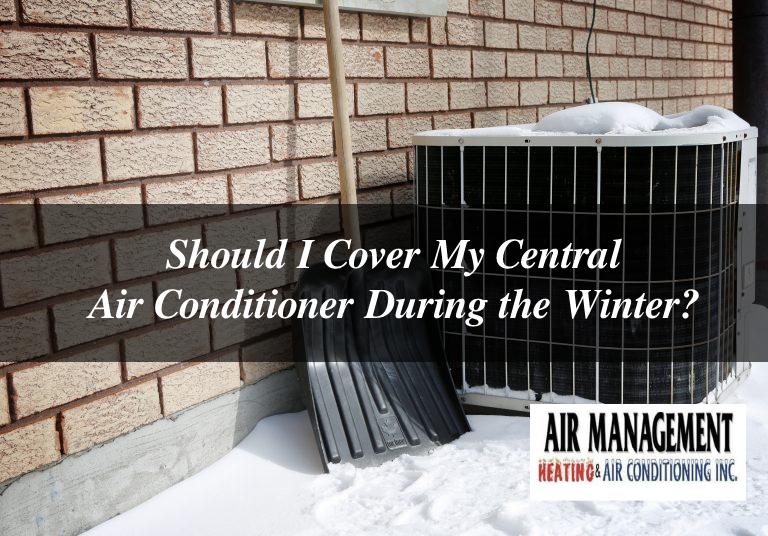
When winter arrives, you might wonder if you should cover your air conditioner. You want to protect your unit, save money, and avoid damage.
But is covering it really necessary? Could it cause more harm than good? Understanding the right way to care for your air conditioner during the cold months can save you from costly repairs and headaches. Keep reading to discover what experts recommend and how you can keep your AC in top shape all year long.
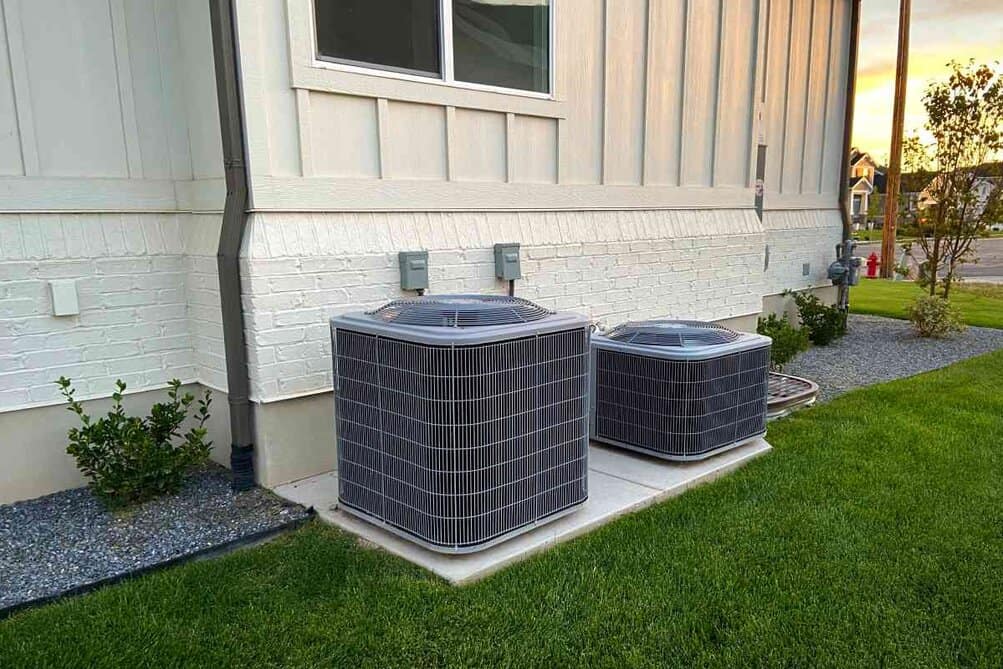
Credit: www.furnaceprices.ca
Why Covering Matters
Covering your air conditioner in winter helps protect it from damage. Cold weather and bad weather can cause problems.
Knowing why covering matters can help you keep your air conditioner safe. It also saves you money on repairs.
Protection From Elements
Winter weather brings rain, snow, and ice. These elements can harm your air conditioner.
A cover blocks water and ice from getting inside the unit. It also stops leaves and dirt from building up.
- Keeps snow and ice off the unit
- Prevents water from seeping in
- Stops leaves and debris from clogging parts
Potential Risks Of Exposure
Leaving your air conditioner uncovered can cause damage. Water can freeze inside and break parts.
Exposure to dirt and animals can also cause problems. Small animals may build nests inside.
- Frozen water can crack the unit
- Debris can block airflow
- Animals may damage wiring or insulation
Types Of Air Conditioner Covers
Covering your air conditioner in winter can protect it from cold and debris. Choosing the right cover helps keep your unit safe and lasting longer.
There are different types of covers available. Each type uses various materials and fits in specific ways. Knowing these details helps you pick the best cover.
Materials Used
Air conditioner covers come in many materials. Some are waterproof, while others protect from dust and dirt. The material affects how well the cover works during winter.
- Vinyl:Strong and waterproof. It stops rain and snow from reaching the unit.
- Polyester:Lightweight and breathable. It keeps moisture out but allows air to flow.
- Canvas:Heavy-duty and durable. It protects against dirt and falling leaves.
- Plastic:Cheap but less durable. It may trap moisture, causing rust.
Choosing The Right Fit
| Cover Type | Fit Style | Best For |
| Zip-Up Cover | Snug fit with zipper | Easy to install and remove |
| Elastic Hem Cover | Stretchy bottom edge | Secure fit around unit base |
| Custom Fit Cover | Tailored to unit size | Maximum protection with no gaps |
| Universal Cover | Adjustable straps or ties | Fits many unit sizes |
Select a cover that fits well. A loose cover can let cold air in. A tight cover keeps the unit safe and dry.
Pros Of Covering Your Ac
Covering your air conditioner in winter can protect it from damage. It keeps the unit safe during months when it is not in use.
Many people wonder if covering the AC helps with maintenance. There are clear benefits to using a cover during cold months.
Preventing Debris Build-up
A cover stops leaves, dirt, and other debris from collecting inside the AC unit. This keeps the system cleaner for spring.
Removing debris before using the AC takes time. A cover reduces the need for frequent cleaning and helps your AC run better.
- Blocks leaves and twigs
- Prevents dirt and dust entry
- Reduces bird nests and insect homes
- Keeps the fan and coils clear
Reducing Moisture Damage
A cover helps keep rain and snow off the AC unit. This lowers the risk of rust and water damage to metal parts.
Moisture can cause mold and corrosion inside the AC. Covering it stops water from entering and keeps the parts dry.
- Prevents rust on metal parts
- Stops mold and mildew growth
- Keeps electrical parts safe from water
- Extends the life of your AC unit

Credit: kayplumbing.com
Cons Of Covering Your Ac
Covering your air conditioner in winter may seem like a good idea. Some people think it protects the unit from dirt and snow.
But there are some risks that come with covering your AC. These risks can cause damage instead of protection.
Risk Of Trapping Moisture
When you cover your AC, moisture can get trapped inside the cover. This happens because the cover blocks airflow.
Trapped moisture can cause rust and damage to metal parts. It can also make the unit work less efficiently.
- Moisture stays inside the cover
- Rust forms on metal components
- Parts can wear out faster
- Airflow is blocked, causing dampness
Possible Mold Growth
Mold likes dark and damp places. Covering your AC can create a perfect spot for mold to grow.
Mold inside your AC can cause bad smells and harm air quality. It can also damage the unit’s parts.
- Trapped moisture feeds mold growth
- Mold can spread inside the unit
- Bad smells come from mold
- Air quality may become poor
Expert Recommendations
Many homeowners ask if they should cover their air conditioner during winter. Protecting the unit can help it last longer. But covering it is not always necessary or helpful.
Experts offer clear advice on when to cover your air conditioner and when to leave it uncovered. This guide will explain the best choices for your unit.
When To Cover
You should cover your air conditioner in winter if you want extra protection from weather and debris. Covers can help prevent damage from snow, ice, and leaves.
- If your unit is older or has exposed parts, cover it to avoid rust and corrosion.
- Cover the unit if you live in a region with heavy snowfall or strong winter storms.
- Use a breathable cover to stop moisture buildup inside the unit.
- Cover the air conditioner if you plan not to use it for several months.
When To Leave It Uncovered
Experts say leaving the air conditioner uncovered is best in many cases. Modern units are built to handle winter weather without covers.
| Condition | Recommendation |
|---|---|
| Mild winter climate | Leave uncovered |
| Unit has good weather-resistant coating | Leave uncovered |
| Use a cover that traps moisture | Avoid covering |
| Risk of animals nesting in unit | Cover with breathable material |
Leaving the unit uncovered lets moisture escape. Covers that trap moisture can cause rust. Always check the manufacturer’s advice for your specific air conditioner model.
Maintenance Tips For Winter
Winter can be tough on your air conditioner. Proper care helps it stay in good shape. This guide shares simple tips to maintain your unit during cold months.
Covering the air conditioner might seem helpful, but maintenance is more important. Cleaning and checking the unit keeps it safe and ready for next summer.
Cleaning Before Storage
Cleaning your air conditioner before winter stops dirt and debris from building up. Clean parts work better and last longer.
- Turn off and unplug the unit before cleaning.
- Remove and clean the filters with warm soapy water.
- Use a soft brush to clear dust from coils and fins.
- Wipe down the outside with a damp cloth.
- Let all parts dry completely before covering or storing.
Regular Inspections
Check your air conditioner often during winter to spot any problems early. Small issues can become big if left alone.
| Inspection Item | What to Look For | Action Needed |
| Exterior Cover | Tears or holes | Repair or replace cover |
| Drainage | Blockages or leaks | Clear blockage and fix leaks |
| Electrical Parts | Loose connections or corrosion | Tighten and clean connections |
| Unit Stability | Wobbly or uneven placement | Secure unit on a level surface |

Credit: childresshvac.com
Frequently Asked Questions
Should I Cover My Air Conditioner In Winter?
Covering your air conditioner in winter is optional. A breathable cover protects it from debris and snow. Avoid airtight covers to prevent moisture buildup and rust. Proper drainage and airflow are essential to maintain the unit’s condition during cold months.
What Type Of Cover Is Best For Winter Ac Protection?
Use a breathable, waterproof cover designed for air conditioners. It blocks debris and moisture while allowing airflow. Avoid plastic tarps or airtight covers, as they trap moisture and cause rust. A fitted cover ensures proper protection without damaging the unit.
Can Leaving My Ac Uncovered Cause Damage In Winter?
Leaving your AC uncovered may expose it to debris, snow, and ice. This can cause rust or mechanical issues. However, modern units are built to withstand weather. Covering is recommended mainly in areas with heavy snow or falling debris.
How Does Covering An Ac Unit Prevent Winter Damage?
Covering prevents leaves, dirt, and snow from entering the AC unit. It helps reduce corrosion and mechanical wear. A proper cover also protects electrical components from moisture. This extends your unit’s lifespan and reduces maintenance needs.
Conclusion
Covering your air conditioner in winter can protect it from dirt and snow. A simple cover helps keep debris out. But too much moisture trapped inside can cause damage. Choose a breathable cover to avoid problems. Clean the unit before covering to keep it fresh.
This small step helps your AC last longer. Think about your local weather before deciding. A good winter routine keeps your AC ready for summer. Taking care now saves money later. Simple actions make a big difference.