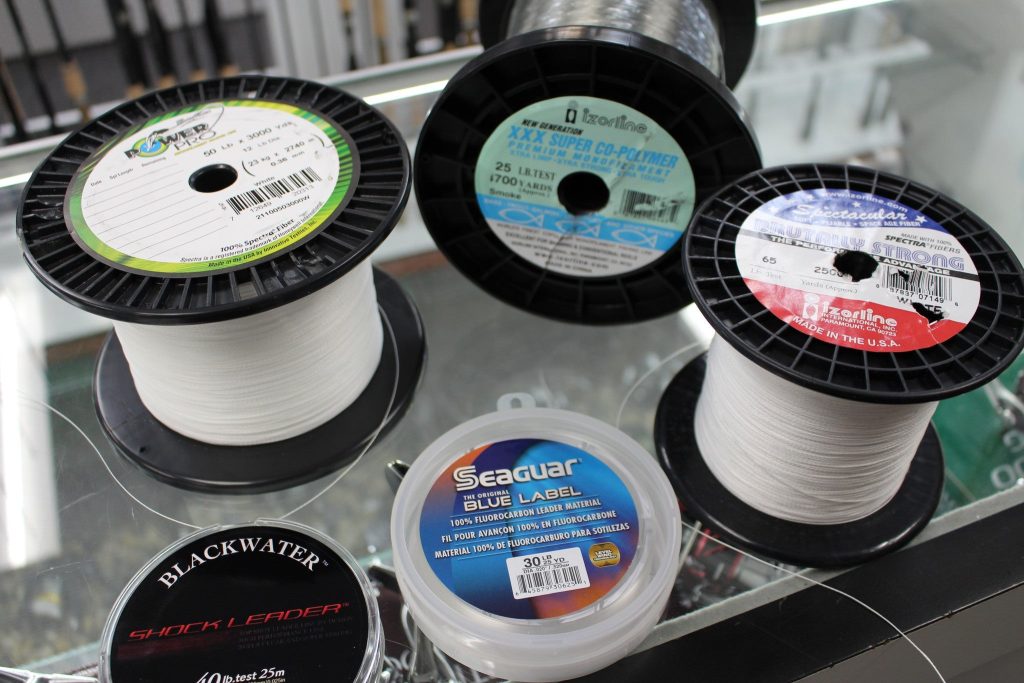
Choosing the right pound test fishing line can make or break your fishing trip. You might wonder which strength suits your needs best or how to avoid snapping your line at the worst moment.
Whether you’re a beginner or looking to improve your skills, understanding what pound fishing line to use is key to catching more fish and enjoying every cast. Keep reading, and you’ll discover simple tips that will help you pick the perfect line for your next adventure.

Credit: www.reddit.com
Choosing Line Strength
Picking the right pound fishing line matters for a good fishing experience. The strength of the line must match the fish you want to catch.
Too weak a line can break easily. Too strong a line may reduce sensitivity and casting distance. Let’s look at how to choose the best line strength.
Matching Line To Fish Size
Fish size helps decide the pound test of your fishing line. Bigger fish need stronger lines to avoid breaking.
| Fish Type | Suggested Line Strength (pounds) |
| Small Panfish | 2-6 lbs |
| Trout | 4-8 lbs |
| Bass | 8-12 lbs |
| Walleye | 8-14 lbs |
| Catfish | 12-20 lbs |
| Salmon | 12-20 lbs |
| Large Saltwater Fish | 20+ lbs |
Considering Fishing Environment
The environment affects the line choice. Clear water and heavy cover need different line strengths.
- Clear water: Use lighter line for less visibility
- Weeds and rocks: Use stronger, abrasion-resistant line
- Saltwater: Use corrosion-resistant and stronger line
- Deep water: Use heavier line to handle pressure and big fish
Balancing Strength And Sensitivity
Stronger lines resist breaking but feel less bite sensitivity. Lighter lines give better feel but can snap easier.
| Line Strength | Benefits | Drawbacks |
|---|---|---|
| Light (2-6 lbs) | High sensitivity, better casting | Breaks easily on big fish |
| Medium (8-14 lbs) | Good balance of strength and feel | May be visible in clear water |
| Heavy (20+ lbs) | Strong, resists abrasion | Less sensitive, harder to cast |
Types Of Fishing Lines
Choosing the right fishing line is important for a good fishing experience. Different lines work best for different fishing needs.
Fishing lines come in several types. Each type has unique features and uses.
Monofilament Lines
Monofilament lines are made from a single strand of nylon. They are flexible and easy to handle. These lines stretch under pressure, which helps absorb shocks from fish.
They are good for beginners and work well in many fishing situations. Monofilament is also less visible underwater, which can help catch shy fish.
Braided Lines
Braided lines are made from several fibers woven together. They are very strong and have little to no stretch. This makes them good for fishing big or fast fish.
- High strength for small diameter
- Very sensitive to fish bites
- Good for deep water fishing
- Less visible above water but more visible underwater
Fluorocarbon Lines
Fluorocarbon lines are made from a special plastic that sinks faster than other lines. They are nearly invisible underwater, which makes them great for clear water fishing.
| Feature | Benefit |
| Low visibility underwater | Better for shy fish |
| High abrasion resistance | Lasts longer near rocks and weeds |
| Sinks quickly | Good for deep fishing |
| Less stretch than monofilament | More control on hooksets |
Factors Influencing Pound Test
Choosing the right pound test for your fishing line depends on several key factors. These factors help match the line strength to your fishing needs.
Understanding these factors can improve your fishing experience and reduce line breakage or loss.
Water Conditions
Water type and environment affect the pound test you should use. Saltwater is harsher on fishing line than freshwater. Rough water or areas with rocks and debris require stronger lines.
- Saltwater needs higher pound test for durability
- Freshwater allows for lighter pound test lines
- Rocky or rough areas require tough, abrasion-resistant lines
- Clear water may need lighter line for better stealth
Rod And Reel Compatibility
Your rod and reel set limits the pound test you can use. Using a line that is too strong or too weak can cause problems. Matching line strength to your gear ensures smooth casting and better control.
| Rod Type | Recommended Pound Test | Reel Capacity |
|---|---|---|
| Light Spinning Rod | 4-8 lb | 100-150 yards |
| Medium Baitcasting Rod | 10-20 lb | 150-200 yards |
| Heavy Saltwater Rod | 30-50 lb | 200+ yards |
Target Species Behavior
Different fish species have different behaviors. Some fight hard and need stronger line. Others are smaller or less aggressive and can be caught with lighter line.
- Fast, strong fish need higher pound test line
- Small or timid fish require lighter, less visible line
- Fish in heavy cover need abrasion-resistant line
- Consider fish mouth size for hook and line strength
Common Pound Ratings And Uses
Fishing line strength is measured in pounds (lbs). It shows how much weight the line can hold before breaking. Choosing the right pound rating helps catch fish without losing them.
Different fish need different line strengths. Small fish need lighter lines, and big fish need heavier ones. This guide explains common pound ratings and their uses.
Light Lines For Panfish
Light fishing lines usually range from 2 to 6 pounds. These lines are thin and easy to cast. They work well for small, gentle fish like panfish.
Panfish include bluegill, crappie, and perch. They do not fight hard, so light lines help feel their bites better. Light lines also make fishing more fun for beginners.
- 2 to 6 lbs line strength
- Good for small hooks and light lures
- Use in calm, clear water
- Best for panfish like bluegill and crappie
Medium Lines For Bass
Medium lines range from 8 to 15 pounds. These lines are thicker and stronger. They work well for bass, which are bigger and fight harder than panfish.
Bass fishing needs lines that can handle sharp teeth and fast runs. Medium lines give good balance between strength and flexibility. They also help cast larger lures.
- 8 to 15 lbs line strength
- Suitable for most freshwater fish
- Works well with medium-sized hooks and lures
- Ideal for largemouth and smallmouth bass
Heavy Lines For Large Fish
Heavy lines have strengths from 20 pounds and above. These lines are thick and very strong. They help catch large fish like catfish, pike, or saltwater species.
Large fish pull hard and can break weaker lines. Heavy lines resist abrasion and handle big fights. Use heavy lines with strong rods and reels for best results.
- 20 lbs and higher line strength
- Used for big freshwater and saltwater fish
- Works with heavy hooks and big lures
- Good for catfish, pike, and saltwater species
Tips For Line Maintenance
Keeping your fishing line in good shape helps you catch more fish and avoid problems. Proper care can extend the life of your line and keep it strong.
Here are some tips to maintain your fishing line and get the best use from it.
Avoiding Line Memory
Line memory causes your fishing line to coil and tangle. It happens when the line stays on the spool too long or is stored poorly. To avoid this, reel your line off the spool and straighten it before use.
- Use a line conditioner spray to reduce stiffness.
- Pull the line tight and let it stretch before fishing.
- Avoid leaving the line on the reel for many months.
- Switch to a spool with a smooth surface to prevent extra coil.
Replacing Old Lines
Old lines lose strength and can break easily. Replace your fishing line regularly to keep it reliable. Look for signs like discoloration, frays, or small cuts on the line.
| Sign | Action |
|---|---|
| Faded color | Replace the line |
| Visible frays or nicks | Cut out damaged sections or replace |
| Loss of smoothness | Change line to avoid tangles |
| Line is old (over 6 months) | Replace to maintain strength |
Proper Storage Techniques
Storing your fishing line correctly keeps it strong and ready to use. Avoid heat, sunlight, and moisture during storage. Keep the line on the spool but do not tighten it too much.
Try these storage tips:
- Store line in a cool, dry place
- Keep line away from direct sunlight
- Use a sealed plastic bag or container
- Loosen the spool tension before storage

Credit: fishingbooker.com
Expert Recommendations
Choosing the right pound fishing line is key for a good fishing experience. The right line depends on the fish you want to catch and the fishing conditions.
This guide helps you pick the best line strength with expert tips. It covers how to adjust line choice seasonally, test line strength, and combine lines for more use.
Adjusting Line Choice Seasonally
Fishing conditions change with the seasons. You need to change your fishing line to match these changes. Thicker lines work better in cold months when fish are bigger.
In warmer months, lighter lines help catch smaller or more cautious fish. Adjusting line strength seasonally helps improve your catch rate.
- Winter: Use 12-20 lb line for bigger fish and ice fishing
- Spring: Use 8-12 lb line for active fish in rivers and lakes
- Summer: Use 6-10 lb line for smaller or more cautious fish
- Fall: Use 10-15 lb line as fish prepare for winter
Testing Line Strength
Always test your fishing line strength before fishing. This prevents losing fish and gear. Pull the line slowly and watch for any weak points or breaks.
Use a spring scale or a weight to check the line’s breaking point. Testing helps you trust your gear and avoid surprises while fishing.
- Check for small cuts or frays on the line
- Test the line by pulling with steady force
- Replace line if it breaks below its rated strength
- Test new line before each fishing trip
Combining Lines For Versatility
Using two types of fishing lines can give you more options. Combine a strong main line with a lighter leader line. This helps catch different fish sizes.
Braided lines are strong but visible. Adding a clear monofilament leader makes the line less visible to fish. This combination works well in many fishing spots.
- Main line: 20-30 lb braided for strength
- Leader line: 6-12 lb monofilament for invisibility
- Use knots like FG or Albright for smooth connection
- Change leader length based on water clarity and fish type

Credit: mysterytacklebox.com
Frequently Asked Questions
What Pound Fishing Line Is Best For Beginners?
A 6-12 pound fishing line is ideal for beginners. It offers good strength and versatility for various fish types. This range is easy to handle and less likely to break, making it perfect for learning and improving fishing skills.
How To Choose Pound Fishing Line For Freshwater?
Choose a 6-10 pound line for most freshwater fishing. This range handles small to medium fish well. Consider the fish species and water conditions to select the right strength for better performance and fewer line breaks.
What Pound Fishing Line Works Best For Saltwater?
Saltwater fishing typically requires a 15-30 pound line. Stronger lines resist corrosion and handle larger, tougher fish. Always match the line strength to the target species and fishing method for optimal results.
Can I Use The Same Pound Line For All Fishing Types?
No, fishing line strength varies by fishing type. Match the pound test to fish size, water type, and technique. Using the right line improves catch rates and prevents line damage or loss.
Conclusion
Choosing the right fishing line poundage is crucial for success. Match the line to your targeted fish species. Consider water conditions and fishing techniques too. A lighter line offers sensitivity but less strength. Heavier lines provide strength but can be less sensitive.
Balance is key. Experiment with different lines to find your preference. Always check your line’s condition before fishing. Damaged lines can ruin your day. Stay informed and adapt to changes in your fishing environment. Your fishing experience will improve with the right line.
Enjoy your fishing adventures with confidence and patience.