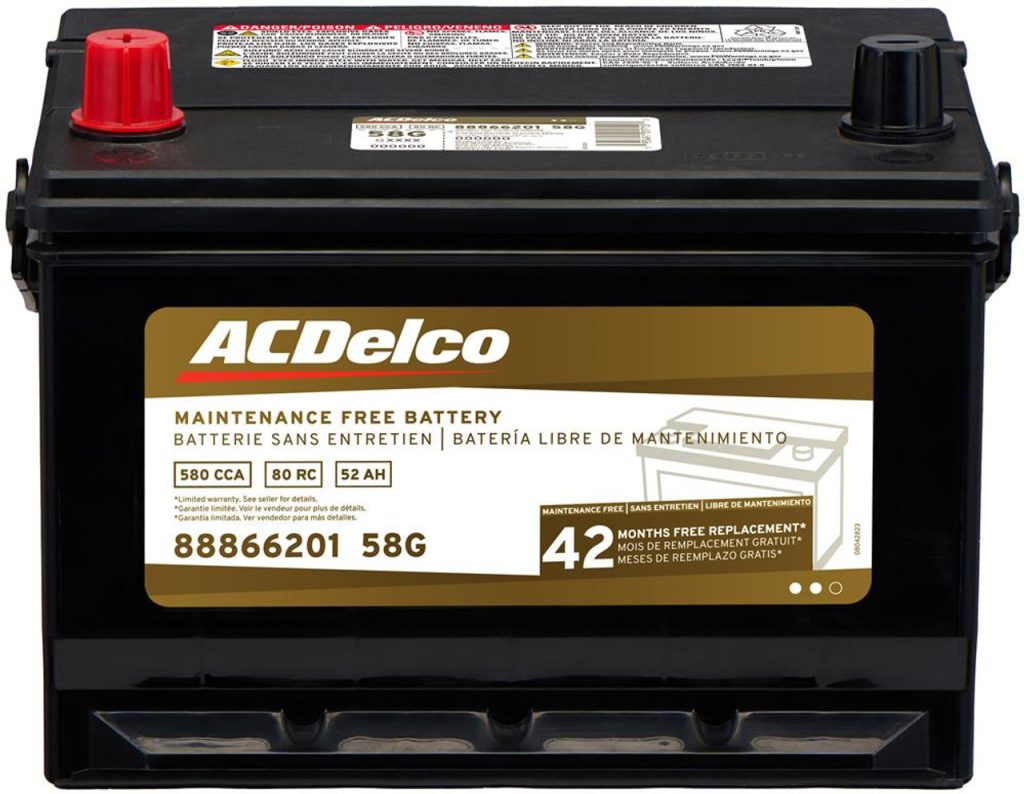
Is your car battery acting up, and you’re wondering if it’s covered under warranty? You’re not alone.
A dead or weak battery can catch you off guard, leaving you stranded when you least expect it. Knowing whether your battery is protected can save you time, money, and stress. You’ll discover exactly what warranties cover car batteries, what to look for in your paperwork, and how to make a claim if needed.
Keep reading to avoid costly surprises and keep your car running smoothly.
Car Battery Warranty Basics
A car battery warranty protects you if the battery stops working early. It covers problems caused by bad materials or defects. Knowing what your warranty covers can save money and trouble.
Warranties vary by brand and seller. Some last a few months, others up to several years. Understanding the basics helps you choose the right battery and avoid unexpected costs.
What A Warranty Typically Covers
Most car battery warranties cover defects in materials and workmanship. If the battery fails due to these reasons, the warranty can cover repair or replacement.
Warranties usually do not cover damage from misuse, accidents, or normal wear. They focus on factory issues, not problems caused by poor care or installation.
- Defects in materials or workmanship
- Battery failure within the warranty period
- Replacement or repair costs
- Not covered: misuse, accidents, or normal wear
Types Of Car Battery Warranties
There are two main types of car battery warranties. These include free replacement and prorated warranties. Each has different coverage and cost rules.
Free replacement covers the full cost if the battery fails early. Prorated warranties share costs as the battery ages. Knowing the type helps with warranty claims.
- Free Replacement:Full replacement if battery fails early.
- Prorated Warranty:Partial refund based on battery age.
- Full Warranty:Covers free replacement and prorated periods.

Credit: www.autodoc.co.uk
Manufacturer Vs. Dealer Warranties
Car batteries may be covered under different warranties. These warranties come from either the manufacturer or the dealer. Knowing the difference helps you use your warranty better.
This guide explains how manufacturer and dealer warranties vary. It also shows how the claim process works for each type.
Differences In Coverage
Manufacturer warranties usually cover defects and failures caused by factory issues. Dealer warranties often cover more services but may have limits.
- Manufacturer Warranty:Covers battery defects and early failures.
- Dealer Warranty:May include installation and maintenance services.
- Duration:Manufacturer warranties often last longer than dealer warranties.
- Transferability:Manufacturer warranties can sometimes transfer to new owners.
- Exclusions:Dealer warranties might exclude certain damage types.
Claim Process Comparison
Making a claim can differ depending on the warranty source. The steps and required documents vary.
| Aspect | Manufacturer Warranty | Dealer Warranty |
|---|---|---|
| Claim Filing | Contact manufacturer or authorized service center. | Contact dealer where battery was purchased. |
| Proof Required | Receipt, warranty card, and vehicle details. | Purchase receipt and service records. |
| Repair or Replacement | Usually handled by authorized dealers or centers. | Dealer may replace or repair on-site. |
| Claim Approval Time | May take several days to a few weeks. | Often faster; can be immediate in some cases. |
Factors Affecting Battery Warranty Validity
Car batteries often come with a warranty from the manufacturer. This warranty protects you from defects and early failures. But, some factors can affect if the warranty stays valid or not.
Understanding these factors helps you keep your battery warranty active. It also ensures you know when you can claim a replacement or repair.
Proper Maintenance Requirements
Battery warranties usually require that you take good care of the battery. Proper maintenance can keep the battery working well and keep the warranty valid.
Regular checks and simple care steps help avoid warranty problems. Missing these steps may cause the warranty to be void.
- Keep battery terminals clean and free of corrosion
- Check the battery charge level regularly
- Avoid letting the battery fully discharge
- Secure the battery properly in its tray
- Follow the vehicle maker’s maintenance schedule
Common Warranty Exclusions
Many battery warranties do not cover all types of damage or problems. Knowing these exclusions helps prevent surprises when making a claim.
Warranty exclusions often include issues caused by misuse, accidents, or outside factors. These problems are not the battery maker’s fault.
- Damage from accidents or collisions
- Failures due to improper installation
- Battery damage from extreme heat or cold
- Problems caused by electrical system faults
- Damage from using the wrong charger or accessories
- Normal wear and tear over time
How To Check Your Battery Warranty Status
Knowing if your car battery is still under warranty can save you money. Checking the warranty status is simple and quick.
This guide helps you find your battery warranty using two easy methods. Use your vehicle papers or talk to your dealer or manufacturer.
Using Vehicle Documentation
Check your car’s manual or battery paperwork first. These documents often show warranty details and coverage length.
- Look for the warranty section in the owner’s manual.
- Find the battery purchase receipt or warranty card.
- Check the purchase date and warranty period.
- Note any warranty terms or conditions listed.
Contacting Dealers Or Manufacturers
You can also call or email the dealer or battery maker. They can check your warranty with your vehicle or battery details.
| What to Provide | Why It Helps |
| Vehicle Identification Number (VIN) | Identifies your car model and year |
| Battery Serial Number | Tracks the specific battery you own |
| Purchase Date | Verifies if warranty period is active |
| Dealer or Store Name | Confirms where the battery was bought |
Tips For Maximizing Warranty Benefits
Car batteries often come with a warranty that protects you from early failure. Knowing how to use this warranty can save you money. It helps to understand what is covered and how to keep your warranty valid.
Taking simple steps can make sure you get the most from your battery warranty. These tips help you avoid problems and claim repairs or replacements easily.
Keeping Service Records
Always keep detailed records of your car battery services and maintenance. This proof shows you followed the right care steps required by the warranty. It can help avoid disputes if your battery stops working.
Service records can include receipts, dates of battery checks, and any repairs done. Keep these papers safe and organized for quick access when needed.
- Save all receipts for battery purchases and services
- Note the date and type of battery maintenance
- Get a technician’s signature or stamp if possible
- Store records in a folder or digital file
Recognizing Early Warning Signs
Watch for signs that your car battery may fail soon. Early detection helps you use the warranty before the battery completely dies. It avoids being stuck with a costly replacement.
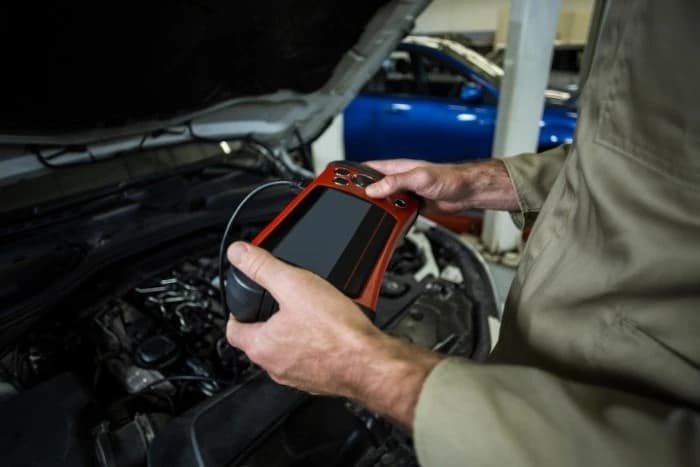
Common warning signs include slow engine start, dim lights, and corrosion on battery terminals. If you notice these, get your battery tested quickly.
- Slow or hard engine starts
- Dim headlights or dashboard lights
- Swollen or leaking battery case
- Corrosion or buildup on battery terminals
- Frequent need for jump starts
Credit: autopartia.com
When Warranty Does Not Cover Battery Issues
Car batteries have a limited lifespan. Warranties often exclude some battery problems.
Understanding what is not covered helps avoid surprises. Some battery issues are expected and not covered.
Wear And Tear Considerations
Normal use causes battery wear over time. This natural wear is usually not covered by warranty.
- Battery losing charge capacity after long use
- Corrosion on battery terminals from age
- Reduced performance due to repeated charging cycles
- Gradual decrease in cold-start power
Impact Of External Damage
Damage from accidents or improper handling usually voids battery warranty.
| Type of Damage | Warranty Coverage |
| Physical impact (cracks, dents) | Not covered |
| Corrosion from battery acid leaks | Not covered |
| Damage from incorrect installation | Not covered |
| Electrical faults caused by misuse | Not covered |
Alternatives To Warranty Coverage
Car batteries may not always be covered under the original warranty. You can find other options to protect your battery. These alternatives help you avoid unexpected costs.
Two common alternatives include extended warranty plans and battery replacement programs. Both give extra coverage beyond the standard warranty.
Extended Warranty Options
Extended warranties offer longer protection for car parts, including batteries. You buy this coverage separately or as part of a service plan.
- Coverage lasts beyond the factory warranty period.
- May include repairs or full battery replacement.
- Costs vary based on the plan and car model.
- Some plans cover only certain battery issues.
- Check the terms carefully before purchasing.
Battery Replacement Programs
Many battery makers offer replacement programs outside of warranties. These programs help drivers replace batteries at a reduced cost.
| Program Feature | Details |
|---|---|
| Eligibility | Batteries with defects or performance issues |
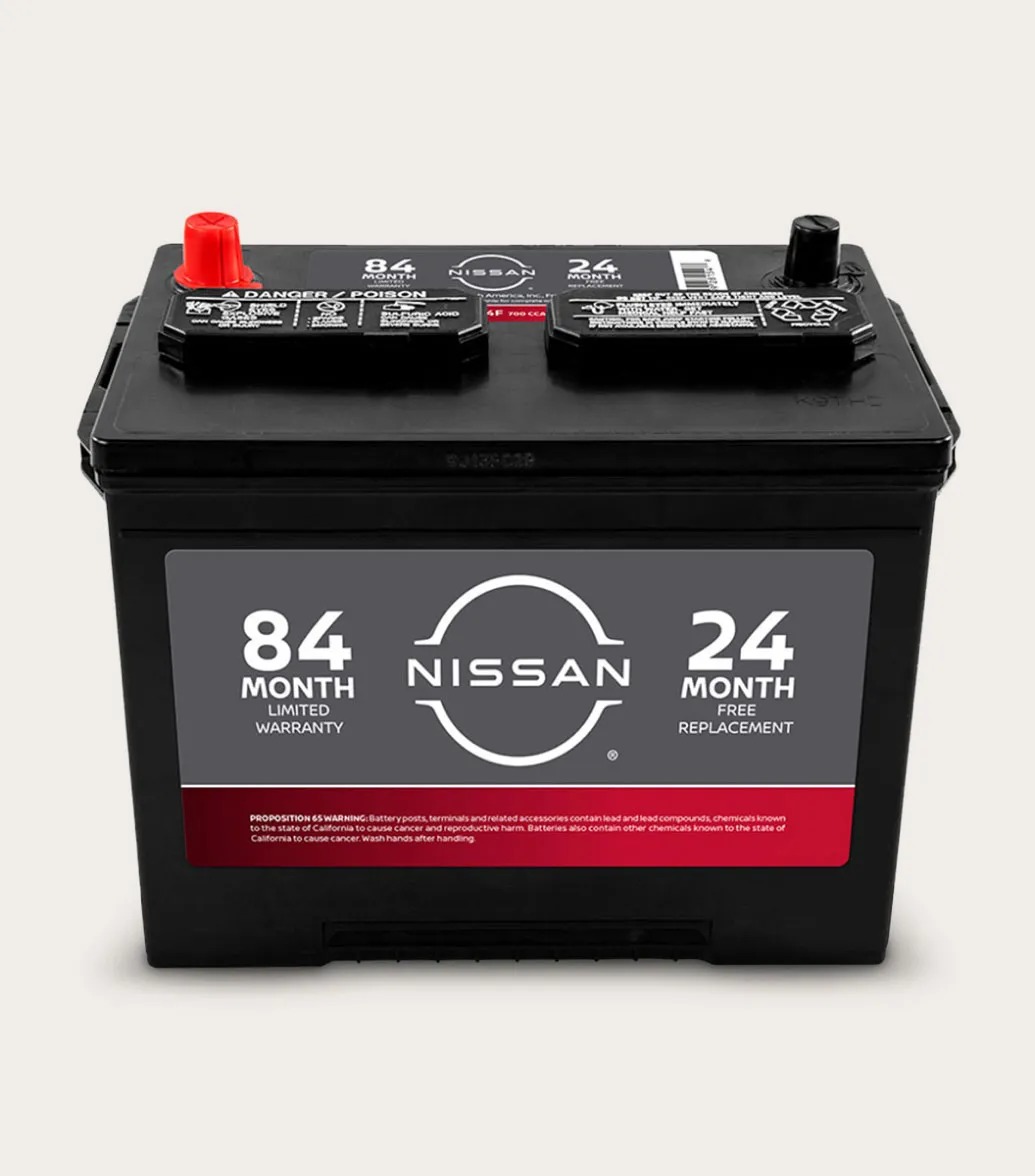
| Duration | Varies, often 2 to 3 years from purchase |
| Cost | Partial or full replacement, sometimes with a fee |
| Claim Process | Usually requires receipt and battery inspection |
| Benefits | Fast replacement without full warranty coverage |
Credit: www.worldcarnissan.net
Frequently Asked Questions
Is A Car Battery Usually Covered Under Warranty?
Yes, most new car batteries come with a limited warranty. Coverage often ranges from 2 to 5 years. It typically covers defects and early failures. Normal wear or damage from misuse is excluded. Always check your vehicle’s warranty terms for specifics.
What Does A Car Battery Warranty Typically Include?
A car battery warranty usually covers manufacturing defects and premature failure. It may include free replacement or prorated credit. Regular wear and tear or accidental damage are not covered. Warranty conditions vary by manufacturer and battery type. Read the warranty document carefully.
How Long Does A Car Battery Warranty Last?
Car battery warranties generally last between 24 to 60 months. Duration depends on the battery brand and vehicle manufacturer. Some warranties offer full replacement within the first period, then prorated coverage afterward. Always verify the exact warranty period when purchasing your battery.
Can A Warranty Cover Battery Replacement Costs?
Yes, if the battery fails within the warranty period due to defects, replacement is usually covered. Labor costs might not be included, depending on the warranty terms. Keep your purchase receipt and warranty paperwork for claims. Contact your dealer or battery manufacturer for assistance.
Conclusion
Car battery warranty coverage depends on the car brand and model. Most warranties cover defects, not damage from use or accidents. Always read your warranty terms carefully. Keep your battery clean and check it regularly. This helps avoid surprises if it fails.
Knowing your warranty details saves time and money. Stay informed and maintain your battery well. This ensures longer life and better car performance. Don’t ignore small battery problems; they can grow quickly. A good battery keeps your car running smoothly every day.