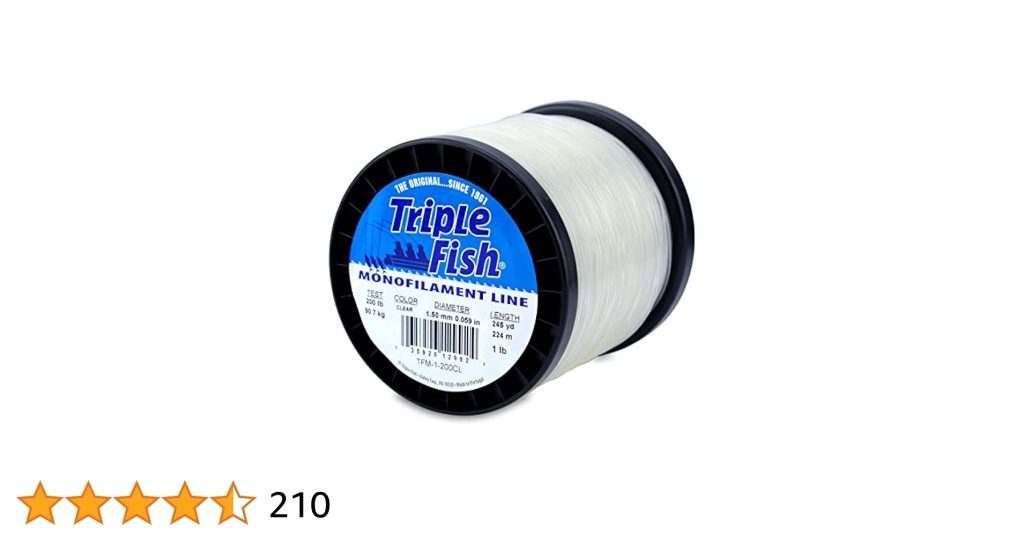
Are you wondering if monofilament fishing line is the right choice for your next fishing trip? Choosing the right line can make all the difference between landing a big catch or losing it at the last moment.
Monofilament fishing line has been a favorite for many anglers, but is it really as good as people say? You’ll discover the key benefits and potential drawbacks of monofilament line so you can decide if it fits your fishing style perfectly.
Keep reading to find out how this line can improve your experience on the water and help you catch more fish.

Credit: mysterytacklebox.com
Monofilament Line Basics
Monofilament fishing line is one of the most common types used by anglers. It is made from a single strand of nylon or similar material. This type of line is popular because it is flexible and easy to handle.
Understanding the basics of monofilament line helps fishermen choose the right line for different fishing conditions. Its unique features make it suitable for many uses on the water.
What Is Monofilament Line
Monofilament line is a single-strand fishing line made from nylon or similar synthetic material. It is clear or colored and offers good stretch and shock absorption. The line is usually round and smooth, making it easy to cast.
- Made from one continuous fiber
- Has stretch that helps absorb shocks
- Usually clear or lightly colored
- Flexible and easy to knot
- Less visible underwater
Common Uses In Fishing
Monofilament line works well in many fishing situations. It is often used by beginners and experts alike. Its stretch and strength make it useful for different types of fish and water conditions.
| Use | Reason |
|---|---|
| Freshwater fishing | Good for casting and handling small to medium fish |
| Topwater fishing | Stretch absorbs sudden strikes |
| Spinning reels | Flexible and easy to manage |
| Beginner anglers | Forgiving and easy to tie knots |
| Clear water | Low visibility helps avoid spooking fish |
Advantages Of Monofilament
Monofilament fishing line has been popular for many years. It offers several benefits for anglers of all skill levels. Understanding these advantages can help you choose the right line for your fishing needs.
This type of line is made from a single strand of material. It provides unique properties that make fishing easier and more enjoyable.
Flexibility And Stretch
Monofilament is known for its flexibility and stretch. This stretch helps absorb shocks from sudden fish movements. It also reduces the chance of the line breaking during a fight.
- Absorbs sudden pulls and jerks
- Prevents line breakage
- Allows smooth casting and retrieval
- Works well with many types of fishing rods and reels
Cost-effectiveness
Monofilament is usually cheaper than other fishing lines. This makes it a good choice for beginners or those on a budget. Its affordability does not mean it lacks quality.
| Type of Line | Average Cost per Yard |
| Monofilament | $0.05 |
| Fluorocarbon | $0.12 |
| Braid | $0.10 |
Ease Of Handling
Many anglers find monofilament easier to handle. It is soft and smooth, which helps prevent tangles and knots. This ease makes it ideal for beginners and casual fishers.
- Easy to tie knots
- Less memory, so it stays straight
- Good for various fishing techniques
Limitations To Consider
Monofilament fishing line is popular but has some limits anglers should know. These limits affect its performance in different fishing situations.
Understanding these issues helps you choose the right line for your needs and avoid problems on the water.
Durability Issues
Monofilament line tends to wear out faster than other types. It can weaken from rubbing on rough surfaces and sharp edges.
- It is more prone to cuts and abrasions.
- The line stretches and can lose strength after repeated use.
- Exposure to heat can make it brittle and easier to break.
Sensitivity And Stretch
This line stretches more than braided lines. The stretch reduces bite detection and hook-setting power.
Here is a simple comparison of monofilament and braided lines:
| Feature | Monofilament | Braided |
|---|---|---|
| Stretch | High (20-30%) | Low (2-5%) |
| Sensitivity | Lower | Higher |
| Hook Setting | Less effective | More effective |
Uv And Water Absorption
Monofilament absorbs water and UV rays, which weakens the line over time. It can swell and lose strength when wet.
- UV light breaks down the plastic fibers.
- Water absorption causes the line to stretch more.
- Old line becomes brittle and breaks easily.
Credit: www.amazon.ca
Comparing With Other Lines
Monofilament fishing line is popular among anglers for many reasons. It has unique features that set it apart from other types of lines.
This section compares monofilament with braided and fluorocarbon fishing lines. Understanding these differences helps you choose the right line.
Monofilament Vs Braided
Monofilament line is made of a single strand of nylon. It stretches more than braided line, which is made from woven fibers.
Monofilament is easier to handle and knots better. Braided line is stronger and thinner for the same diameter.
- Monofilament stretches to absorb shock; braided does not stretch much
- Monofilament is good for beginners due to softness
- Braided line has higher strength and sensitivity
- Monofilament floats; braided usually sinks
- Monofilament is less visible in water than braided
Monofilament Vs Fluorocarbon
Fluorocarbon line is made from a dense material that sinks faster than monofilament. It is less stretchy and more abrasion-resistant.
Monofilament is more flexible and floats on water. Fluorocarbon is harder to knot but is nearly invisible underwater.
- Fluorocarbon sinks; monofilament floats
- Fluorocarbon is more invisible in water
- Monofilament stretches more, helping with fish fights
- Fluorocarbon resists damage from rocks and teeth
- Monofilament is easier to handle and knot
Choosing The Right Monofilament
Monofilament fishing line is popular for many anglers. It is easy to use and works well in many situations.
Picking the right monofilament line helps you fish better. Think about strength, color, and length before buying.
Line Strength And Diameter
Line strength shows how much weight the line can hold before breaking. Diameter means the thickness of the line.
Stronger lines usually have a bigger diameter. Thicker lines can handle bigger fish but are more visible in water.
- Choose a line strong enough for your target fish
- Use thinner lines for better casting and less visibility
- Check the line’s pound test rating before buying
Color And Visibility
Monofilament lines come in many colors like clear, green, and blue. Color affects how fish see the line.
Clear lines are good in clear water. Green or blue lines blend well in lakes or oceans with color.
- Pick clear lines for bright, clean water
- Use green or blue in stained or deep water
- Bright colors help you see the line above water
Length And Spool Size
Monofilament lines come in different lengths and spool sizes. The length affects how far you can cast.
Choose a spool size that fits your reel. Longer lines let you fish in deep or large water areas.
- Pick longer lines for deep or open water fishing
- Match spool size to your reel capacity
- Shorter lines are easier to handle for beginners
Best Practices For Use
Monofilament fishing line is popular because it is easy to handle and affordable. To get the best results, you should follow some simple rules for use and care.
Proper use helps the line last longer and perform better during fishing. This guide shares tips on knot tying, storage, and when to replace your line.
Knot Tying Tips
Monofilament line can stretch and be slippery. This makes knot tying important for strong connections. Use knots that hold well with smooth lines.
Always wet the line before tightening a knot. This reduces friction and prevents the line from weakening or breaking.
- Use knots like the improved clinch or Palomar for strength
- Pull knots slowly and firmly to seat them properly
- Trim tag ends close but not too tight to avoid slippage
Storage And Maintenance
Store monofilament line in a cool, dark place to avoid damage. Heat and sunlight can make the line brittle and weak.
Keep the line clean and dry. Dirt and moisture can reduce its strength and cause it to degrade faster.
- Avoid storing line in direct sunlight or near heat sources
- Use a sealed container or spool cover to keep dirt out
- Rinse the line with fresh water after fishing in saltwater
When To Replace Line
Monofilament line loses strength over time. It is important to replace it before it breaks during fishing.
Check your line regularly for signs of wear or damage. Replace it if you see any problems to avoid losing fish.
- Replace line if it feels rough or has visible nicks
- Change line after catching large fish or heavy use
- Swap out old line yearly if you fish often
Top Brands And Products
Monofilament fishing line is popular for its flexibility and ease of use. Many anglers prefer it for various fishing styles.
Choosing the right brand and product matters. Quality lines help improve your fishing experience.
Berkley Trilene
Berkley Trilene is known for its smooth casting and good knot strength. It works well for freshwater fishing.
This line resists abrasion and has low memory, which means less tangling on your reel.
Stren Original
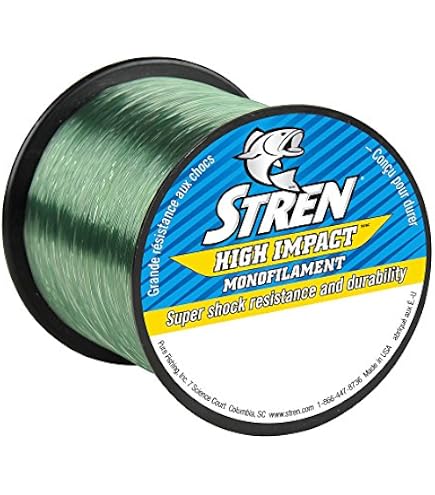
Stren Original offers excellent strength and durability. It performs well in both fresh and saltwater.
This monofilament line is smooth and easy to handle, making it a good choice for beginners.
Spiderwire Ultracast
SpiderWire Ultracast is a strong and clear monofilament line. It has good stretch, which helps absorb shocks.
The line is designed to resist abrasion and offers long casting distance for better fishing.
Pline Cfx
Pline CFX monofilament line is known for its high strength and low memory. It casts smoothly and resists knots.
This line works well for many types of fishing, especially where strong, clear line is needed.
Kastking Superpower
KastKing SuperPower offers good abrasion resistance and high tensile strength. It is clear and flexible.
The line is suitable for many fishing techniques and provides good control and sensitivity.
Credit: n1outdoors.com
Frequently Asked Questions
What Is Monofilament Fishing Line Made Of?
Monofilament fishing line is made of a single strand of nylon. This material gives it flexibility and stretch. It is popular due to its affordability and ease of use. Monofilament is available in various strengths and colors, making it versatile for different fishing conditions.
Is Monofilament Line Suitable For Beginners?
Yes, monofilament line is ideal for beginners. Its flexibility makes casting easier and more forgiving. It is also cost-effective, allowing new anglers to practice without significant investment. Additionally, its knot strength and ease of handling make it a favorite among novice fishers.
How Does Monofilament Line Affect Casting Distance?
Monofilament line can slightly reduce casting distance due to its stretch. However, its flexibility aids in smoother casts. This can be beneficial for beginners learning to cast. Advanced anglers may prefer other lines for longer casting distances, but monofilament offers a good balance for most users.
Does Monofilament Fishing Line Deteriorate Over Time?
Yes, monofilament fishing line can deteriorate over time. Exposure to sunlight and water weakens it. Regularly check for signs of wear and replace it as needed. Proper storage away from sunlight can extend its lifespan, ensuring reliable performance during fishing trips.
Conclusion
Monofilament fishing line offers good strength and stretch for many anglers. It works well in clear water and is easy to handle. This line type is affordable and widely available. It can last long with proper care and storage. While it may not suit every fishing style, it remains a solid choice.
Try it out and see how it fits your needs. Simple, reliable, and effective—monofilament line still holds its place in fishing.