If you want to catch more fish, knowing how to tie a strong knot for your fishing lure is a must. A good knot keeps your lure secure and helps you reel in the big ones without losing your catch.
In this guide, you’ll learn simple, step-by-step techniques that anyone can master—even if you’re new to fishing. Stick with me, and you’ll soon tie knots that hold tight every time, making your fishing trips more successful and enjoyable. Ready to improve your skills?
Let’s dive in!
Choosing The Right Knot
Tying the correct knot is key for fishing success. The right knot keeps your lure secure.
Different knots work better with certain lines and lures. Choose one that fits your needs.
Common Knots For Fishing Lures
Several knots are popular for attaching fishing lures. Each has strengths and uses.
- Improved Clinch Knot:Easy to tie and strong for most lines.
- Palomar Knot:Very strong and simple, works well with braided lines.
- Loop Knot:Allows lure to move freely, good for natural action.
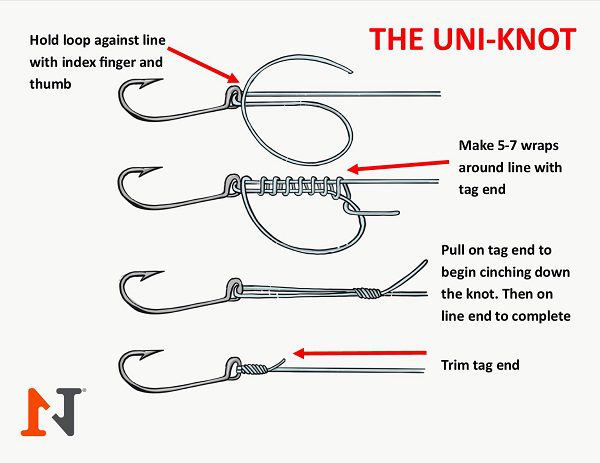
- Uni Knot:Versatile and reliable for many fishing situations.
Factors To Consider
Pick a knot based on your fishing line type and lure weight. This ensures strength.
Consider how easy the knot is to tie. Quick knots save time on the water.
- Line type: monofilament, fluorocarbon, or braided
- Lure size and weight
- Water conditions and fishing style
- Ease of tying and knot strength
Preparing Your Line And Lure
Tying a secure knot starts with the right preparation. Preparing your fishing line and lure carefully helps ensure a strong connection.
This guide covers important steps to get your line and lure ready before tying the knot.
Selecting The Line Type
Choose a line type that fits your fishing style and lure weight. Common lines include monofilament, fluorocarbon, and braided lines.
- Monofilament:Flexible and easy to handle, good for beginners.
- Fluorocarbon:Nearly invisible underwater, good for clear water fishing.
- Braided:Very strong and thin, ideal for heavy cover.
Trimming And Handling The Line
Proper trimming and careful handling of your line prevent knots from slipping or tangling. Always cut the line cleanly with sharp scissors.
| Task | Tip |
| Trimming | Cut the tag end close but leave a small tail to secure the knot. |
| Handling | Keep the line dry and avoid twisting it while tying. |
| Storage | Store your line on a spool to prevent tangles and damage. |
Step-by-step Knot Tying
Tying a strong knot is key for fishing success. A good knot keeps your lure secure.
This guide explains how to tie a knot for a fishing lure in clear steps. Follow along to learn the process.
Forming The Loop
Start by passing the line through the eye of the lure. Pull enough line to create a small loop.
Hold the loop firmly between your fingers. Make sure the loop is not twisted for a clean knot.
Wrapping The Line
Wrap the free end of the line around the standing line several times. This helps the knot hold tight.
- Make 5 to 7 wraps around the standing line.
- Keep wraps neat and close together.
- Hold wraps in place with your thumb.
Securing The Knot
After wrapping, pass the free end through the loop near the lure eye. Pull both ends slowly.
| Action | Tip |
| Pull knot tight | Use wet fingers to reduce friction |
| Trim excess line | Leave about 1/8 inch to prevent slipping |
| Check knot | Make sure it is snug and secure |

Credit: www.ohero.com
Testing Knot Strength
Testing the strength of your fishing lure knot is important for a successful catch. A strong knot keeps your lure secure in the water.
Knowing how to check your knot helps avoid lost fish and broken lines. You can test your knot using simple pulling methods.
Pulling Techniques
Pull your line firmly but steadily to test your knot. Avoid sharp or quick jerks that can damage the line.
- Hold the lure and pull the line away from it.
- Apply steady pressure for 10 to 15 seconds.
- Check if the knot slips or loosens during pulling.
- Repeat the test two or three times for accuracy.
Signs Of A Weak Knot
Look for common signs that your knot is weak or failing. Spotting these signs early can save your fishing trip.
| Sign | What It Means |
| Knot Slips | The knot is not tight enough and may fail. |
| Frayed Line | The line is damaged and can break under pressure. |
| Knot Loosens | The knot did not hold during pulling tests. |
| Line Breaks Near Knot | The knot weakens the line causing breaks. |
Tips For Knot Durability
Tying a strong knot helps keep your fishing lure secure. A durable knot lasts longer and holds better. Proper care when tying improves knot strength.
Small habits make a big difference in knot durability. Learn how to care for your line and avoid common tying errors.
Moistening The Line
Always moisten the line before tightening the knot. Water or saliva reduces friction and heat. This prevents damage to the fishing line.
- Wet the line slightly before pulling the knot tight.
- Use clean water to avoid dirt on the line.
- Do not over-wet; just enough to reduce friction.
- Moistening helps the knot slide easily and set properly.
Avoiding Common Mistakes
Many anglers make simple errors that weaken knots. Watch for these mistakes to keep your knot strong and reliable.
| Mistake | Effect on Knot |
| Not moistening the line | Friction weakens the line and knot |
| Pulling too fast | Can cause the knot to slip or break |
| Using damaged line | Line breaks more easily at the knot |
| Incorrect knot type | Knot may not hold under pressure |
| Not tightening properly | Knot can come undone during fishing |

Credit: www.reddit.com

Credit: www.wikihow.com
Frequently Asked Questions
What Is The Best Knot For Fishing Lures?
The improved clinch knot is the best for fishing lures. It’s strong, reliable, and easy to tie. This knot secures the lure firmly to the fishing line, preventing slippage during casting and retrieval. It works well with most fishing lines and lure types.
How Do I Tie A Fishing Lure Knot Step-by-step?
Start by threading the line through the lure eye. Wrap the tag end around the main line 5-7 times. Pass the tag end through the loop near the eye, then back through the big loop. Moisten the knot and pull tight slowly.
Trim excess tag end.
Can I Use Any Fishing Line With Lure Knots?
Yes, most fishing lines like monofilament, fluorocarbon, and braided lines work. However, knot strength may vary slightly with line type. Always wet the knot before tightening to avoid friction damage. Choose the knot suited for your line to maximize hold and durability.
Why Is Knot Strength Important For Fishing Lures?
Strong knots prevent lure loss and line breakage during fishing. They ensure secure attachment, improving lure action and catch rates. Weak knots can fail under tension, causing lost fish and gear. Always test knot strength before fishing to ensure reliability.
Conclusion
Tying a strong knot keeps your fishing lure secure. Practice a few times to get it right. Choose the knot that fits your fishing line and lure type. A good knot helps catch more fish and avoids losing your lure.
Keep your line tight and wet while tying. Simple steps make fishing easier and more fun. Try different knots to see which works best for you. Stay patient and enjoy your time by the water.