Packing your sleeping bag the right way can make a huge difference on your trip. If you’ve ever struggled to fit your sleeping bag into your backpack or found it heavy and bulky, this guide is for you.
You’ll learn simple, effective tips to pack your sleeping bag quickly and save space. By the end, you’ll feel confident that your gear is ready for any adventure. Keep reading to discover how to make your packing easier and your trips more comfortable.
Choosing The Right Sleeping Bag
Picking the right sleeping bag is important for a good night’s sleep outdoors. The right bag keeps you warm and comfortable.
Think about the weather and your needs before buying a sleeping bag. This helps you choose the best one.
Types Of Sleeping Bags
Sleeping bags come in different shapes and styles. Each type fits different camping needs and weather conditions.
- Rectangular:Spacious and good for mild weather.
- Mummy:Tight fit, keeps heat in, best for cold weather.
- Semi-rectangular:A mix of both for moderate temperatures.
- Double:Large enough for two people.
Materials And Insulation
Sleeping bags use different materials and insulation to keep you warm. The choice affects weight and warmth.
Down insulation is light and warm but can be expensive. Synthetic fills work well when wet and cost less.
- Down:Lightweight and compresses small.
- Synthetic:Good in wet conditions and dries fast.
- Shell material:Usually nylon or polyester for durability.
Size And Weight Considerations
Choose a sleeping bag size that fits your height and sleeping style. Too small feels tight; too big loses heat.
Weight matters if you carry your bag on a hike. Lighter bags are easier to carry but may cost more.
- Check the length for your height plus extra room.
- Pick a weight that matches your travel plans.
- Smaller packed size saves space in your backpack.
Credit: gearjunkie.com
Preparing Your Sleeping Bag
Packing your sleeping bag correctly starts with good preparation. Clean and dry it well before packing.
This helps keep your sleeping bag fresh and lasts longer on your trips.
Cleaning Before Packing
Remove dirt and sweat from your sleeping bag before storing it. This prevents smells and damage.
Use a gentle cleaner made for sleeping bags or mild soap. Avoid harsh detergents that can harm the fabric.
- Spot clean small stains with a damp cloth.
- For full cleaning, hand wash or use a front-load washing machine.
- Use cold water and gentle cycle for washing.
- Rinse thoroughly to remove all soap.
Drying And Maintenance Tips
Dry your sleeping bag completely before packing. Moisture can cause mold and bad odors.
Air dry your bag in a shaded, well-ventilated place. Avoid direct sunlight to protect the fabric.
- Do not use a high-heat dryer setting.
- Use dryer balls or clean tennis balls to help fluff the insulation.
- Store your sleeping bag loosely in a large sack or hang it to keep loft.
- Check your bag for tears or broken zippers and fix them before packing.
Folding Vs Rolling Techniques
Packing a sleeping bag correctly saves space and protects it. Two main ways exist: folding and rolling. Each method works better in different situations.
Understanding the benefits of folding and rolling helps you choose the best way to pack your sleeping bag for your trip.
Benefits Of Folding
Folding a sleeping bag keeps it neat and compact. It helps avoid wrinkles and can fit well in tight spaces.
- Reduces creases and damage to insulation
- Fits flat in backpacks or storage bags
- Easier to organize with other gear
- Good for short trips or quick packing
Benefits Of Rolling
Rolling a sleeping bag can save more space and speed up packing. It also helps keep the bag tight and secure.
- Compresses the bag to a smaller size
- Faster to roll and pack
- Less chance of creating sharp folds
- Works well with compression sacks
Which Method Suits Your Trip
| Trip Type | Recommended Packing | Reason |
| Camping in car | Folding | Easy access and neat storage |
| Backpacking | Rolling | Saves space and weight |
| Short overnight | Folding | Quick to pack and unpack |
| Long hiking trip | Rolling | Compresses bag for smaller pack size |
Credit: www.trespass.com
Compression And Storage
Packing a sleeping bag correctly helps save space and keeps it in good shape. Compression and storage are key parts of this process.
Using the right tools and methods will protect your sleeping bag and make it easier to carry on trips.
Using Compression Sacks
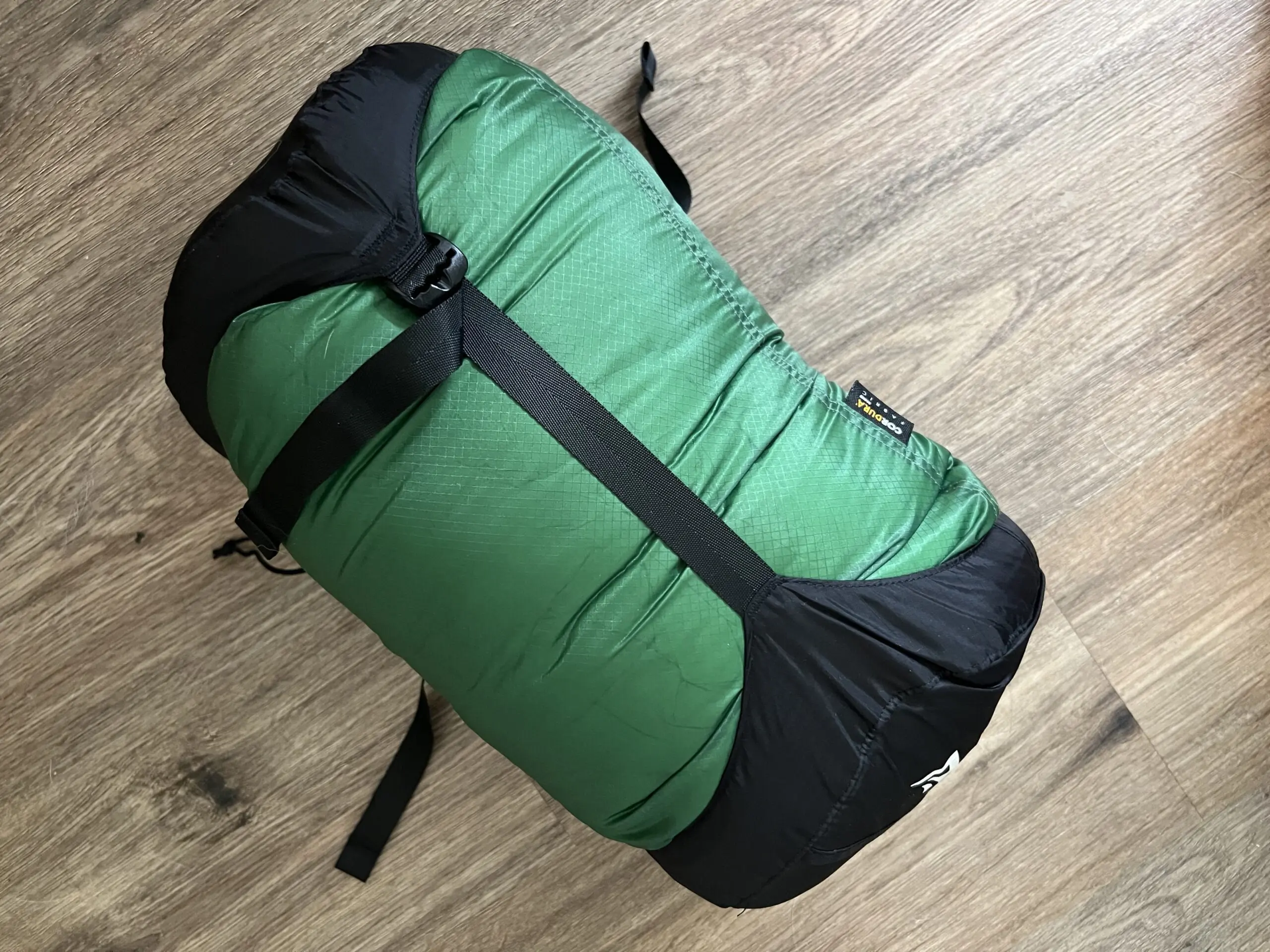
Compression sacks are designed to reduce the size of your sleeping bag. They have straps to squeeze out air and save space.
Put your sleeping bag inside the sack, then tighten the straps slowly and evenly. This keeps the bag compact without damaging it.
- Use a sack that fits your sleeping bag size.
- Place the sleeping bag loosely before tightening.
- Compress evenly by adjusting all straps.
Avoid Over-compressing
Do not compress your sleeping bag too much. Over-compression can damage the insulation and reduce warmth.
Keep the compression sack tight enough to save space, but not so tight it squashes the fibers inside.
- Check the bag’s loft after compressing.
- Loft is the thickness that traps warm air.
- Too little loft means less warmth and comfort.
Long-term Storage Tips
For long-term storage, avoid using compression sacks. Store your sleeping bag loosely to keep the insulation healthy.
Use a large cotton or mesh storage bag. Keep the sleeping bag in a dry, cool place to stop mold and mildew.
- Do not store the sleeping bag in a compressed state.
- Hang it or lay it flat in a breathable bag.
- Make sure the storage area is dry and cool.
Packing For Different Conditions
Packing a sleeping bag right helps you stay comfortable while camping. Different weather needs different packing styles. You should plan based on temperature and activity.
Knowing how to pack your sleeping bag saves space and keeps it dry. Here are tips for cold, warm, and different camping types.
Cold Weather Packing
In cold weather, keep your sleeping bag dry and insulated. Use a waterproof stuff sack to protect it from snow and moisture. Pack it tightly but avoid crushing the insulation.
Store your sleeping bag inside a dry sack during the day. Add extra clothes inside the bag for warmth. Do not stuff your sleeping bag too tight in the sack.
- Use a waterproof stuff sack
- Keep insulation fluffy, not crushed
- Store in a dry place when not in use
- Add extra warm clothes inside the bag
Warm Weather Packing
In warm weather, pack your sleeping bag loosely to keep it airy. Use a lightweight stuff sack or mesh bag for ventilation. This helps prevent moisture build-up and odor.
Since you need less insulation, avoid compressing the bag too much. Keep it clean and dry to extend its life. You can also pack it with other gear to save space.
- Use a mesh or lightweight stuff sack
- Pack loosely for air circulation
- Keep the bag dry and clean
- Combine with other gear for space
Packing For Backpacking Vs Car Camping
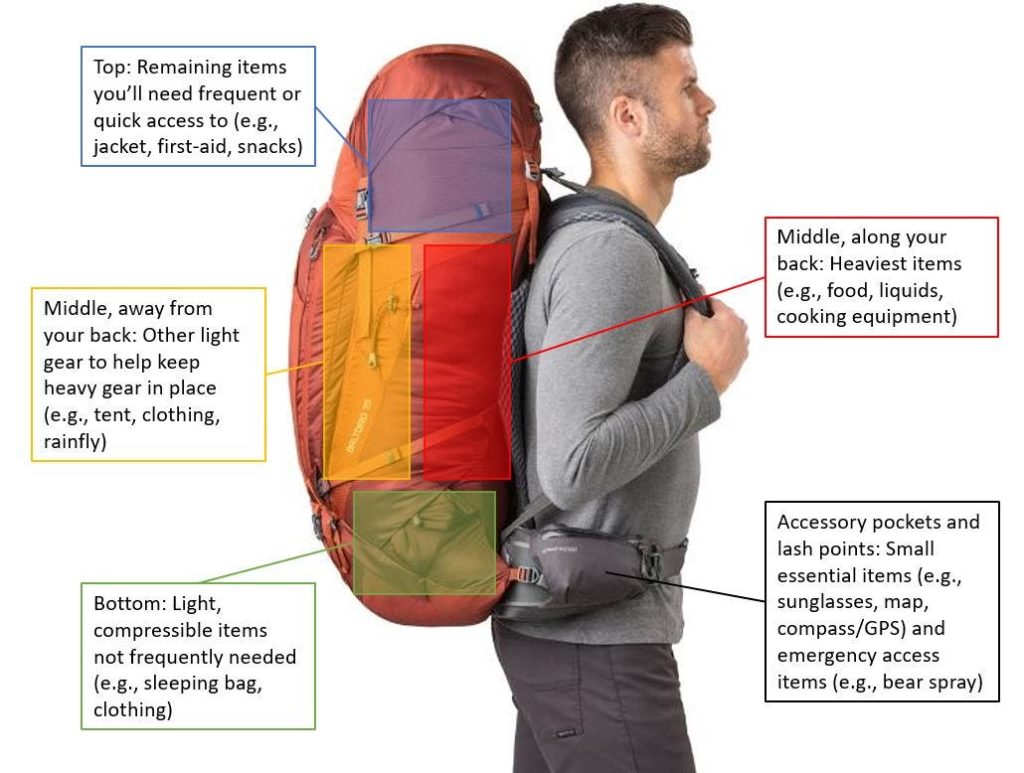
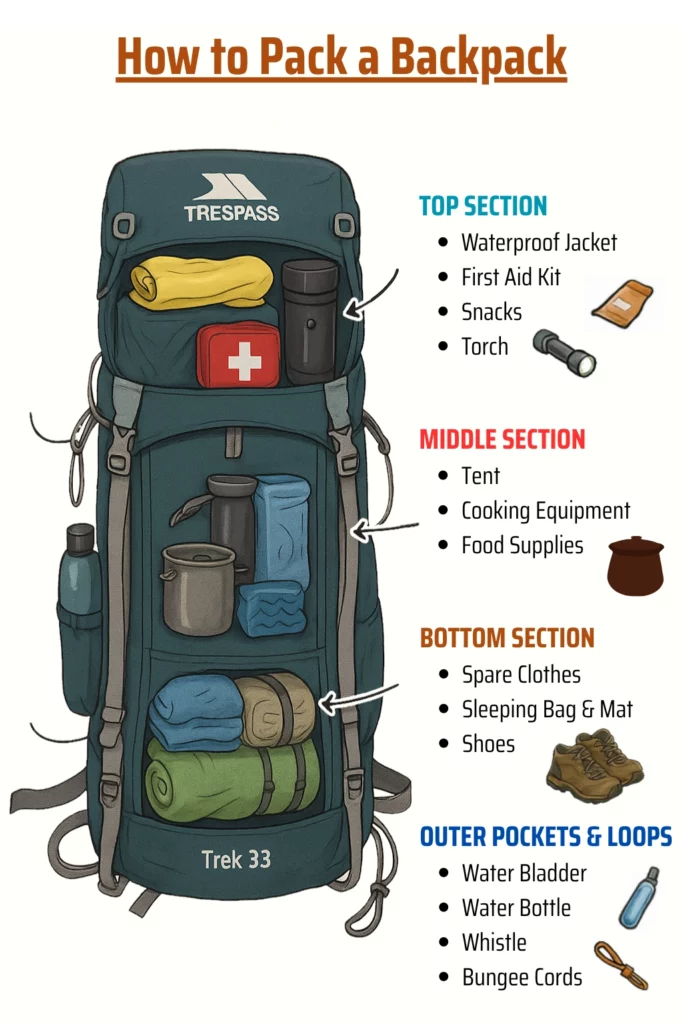
Backpacking needs light, compact packing. Use a compression sack to reduce the sleeping bag size. Pack it at the top or outside of your pack for easy access.
Car camping allows you to carry more weight. Use a larger stuff sack or leave the bag loose. Keep the bag in the car or tent to avoid damage or dirt.
- Backpacking: use compression sacks, pack light
- Backpacking: place bag for quick access
- Car camping: use larger or no compression sack
- Car camping: store bag in car or tent
Additional Tips And Tricks
Packing your sleeping bag the right way helps keep it safe and clean. These extra tips will make your trips easier.
Follow simple steps to keep your bag dry, protect it from damage, and pack for quick access.
Keeping Your Bag Dry
Moisture can ruin your sleeping bag’s insulation. Keep it dry by storing it in a waterproof bag or stuff sack.
Use a rain cover if you expect wet weather. Avoid placing your bag directly on damp ground.
- Use a waterproof stuff sack
- Carry a rain cover for extra protection
- Keep the bag off wet surfaces
- Air out the bag after use to remove moisture
Protecting From Damage
Sharp objects and rough surfaces can tear your sleeping bag. Pack it away from gear with zippers or hooks.
Store your bag loosely when not in use to keep the insulation fluffy and effective.
- Avoid packing next to sharp tools or gear
- Use a protective liner inside your pack
- Do not compress your bag for long periods
- Inspect your bag for holes or tears before packing
Quick Access Packing
Place your sleeping bag where you can reach it fast. This helps if you need it quickly at night.
Keep it near the top of your pack or in a separate compartment for easy grabbing.
- Pack the sleeping bag at the top of your backpack
- Use a side pocket if your bag fits
- Keep it in a separate, easy-to-open bag
- Organize gear so the sleeping bag is not buried

Credit: www.reddit.com
Frequently Asked Questions
How Do I Pack A Sleeping Bag Efficiently?
To pack a sleeping bag efficiently, first lay it flat and fold it lengthwise. Roll tightly from the foot end. Use compression straps or a stuff sack to minimize volume. This method saves space and protects the bag during travel.
Can I Pack A Sleeping Bag While Wet?
Packing a wet sleeping bag is not recommended. It can cause mold and damage insulation. Always dry your sleeping bag completely before packing. If unavoidable, use a waterproof bag to prevent moisture damage.
What Is The Best Way To Store A Sleeping Bag?
Store your sleeping bag loosely in a large cotton or mesh storage sack. Avoid compressing it for long periods. This maintains loft and extends the bag’s lifespan. Keep it in a cool, dry place away from direct sunlight.
Should I Use A Stuff Sack Or Compression Sack?
Use a stuff sack for quick packing and moderate compression. Opt for a compression sack to reduce volume significantly. However, avoid over-compressing for long-term storage to protect insulation and loft.
Conclusion
Packing a sleeping bag properly saves space and keeps it safe. Roll it tight and use straps or a stuff sack. Keep it dry and clean to last longer. Practice a few times before your trip. This way, you avoid stress and enjoy your adventure.
Small steps make packing easier and faster. Ready for your next outdoor trip? Just follow these simple tips.