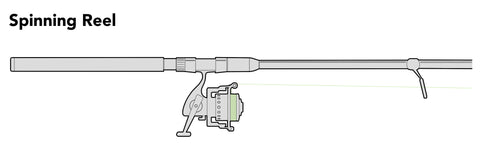
If you want to enjoy smooth casts and catch more fish, knowing how to put new fishing line on your spinning reel is a must. It might seem tricky at first, but once you learn the right steps, it becomes quick and simple.
In this guide, you’ll discover easy-to-follow instructions that save you time and frustration. By the end, you’ll feel confident and ready to hit the water with a perfectly spooled reel. Keep reading to master this essential fishing skill!
Choosing The Right Fishing Line
Choosing the right fishing line is important for a good fishing experience. The right line helps you catch fish more easily and keeps your reel working well.
This guide covers the types of fishing line, line strength and diameter, and how to pick the right line for your target fish.
Types Of Fishing Line
Fishing lines come in several types. Each type works best for different fishing situations and fish.
- Monofilament:Made from one strand, flexible and easy to handle.
- Fluorocarbon:Less visible underwater and sinks faster.
- Braid:Very strong with small diameter but less stretch.
Line Strength And Diameter
Line strength is how much weight it can hold before breaking. Diameter is the thickness of the line.
Stronger lines have bigger diameters but can be harder to cast. Thinner lines cast better but may break more easily.
- Pick strength based on the size of fish you want to catch.
- Choose diameter to match your reel and fishing style.
- Balance between strength and ease of use for best results.
Selecting Line For Your Target Fish
Different fish need different lines. Small fish need light lines, big fish need strong lines.
Match your line to your target fish to avoid losing fish or breaking your line.
- Light lines (2-6 lb) for small fish like panfish or trout.
- Medium lines (8-15 lb) for bass and similar fish.
- Heavy lines (20+ lb) for big fish like catfish or pike.

Credit: www.youtube.com
Preparing Your Spinning Reel
Putting new fishing line on a spinning reel starts with good preparation. Taking time to ready your reel ensures smooth casting and better fishing.
Before adding new line, clean and check your reel carefully. This helps prevent problems and extends the life of your gear.
Removing Old Line
First, remove any old line from the spool. This clears space and avoids tangles with the new line.
- Cut the old line near the spool.
- Pull the line off slowly to avoid damage.
- Dispose of the old line properly to protect the environment.
Cleaning The Reel
Cleaning the reel removes dirt and salt that cause wear. Use a soft cloth and mild cleaner for the best results.
| Cleaning Step | Tool Needed |
| Wipe exterior | Soft cloth |
| Clean spool | Mild soap and water |
| Lubricate moving parts | Reel oil or grease |
Inspecting The Spool
Check the spool for damage before adding new line. Look for cracks, dents, or worn spots that might cause line breaks.
Inspect the spool carefully:
- Spin the spool to hear any rough sounds.
- Check edges for sharp nicks or burrs.
- Make sure the spool sits firmly on the reel.
Setting Up The Reel For Spooling
Putting new fishing line on a spinning reel starts with setting up the reel correctly. This setup helps the line spool evenly and prevents tangles.
Follow these steps to prepare your reel for spooling. Proper setup makes fishing easier and more enjoyable.
Attaching The Reel To The Rod
First, attach the spinning reel firmly to the rod. The reel seat on the rod holds the reel in place.
Slide the reel foot into the reel seat. Tighten the locking rings until the reel feels secure. This prevents movement while spooling.
Threading The Line Through Guides
Next, pull the fishing line from the spool. Pass the line through each rod guide, starting from the tip.
Make sure the line runs straight through all guides. This helps the line spool evenly and reduces friction.
Securing The Line To The Spool
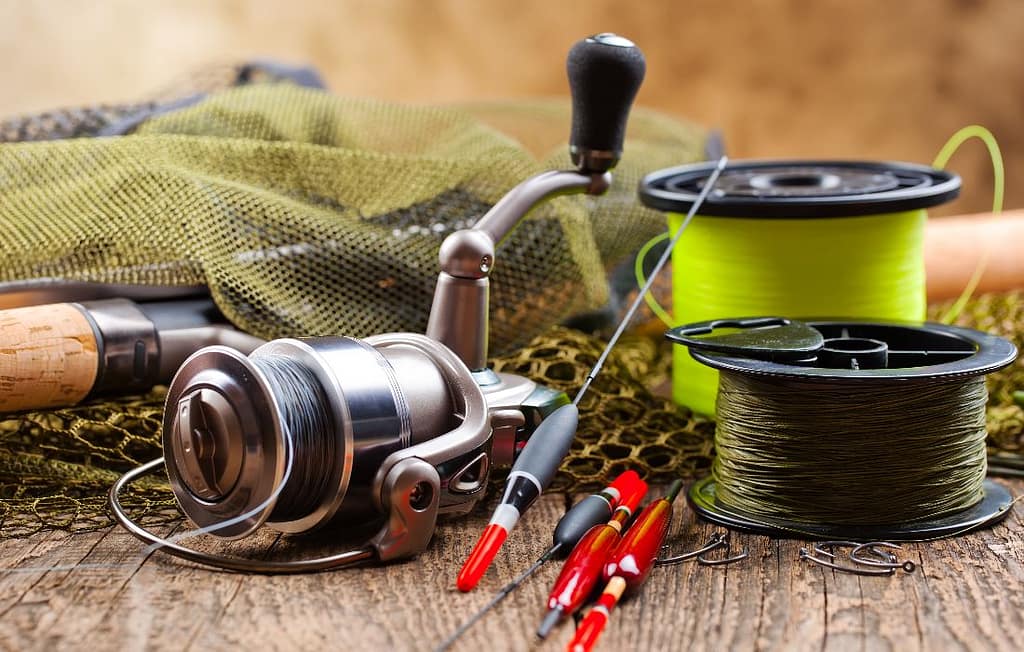
To secure the line, wrap it around the spool of the reel. Tie a knot to hold the line firmly.
- Make a simple overhand knot around the spool.
- Pull the knot tight to avoid slipping.
- Close the reel bail to keep the line in place.
Credit: letsgobassfishing.com
Spooling The New Line
Putting new fishing line on a spinning reel is important for a good fishing experience. Spooling the line correctly helps your reel work smoothly.
This guide explains how to spool the new line properly to avoid problems like tangles and twists.
Maintaining Proper Tension
Keeping the right tension on the line stops it from becoming loose on the spool. Loose line can cause tangles and knots.
Hold the line between your fingers or use a cloth to keep it tight as you wind it onto the reel.
- Keep steady pressure on the line
- Do not let the line go slack
- Maintain tension from the spool to the reel
Winding The Line Evenly
Wind the line in neat layers across the spool. This helps the line come off smoothly when you cast.
Use your hand or the reel’s handle to guide the line evenly from one side to the other.
- Start winding slowly for control
- Move the line guide side to side
- Fill the spool evenly without overfilling
Avoiding Line Twist And Overlap
Line twist can cause knots and reduce casting distance. Overlapping line can create weak spots on the spool.
Make sure the line comes off the filler spool in the same direction it goes onto your reel spool.
- Check that the filler spool spins freely
- Keep line tight to prevent loops
- Stop winding if you see line stacking incorrectly
Finishing Touches
Putting new fishing line on a spinning reel is almost done. The last steps make sure your line is secure and your reel works well. These final touches prepare you for a successful fishing trip.
Pay close attention to cutting and tying the line, adjusting drag settings, and testing the setup. Each step helps keep your gear ready and safe to use.
Cutting And Tying The Line
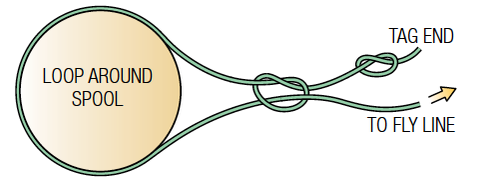
After spooling the line onto the reel, cut it cleanly to avoid fraying. Tie the line securely to the reel’s spool using a strong knot. The improved clinch knot is a good choice for holding the line tight.
- Use sharp scissors or a line cutter for a clean cut.
- Leave a small tag end of about one inch for knot strength.
- Wet the knot before tightening to reduce friction.
- Trim excess tag end close to the knot.
Adjusting Drag Settings
The drag controls how much resistance the fish feels when pulling line. Adjust it properly to protect the line from breaking. Tighten or loosen the drag knob based on the fish you expect to catch.
| Fish Size | Drag Setting |
| Small (up to 5 lbs) | Light drag |
| Medium (5 to 15 lbs) | Medium drag |
| Large (over 15 lbs) | Heavy drag |
Testing The Setup
Check your work before fishing. Pull the line by hand to feel the drag. Make sure the line flows smoothly from the spool. Rewind the handle to see if the line wraps evenly and tightly.
Quick Test Tips:
- Pull line gently to test drag resistance.
- Cast a few times to check line release.
- Look for any twists or tangles on the spool.
- Adjust drag or knot if needed.
Credit: monsterbass.com
Tips For Long-lasting Line Performance
Putting new fishing line on a spinning reel is important for a good fishing experience. Taking care of the line helps it last longer and work better.
Here are some tips to keep your fishing line in great shape. Follow these tips to avoid line breaks and tangles.
Storing Your Reel Properly
Store your reel in a cool, dry place to protect the fishing line. Avoid leaving it in direct sunlight or damp areas.
Use a reel cover or case to stop dust and dirt from building up on the line and reel parts.
- Keep the reel away from heat and moisture
- Use a protective cover when not in use
- Store reels upright to avoid line twisting
Regular Line Maintenance
Check your fishing line often for damage like nicks or frays. These small problems can cause the line to break.
Clean the line gently with a damp cloth to remove dirt and salt, especially after fishing in saltwater.
- Inspect the line before and after each fishing trip
- Wipe off salt and dirt to prevent wear
- Keep the line dry when storing your reel
When To Replace The Line
Replace your fishing line if it shows signs of wear or has been used for a long time. Old line is weaker and may break easily.
Also change the line if it has been exposed to sunlight or rough conditions for many months.
- Replace line every 6 to 12 months
- Change line after heavy use or big catches
- Look for fading, cracks, or stiffness as signs
Frequently Asked Questions
How Do I Choose The Right Fishing Line For Spinning Reels?
Select a line based on your target fish and fishing conditions. Monofilament is versatile, braid offers strength, and fluorocarbon is nearly invisible underwater. Match line weight to your reel’s specifications for optimal performance and avoid line tangles or breakage.
What Is The Best Way To Spool New Line On A Spinning Reel?
Attach the line to the spool with an arbor knot. Keep tension on the line while winding to prevent slack. Fill the spool evenly, leaving about 1/8 inch of space from the spool’s edge to avoid overfilling.
How Much Fishing Line Should I Put On My Spinning Reel?
Fill the spool about 80% full to avoid tangles and casting problems. Check your reel’s capacity ratings for recommended line length and weight. Proper line fill improves casting distance and reduces line twist.
How Do I Prevent Line Twists When Spooling A Spinning Reel?
Keep the line spool facing the same direction as the reel spool while winding. Apply steady tension and avoid overfilling. Using a swivel can also reduce line twists, ensuring smoother casts and fewer tangles.
Conclusion
Putting new fishing line on your spinning reel is simple and quick. Follow each step carefully for best results. A properly loaded reel helps your fishing experience a lot. Keep the line tight to avoid tangles and knots. Practice makes the process easier and faster over time.
Now, you are ready to enjoy your next fishing trip with confidence. Good fishing starts with good preparation. Try it yourself and see the difference!