
Have you ever wondered if your air conditioner does more than just cool your room? You might be surprised to learn that your AC could play a role in cleaning the air you breathe every day.
But how effective is it really? Can it help reduce dust, allergens, or harmful particles? If you want to understand how your air conditioner impacts your indoor air quality, keep reading. This article will clear up the mystery and help you make smarter choices for your home and health.
How Air Conditioners Affect Indoor Air
Air conditioners help cool indoor air but do not fully clean it. They use filtersto catch dust and some particles. These filters vary in quality and can trap larger dust and pollen. However, they cannot remove all pollutantslike bacteria or gases.
Cooling air is different from purifying it. Air conditioners mainly lower temperatureand control humidity. Air purifiers, on the other hand, use special filters to remove tiny particles, allergens, and harmful chemicals. So, an AC unit is not a full air purifier.
- Many think AC units clean air completely. This is not true.
- Filters need regular cleaning to work well.
- Air conditioners help reduce dust but don’t kill germs.
- Using an air purifier with AC improves air quality.

Credit: www.lennox.com
Types Of Air Filters In Ac Units
Standard fiberglass filtersare the most basic type. They catch large dust and dirt but do not clean very well. These filters are cheap and easy to replace.
Pleated filtershave more surface area to catch smaller particles. They trap dust, pollen, and pet dander better than fiberglass filters. These filters last longer and improve air quality.
HEPA filtersare very good at catching tiny particles like smoke, bacteria, and allergens. They can clean air much better but are more expensive and may not fit all AC units.
Activated carbon filtershelp remove odors and harmful gases. They work well with other filters to improve indoor air quality by trapping smells from cooking, pets, or smoke.
Limitations Of Air Conditioners In Cleaning Air
Air conditioners do not capture all types of particles. Large dust particles may be trapped, but smaller particleslike pollen, pet dander, and smoke often pass through.
Mold and bacteria can grow inside air conditioners if filtersand coils are not cleaned regularly. This can spread harmful germsinto the air.
In places with high pollution, air conditioners may struggle to keep air clean. They mainly cool air but do not remove all pollutants or gases effectively.

Credit: www.youtube.com
Maintaining Your Ac For Better Air Quality
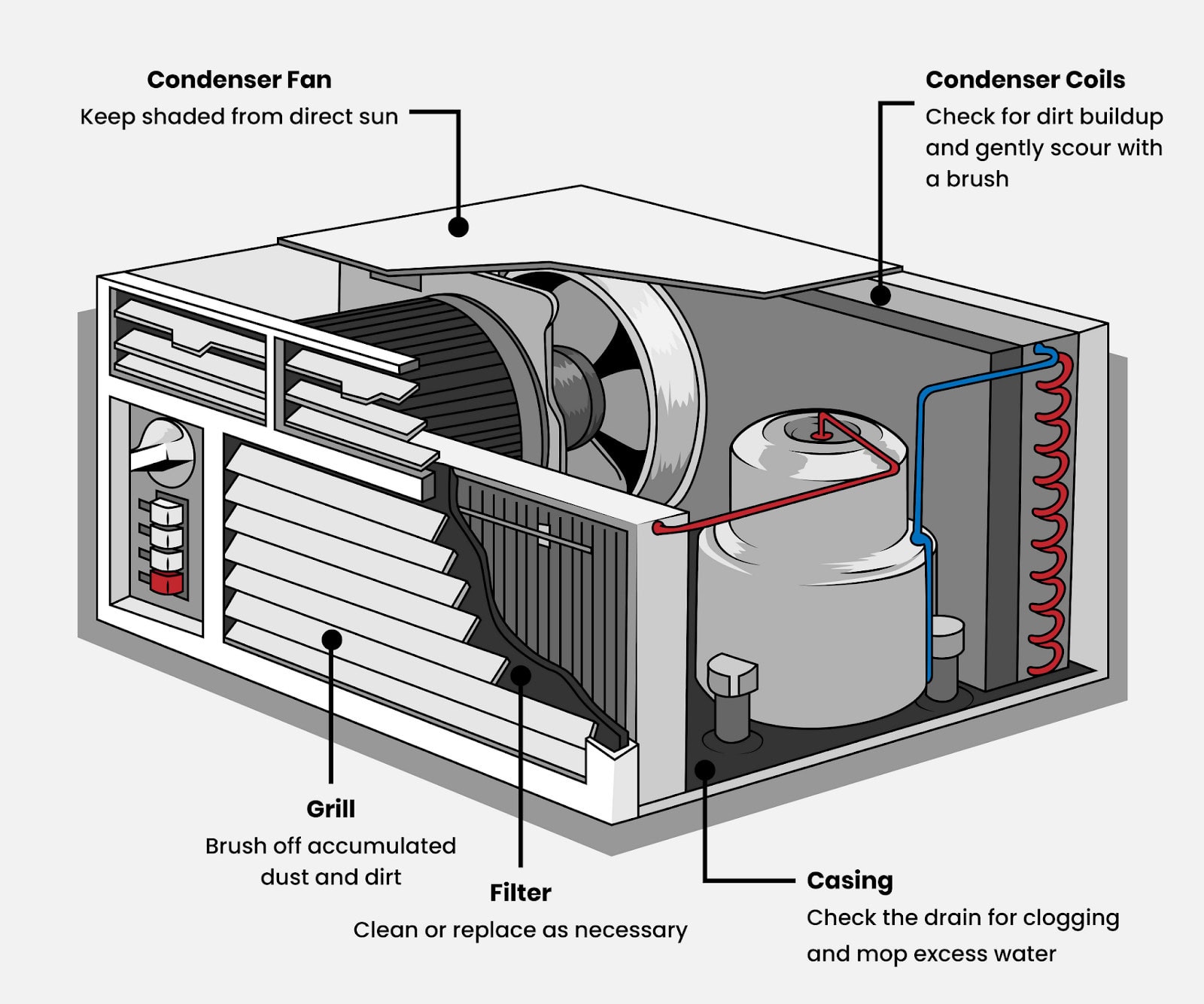
Regularly changing the air filterkeeps dust and dirt out. A clean filter lets air flow better and stops allergens.
Cleaning the coils and ductshelps remove dust buildup. This keeps the air cooler and fresher inside the room.
Getting your AC checked by a professionalensures all parts work well. They find hidden problems and clean parts deeply.
Enhancing Air Quality Beyond Air Conditioning
Air purifiers help remove dust, pollen, and tiny particles from the air. They use filters to trap pollutants, making the air cleaner to breathe. Some models also kill germs and bacteria.
Improving ventilation brings fresh air inside and pushes stale air out. Opening windows or using fans can help air move. Good airflow reduces smells and lowers indoor pollutants.
Humidity control keeps moisture at the right level. Too much moisture causes mold and dust mites. Too little makes the air dry and uncomfortable. Using a humidifier or dehumidifier helps balance humidity well.
Credit: blog.totalhomesupply.com
Health Impacts Of Poor Indoor Air Quality
Poor indoor air quality can cause allergiesand asthma. Dust, mold, and pet dander often trigger allergic reactions. These particles irritate the nose and throat, causing sneezing and coughing.
Respiratory issues like bronchitisand chest tightnessbecome common in bad air conditions. Airborne pollutants make it hard to breathe and lower lung function.
Long-term effects of poor air include chronic lung diseaseand heart problems. Continuous exposure to polluted air harms overall health and quality of life.
Frequently Asked Questions
Does An Air Conditioner Purify The Air?
Air conditioners are not designed to purify air. Their main function is cooling and dehumidifying. Some models have basic filters that can trap dust and allergens. However, for effective air purification, consider using an air purifier alongside your air conditioner.
Can Air Conditioners Remove Pollutants?
Air conditioners can remove some large particles like dust and pollen. They are not effective at removing smaller pollutants like smoke or chemical fumes. For comprehensive air cleaning, use specialized air purifiers designed to capture these smaller pollutants.
Do Ac Filters Clean Indoor Air?
AC filters can clean indoor air to some extent by trapping dust and allergens. However, they are not as effective as HEPA filters used in air purifiers. Regularly changing or cleaning AC filters helps maintain their efficiency in capturing particles.
Is Air Conditioner Good For Allergies?
Air conditioners can help reduce allergy symptoms by filtering out larger allergens like pollen and dust. However, they are not a substitute for dedicated air purifiers, which are more effective at removing a wider range of allergens and pollutants from the air.
Conclusion
Air conditioners can help reduce dust and some pollutants in the air. They use filters to trap dirt, pollen, and small particles. But they do not remove all harmful gases or very tiny particles. Cleaning and changing filters often keeps the air cleaner.
Proper ventilation is still important to keep fresh air flowing. Using an air conditioner alone does not guarantee fully clean air. Combine it with other methods for better air quality at home. Stay aware and maintain your AC for healthier indoor air.