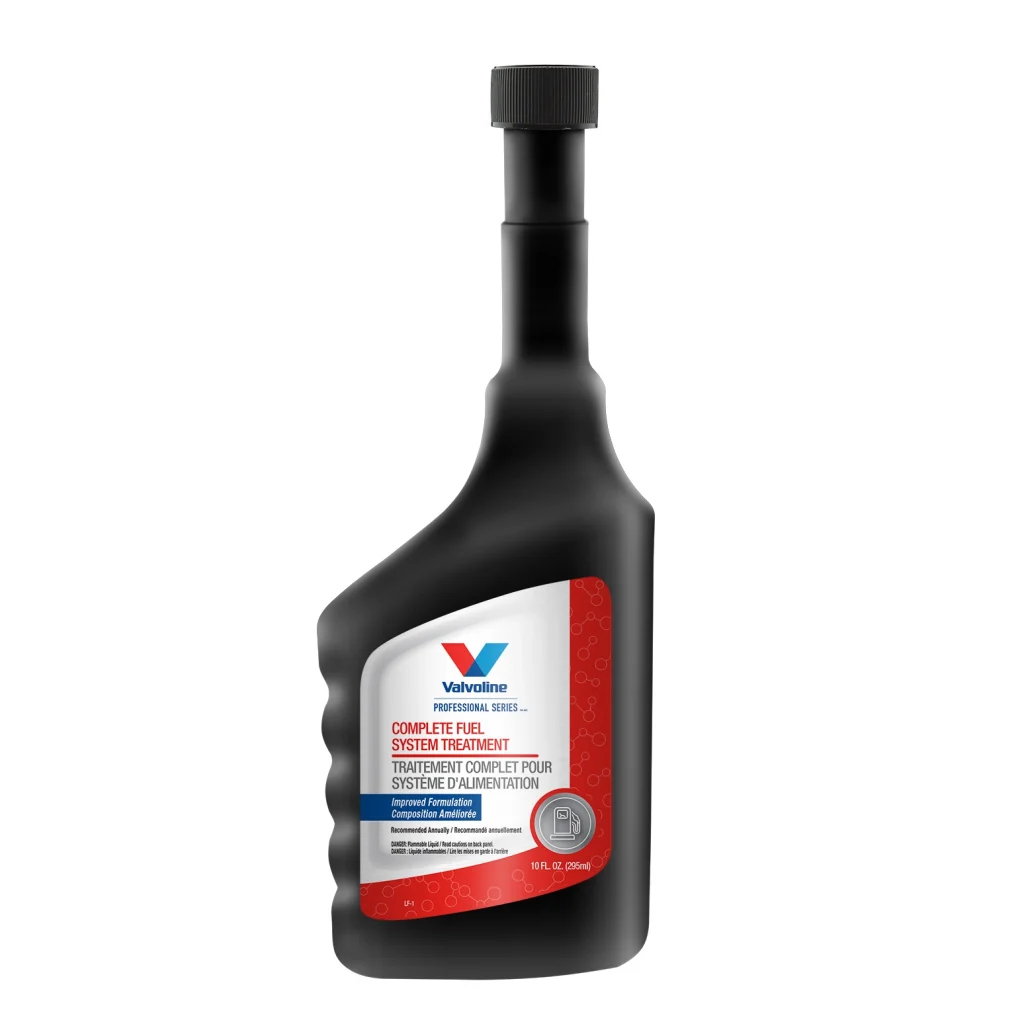
Are you noticing your car’s engine isn’t running as smoothly as it used to? You might be dealing with a clogged fuel system.
Using a fuel system cleaner can bring your engine back to life, improve performance, and even save you money on gas. But how do you use it correctly to get the best results? In this guide, you’ll learn simple steps to clean your fuel system effectively and keep your vehicle running at its best.
Keep reading—you’re just a few minutes away from unlocking smoother rides and better fuel efficiency.
Why Fuel System Cleaner Matters
Fuel system cleaner helps keep your car’s engine running smoothly. It removes dirt and buildup inside the fuel system parts.
Using a fuel system cleaner can improve engine performance and reduce problems caused by dirty fuel injectors or clogged filters.
Impact On Engine Efficiency
A clean fuel system allows fuel to flow freely and burn more completely. This boosts engine power and saves fuel.
- Better fuel combustion reduces smoke and emissions.
- Engine runs smoother with less knocking or hesitation.
- Improved acceleration and response time.
- Longer engine life due to less wear and tear.
Common Fuel System Issues
Many problems come from dirty fuel injectors, clogged filters, or deposits in the intake valves. These issues hurt fuel flow and engine performance.
| Issue | Cause | Effect |
| Clogged Fuel Injectors | Deposits from low-quality fuel | Uneven fuel spray, poor combustion |
| Dirty Intake Valves | Carbon buildup over time | Reduced air flow, loss of power |
| Clogged Fuel Filter | Particles and debris | Fuel starvation, engine stalling |
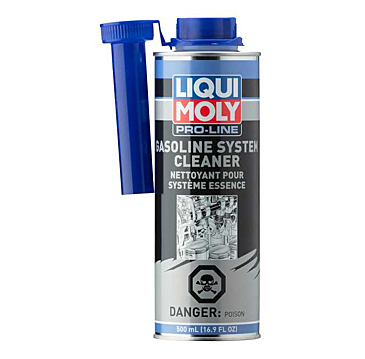
Credit: www.liqui-moly.com
Choosing The Right Cleaner
Fuel system cleaners help keep your engine running smoothly. Choosing the right cleaner can protect your car’s parts and improve performance.
Different cleaners work for different engines and problems. Knowing the types and what to consider helps you pick the best one.
Types Of Fuel System Cleaners
Fuel system cleaners come in several types. Each targets a specific part of the fuel system or type of dirt.
- Injector Cleaners:Remove deposits from fuel injectors for better spray patterns.
- Carburetor Cleaners:Clean carburetor parts to improve fuel flow and idle.
- Intake Valve Cleaners:Target carbon build-up on intake valves and ports.
- Complete Fuel System Cleaners:Clean the entire fuel system including injectors, valves, and combustion chambers.
- Diesel Fuel Additives:Designed for diesel engines to reduce soot and improve combustion.
Factors To Consider
Choose a cleaner based on your vehicle type and engine issues. Check ingredients and follow vehicle maker advice.
| Factor | What to Check |
| Vehicle Type | Gasoline or diesel engine? Use the cleaner made for your type. |
| Engine Condition | Heavy carbon build-up needs stronger cleaners. |
| Cleaner Ingredients | Look for detergents that are safe and effective. |
| Frequency of Use | Some cleaners are for regular use, others for occasional treatment. |
| Compatibility | Check if the cleaner works with your fuel system parts. |
Preparing Your Vehicle
Using a fuel system cleaner can help keep your engine running smoothly. Before adding the cleaner, it is important to prepare your vehicle correctly.
Proper preparation ensures the cleaner works well and safely. Follow the steps below to get your vehicle ready.
When To Use Fuel System Cleaner
Use a fuel system cleaner if your vehicle shows signs of fuel problems. Common signs include rough idling, poor acceleration, or increased fuel consumption.
- If you notice engine knocking or hesitation
- After driving in heavy traffic or dusty areas
- Every 3,000 to 5,000 miles as preventive care
- Before long trips to improve fuel efficiency
Safety Precautions
Fuel system cleaners contain chemicals that can be harmful if not handled properly. Follow these safety tips to protect yourself and your vehicle.
| Safety Tip | Explanation |
| Work in a well-ventilated area | Prevents inhaling harmful fumes |
| Wear gloves and eye protection | Protects skin and eyes from chemicals |
| Keep away from open flames | Cleaner is flammable and can catch fire |
| Store cleaner out of reach of children | Prevents accidental poisoning |
| Follow manufacturer’s instructions | Ensures safe and effective use |

Credit: www.liqui-moly.com
Step-by-step Cleaning Process
Using a fuel system cleaner helps remove dirt and deposits inside your fuel system. This keeps your engine running smoothly and improves fuel efficiency.
Follow these steps to use the cleaner safely and effectively.
Adding The Cleaner To The Fuel Tank
Make sure your fuel tank is nearly empty before adding the cleaner. This helps the cleaner mix well with the fuel.
Pour the recommended amount of cleaner directly into the fuel tank. Use the cleaner bottle’s instructions for the correct dose.
Driving Tips During Cleaning
Drive your vehicle normally after adding the cleaner. Avoid short trips to let the cleaner work through the fuel system.
- Keep the engine running at regular speeds
- Avoid idling for long periods
- Use highway driving if possible
- Complete a full tank after the cleaner is added
Frequency Of Use
Use fuel system cleaner every 3,000 to 5,000 miles or as stated in your vehicle manual. Regular use helps prevent build-up.
Do not overuse the cleaner. Follow the product’s instructions for safe intervals between uses.
Signs Of Improved Performance
Using a fuel system cleaner can help your car run better. It removes deposits that slow down the engine. You will notice changes when your car works well again.
Look for these signs to know if the fuel system cleaner is working. They show your engine is cleaner and more efficient.
Fuel Efficiency Gains
One clear sign of cleaner fuel system is better fuel economy. Your car uses less gas to go the same distance. This saves money and reduces pollution.
- Longer driving range per tank
- Smoother acceleration without extra fuel use
- Lower fuel consumption during city and highway driving
- Less frequent need to fill the tank
Smoother Engine Operation
A clean fuel system helps the engine run with fewer problems. You will feel the engine working more smoothly and quietly.
| Symptom | Before Cleaner | After Cleaner |
| Engine Roughness | Frequent shaking or vibrations | Steady and smooth running |
| Engine Noise | Loud or irregular sounds | Quieter and even sound |
| Starting | Hard or slow starts | Quick and easy start |
| Acceleration | Jerky or delayed response | Fast and smooth response |
Potential Risks And How To Avoid Them
Fuel system cleaners help keep engines clean and running well. Using them carelessly can cause problems. It is important to know the risks and how to avoid them.
This guide covers common risks like overuse and mixing cleaners with different fuels. Follow these tips for safe use.
Overuse Concerns
Using fuel system cleaner too often can damage engine parts. It may wear out seals and hoses. This can cause leaks or poor engine performance.
Stick to the cleaner’s instructions. Use it only as often as recommended by the maker or your car’s manual.
- Do not add cleaner every fill-up
- Wait the suggested miles between treatments
- Choose a cleaner that fits your vehicle’s needs
Using Cleaners With Different Fuel Types
Fuel system cleaners are made for specific fuel types. Using a cleaner for gasoline in a diesel engine can cause damage.
Always check the cleaner label for the right fuel type. Using the wrong cleaner can clog filters or harm engine parts.
- Use gasoline cleaners only in gasoline engines
- Use diesel cleaners only in diesel engines
- Do not mix cleaners made for different fuels
- Read product instructions carefully before use
Maintenance Tips For Long-term Engine Health
Using a fuel system cleaner helps keep your engine running smoothly. It removes deposits and improves fuel flow.
Regular maintenance keeps your engine healthy and extends its life. Here are some tips for using fuel system cleaners.
Regular Fuel System Checks
Check your fuel system often to spot problems early. Look for leaks, worn parts, or dirt buildup.
Use a fuel system cleaner every few thousand miles to keep parts clean. Follow the product instructions carefully.
- Inspect fuel lines for cracks or leaks
- Check fuel filter condition and replace if needed
- Watch for rough engine idling or poor acceleration
- Use fuel system cleaner as recommended
Combining Cleaners With Other Engine Care
Fuel system cleaners work best with regular engine care. Change oil and air filters to help engine parts last longer.
Keep spark plugs clean and replace them when worn. This improves engine starting and fuel efficiency.
- Change engine oil on schedule
- Replace air filters regularly
- Check and clean spark plugs
- Use fuel system cleaner as part of routine care

Credit: www.youtube.com
Frequently Asked Questions
What Is Fuel System Cleaner And Why Use It?
Fuel system cleaner removes deposits from fuel injectors and intake valves. It improves engine performance, fuel efficiency, and reduces emissions. Using it regularly helps maintain a clean fuel system and prevents costly repairs.
How Often Should I Use Fuel System Cleaner?
Use fuel system cleaner every 3,000 to 5,000 miles or as recommended by the product. Regular use keeps the fuel system clean and ensures optimal engine function. Avoid overuse to prevent potential damage.
Can Fuel System Cleaner Damage My Engine?
When used as directed, fuel system cleaner is safe and won’t harm the engine. Overuse or incorrect application may cause issues. Always follow product instructions carefully for the best results.
How Do I Use Fuel System Cleaner Correctly?
Add the recommended amount of cleaner to a nearly empty fuel tank. Fill the tank with fuel to mix the cleaner properly. Run the engine normally to allow the cleaner to work through the system.
Conclusion
Using a fuel system cleaner helps keep your engine running smoothly. It removes dirt and deposits that can cause problems. Regular use can improve fuel efficiency and reduce emissions. Always follow the instructions on the product label carefully. Clean fuel systems lead to better performance and longer engine life.
Small steps like this protect your vehicle and save money. Simple to use. Easy to maintain. A smart choice for any car owner.