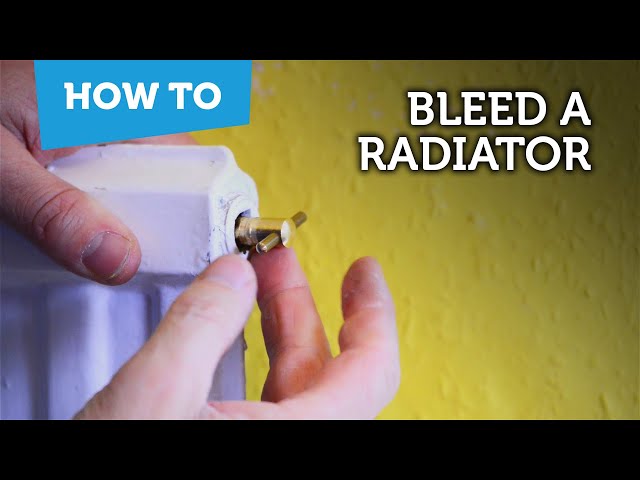
Is your heating system not working as well as it should? You might have air trapped inside.
Air in your heating system can cause cold spots, strange noises, and higher energy bills. But don’t worry—removing that air is easier than you think. In this guide, you’ll learn simple steps to get your heating system running smoothly again.
Keep reading, and you’ll soon enjoy a warmer, more efficient home.

Credit: www.plusheat.co.uk
Signs Of Air In Heating Systems
Air trapped inside a heating system causes several problems. It can reduce heat flow and make your radiators work poorly.
Knowing the signs of air in your heating system helps you fix it early. This keeps your home warm and saves energy.
Noisy Radiators
Noisy radiators often mean air is trapped inside the pipes. You may hear banging, gurgling, or rattling sounds.
- Banging noises when the system starts
- Gurgling sounds as water moves
- Rattling from trapped air bubbles
Uneven Heating
Air in the system stops hot water from reaching all radiators. Some rooms feel warm while others stay cold.
| Room | Heating Status |
| Living Room | Warm |
| Bedroom | Cold |
| Kitchen | Warm |
| Bathroom | Cold |
Cold Spots
Cold spots appear on radiators when air blocks heat flow. These areas stay cool to touch even when heating is on.
- Look for cold patches on radiator surfaces
- Check if the radiator heats unevenly
- Feel the top and bottom for temperature differences

Credit: www.angi.com
Tools Needed For Air Removal
Removing air from your heating system helps it work better. You need a few simple tools to do this safely.
Using the right tools makes the process quick and clean. Here are the main items you will need.
Radiator Key
A radiator key is a small tool used to open the valve on your radiator. This lets trapped air escape. It fits into the valve square or slot.
- Turn the key slowly to release air
- Stop when water starts to come out
- Keep the key handy for all radiators
Cloth Or Container
You need a cloth or container to catch water that may leak during the air removal. This prevents spills and keeps the area clean.
| Tool | Use |
| Cloth | Wipe drips and clean valve area |
| Container | Catch water leaking from radiator valve |
Towel Or Gloves
Wear gloves or keep a towel nearby to protect your hands from hot water. Towels help dry any spills quickly.
- Use gloves to avoid burns
- Keep towels for cleaning spills
- Protect floors and furniture with towels
Step-by-step Bleeding Process
Air trapped in a heating system can cause cold spots and reduce efficiency. Bleeding the system removes this air to restore proper heat flow. Follow these simple steps carefully to bleed your heating system.
Make sure you have a cloth or small container ready to catch any water during the process. Safety first: take your time and work methodically.
Turn Off The Heating
Before starting, switch off your heating system. This prevents hot water from causing burns. Wait for the radiators to cool down to avoid injury during bleeding.
Locate The Bleed Valve
The bleed valve is usually found at the top side of each radiator. It looks like a small valve with a square or slot head. You may need a radiator key or a flat screwdriver to open it.
Release Air Carefully
- Place a cloth or container under the bleed valve to catch water.
- Insert the radiator key or screwdriver into the valve.
- Turn the valve slowly counterclockwise to open it.
- Listen for a hissing sound as the air escapes.
- When water starts to flow steadily, close the valve by turning it clockwise.
Close The Valve Securely
Make sure to close the bleed valve tightly. This stops water from leaking. Avoid over-tightening to prevent damage to the valve.
Check System Pressure
| Step | Action | Recommended Pressure |
| 1 | Look at the pressure gauge on your boiler | 1.0 to 1.5 bar |
| 2 | If pressure is low, add water via the filling loop | Do not exceed 2.0 bar |
| 3 | Turn heating back on and check radiators for warmth | N/A |
Preventing Air Build-up
Air can cause problems in your heating system. It blocks heat and makes your system noisy. Preventing air build-up keeps your system working well.
Regular checks and simple steps help stop air from getting trapped. This saves energy and keeps your home warm.
Regular Maintenance
Check your heating system often for air pockets. Bleed radiators regularly to release trapped air. This keeps water flowing smoothly.
Listen for gurgling sounds or cold spots on radiators. These signs show air is inside. Fixing it early prevents bigger problems.
- Bleed radiators once a year or more
- Inspect pipes for leaks or damage
- Check boiler pressure monthly
- Schedule professional servicing yearly
Proper System Filling
Fill your heating system carefully to avoid air pockets. Fill slowly and watch the pressure gauge. Stop if the pressure rises too fast.
Use the correct water type for your system. Dirty or hard water can cause air and damage parts. Follow manufacturer instructions for filling.
- Fill system slowly and steadily
- Check pressure gauge while filling
- Use clean, treated water only
- Close valves tightly after filling
Using Automatic Air Vents
Install automatic air vents to remove air without manual work. These vents open to release air and close to keep water in.
Place vents at high points in the system where air collects. They work all the time to keep air out and improve heating efficiency.
- Choose vents suitable for your system type
- Install vents at radiators and pipe high points
- Check vents for leaks or blockages
- Replace faulty vents promptly
When To Call A Professional
Air trapped in your heating system can cause noise and reduce heat efficiency. You can remove air yourself in many cases. But some problems need expert help to avoid damage.
This guide explains when you should call a professional for air removal in your heating system. Knowing the signs helps keep your system safe and working well.
Persistent Air Problems
If air keeps returning after you bleed the radiators, it may show a bigger issue. A professional can find hidden leaks or faulty valves causing the problem.
- Radiators stay cold despite bleeding
- Frequent loud banging or gurgling noises
- Pressure drops in the heating system
- Visible leaks or corrosion near valves
Complex System Issues
Some heating systems are large or have many parts. These systems need careful handling to avoid damage or poor performance. Professionals have tools and skills to manage complex setups.
| Problem | Why Call a Professional |
| Multiple radiators with air | Need system-wide inspection and balancing |
| Combination boiler issues | Requires expert knowledge for safe air removal |
| Underfloor heating | Specialized equipment needed for bleeding |
| Old or delicate systems | Risk of damage if handled incorrectly |
Safety Concerns
Some air removal tasks involve risks. Professionals follow safety rules to protect you and your home. Call an expert if you see these signs or feel unsure.
- Heating system uses gas or oil
- Boiler shows error codes or leaks
- You notice strange smells or noises from the boiler
- You lack tools or confidence to bleed radiators safely

Credit: corkheatingcooling.ie
Frequently Asked Questions
How Do I Know If My Heating System Has Air?
Signs include uneven heating, banging noises, and cold spots in radiators. Air blocks water flow, causing these issues.
What Tools Do I Need To Remove Air From Heating?
You need a radiator key, cloth, and sometimes a screwdriver. These help safely open air vents.
How Often Should I Bleed My Heating System?
Bleed your system once or twice a year, typically before winter. Regular bleeding maintains efficiency and comfort.
Can I Bleed The Heating System Myself Safely?
Yes, with caution. Turn off the boiler, use a key to open vents slowly, and close once air escapes.
Conclusion
Removing air from your heating system keeps it working well. It helps your home stay warm and saves energy. Regularly checking and bleeding your radiators stops cold spots. This simple task can prevent costly repairs later. Use the right tools and follow safety steps.
Taking care of your heating system is easy and smart. Keep your home cozy all winter long. Don’t let trapped air ruin your comfort or bills. Small effort, big comfort.