If you want your air conditioner to run smoothly and last longer, knowing how to use a vacuum pump is a game-changer. You might think this tool is only for professionals, but with the right steps, you can do it yourself and save time and money.
Using a vacuum pump correctly removes moisture and air from your AC system, which helps prevent damage and improves cooling performance. Keep reading, and you’ll discover simple, clear instructions that make this task easy—even if you’re new to HVAC work.
By the end, you’ll feel confident handling your air conditioner like a pro.
Choosing The Right Vacuum Pump
Using a vacuum pump on an air conditioner helps remove air and moisture. Choosing the right pump makes the job easier and safer.
Not all pumps work the same. This guide helps you pick the best one for your air conditioner needs.
Types Of Vacuum Pumps
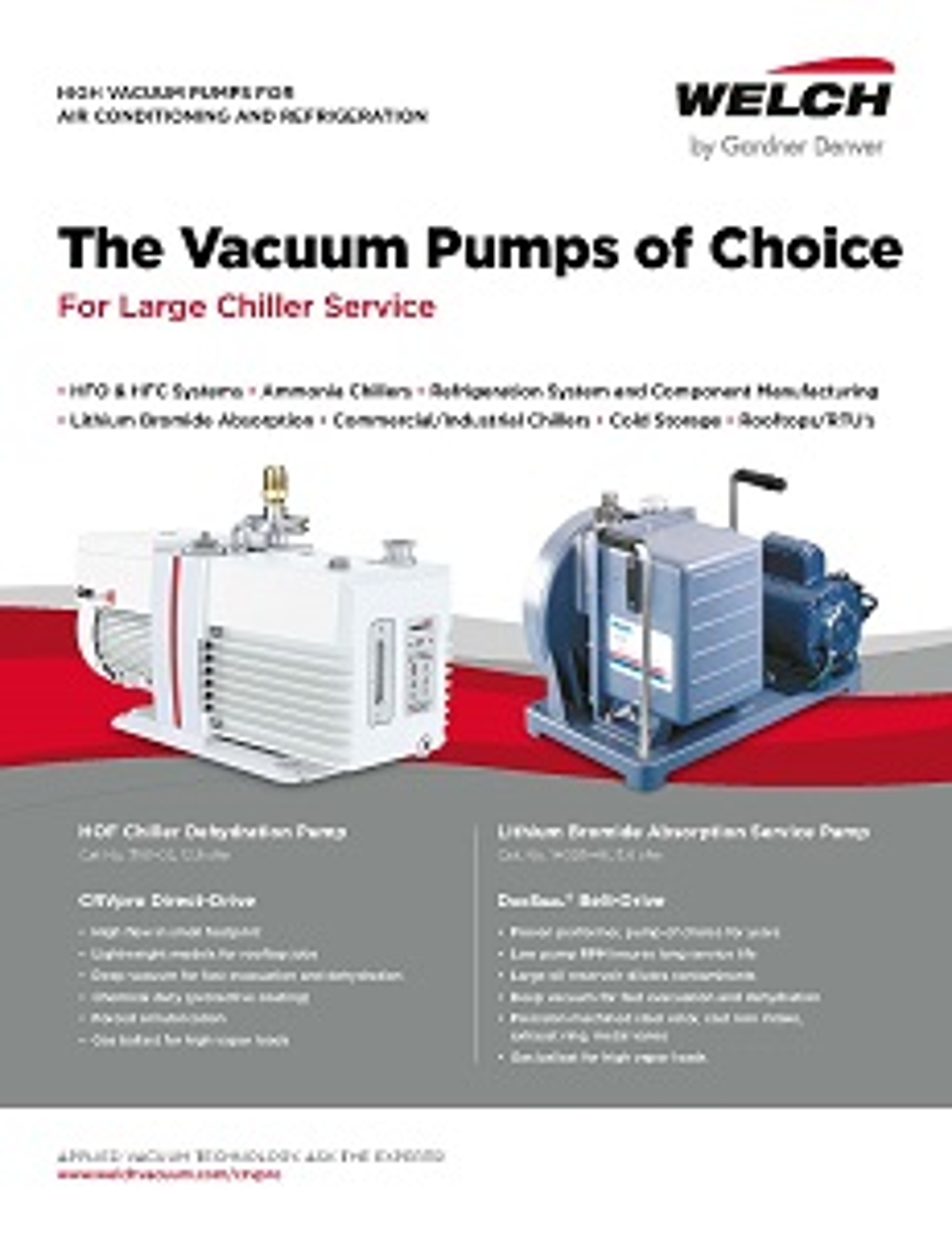
There are different types of vacuum pumps. Each type works in a special way to remove air and moisture.
- Rotary Vane Pumps: Common and reliable for HVAC work.
- Diaphragm Pumps: Small and good for light jobs.
- Scroll Pumps: Quiet and oil-free, but costly.
- Liquid Ring Pumps: Used for heavy-duty vacuum needs.
Factors To Consider
Pick a vacuum pump based on your air conditioner’s size and system type. Also, think about how often you will use it.
Power, speed, and ease of use are important. Look for pumps that reach the right vacuum level quickly.
- Vacuum Level: Choose one that reaches 500 microns or less.
- CFM Rating: Higher cubic feet per minute means faster vacuum.
- Portability: Lightweight pumps are easier to carry.
- Durability: A pump with good build quality lasts longer.
- Maintenance: Pumps that need less oil or service save time.
Recommended Models
Some vacuum pumps are well known for reliability and performance. These models suit most air conditioning work.
- Robinair 15500 Rotary Vane Pump: Good for professionals and beginners.
- Yellow Jacket 93560: Durable with fast vacuum speed.
- Fieldpiece VP55: Lightweight and easy to carry.
- Inficon 228-2: High quality with good vacuum level.
Credit: www.welchvacuum.com
Preparing The Air Conditioner
Using a vacuum pump on an air conditioner helps remove air and moisture. Preparing the unit correctly is important for good results.
Before starting, make sure you follow safety steps and gather all needed tools. Also, find the right service ports on your AC.
Safety Precautions
Working with air conditioners and vacuum pumps can be risky. Always wear safety gear like gloves and goggles to protect yourself.
Make sure the power to the air conditioner is off. This stops any accidental electric shocks while working on it.
- Wear gloves and safety glasses
- Turn off the AC power supply
- Work in a well-ventilated area
- Keep children and pets away
Gathering Necessary Tools
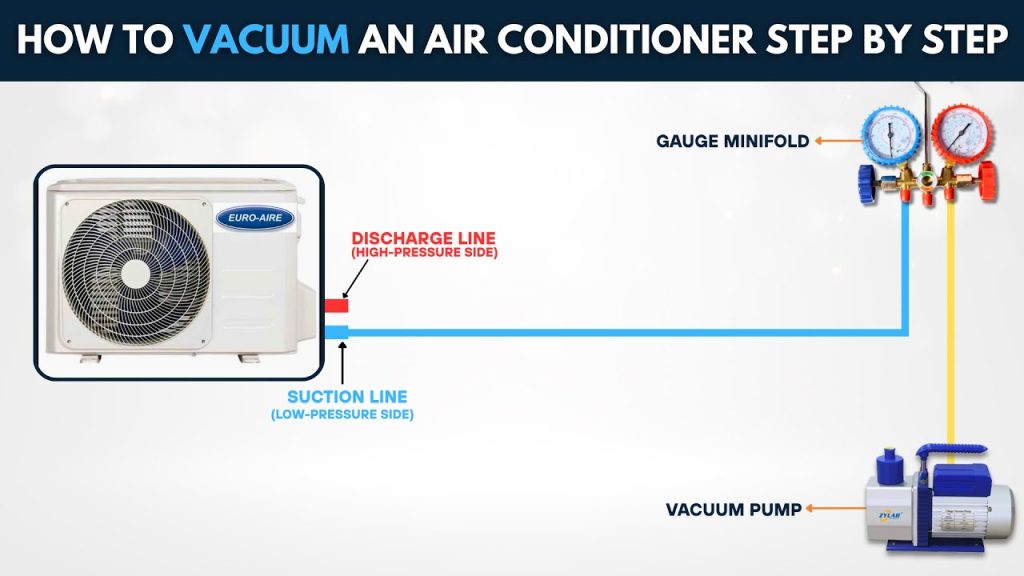
You need a vacuum pump and a manifold gauge set to start. These tools help you connect and measure the AC system.
Also, have wrenches and protective cloths ready. These will help you open valves and keep the area clean.
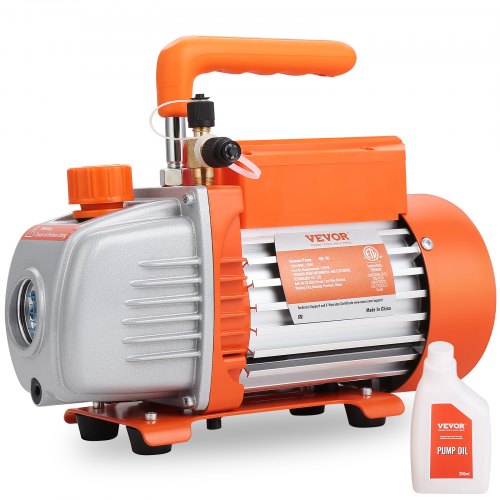
- Vacuum pump
- Manifold gauge set
- Wrenches (correct sizes)
- Protective cloth or towel
- Safety gloves and glasses
Locating Service Ports
Service ports are the spots where you connect the vacuum pump. They are usually on the AC’s refrigerant lines.
Find the low-pressure and high-pressure ports. The low-pressure port is the main point for vacuuming the system.
- Look for capped valves on refrigerant lines
- Identify the low-pressure port (larger diameter)
- Find the high-pressure port (smaller diameter)
- Remove caps carefully before connecting tools
Setting Up The Vacuum Pump
Using a vacuum pump on an air conditioner removes moisture and air. This step is important to keep the system running well.
Before starting, you need to set up the vacuum pump carefully. This guide covers key points to prepare it right.
Connecting Hoses Correctly
Attach the hoses to the vacuum pump and air conditioner ports carefully. Wrong connections can cause damage or poor results.
- Connect the low-pressure hose to the vacuum pump’s inlet.
- Attach the other end of the low-pressure hose to the service port on the air conditioner.
- Make sure the high-pressure hose is capped or not connected during vacuuming.
- Check that all hose connections are tight and secure.
Checking For Leaks
Leaks can let air or moisture enter the system. Check all connections before starting the pump.
| Leak Check Method | Description |
|---|---|
| Soap Solution | Apply soap water on connections; bubbles show leaks. |
| Pressure Test | Pressurize system and watch if pressure drops over time. |
| Visual Inspection | Look for cracks or loose fittings on hoses and valves. |
Ensuring Proper Seals
Proper seals keep the system airtight during vacuuming. This stops outside air and moisture from entering.
- Use new O-rings or gaskets if old ones look worn.
- Lubricate O-rings lightly to improve sealing and prevent damage.
- Tighten all fittings by hand first, then use tools carefully.
- Check seals again after connecting hoses to confirm no gaps.
Credit: www.vevor.ca
Operating The Vacuum Pump
Using a vacuum pump on an air conditioner helps remove air and moisture from the system. Proper operation ensures the system works efficiently and prevents damage.
This guide explains how to start the pump, monitor pressure, and decide the best vacuum time.
Starting The Pump
First, connect the vacuum pump to the air conditioner’s service ports. Make sure all connections are tight to avoid leaks.
Turn on the pump and listen for any unusual sounds. A smooth, steady noise means the pump is working correctly.
Monitoring Pressure Levels
Check the pressure gauge regularly while the pump runs. The pressure should drop steadily as air and moisture leave the system.
- Watch for pressure below 500 microns for effective vacuum.
- If pressure stalls or rises, check for leaks or blockages.
- Maintain a steady vacuum without fluctuations.
Determining Optimal Vacuum Time
The vacuum time depends on the system size and moisture level. Small systems may need 15 minutes, larger ones require longer.
| System Size | Recommended Vacuum Time |
| Small (up to 3 tons) | 15-20 minutes |
| Medium (3 to 5 tons) | 20-30 minutes |
| Large (above 5 tons) | 30-45 minutes |
After Vacuuming
After vacuuming your air conditioner, you must handle the system carefully. This keeps the unit safe and working well.
Follow these steps to close valves, remove equipment, and check the system’s condition.
Closing Valves Safely
Close the vacuum pump valve first to stop air from entering the system. Then close the service port valve on the AC unit.
Make sure both valves are tight to keep the system sealed and free from air or moisture.
- Turn the vacuum pump valve clockwise to close it
- Close the service port valve by turning it clockwise
- Check for any leaks around the valves
Removing The Pump And Hoses
After closing the valves, remove the vacuum pump hose carefully. Avoid letting air into the system.
Disconnect the hoses slowly to prevent damaging the fittings or letting dirt inside.
- Turn off the vacuum pump
- Loosen hose connections gently
- Remove hoses and store them clean and dry
Checking System Integrity
Check the air conditioner for leaks or damage after vacuuming. This ensures the system stays efficient.
Listen for any hissing sounds and inspect all connections and valves for tightness.
- Look at valve seals for signs of wear
- Check hoses for cracks or damage
- Use a leak detector if available
Common Mistakes To Avoid
Using a vacuum pump on an air conditioner needs care and attention. Mistakes can cause damage or reduce efficiency. Avoid these common errors for better results.
Read the following sections to learn what to watch out for when using a vacuum pump.
Running Pump Without Proper Connections
Starting the vacuum pump without all connections secured can cause leaks. Air can enter the system and stop the pump from creating a proper vacuum.
- Check all hoses are tightly attached.
- Confirm valves are closed or open as needed.
- Inspect for any cracks or damage in fittings.
- Do not run the pump if connections are loose.
Short Vacuum Duration
Vacuuming too briefly may leave air and moisture inside the system. The pump needs enough time to remove all contaminants.
| Vacuum Time | Effect |
| Less than 15 minutes | Incomplete air removal |
| 15 to 30 minutes | Better but may miss moisture |
| 30 minutes or more | Optimal air and moisture removal |
Ignoring Moisture Removal
Moisture inside the air conditioner can cause corrosion and freezing. The vacuum pump must remove water vapor effectively.
- Use a vacuum gauge to check for moisture.
- Keep the pump running until the pressure stays low.
- Never skip the vacuum step before charging refrigerant.
- Consider using a moisture indicator if available.
Maintaining Your Vacuum Pump
Keeping your vacuum pump in good shape helps it work longer. Regular care stops damage and keeps the pump reliable.
Simple steps like cleaning, oil changes, and proper storage make a big difference in pump life.
Regular Cleaning Tips
Clean your vacuum pump after each use. Remove dirt and debris from outside and inside parts. Use a soft cloth and mild cleaner.
- Wipe the pump housing gently
- Check and clean filters or screens
- Clear dust from vents and cooling fins
- Inspect hoses for blockages
Lubrication And Oil Changes
Oil keeps the pump running smoothly. Change oil often based on how much you use the pump. Use only the oil recommended by the manufacturer.
| Task | Frequency | Notes |
| Check oil level | Before each use | Top up if low |
| Change oil | After 50 hours of use | More often in dusty conditions |
| Use correct oil type | Always | Refer to user manual |
Storage Best Practices
Store your vacuum pump in a dry, clean place. Avoid places with high humidity or dust. Keep the pump covered to protect it.
- Drain oil before long storage
- Seal openings to stop dust entry
- Keep the pump upright
- Check pump condition before use after storage

Credit: www.youtube.com
Frequently Asked Questions
What Is The Purpose Of A Vacuum Pump In Air Conditioners?
A vacuum pump removes air and moisture from the AC system. This prevents damage and ensures efficient cooling. It creates a vacuum to prepare the system for refrigerant charging.
How Do I Connect A Vacuum Pump To My Ac Unit?
Attach the vacuum pump to the service port using appropriate hoses. Ensure all valves are closed before starting. Follow safety guidelines and check for leaks to maintain system integrity.
How Long Should I Run A Vacuum Pump On An Ac?
Run the vacuum pump for 15 to 30 minutes. This duration removes moisture and air effectively. Use a micron gauge to verify when the desired vacuum level is reached.
Can I Use A Vacuum Pump Without Professional Help?
Yes, but only if you follow proper instructions carefully. Mistakes can damage your AC system. It’s best to have basic HVAC knowledge or seek professional guidance.
Conclusion
Using a vacuum pump on your air conditioner helps remove air and moisture. This keeps the system clean and working well. Always follow safety steps and use the right tools. Taking care during this process avoids damage and saves money.
Regular maintenance with a vacuum pump extends your air conditioner’s life. Simple steps can make a big difference in cooling performance. Keep your home comfortable and your system running smoothly.