Have you ever wondered just how cold your air conditioner can actually make your room? When the summer heat feels unbearable, you rely on your AC to bring relief.
But understanding how cold it can get helps you set the right expectations and use your unit more efficiently. You’ll discover the surprising facts about air conditioner temperatures and learn how to get the most comfort without wasting energy. Keep reading to unlock the secrets behind your AC’s cooling power and take control of your indoor comfort like never before.
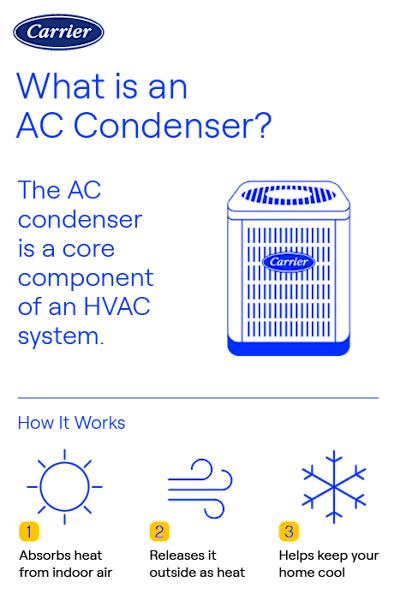
Credit: www.carrier.com
Air Conditioner Cooling Basics
Air conditioners cool indoor spaces by removing heat from the air. They use parts that work together to lower the temperature.
Understanding how air conditioners work helps you know how cold they can get and why.
How Ac Units Lower Temperature
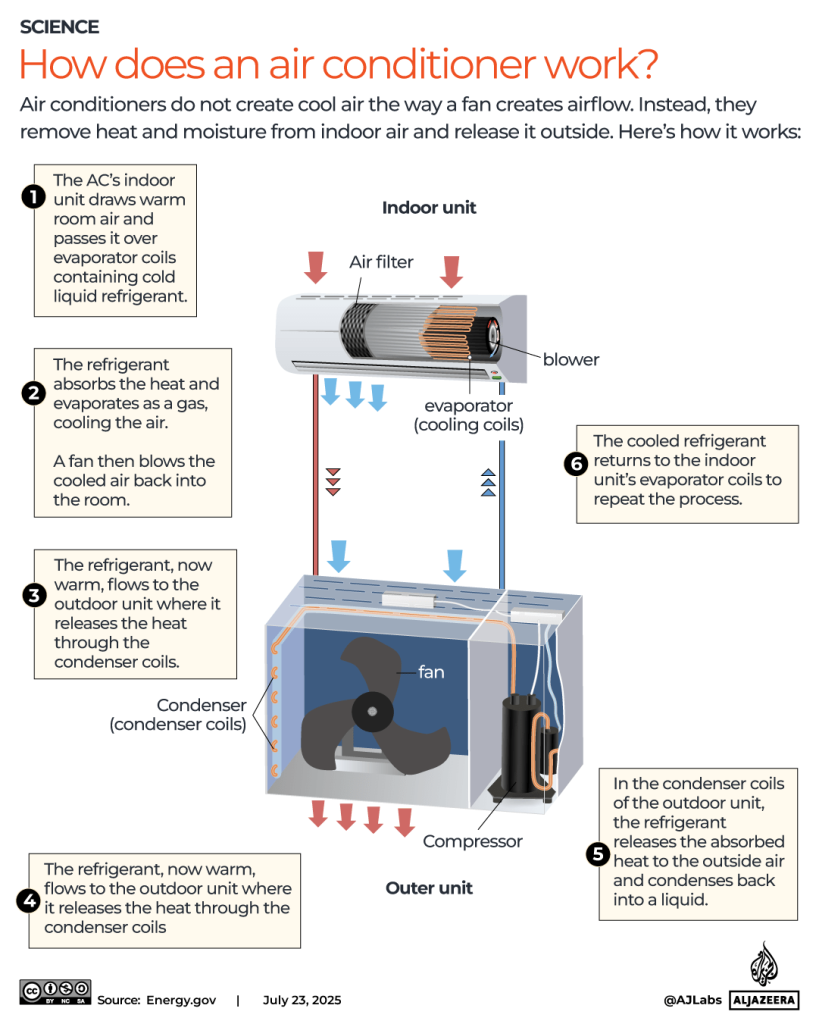
Air conditioners pull warm air from a room and pass it over cold coils. The heat moves from the air to the coils, cooling the air. Then, the cooled air circulates back into the room.
- The fan draws warm air inside.
- The air passes over refrigerant-filled coils.
- The refrigerant absorbs heat and cools the air.
- The cooled air flows back into the room.
- The heat is released outside by the outdoor unit.
Role Of Refrigerants
Refrigerants are special liquids inside the AC that absorb heat. They change from liquid to gas to move heat away from the air inside your home.
As the refrigerant absorbs heat, it cools down the air passing over the coils. Then, it releases the heat outside and turns back into liquid.
Impact Of Btu Ratings
| BTU Rating | Cooling Power |
| 5,000 BTU | Small room up to 150 sq ft |
| 8,000 BTU | Medium room up to 350 sq ft |
| 12,000 BTU | Large room up to 550 sq ft |
| 18,000 BTU | Very large room up to 1,000 sq ft |
BTU stands for British Thermal Unit. It measures the cooling capacity of an air conditioner. Higher BTU means more cooling power for bigger rooms.

Credit: www.lifestylewarehouse.co.uk
Factors Affecting Ac Cooling
Air conditioners cool rooms by removing heat. The actual temperature they reach depends on many things. Understanding these factors helps you set realistic expectations.
This article explains key factors that affect how cold your air conditioner can get a room. These include room size, outdoor temperature, and thermostat settings.
Room Size And Insulation
The size of your room is a major factor. A small room cools faster than a large one. Insulation also plays a big role in keeping cool air inside.
| Room Size | Effect on Cooling |
|---|---|
| Small (under 150 sq ft) | Cools quickly and stays cold |
| Medium (150-300 sq ft) | Moderate cooling time |
| Large (over 300 sq ft) | Takes longer to cool, may need stronger AC |
Good insulation reduces heat gain from outside. Walls, windows, and doors should block heat well. This keeps the room cooler and the AC working less.
Outdoor Temperature Influence
Outdoor temperature affects how cold the AC can make your room. Hotter weather means the AC works harder to cool the same space.
- Very hot days reduce AC cooling efficiency.
- Mild weather helps the AC reach lower temperatures.
- High humidity can make the room feel warmer.
Thermostat Settings And Limits
Thermostat controls how cold the AC tries to make the room. Most units have a minimum temperature limit. Setting the thermostat too low can cause the AC to run longer without cooling more.
- Set the thermostat to a comfortable temperature, not extremely low.
- Avoid setting it below the AC’s minimum limit.
- Use a programmable thermostat to save energy.
Typical Temperature Ranges
Air conditioners cool indoor spaces by lowering the air temperature. The exact temperature they reach varies by model and settings.
Understanding typical temperature ranges helps you set your AC for comfort and efficiency.
Average Coolest Temperatures
Most air conditioners can cool rooms to between 60°F and 70°F (15°C to 21°C). This is usually the lowest temperature setting available.
Cooling below this range is rare because it can cause the AC to work too hard or freeze up.
Variations By Ac Type
Different types of air conditioners cool to different temperatures. Window units, split systems, and central ACs have varied capabilities.
- Window ACs:Usually cool down to 65°F (18°C).
- Split Systems:Can reach about 60°F (15°C).
- Central ACs:Often set between 65°F and 70°F (18°C to 21°C).
The size of the unit and room size also affect cooling performance.
Why Acs Don’t Freeze Rooms
Air conditioners do not freeze rooms because they control temperature based on settings and sensors. They turn off when the desired temperature is reached.
Freezing rooms would be uncomfortable and waste energy. ACs balance cooling and air circulation for comfort.
- Thermostats stop the AC when set temperature is met.
- Continuous air flow prevents cold spots.
- Humidity control stops moisture from freezing.

Credit: www.advantageairtech.com
Improving Your Ac’s Chill
Air conditioners cool your home by removing heat and moisture. Sometimes, they do not feel cold enough. You can take simple steps to improve your AC’s chill and stay comfortable.
Keeping your AC in good shape helps it work better. Also, how air moves in your home makes a difference. Using fans with your AC can help spread the cool air evenly.
Proper Maintenance Tips
Regular care keeps your air conditioner running cold and strong. Dirty parts or low refrigerant can lower the cooling power.
- Clean or replace air filters every 1 to 3 months.
- Check and clean the evaporator and condenser coils yearly.
- Clear debris around the outdoor unit for better airflow.
- Inspect refrigerant levels and recharge if needed.
- Schedule professional tune-ups once a year.
Optimizing Airflow
Good airflow helps your AC cool rooms faster and more evenly. Blocked vents or closed doors can trap hot air.
| Airflow Tip | Why It Helps |
| Keep vents open and unblocked | Allows cool air to spread well |
| Use return air vents properly | Pulls warm air back to AC to cool again |
| Close doors in unused rooms | Focuses cool air where needed |
| Seal leaks in windows and doors | Keeps cooled air inside |
Using Fans With Air Conditioning
Fans help spread cool air from your AC. They reduce hot spots and make rooms feel cooler without extra AC work.
Try these fan tips:
- Use ceiling fans to push cool air down.
- Place floor fans near AC vents to boost airflow.
- Run fans only when you are in the room.
- Set fan direction for summer (counterclockwise) to create a breeze.
Common Cooling Problems
Air conditioners sometimes do not cool as expected. This can cause discomfort indoors. Understanding common cooling problems helps you find solutions fast.
Below are key issues that affect air conditioner performance and tips on what to do.
Reasons For Insufficient Cooling
Many factors can cause an air conditioner to cool poorly. Dirt buildup, blocked airflow, or old equipment are usual suspects.
- Dirty or clogged air filters reduce airflow.
- Blocked vents stop cool air from circulating.
- Dirty coils lower heat transfer efficiency.
- Worn-out parts lose cooling power.
- Incorrect thermostat settings cause poor cooling.
Signs Of Refrigerant Issues
Refrigerant problems are common causes of weak cooling. Watch for these signs to catch issues early.
| Sign | Explanation |
| Warm Air | The air coming from vents is not cold enough. |
| Ice Buildup | Frost forms on the coils or refrigerant lines. |
| Hissing Sounds | Leaks in the refrigerant system cause noise. |
| High Energy Bills | System uses more power to cool poorly. |
When To Call A Technician
Some problems need expert help. Call a technician if your air conditioner shows these issues.
- Cooling stops completely or is very weak.
- Unusual noises or smells come from the unit.
- Ice builds up on parts of the system.
- System cycles on and off too often.
- Leaks or water drips near the unit.
Frequently Asked Questions
How Cold Can Air Conditioners Actually Get?
Air conditioners typically cool indoor air to around 60°F (15°C). The exact temperature depends on the model and settings. Most units maintain comfort without freezing the room. Extreme cold settings may cause frost or damage.
What Factors Affect Air Conditioner Cooling Capacity?
Cooling depends on room size, insulation, outside temperature, and unit power. Proper installation also impacts efficiency. Larger spaces need stronger units to reach desired cold temperatures effectively.
Can Air Conditioners Freeze If Set Too Cold?
Yes, setting ACs too cold can cause coil freezing. This reduces efficiency and may damage the system. Regular maintenance and correct temperature settings prevent freezing problems.
Why Does My Air Conditioner Not Get Cold Enough?
Insufficient cooling can result from dirty filters, refrigerant leaks, or faulty compressors. Improper sizing and poor insulation also affect performance. Timely servicing and correct unit choice improve cooling.
Conclusion
Air conditioners cool rooms by removing heat and moisture. They usually lower temperatures to a comfortable level, not freezing cold. Settings and outdoor heat affect how cold the air feels. Regular maintenance helps your AC work better and last longer.
Knowing how cold your AC can get helps you set realistic expectations. Stay cool and comfortable by choosing the right settings for your space. Air conditioners keep your home pleasant, even on hot days.