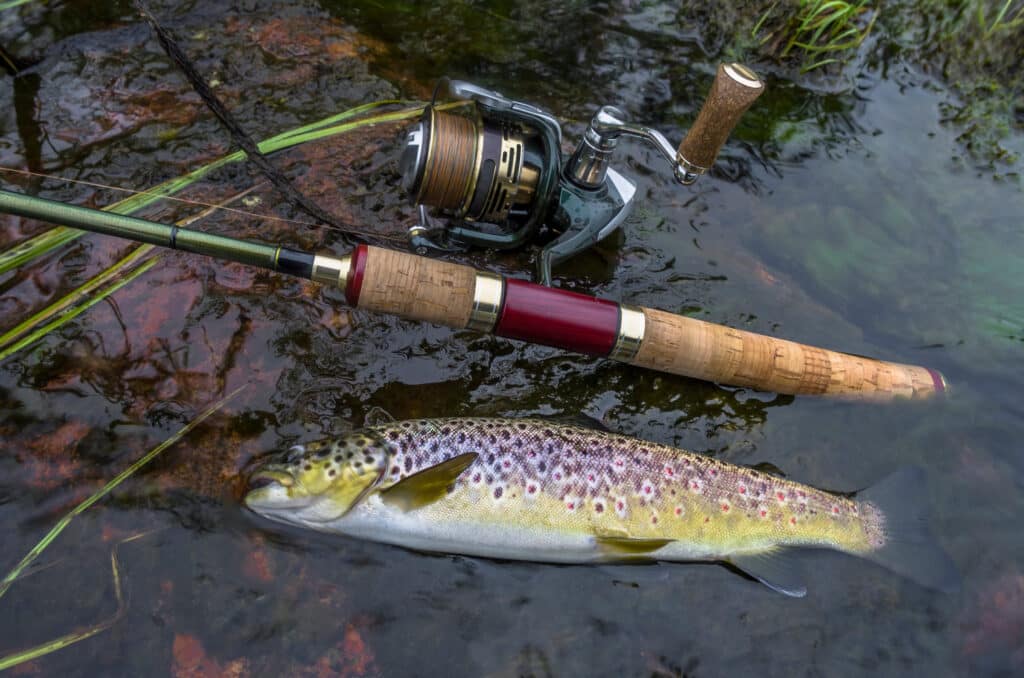
Choosing the best fishing line for trout can make all the difference between a frustrating day and a successful catch. You want a line that’s strong, sensitive, and nearly invisible in the water.
But with so many options out there, how do you know which one suits your fishing style and the conditions you face? Keep reading, because we’re breaking down everything you need to pick the perfect line that will help you reel in more trout, every time.

Credit: fishboxapp.com
Top Fishing Lines For Trout
Choosing the right fishing line can help catch more trout. Each type has features that fit different fishing styles.
Here we explain three main fishing lines used for trout fishing. Learn their strengths to pick the best one for you.
Monofilament Lines
Monofilament lines are popular for trout fishing. They are soft and stretch under pressure. This makes them good for absorbing sudden pulls.
- Good knot strength
- Relatively cheap and easy to handle
- Visible in water, so use lighter colors
- Best for beginners and general fishing
Fluorocarbon Lines
Fluorocarbon lines are nearly invisible underwater. Trout often avoid visible lines, so this helps catch shy fish.
| Feature | Fluorocarbon Lines |
| Visibility | Very low |
| Water Resistance | High |
| Abrasion Resistance | Excellent |
| Stretch | Low |
| Best Use | Clear water trout fishing |
Braided Lines
Braided lines are strong and thin. They have almost no stretch. This lets anglers feel every bite clearly.
- Strongest among common lines
- Good for fishing in heavy cover
- More visible in water, so use a leader
- Lasts longer than monofilament
Key Features To Consider
Choosing the best fishing line for trout needs care. Different features affect how well you catch fish.
Look at strength, size, visibility, and how tough the line is. These help you pick the right line.
Line Strength And Diameter
Line strength shows how much weight the line can hold before breaking. Strong lines handle big trout.
Diameter is the thickness of the line. Thin lines cast farther and are less visible to fish.
- Choose strength based on trout size in your area
- Thinner diameter helps in clear water
- Balance strength and diameter for best results
Visibility In Water
Trout can see fishing lines in clear water. Low visibility lines increase your chance to catch fish.
Some lines are clear or match water color. Choose a line that blends well with the fishing spot.
- Clear or green lines work well in most waters
- Fluorescent lines help in low light but may scare fish
- Pick a line color that matches water clarity
Abrasion Resistance
Abrasion resistance means the line can resist damage from rocks or debris. Trout often hide near rough areas.
Choose a line that will not easily cut or fray. This helps avoid losing fish after a strong fight.
- Look for lines with good abrasion resistance for rocky streams
- Braided lines often have high abrasion resistance
- Fluorocarbon lines resist abrasion and are less visible
Choosing Line Based On Trout Habitat
Choosing the right fishing line is key to catching trout. Different water types and currents need different lines.
Match your line to the trout’s habitat for better results and less line visibility.
Clear Water Conditions
Clear water means trout can see the line easily. Use thin, light-colored lines to stay hidden.
- Fluorocarbon lines are nearly invisible underwater.
- Light green or clear monofilament lines also work well.
- Keep line diameter small to avoid spooking fish.
Murky Or Stained Waters
In murky water, trout rely less on sight. Use stronger, brighter lines for better control and visibility.
| Line Type | Color | Strength |
| Monofilament | Fluorescent Green | Medium to High |
| Braid | Bright Yellow | High |
| Fluorocarbon | Clear or Slightly Colored | Medium |
Fast Vs. Slow Currents
Current speed changes line needs. Fast water needs strong, abrasion-resistant lines. Slow water allows for lighter lines.
Use this guide for choosing lines based on current:
- Fast Currents:Braided or heavy monofilament lines resist abrasion well.
- Slow Currents:Light fluorocarbon lines offer better sensitivity and less visibility.

Credit: troutandsalmon.com
Expert Recommendations
Choosing the right fishing line for trout is important for a good catch. The best line depends on your skill level and fishing style.
Experts suggest lines that balance strength, sensitivity, and invisibility in water. This helps you feel bites and avoid spooking trout.
Best Lines For Beginners
Beginners need lines that are easy to handle and forgiving. A good beginner line should have low memory and good knot strength.
Monofilament lines are popular for beginners. They stretch a little, which helps prevent line breaks and makes casting easier.
- Monofilament 4-6 lb test is ideal for trout fishing
- Look for clear or light green colors to blend in water
- Soft lines help reduce tangles and line twists
Lines Preferred By Pro Anglers
Professional anglers often choose fluorocarbon or braided lines for trout fishing. These lines offer high sensitivity and low visibility.
Fluorocarbon sinks faster and is nearly invisible underwater. Braided lines are very strong and thin, perfect for heavy cover.
- Fluorocarbon 4-6 lb test for clear water and subtle bites
- Braided lines paired with a fluorocarbon leader for strength and stealth
- Lines with low stretch improve hook sets and feel
Budget-friendly Options
You can find good fishing lines for trout without spending much. Some budget options still offer good strength and performance.
Monofilament lines are usually cheaper and work well for many trout fishing situations. Look for trusted brands with good reviews.
- Monofilament lines in 4-8 lb test range are affordable
- Choose clear or light colors for better invisibility
- Buy spools that fit your reel size to save money
Tips For Maintaining Your Fishing Line
Taking care of your fishing line helps it last longer. Good maintenance keeps the line strong and ready for trout fishing.
Simple habits can protect your line from damage. Follow these tips to keep your line in top shape.
Proper Storage
Store your fishing line in a cool, dry place. Avoid sunlight because UV rays weaken the line over time.
Keep the line on the reel or spool to prevent tangles and knots. Use a line holder to keep it neat.
- Use a sealed container for extra protection
- Do not store near heat sources
- Keep away from sharp objects
Regular Inspection
Check your fishing line before every trip. Look for cuts, abrasions, and weak spots that could break easily.
Run your fingers along the line to feel for rough areas. These spots need attention or replacement.
- Inspect near the lure and hook points
- Look for discoloration or stiffness
- Replace any damaged sections immediately
When To Replace Your Line
Replace your fishing line after catching big fish or if it shows wear. Old line can snap and lose strength.
Change your line at least once a season. This keeps your fishing gear reliable and safe.
- Replace if the line is frayed or cracked
- Change after strong sun exposure
- Use fresh line for long fishing trips

Credit: www.youtube.com
Frequently Asked Questions
What Is The Best Fishing Line For Trout Fishing?
The best fishing line for trout is usually fluorocarbon. It is nearly invisible underwater and has excellent abrasion resistance. Fluorocarbon also sinks faster, making it ideal for trout in clear water.
Should I Use Monofilament Or Braided Line For Trout?
Monofilament is great for beginners due to its stretch and ease of use. Braided line offers higher strength and sensitivity but is more visible underwater. Choose based on fishing conditions and personal preference.
What Pound Test Line Is Ideal For Trout Fishing?
A 4-8 pound test line is ideal for most trout fishing situations. It balances strength and subtlety, helping avoid spooking the fish while providing enough durability to handle trout.
Why Is Line Invisibility Important For Trout?
Trout have excellent vision and can be easily spooked. Using a nearly invisible line like fluorocarbon reduces line visibility underwater, increasing your chances of a successful catch.
Conclusion
Choosing the right fishing line makes trout fishing more fun and successful. Thin, strong lines help catch more fish without scaring them away. Fluorocarbon lines work well in clear water, while braided lines offer great strength. Remember to match the line to your fishing style and the water you fish in.
Keep your gear simple and reliable. This way, every fishing trip has a better chance of success. Enjoy your time by the water and happy fishing!