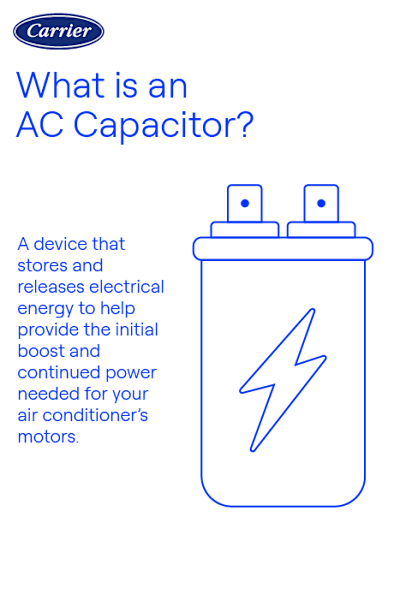
Have you ever wondered what keeps your air conditioner running smoothly, especially on those hottest days? One small but powerful part plays a big role in making sure your AC cools your home efficiently.
That part is the capacitor. Understanding what a capacitor does for your air conditioner can help you spot problems early and keep your system working at its best. Keep reading to discover how this tiny component makes a huge difference in your comfort and energy bills.

Credit: www.amazon.ca
Role Of A Capacitor In Air Conditioners
A capacitor is a small device inside an air conditioner. It helps start and run the motor smoothly.
Without a capacitor, the air conditioner may not work properly or start at all.
Basic Function Of A Capacitor
A capacitor stores and releases electrical energy. It gives an extra boost to the motor at start-up.
This helps the compressor and fan motors to run efficiently and without interruption.
- Stores electrical charge temporarily
- Provides a power boost to start motors
- Keeps motors running smoothly
- Improves energy efficiency
Types Of Capacitors Used
There are two main types of capacitors in air conditioners: start capacitors and run capacitors.
Each type has a different role in helping the motor work properly.
- Start Capacitor:Gives a large boost to start the motor quickly.
- Run Capacitor:Keeps the motor running smoothly after it starts.

Credit: domicool.en.made-in-china.com
How Capacitors Affect Air Conditioner Performance
Capacitors play a key role in air conditioner operation. They help motors start and run smoothly. Without capacitors, the air conditioner may not work well.
This guide explains how capacitors impact the compressor motor, the fan motor, and overall energy efficiency.
Starting The Compressor Motor
The compressor motor needs extra power to start. The capacitor stores and releases this power quickly. This boost helps the motor begin running without strain.
- Provides initial electrical surge
- Reduces stress on motor parts
- Prevents motor from overheating
- Helps motor reach full speed fast
Supporting The Fan Motor
The fan motor also uses a capacitor to stay running steadily. The capacitor keeps the motor spinning at a steady pace. This helps the fan blow air evenly through the system.
| Capacitor Function | Effect on Fan Motor |
| Stores energy | Keeps fan running |
| Releases energy | Maintains motor speed |
| Balances power | Prevents motor stalling |
Energy Efficiency Impact
Capacitors improve air conditioner efficiency. They reduce power waste by helping motors run smooth and fast. This lowers electricity costs and extends system life.
- Less energy used during motor start
- Smoother motor operation
- Lower electric bills
- Longer air conditioner lifespan
Signs Of A Failing Capacitor
A capacitor helps an air conditioner start and run its motors. It stores and releases energy to keep the system working smoothly.
If the capacitor starts to fail, the air conditioner may stop working properly. Knowing the signs can help you fix problems early.
Common Symptoms
A bad capacitor causes many issues with your air conditioner. You might hear strange sounds or notice poor cooling.
- The fan or compressor does not start or runs slowly.
- The air conditioner makes humming or buzzing noises.
- The unit stops working suddenly or cycles on and off.
- The system blows warm air instead of cold air.
- The capacitor looks swollen or has leaks.
Diagnostic Methods
To check a capacitor, first turn off power to the unit. Use a multimeter with a capacitance setting to test it.
Measure the capacitor’s reading and compare it to the value printed on the label. A large difference means the capacitor is bad.
- Turn off power to the air conditioner.
- Discharge the capacitor safely using a resistor.
- Set a multimeter to capacitance mode.
- Connect the multimeter leads to the capacitor terminals.
- Compare the reading to the capacitor’s rated value.
- Replace the capacitor if the reading is too low or zero.
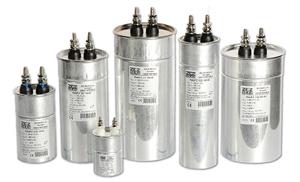
Credit: www.apogeeweb.net
Replacing And Maintaining Capacitors
A capacitor helps your air conditioner start and run the motor. It stores energy and gives the motor a boost. Over time, capacitors can wear out and need replacing.
Maintaining and replacing capacitors keeps your air conditioner working well. It also stops bigger problems from happening.
Safety Precautions
Capacitors hold electric charge even when the power is off. You must be careful to avoid shocks or injury.
- Always turn off the power at the breaker.
- Use a voltage tester to confirm no power is flowing.
- Discharge the capacitor with a screwdriver that has an insulated handle.
- Wear safety gloves and glasses for protection.
- Do not touch capacitor terminals with bare hands.
Step-by-step Replacement Guide
Replacing a capacitor is easy if you follow the steps carefully. Make sure you have the right replacement capacitor with the correct rating.
- Turn off the power to the air conditioner at the main breaker.
- Remove the access panel to reach the capacitor.
- Use a screwdriver with an insulated handle to discharge the capacitor.
- Take a photo of the wiring for reference.
- Disconnect the wires from the old capacitor.
- Remove the old capacitor from its mount.
- Install the new capacitor in the same position.
- Reconnect the wires exactly as before.
- Replace the access panel and turn the power back on.
- Test the air conditioner to ensure it runs smoothly.
Regular Maintenance Tips
Regular checks help your capacitor last longer. Clean and inspect it every few months during the cooling season.
- Look for bulges or leaks on the capacitor body.
- Check that all wires are tight and not damaged.
- Keep the area around the capacitor clean and free of dust.
- Listen for strange noises from the motor that may signal capacitor issues.
- Replace the capacitor if you notice any signs of wear or if the air conditioner struggles to start.
Benefits Of A Well-functioning Capacitor
A capacitor in an air conditioner helps start and run the motor. It stores and releases electrical energy. This keeps the system working smoothly.
When the capacitor works well, your air conditioner cools better and uses less power. It also lasts longer without problems.
Improved Cooling Efficiency
A good capacitor makes the motor run at the right speed. This helps the compressor and fan work well. The air conditioner cools your home faster and more evenly.
- Faster start-up of the compressor
- Steady motor speed for better airflow
- Consistent cooling without interruptions
Extended Equipment Lifespan
A well-functioning capacitor reduces stress on the motor. It prevents overheating and electrical problems. This lowers the risk of breakdowns and costly repairs.
| Issue | Impact | How Capacitor Helps |
|---|---|---|
| Motor Overheating | Shortened lifespan | Ensures smooth motor start and run |
| Power Surges | Damage to components | Stabilizes electrical flow |
| Frequent Repairs | High maintenance cost | Reduces mechanical wear |
Reduced Energy Costs
When the capacitor works right, the motor uses less electricity. This lowers your electric bill. The air conditioner runs efficiently without wasting power.
- Less energy needed to start the motor
- Stable motor speed avoids power spikes
- Longer run times without overheating
Frequently Asked Questions
What Role Does A Capacitor Play In An Air Conditioner?
A capacitor stores electrical energy to help start and run the AC motor efficiently. It ensures smooth operation and prevents motor failure by providing the necessary boost during startup and maintaining consistent power supply during operation.
How Can A Faulty Capacitor Affect My Air Conditioner?
A faulty capacitor can cause the AC motor to struggle or fail to start. This leads to poor cooling performance, increased energy consumption, and potential damage to other components, resulting in costly repairs or complete system failure.
When Should I Replace The Capacitor In My Air Conditioner?
Replace the capacitor if the AC shows signs like slow startup, humming noises, or no cooling. Regular maintenance checks every 1-2 years can help identify capacitor issues before they cause major problems.
Can A Capacitor Improve Air Conditioner Efficiency?
Yes, a well-functioning capacitor ensures the motor runs smoothly and uses electricity efficiently. This reduces energy consumption and helps maintain optimal cooling, ultimately lowering your electricity bills.
Conclusion
A capacitor helps an air conditioner start and run smoothly. It stores energy and releases it when needed. Without a capacitor, the motor struggles to work. This part keeps the air conditioner efficient and reliable. Regular checks can prevent problems and save money.
Understanding its role makes maintenance easier. A small component, but very important. Keep your air conditioner healthy by caring for its capacitor. Simple steps lead to better cooling and longer life.