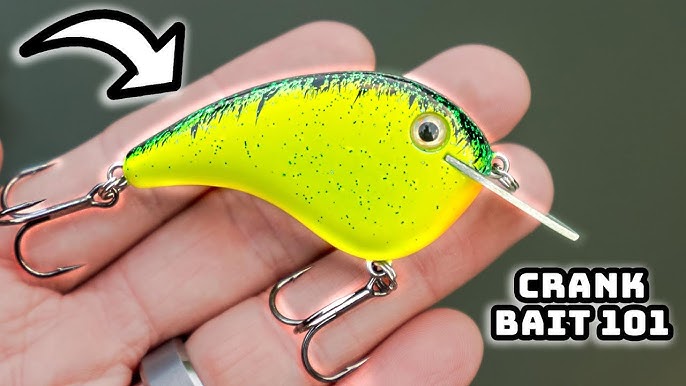
Are you ready to catch more fish and make your time on the water exciting? Fishing with a lure is one of the best ways to attract fish and enjoy the thrill of the chase.
But if you’re new to it, you might wonder how to use a lure the right way. This guide will show you simple steps and tips to master fishing with a lure, so you can feel confident and bring in a great catch every time.
Keep reading, and you’ll discover how to turn your fishing trips into unforgettable adventures.

Credit: www.reddit.com
Choosing The Right Lure
Fishing with a lure can be fun and effective. Picking the right lure is key to catching fish.
Different lures work better for certain fish and conditions. Learn how to choose the best one.
Types Of Lures
There are many types of fishing lures. Each moves in a unique way to attract fish.
- Spinnerbaits spin and flash in the water
- Crankbaits dive and wobble to mimic small fish
- Jigs bounce along the bottom to look like prey
- Soft plastics imitate worms or small creatures
- Spoons flash and flutter to catch fish attention
Matching Lures To Fish Species
Different fish prefer different lures. Match your lure to the fish you want to catch.
- Bass like crankbaits and soft plastics
- Trout often go for spoons and small spinners
- Pike respond well to large spoons and spinnerbaits
- Walleye prefer jigs and live bait imitators
- Panfish enjoy small jigs and soft plastics
Seasonal Lure Selection
Seasons affect fish behavior. Use lures that fit the time of year.
- Spring: bright and fast lures work well
- Summer: natural colors and slow action attract fish
- Fall: larger lures mimic big prey fish
- Winter: small, subtle lures are best
Essential Fishing Gear
Fishing with a lure needs the right gear. Using the correct equipment helps you catch fish more easily.
This guide shows the basic fishing gear needed for lure fishing. It covers rods, reels, lines, and other accessories.
Rods And Reels
A good rod and reel combo makes casting lures easier. Choose a rod that feels comfortable and matches the type of fish you want to catch.
Reels come in many types, but spinning reels are best for beginners. Pair them with a medium action rod for good control.
Fishing Line Options
Choosing the right fishing line is key for lure fishing. The line must be strong and thin for better casting and fish fighting.
| Line Type | Strength | Best Use |
| Monofilament | 6-12 lb | General fishing, easy to handle |
| Fluorocarbon | 8-15 lb | Clear water, less visible to fish |
| Braid | 10-30 lb | Heavy cover, long casts |
Additional Accessories
Besides rods, reels, and line, certain accessories make fishing easier and safer.
- Hooks and lures in various sizes and colors
- A tackle box to keep gear organized
- Pliers for removing hooks
- A fishing net to land fish safely
- Sunscreen and a hat for sun protection
Casting Techniques
Fishing with a lure needs good casting skills. Casting helps place the lure where fish are. Learning different techniques improves your chances of catching fish.
This guide covers basic casting methods, how to improve accuracy, and tips for casting in different environments.
Basic Casting Methods
There are several ways to cast a lure. Each method suits different fishing styles and conditions. Practice these to find your best fit.
- Overhead Cast:Raise the rod behind you and swing it forward to release the lure.
- Sidearm Cast:Swing the rod from the side for a low and fast cast.
- Roll Cast:Use when there is limited space behind you by rolling the line forward.
Improving Accuracy
Accurate casts place your lure near fish hiding spots. Focus on control and aim for small targets. Keep your wrist steady during the cast.
- Choose a visible target like a log or rock.
- Keep your elbow close to your body.
- Release the line at the right moment for smooth flight.
- Practice slow and steady casts to improve control.
Casting In Different Environments
Different places need different casting techniques. Trees, wind, and water depth affect how you cast.
| Environment | Casting Tip | Best Method |
| Wooded Areas | Use sidearm cast to avoid branches | Sidearm Cast |
| Open Water | Use overhead cast for long distance | Overhead Cast |
| Windy Conditions | Cast low to reduce wind effect | Roll Cast |

Credit: www.youtube.com
Retrieval Methods
Fishing with a lure requires different ways to pull it back. These ways help catch fish by copying how real prey moves.
Choosing the right retrieval method depends on the fish type and water conditions. Here are common ways to retrieve your lure.
Steady Retrieve
Steady retrieve means pulling the lure at a constant speed. This method is simple and often effective for many fish.
It makes the lure look like a swimming fish or insect moving smoothly through water.
Stop And Go
This method uses short pauses while you reel in the lure. The lure moves, then stops, then moves again.
These pauses catch fish attention because the lure looks like an injured or tired prey.
Jerking And Twitching
Jerking and twitching means pulling the rod tip sharply or shaking it. This makes the lure dart and shake in water.
These quick moves can trigger fish to strike by creating sudden, lively action.
Reading Water And Fish Behavior
Fishing with a lure requires knowing where fish stay and how they act. Understanding water and fish behavior helps you catch more fish.
Fish move based on food, water temperature, and light. Watching these signs guides your lure use.
Identifying Fish Locations
Fish like places with food and shelter. Look near rocks, plants, or drop-offs. Fish often hide in shaded areas or under logs.
Try casting your lure near these spots. Fish wait there to catch prey that passes by.
- Near underwater structures like rocks or logs
- Close to aquatic plants and weeds
- At changes in water depth such as drop-offs
- In shaded or cooler water areas
Water Conditions And Their Impact
Water temperature and clarity affect fish activity. Cold water slows fish, warm water makes them active. Clear water makes fish cautious.
Fish also react to water flow. Fast water can make fish hide in calm spots. Slow water lets fish roam more freely.
- Warm water: fish move and feed more
- Cold water: fish stay deeper and slow down
- Clear water: use natural-colored lures
- Muddy water: use bright or noisy lures
- Fast current: fish hide behind rocks or logs
Timing Your Fishing Trips
Fish feed more during certain times of the day. Early morning and late evening are best. Fish also bite more before storms.
Seasonal changes affect fish behavior too. In spring and fall, fish move to shallow waters. In summer and winter, they stay deeper.
- Early morning and late evening: high fish activity
- Before storms: fish feed more
- Spring and fall: fish in shallow water
- Summer and winter: fish stay deeper

Credit: www.youtube.com
Tips For Landing Big Catches
Fishing with a lure can be fun and exciting. It helps you catch big fish if you know the right ways.
These tips will help you improve your fishing skills and bring in bigger catches.
Setting The Hook
Setting the hook means pulling the rod to catch the fish’s mouth firmly. Do it quickly after you feel a bite.
Do not jerk the rod too hard or too slow. A smooth but firm pull works best to keep the fish on the line.
Playing The Fish
Playing the fish means controlling it while reeling in. Let the fish run when it pulls hard, but keep tension on the line.
Use your rod to guide the fish away from obstacles like rocks or weeds. This helps avoid line breaks and lost catches.
- Keep the rod tip up
- Reel in slowly when the fish tires
- Let the fish swim freely when it pulls hard
- Avoid sudden moves that can break the line
Using Nets And Other Tools
Use a net to safely land big fish without losing them at the last moment. A net helps control the fish better.
Other tools like pliers help remove hooks without harming the fish or yourself. Carry these tools ready for use.
- Choose a net with a large hoop and fine mesh
- Use pliers to remove hooks carefully
- Keep tools within reach before you catch a fish
- Handle fish gently to avoid injury
Common Mistakes To Avoid
Fishing with a lure can be exciting, but beginners often make simple mistakes. Avoiding these errors helps you catch more fish.
Understanding what not to do is just as important as knowing the right steps. Let’s look at some common mistakes.
Wrong Lure Choices
Choosing the wrong lure can waste your time and scare fish away. Each fish species prefers certain colors and sizes.
Using lures that do not match the water conditions or fish type reduces your chances of success.
- Do not use large lures for small fish
- Match lure color with water clarity
- Use natural colors in clear water
- Bright colors work better in murky water
Poor Technique
Wrong fishing techniques can make lures look unnatural. Fish often avoid lures that do not move like real prey.
Reeling too fast or too slow can lose fish. Practice smooth and steady movements for better results.
- Avoid jerky or fast reeling
- Pause occasionally to mimic injured prey
- Keep a steady, natural pace
- Change your retrieve style if no bites occur
Ignoring Weather And Water Factors
Weather and water conditions affect fish activity. Ignoring these factors leads to poor fishing results.
Fish behave differently in sun, rain, or wind. Water temperature and clarity also change fish feeding habits.
- Fish more during low light or cloudy days
- Use brighter lures in stained water
- Avoid fishing in very rough water
- Check water temperature for fish activity
Frequently Asked Questions
What Is The Best Lure For Beginners?
The best lure for beginners is a spinnerbait. It’s versatile and easy to use in various water conditions. Spinnerbaits mimic prey effectively, attracting a wide range of fish. They are ideal for learning basic fishing techniques. Beginners often find success with spinnerbaits due to their simplicity and effectiveness.
How Do You Choose The Right Lure Color?
Choosing the right lure color depends on water clarity and weather conditions. In clear water, use natural colors like silver or green. In murky water, brighter colors like chartreuse or orange are effective. Consider the fish species and local prey colors for best results.
Experimentation can help determine the most effective color.
How Do You Retrieve A Lure Effectively?
Retrieve a lure effectively by varying your speed and movements. Start with a slow, steady retrieve, then introduce pauses or jerks. This mimics injured prey and attracts fish attention. Experiment with different techniques to see what works best. Pay attention to how fish respond and adjust accordingly for optimal success.
Can You Fish With Lures In All Water Types?
Yes, you can fish with lures in various water types. Lures are versatile and work in freshwater, saltwater, rivers, and lakes. Choose a lure type suitable for the specific water environment. Consider factors like water depth, current, and fish species.
Adapting to conditions ensures successful lure fishing experiences.
Conclusion
Fishing with a lure can be fun and rewarding. Choose the right lure for the fish you want to catch. Cast your line smoothly and watch how the lure moves in the water. Change your speed and style to find what works best.
Practice helps you get better every time. Enjoy the process and the time spent near water. Fishing with a lure brings excitement and patience together. Try different lures and techniques to see what fish like most. Keep learning and have fun with each fishing trip.