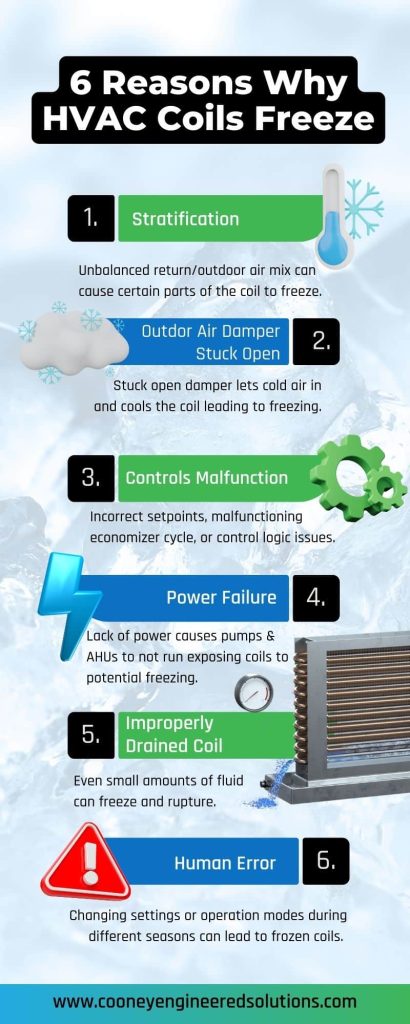
Have you ever noticed ice building up on your air conditioner’s coils and wondered why it’s happening? When your AC coils freeze, it’s not just an annoying sight—it can cause your system to stop working properly and leave you feeling uncomfortable.
Understanding what causes your air conditioner coils to freeze can help you fix the problem quickly and avoid costly repairs. You’ll discover the common reasons behind coil freezing and learn how to keep your AC running smoothly all season long.
Keep reading—you’ll thank yourself later.

Credit: forgeheating.com
Common Causes Of Frozen Ac Coils
Frozen coils in an air conditioner stop it from cooling properly. This can cause discomfort and higher energy bills.
Understanding the common causes helps you fix the problem quickly or prevent it from happening.
Low Refrigerant Levels
Refrigerant helps cool the air inside your home. If the level is too low, the coils get too cold and freeze.
Leaks or poor maintenance often cause low refrigerant. A certified technician must fix these issues.
Poor Airflow Issues
Air must flow freely over the coils to keep them from freezing. Blocked vents or closed registers reduce airflow.
Objects blocking vents or dirty blower fans can also cause poor airflow and frozen coils.
Dirty Air Filters
Air filters trap dust and dirt. When clogged, they reduce airflow and cause the coils to freeze.
Replacing or cleaning air filters regularly helps keep the AC working well and stops coil freezing.
Thermostat Settings
Setting the thermostat too low can make the AC run constantly. This can cool the coils too much and cause freezing.
Use a moderate temperature to avoid overworking the system and prevent frozen coils.
Mechanical Failures
Parts like the blower fan or expansion valve can break or malfunction. This stops the system from working right.
Mechanical issues reduce airflow or refrigerant flow, leading to frozen coils. A technician must repair these parts.
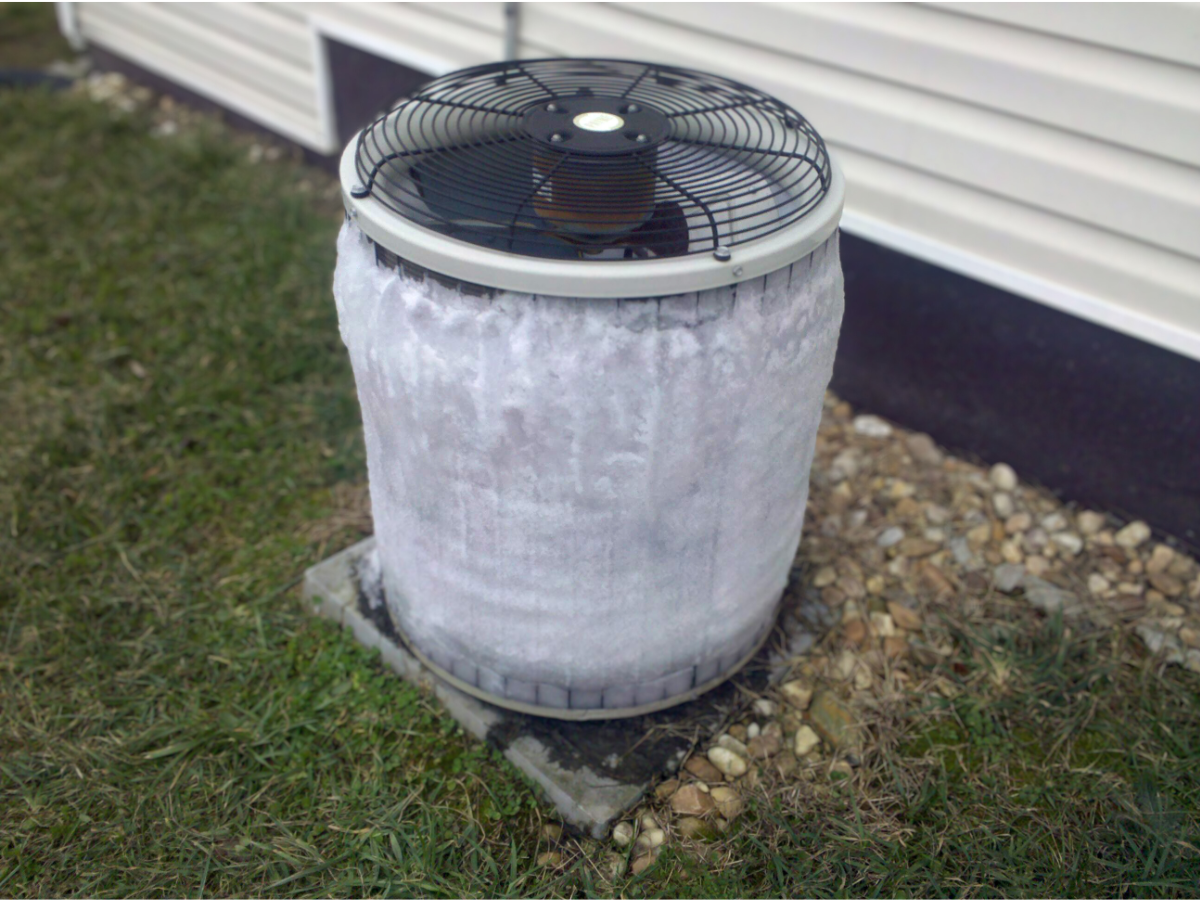
Credit: trustgreenway.com
Impact Of Frozen Coils On Ac Performance
Frozen coils in an air conditioner can cause several problems. These issues affect how well your AC cools the room.
Understanding these impacts helps you maintain your AC and avoid bigger repairs.
Reduced Cooling Efficiency
Frozen coils block the flow of cold air. This makes the AC work less effectively. Rooms take longer to cool down.
- Cold air does not circulate well.
- Temperature drops unevenly in the space.
- The AC struggles to reach the set temperature.
Increased Energy Consumption
The AC uses more power to cool the space. Frozen coils force the system to run longer than usual. This raises electricity bills.
| Normal AC Operation | Energy Use |
| Efficient cooling with no ice | Low to moderate |
| Frozen coils causing poor airflow | High |
Potential Damage To Components
Ice buildup can harm AC parts. The compressor and fan may wear out faster. Repairs become more frequent and costly.
- Compressor can overheat and fail.
- Fan motors may strain due to blocked airflow.
- Refrigerant leaks can develop from pressure changes.
Preventive Measures To Avoid Coil Freezing
Air conditioner coils can freeze due to several reasons. Preventing this issue helps keep your AC running smoothly. Simple steps can stop coil freezing before it starts.
Follow these measures to protect your air conditioner’s coils. Regular care improves efficiency and extends the unit’s life.
Regular Maintenance Tips
Clean your AC coils and fins often. Dirt and debris block airflow and cause freezing. Check the coils at least twice a year.
- Inspect coils for dirt and damage
- Clean coils gently with a soft brush or coil cleaner
- Check drain lines to avoid water buildup
- Schedule professional service yearly
Proper Airflow Management
Good airflow prevents cold spots on the coils. Blocked vents or closed registers reduce airflow and cause freezing.
| Airflow Issue | Preventive Action |
|---|---|
| Blocked air vents | Keep vents open and clean |
| Closed registers | Open all registers during AC use |
| Dirty blower fan | Clean or replace blower fan regularly |
| Obstructed outdoor unit | Clear debris around outdoor unit |
Refrigerant Level Checks
Low refrigerant causes the coils to get too cold and freeze. Check refrigerant levels yearly with a professional.
- Hire a technician to measure refrigerant pressure
- Fix leaks immediately if refrigerant is low
- Do not add refrigerant yourself
Filter Replacement Schedule
Dirty filters block airflow and cause coils to freeze. Replace or clean filters regularly to keep air moving.
- Check filters every month during high use
- Replace disposable filters every 1-3 months
- Clean reusable filters every 1-2 months
- Use the correct filter size for your unit
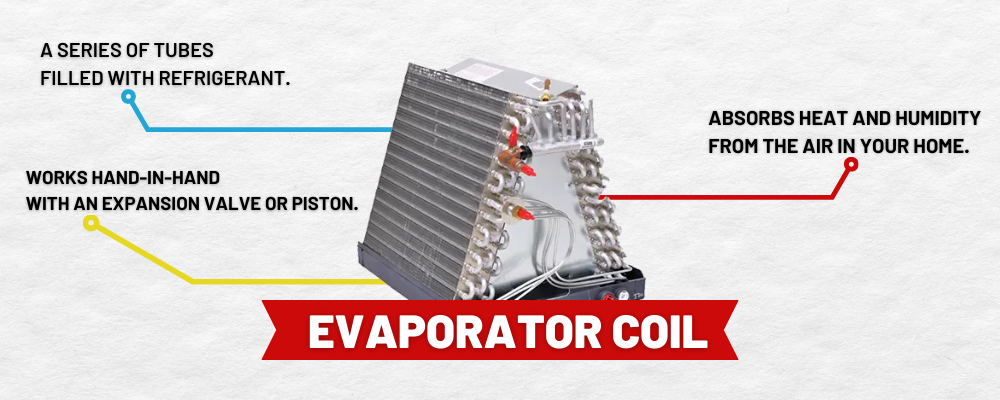
Credit: www.logan-inc.com
Troubleshooting Frozen Coils
Frozen coils in an air conditioner can stop it from working well. The coils freeze when the unit gets too cold or airflow is low.
Fixing frozen coils quickly helps avoid damage. Knowing how to spot and fix the problem saves time and money.
Identifying Symptoms
Look for signs that your AC coils are frozen. These signs help you know if the problem is frozen coils or something else.
- The air conditioner blows weak or no cold air.
- You see frost or ice on the coils or pipes.
- The AC runs longer than usual but does not cool well.
- Water drips from the indoor unit due to melting ice.
- The system makes unusual noises like hissing or gurgling.
Step-by-step Defrosting
To defrost the frozen coils, turn off the air conditioner first. This stops more ice from building up.
Next, let the ice melt naturally. Do not try to chip or force the ice off, as this can damage the coils.
- Turn off the AC and switch to fan mode if possible.
- Use a fan or open windows to help air circulate.
- Place towels to catch water from melting ice.
- Wait several hours until all ice melts.
- Check and replace dirty filters to improve airflow.
- Turn the AC back on and watch for normal operation.
When To Call A Professional
Sometimes the problem is too big to fix alone. A professional can check the system carefully and fix hidden issues.
Call a technician if your coils freeze often or the AC still does not cool after defrosting.
- Ice returns quickly after defrosting.
- AC makes strange noises or smells.
- There is water leaking inside your home.
- The airflow stays weak or stops completely.
- You notice refrigerant leaks or frozen pipes outside.
Frequently Asked Questions
Why Do Ac Coils Freeze In Hot Weather?
AC coils freeze in hot weather due to low refrigerant levels or poor airflow. This causes the coils to get too cold, leading to ice buildup. Dirty filters or blocked vents can also restrict airflow, causing freezing issues in your air conditioner.
How Does Low Refrigerant Cause Coil Freezing?
Low refrigerant reduces pressure inside the AC coils, causing them to become excessively cold. This temperature drop leads to moisture freezing on the coils. Proper refrigerant levels are essential to maintain normal coil temperature and prevent ice formation.
Can Dirty Filters Cause Ac Coil Freezing?
Yes, dirty filters restrict airflow over the coils, causing them to cool excessively. Reduced airflow prevents heat exchange, leading to coil freezing. Regularly cleaning or replacing filters helps maintain proper airflow and prevents ice buildup on AC coils.
Does A Malfunctioning Fan Lead To Frozen Ac Coils?
A malfunctioning fan reduces airflow over the coils, causing them to freeze. The fan helps circulate warm air, preventing ice buildup. If the fan fails, the coils get too cold, and ice forms, disrupting the AC’s cooling efficiency.
Conclusion
Frozen coils in air conditioners happen mainly due to airflow or refrigerant problems. Dirty filters, blocked vents, or low refrigerant levels often cause this issue. Regular cleaning and timely maintenance keep your AC running smoothly. Catching problems early saves money and prevents bigger damage.
Understanding these causes helps you act fast and keep cool. Stay aware, check your unit often, and enjoy a comfortable home all year.