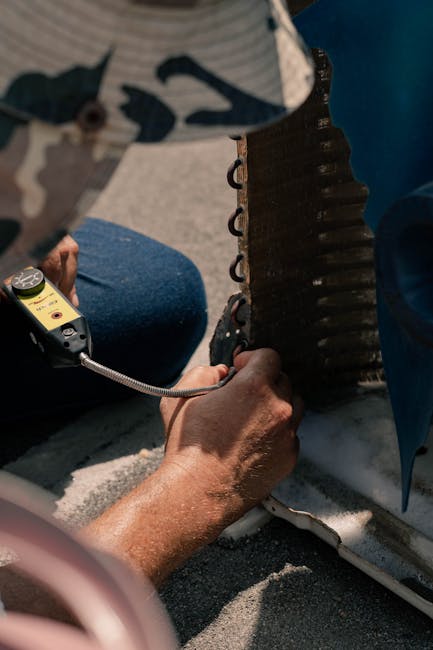
Is your air conditioner not cooling like it used to? You might be dealing with low Freon levels, and knowing how to check it can save you time and money.
Understanding your AC’s Freon level helps you spot problems early, avoid costly repairs, and stay comfortable all year round. You’ll learn simple, step-by-step ways to check your air conditioner’s Freon level yourself, even if you’re not an expert. Keep reading to take control of your home’s cooling and avoid unexpected breakdowns.
Credit: airchillac.com
Signs Of Low Freon
Freon is an important part of your air conditioner. It helps cool the air inside your home. If the Freon level is low, your AC will not work well.
Here are some clear signs that your air conditioner might have low Freon. Watch for these to keep your home cool and comfortable.
Warm Air From Vents
If your AC blows warm air instead of cold, low Freon could be the cause. The Freon cools the air, so without enough, the air stays warm.
Ice Buildup On Coils
Look at the coils inside your air conditioner. If you see ice or frost, it means the Freon level is low. The low Freon causes the coils to get too cold.
- Check the coils for white frost or ice.
- Turn off the AC if ice forms to avoid damage.
- Call a technician to refill the Freon safely.
Hissing Sounds
A hissing or bubbling noise from your AC can mean Freon is leaking. This noise is the gas escaping from the system.
Increased Energy Bills
| Symptom | Reason |
| Higher electricity costs | AC works harder with low Freon |
| Freon leaks | Gas escapes, reducing cooling power |
| Warm air | Insufficient refrigerant to cool air |
Low Freon makes your air conditioner work longer. This increases your energy bills. Watch your bills if you see other signs of low Freon.
Tools Needed
Checking the Freon level in your air conditioner requires some specific tools. These tools help you measure the refrigerant safely and accurately.
Using the right tools ensures you do not damage your system or risk your safety.
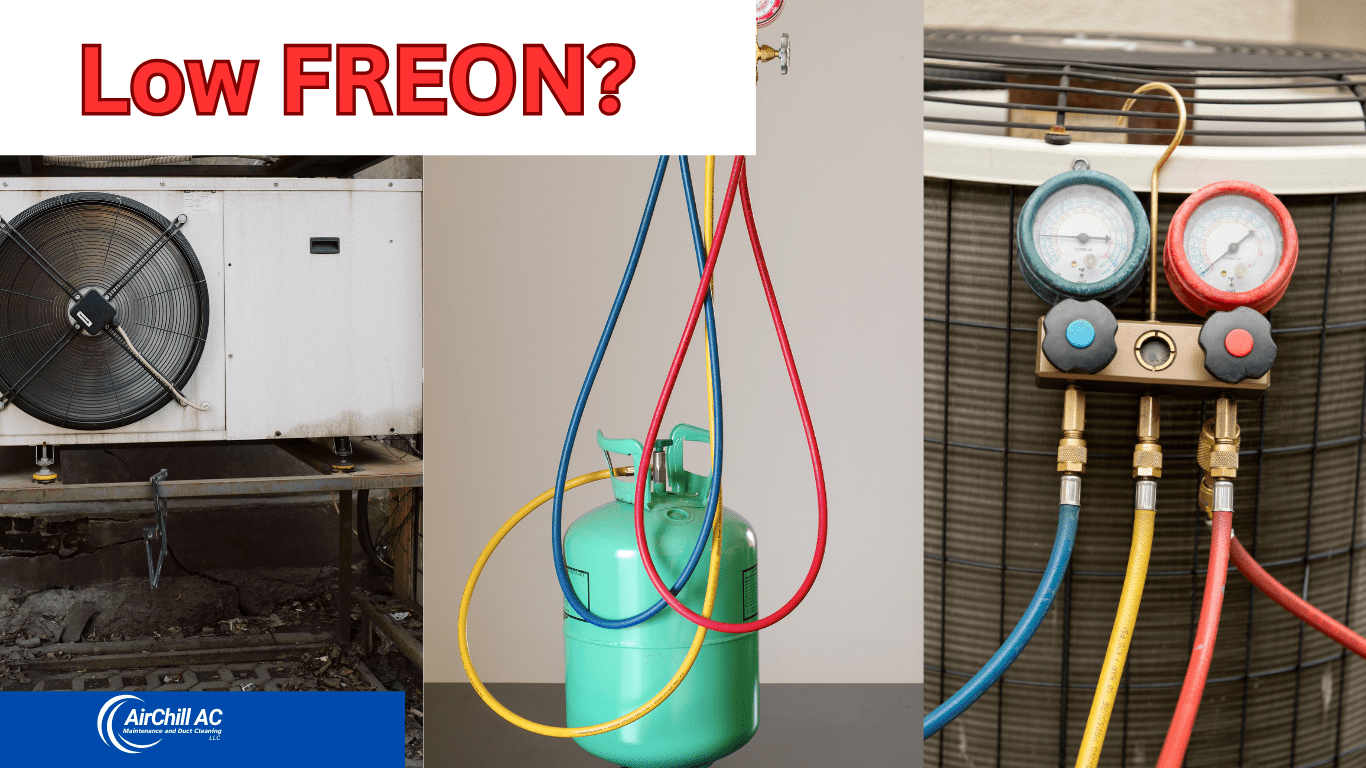
Manifold Gauge Set
A manifold gauge set measures the pressure of the Freon in the air conditioner. It has two or three gauges and hoses that connect to the AC unit.
This tool shows if the refrigerant level is too high or too low. It helps you understand if your AC needs a refill or repair.
- Two or three pressure gauges
- Colored hoses to connect to AC valves
- Valves to control refrigerant flow
Thermometer
A thermometer helps measure the temperature difference in the air conditioner. It checks how well the AC cools the air.
Temperature readings assist in diagnosing Freon level issues. If the temperature drop is small, the Freon might be low.
- Digital or analog thermometer
- Easy to read temperature display
- Used to measure air or pipe temperature
Protective Gear
Protective gear keeps you safe while handling Freon and tools. Freon can cause frostbite or other injuries if mishandled.
Wear gloves and eye protection to avoid contact with refrigerant. Use long sleeves to protect your skin.
- Safety gloves resistant to chemicals
- Protective goggles for eye safety
- Long-sleeve clothing to protect skin
Safety Precautions
Checking the Freon level in your air conditioner is important but can be risky. You must follow safety steps to protect yourself and your home.
Freon is a chemical that can harm you if handled incorrectly. Always take safety seriously before you begin.
Turn Off Power
Before you start checking the Freon, turn off the power to the air conditioner. This stops electricity from running through the system.
Working with power on can cause shocks or damage to the unit. Use the circuit breaker or unplug the unit to cut power safely.
Wear Gloves And Goggles
Always wear gloves and goggles when handling Freon or working near the AC unit. These protect your skin and eyes from harmful chemicals.
Freon can cause frostbite or irritation if it touches your skin. Goggles stop it from getting into your eyes, which can cause serious injury.
- Use chemical-resistant gloves
- Wear safety goggles with a tight fit
- Do not touch Freon directly
Work In A Ventilated Area
Check the Freon level in a well-ventilated space. Good airflow helps avoid the build-up of harmful gases.
If Freon leaks, it can cause breathing problems. Fresh air lowers the risk and keeps you safe.
- Open windows or doors
- Use fans to increase air flow
- Avoid small, enclosed spaces

Credit: morelliair.com
Locating The Service Ports
To check the air conditioner Freon level, you first need to find the service ports. These ports let you connect pressure gauges to measure the refrigerant.
There are two main service ports on most air conditioners. They are the high-pressure port and the low-pressure port. Each port has a specific use and location.
High-pressure Port
The high-pressure port is usually smaller and located on the smaller copper tube coming out of the condenser. It handles the pressurized refrigerant after it leaves the compressor.
- Look near the outdoor unit’s compressor
- Find the smaller metal pipe with a valve cap
- The cap may be colored red or have a “H” marking
- Do not open the cap until you are ready to attach gauges
Low-pressure Port
The low-pressure port is larger and found on the bigger copper tube. This tube carries refrigerant gas back to the compressor at a lower pressure.
| Port | Location | Tube Size | Valve Cap Color |
| High-Pressure | Near compressor on smaller tube | Smaller diameter | Red or marked “H” |
| Low-Pressure | Near compressor on larger tube | Larger diameter | Blue or marked “L” |
Attaching The Manifold Gauges
Attaching manifold gauges is key to checking your air conditioner’s freon level. The gauges measure pressure inside the system.
Correctly connecting the gauges ensures you get accurate readings and avoid damage.
Connecting To Low-pressure Port
Locate the low-pressure port on your air conditioner. It usually has a larger diameter and is on the larger tubing.
- Turn off the AC unit before connecting.
- Remove the protective cap on the low-pressure port.
- Attach the blue hose from the manifold gauge to this port.
- Ensure the connection is tight to prevent leaks.
- Do not force the connection if it does not fit easily.
Connecting To High-pressure Port
The high-pressure port is smaller and on the smaller tubing. It handles higher pressure in the system.
| Step | Action |
| 1 | Turn off the AC unit before attaching the gauge. |
| 2 | Remove the cap from the high-pressure port. |
| 3 | Connect the red hose from the manifold gauge to this port. |
| 4 | Check the connection for tightness to avoid leaks. |
| 5 | Do not force the hose if it does not fit properly. |

Credit: www.youtube.com
Reading The Freon Pressure
Checking the Freon pressure helps find problems in your air conditioner. It shows if the system has enough refrigerant.
You need special gauges to read the Freon pressure. These gauges attach to the service ports on your AC unit.
Interpreting Low-pressure Gauge
The low-pressure gauge shows the pressure in the evaporator coil. This is where the AC cools the air.
If the low-pressure reading is too low, the system may have a refrigerant leak or be undercharged.
- Low pressure means less cooling power
- Too low may cause the compressor to overheat
- Normal low pressure varies by AC model and temperature
Interpreting High-pressure Gauge
The high-pressure gauge measures pressure in the condenser coil. This coil releases heat outside.
High pressure readings can mean a dirty condenser or blocked airflow. It can also show too much refrigerant.
- High pressure reduces efficiency
- Excess pressure can damage the compressor
- Normal high pressure changes with outdoor temperature
Comparing To Manufacturer Specs
Checking your air conditioner’s Freon level is key for proper cooling. The best way is to compare it with the manufacturer’s specs.
Manufacturers provide recommended Freon levels based on the system design. Following these numbers helps avoid damage and keeps your AC efficient.
Finding Recommended Levels
Look for the recommended Freon level on the AC unit’s label or in the manual. This tells you how much refrigerant the system needs.
- Check the service panel or door for a label.
- Look for the refrigerant type and weight.
- Refer to the user manual for exact specs.
- Note the amount in pounds or ounces.
Adjusting For Temperature
Freon levels can change with outdoor temperature. Adjusting readings helps get an accurate measure.
| Temperature (°F) | Pressure Range (psi) |
| 65 – 75 | 68 – 72 |
| 76 – 85 | 73 – 77 |
| 86 – 95 | 78 – 82 |
| 96 – 105 | 83 – 88 |
Use a pressure gauge to check Freon pressure. Match it to the correct range for your temperature.
Next Steps If Low Freon
Low Freon in your air conditioner can cause poor cooling. It may also damage the system over time.
Knowing what to do next helps keep your AC working well and your home cool.
Checking For Leaks
Low Freon often means there is a leak. You need to find the leak before refilling.
- Look for oily spots on AC coils and pipes
- Use a leak detector or soapy water to spot bubbles
- Check joints and connections carefully
- Listen for hissing sounds near the AC unit
Refilling Freon
Refilling Freon is needed once leaks are fixed. Proper levels keep your AC cool and efficient.
| Freon Type | Common Usage | Safety Notes |
| R-22 | Older AC units | Being phased out, handle carefully |
| R-410A | Newer AC models | Non-ozone depleting, follow instructions |
Use correct Freon type for your system. Avoid overfilling to prevent damage.
When To Call A Professional
Some tasks are best left to experts. Call a professional if you:
- Can’t find the leak
- Don’t have proper tools or certification
- Need to handle Freon safely and legally
- Want to avoid causing damage to the AC system
Frequently Asked Questions
How Do I Know If My Ac Freon Level Is Low?
Low Freon causes weak cooling and longer run times. Check for ice on coils or hissing sounds. A professional can measure pressure to confirm low levels.
Can I Check Freon Levels Myself Safely?
Checking Freon requires special gauges and knowledge. Handling refrigerants without training is risky and illegal in some areas. It’s best to hire a certified HVAC technician.
What Tools Are Needed To Check Ac Freon Levels?
You need a manifold gauge set and temperature probe. These tools measure pressure and temperature to assess Freon levels accurately. Professionals use these for precise diagnostics.
Why Is My Ac Not Cooling Despite Full Freon?
Even with full Freon, issues like clogged filters or faulty compressors can reduce cooling. Freon alone isn’t the only factor for AC efficiency.
Conclusion
Checking your air conditioner’s Freon level helps keep it running well. Low Freon can cause poor cooling and damage. Use a gauge or call a professional for help. Regular checks save money and prevent bigger problems. A well-maintained AC cools your home efficiently and lasts longer.
Stay comfortable by watching the Freon level often. Simple steps protect your unit and your comfort. Don’t ignore signs of low Freon. Act early to avoid costly repairs.