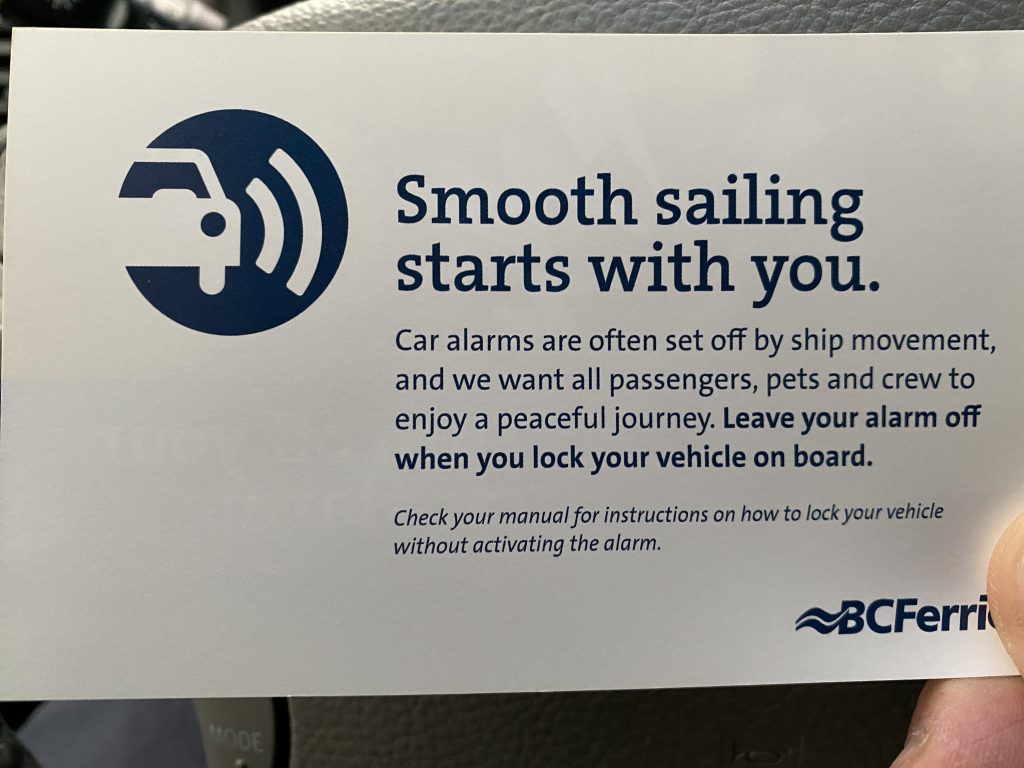
Have you ever been startled by your car alarm going off for no clear reason? It’s frustrating and confusing, especially when you’re not sure what triggered it.
Understanding what sets a car alarm off can help you avoid those annoying false alarms and protect your vehicle better. You’ll discover the common causes behind car alarms and learn simple ways to keep your alarm working only when it really matters.
Keep reading to take control of your car’s security and stop unnecessary noise once and for all.

Credit: www.carparts.com
Common Car Alarm Triggers
Car alarms protect vehicles from theft and damage. They activate when sensors detect unusual activity.
Different sensors react to different actions. Understanding these triggers helps you avoid false alarms.
Impact And Shock Sensors
These sensors detect sudden hits or vibrations on the car. A strong bump or knock can set off the alarm.
- Door slams
- Hitting a curb
- Strong wind or hail
- Someone trying to break in
Door And Window Sensors
These sensors monitor if doors or windows open without permission. Opening a door or window triggers the alarm immediately.
| Sensor Type | Trigger Action |
| Door Sensor | Door opens or closes |
| Window Sensor | Window moves or breaks |
Motion Detectors
These sensors detect movement inside or near the vehicle. They alert if someone moves inside the car or too close to it.
Common motion detector triggers:
- Opening the car without a key
- Someone leaning inside the window
- Movement in the car’s interior
Tilt And Towing Sensors
These sensors sense if the car is tilted or lifted. They activate when the car is being towed or jacked up.
- Car jack used to lift the car
- Vehicle being towed away
- Changing tires without permission
Credit: www.techwizardsolutions.co.ke
Environmental Factors Causing False Alarms
Car alarms are designed to protect your vehicle. Sometimes, they go off even when there is no real threat. This can happen because of certain environmental factors. These factors confuse the alarm system and trigger false alarms.
Understanding these causes can help you reduce false alarms. It also helps in keeping your car alarm reliable and less annoying.
Loud Noises And Vibrations
Loud noises near your car can set off the alarm. Vibrations from heavy traffic or construction work can also trigger it. The alarm senses sudden movements or sounds as a sign of danger.
- Car horns and sirens
- Construction machinery
- Thunder and explosions
- Heavy trucks passing by
- Car door slams
Extreme Weather Conditions
Weather can affect car alarms in many ways. Extreme cold or heat may cause the sensors to act up. Strong winds can shake the car and set off the alarm. Rain or snow can also create false signals for the system.
| Weather Condition | Effect on Alarm |
| Strong Winds | Shake car, trigger sensors |
| Heavy Rain | Water on sensors causes false alerts |
| Snow and Ice | Weight or frost affects sensor sensitivity |
| Extreme Cold | Sensor malfunctions or slow response |
| Extreme Heat | Overheating of alarm components |
Nearby Electronic Interference
Electronic devices near your car can interfere with the alarm. Some signals confuse the alarm system. This may cause it to go off without a true reason.
Common sources of interference include:
- Walkie-talkies and radios
- Wi-Fi routers and Bluetooth devices
- Nearby cell towers
- Electric fences
- Garage door openers
Human Errors Leading To Alarms
Car alarms protect vehicles from theft and damage. Sometimes, alarms go off because of human mistakes. These errors can cause false alarms and disturb nearby people.
Understanding common human errors helps prevent unnecessary alarm triggers. Below are some frequent causes related to everyday actions.
Improper Door And Trunk Closure
Not closing doors or trunks fully can trigger the car alarm. Sensors detect open or ajar doors and set off the alarm. This is a simple but common mistake.
- Check all doors before locking
- Make sure the trunk is closed tightly
- Listen for the click sound when closing doors
Accidental Remote Activation
Car alarms can go off if the remote control is pressed by mistake. This can happen in pockets, bags, or when handling the remote carelessly.
| Cause | Explanation |
| Pocket Press | Buttons pressed while remote is in pocket |
| Bag Movement | Remote shifts and activates alarm |
| Child Play | Children pressing buttons unintentionally |
Unsecured Valuables Inside
Leaving valuables visible inside the car may trigger the alarm if someone tries to get them. Thieves or even pets may cause the alarm to activate.
Tips to reduce alarm triggers due to valuables:
- Hide valuables out of sight
- Lock the glove compartment and trunk
- Use car covers or window shades
Advanced Alarm System Features
Car alarms have many features to protect your vehicle better. These features help detect threats and alert you quickly.
Advanced systems use smart technology to reduce false alarms. They also connect with your phone and car systems.
Sensitivity Adjustments
Sensitivity controls how much movement triggers the alarm. You can set it high or low based on your needs.
Too sensitive can cause false alarms from small shakes. Too low might miss real threats like break-ins.
- Adjust sensitivity for parking location
- Lower sensitivity in crowded places
- Higher sensitivity in isolated areas
Smartphone Notifications
Modern alarms send alerts to your phone if triggered. You get instant information about your car’s status.
These alerts help you act fast. Some apps show the alarm trigger type and car location.
- Receive alerts for door or window opening
- Notifications for shock or tilt detection
- Remote control to silence or reset alarm
Integration With Vehicle Systems
Advanced alarms connect with your car’s systems. This creates better security and easier control.
They link to the engine, locks, and sensors. This stops the car from starting if the alarm is triggered.
- Engine immobilizer prevents unauthorized start
- Automatic door locking when alarm arms
- Use existing sensors for precise detection
Preventing Unwanted Alarm Activation
Car alarms help protect vehicles from theft and damage. Sometimes alarms go off by mistake. This can annoy you and others nearby.
Knowing how to prevent false alarms keeps your car safe and your neighborhood quiet. Simple steps can reduce unwanted alarm triggers.
Routine Maintenance Tips
Keep your car alarm working well by checking it regularly. Dirt and wear can cause false alarms.
- Clean sensors and wiring connections often
- Replace old or damaged batteries in remote controls
- Test the alarm system monthly to ensure proper function
- Fix any loose parts near the alarm sensors
Proper Installation Practices
Correct installation of your car alarm is key to avoid unwanted triggers. Poor setup can cause false alarms.
| Installation Aspect | Why It Matters | Tip |
| Sensor Placement | Prevents false alarms from bumps or wind | Mount sensors on solid parts away from loose panels |
| Wiring | Ensures signals are stable and accurate | Use proper connectors and avoid exposed wires |
| Power Source | Maintains alarm reliability | Connect to stable battery terminals, not accessories |
User Habits To Minimize Triggers
Your behavior can affect alarm activation. Simple habits help prevent accidental triggers.
- Always close doors, windows, and the trunk firmly
- Avoid leaning or placing heavy items on the car
- Disarm the alarm before using the car or unlocking doors
- Keep pets and children away from the vehicle when armed

Credit: www.whocanfixmycar.com
Frequently Asked Questions
What Common Triggers Set Off A Car Alarm?
Car alarms commonly trigger from door or window openings, vibrations, loud noises, or sudden impacts. These sensors detect unauthorized access or potential theft attempts. Some alarms also respond to changes in tilt or motion, ensuring comprehensive vehicle protection.
How Do Vibrations Activate Car Alarms?
Vibrations from impacts or attempts to break in trigger the alarm’s shock sensors. These sensors detect unusual movement or force on the vehicle. Even minor bumps or attempts to tow the car can cause the alarm to sound.
Can Loud Noises Falsely Trigger Car Alarms?
Yes, loud noises like fireworks, construction sounds, or nearby car alarms can sometimes set off sensitive car alarms. The alarm’s sound sensor may mistake these noises as threats, causing an unintended alarm activation.
Why Do Car Alarms Go Off Randomly?
Random alarm activations often result from sensor malfunctions, low battery voltage, or faulty wiring. Environmental factors like strong winds or passing heavy vehicles can also cause false alarms. Regular maintenance helps minimize these issues.
Conclusion
Car alarms react to different triggers to keep your vehicle safe. Loud sounds warn you and others about possible danger. Common causes include sudden movement, glass breaking, or door opening. Understanding these triggers helps prevent false alarms. A well-set alarm adds extra protection to your car.
Stay aware of how your alarm works every day. This knowledge helps you avoid unwanted noise and stress. Keep your car secure with a reliable alarm system. Safety matters, and alarms play a key role.