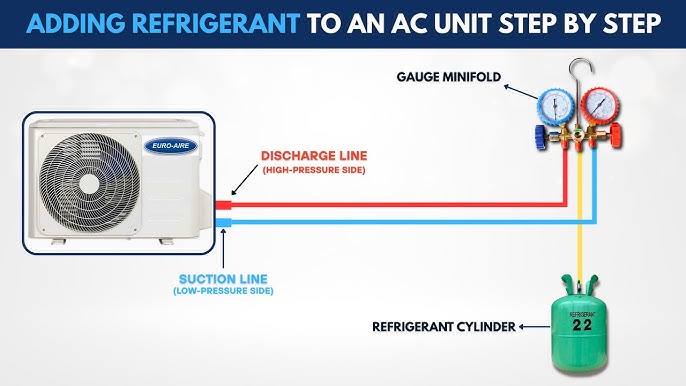
Have you ever wondered which line on your air conditioner is the suction line? Knowing this simple fact can save you time, money, and hassle when maintaining or troubleshooting your AC.
Whether you’re trying to fix a problem yourself or just want to understand how your system works, identifying the suction line is key. Keep reading, and you’ll learn exactly how to spot it quickly and easily—so you can take control of your air conditioner like a pro.

Credit: www.achrnews.com
Identifying The Suction Line
The suction line is an important part of an air conditioner. It carries cool gas from the evaporator coil back to the compressor.
Knowing which pipe is the suction line helps in maintenance and repair. This guide shows how to identify it by its look and location.
Physical Characteristics
The suction line is usually larger in diameter than the liquid line. It has a thick layer of insulation to keep the gas cold.
- The suction line feels cooler than other pipes.
- It is often covered with black foam insulation.
- The metal pipe is thicker to handle low pressure gas.
- It may have some frost or condensation on the insulation.
Common Locations
The suction line runs from the indoor evaporator coil to the outdoor compressor unit. It usually sits above or beside the smaller liquid line.
| Location | Details |
| Near Evaporator Coil | Connects to the coil inside the air handler. |
| Outdoor Unit | Enters the compressor housing, larger pipe. |
| Pipe Position | Generally the top or outer pipe in a pair. |
Differences Between Suction And Liquid Lines
The suction line and the liquid line are two important parts of an air conditioner. They carry refrigerant between the indoor and outdoor units. Knowing which line is which helps in maintenance and repair.
Both lines look similar but have key differences. These differences include size, temperature, and insulation. Understanding these helps you identify the suction line quickly.
Size And Diameter
The suction line is usually larger in diameter than the liquid line. It carries low-pressure refrigerant gas back to the compressor. The liquid line is smaller and carries high-pressure liquid refrigerant.
- Suction line: larger diameter
- Liquid line: smaller diameter
Temperature Differences
The suction line feels cooler because it carries cold refrigerant gas. The liquid line is warmer since it carries hot liquid refrigerant. This temperature difference helps to tell them apart.
- Suction line: cooler temperature
- Liquid line: warmer temperature
Insulation Presence
The suction line usually has insulation wrapped around it. This keeps the refrigerant cold and prevents condensation. The liquid line often has no insulation because it carries warm refrigerant.
- Suction line: insulated to keep cold
- Liquid line: usually not insulated
Tools To Detect The Suction Line
The suction line in an air conditioner carries refrigerant gas back to the compressor. It is important to identify this line for maintenance or repair work. Using the right tools makes this task easier and more accurate.
Two common tools used to detect the suction line are thermal cameras and pressure gauges. Each tool has unique features that help locate and confirm the suction line.
Thermal Camera
A thermal camera shows temperature differences by creating an image based on heat. The suction line is usually cooler than the liquid line. This temperature difference helps to identify the suction line quickly.
- Point the thermal camera at the pipes near the compressor.
- Look for the cooler pipe, which shows blue or green colors on the display.
- The cooler pipe is the suction line carrying cold refrigerant gas.
- The warmer pipe shows red or orange colors and is the liquid line.
Pressure Gauges
Pressure gauges measure the pressure inside the air conditioner’s pipes. The suction line has lower pressure compared to the liquid line. This difference helps to detect the suction line.
| Tool | What It Measures | Suction Line Indicator |
|---|---|---|
| Pressure Gauge | Pressure inside pipe | Lower pressure reading |
| Thermal Camera | Surface temperature | Cooler temperature color |

Credit: www.callacs.com
Importance Of Correctly Identifying The Suction Line
The suction line in an air conditioner carries refrigerant gas back to the compressor. Knowing which line is the suction line helps in proper maintenance and repair.
Wrongly identifying the suction line can lead to poor system performance and damage. It is important to clearly recognize this line for safe and efficient operation.
System Efficiency
The suction line affects how well the air conditioner cools your home. It carries low-pressure, cool refrigerant gas to the compressor for re-cooling.
- The suction line is usually larger in diameter than the liquid line.
- It is often insulated to prevent heat gain from outside air.
- Correct identification helps maintain proper refrigerant flow.
- This keeps the system working at its best and lowers energy use.
Preventing Damage
Mistaking the suction line can cause damage to the air conditioner’s compressor and other parts. Repairs become costly and time-consuming.
| Common Issues from Wrong Identification | Consequences |
| Connecting gauges to the wrong line | False pressure readings and wrong diagnosis |
| Removing insulation from suction line | Heat gain leads to inefficient cooling |
| Using wrong size fittings | Leaks and compressor strain |
Common Mistakes To Avoid
Knowing which line is the suction line on an air conditioner is important. Mistakes can cause problems with the system’s cooling.
This guide helps you avoid common errors when identifying the suction line on your air conditioner.
Confusing The Suction Line With The Liquid Line
Many people mix up the suction line and the liquid line. The suction line carries cool refrigerant gas back to the compressor.
The liquid line carries warm liquid refrigerant to the indoor unit. Mixing them up can cause poor cooling and damage.
- The suction line is usually larger in diameter.
- The suction line often feels colder to touch.
- The liquid line is smaller and warmer.
Ignoring Insulation On The Suction Line
The suction line must be insulated. This keeps the refrigerant cold and prevents energy loss.
Some people remove or damage the insulation. This causes the system to work harder and use more electricity.
- Check that the suction line has thick, intact insulation.
- Do not remove or damage the insulation during maintenance.
- Replace insulation if it is worn or missing.
Not Checking The Line Size
The suction line is bigger than the liquid line. Using the wrong size line can reduce efficiency.
Do not assume both lines are the same size. Measure to be sure you identify the suction line correctly.
| Line | Typical Size |
|---|---|
| Suction Line | Larger diameter |
| Liquid Line | Smaller diameter |
Touching The Wrong Line To Test Temperature
Some test the suction line by touch. Touching the wrong line gives wrong results.
Always feel both lines. The suction line feels cold and may sweat. The liquid line feels warm.
- Wear gloves for safety.
- Touch both lines quickly to compare temperatures.
- Look for condensation on the suction line.
Overlooking Manufacturer Labels Or Markings
Many air conditioner manufacturers label lines. Ignoring these can cause confusion.
Look for tags or markings that identify the suction line before guessing.
- Check for colored bands or tags on the pipes.
- Refer to the unit’s manual for line identification.
- Use markings as a first step before testing physically.

Credit: www.carid.com
Frequently Asked Questions
What Is The Suction Line In An Air Conditioner?
The suction line carries low-pressure refrigerant gas from the evaporator to the compressor. It is usually the larger insulated pipe. This line helps absorb heat and cools the indoor air effectively.
How To Identify The Suction Line On An Ac Unit?
The suction line is the bigger, insulated copper pipe connected to the compressor. It feels cold to the touch when the AC runs. The smaller pipe is the liquid line carrying high-pressure refrigerant.
Why Is The Suction Line Insulated In Air Conditioners?
Insulation prevents heat gain, keeping the refrigerant cold in the suction line. This improves efficiency and prevents condensation or frost buildup. Proper insulation ensures better cooling performance and energy savings.
Can The Suction Line Leak Refrigerant?
Yes, the suction line can develop leaks due to corrosion or damage. Leaks reduce cooling efficiency and can harm the compressor. Regular inspections help detect and fix leaks early for optimal AC operation.
Conclusion
The suction line on an air conditioner carries cool gas back to the compressor. It is usually larger and colder than the other line. Knowing this helps you check your AC’s health easily. Always handle the lines carefully to avoid damage.
Understanding the suction line makes maintenance simpler and safer. Keep an eye on it for better cooling performance. This small detail can improve your AC’s efficiency. Simple knowledge goes a long way in home care.