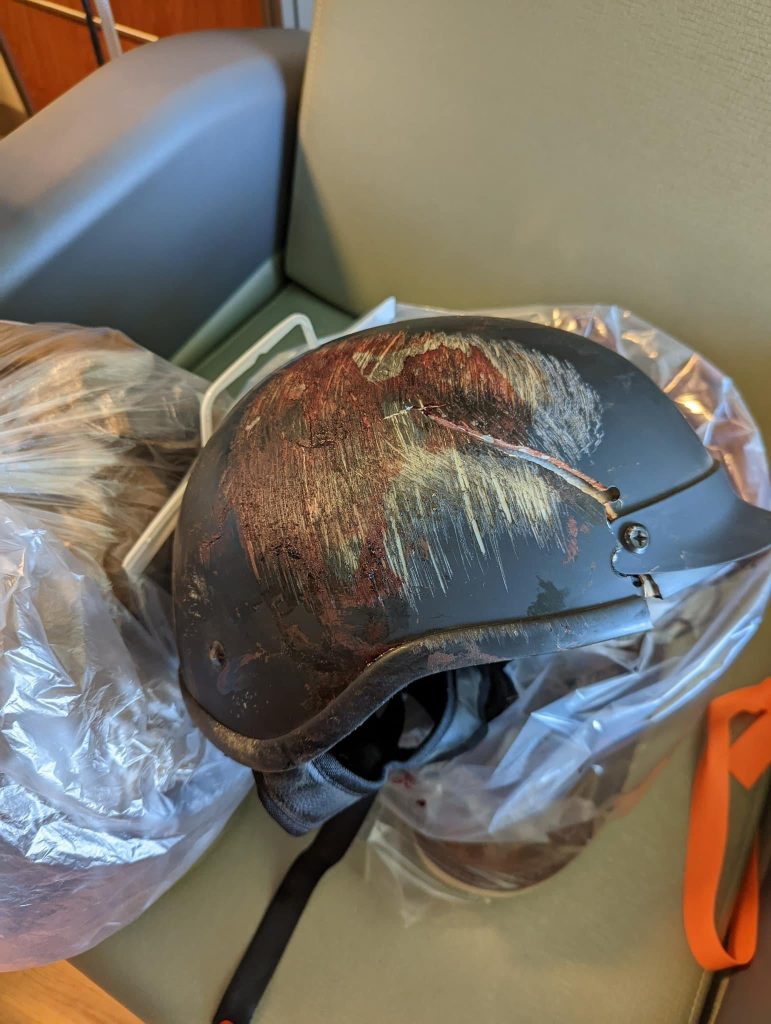
Your bike helmet is your most important safety gear, but do you know when it’s time to replace it? You might be surprised how often you should actually get a new one.
Using an old or damaged helmet could put you at serious risk, even if it looks fine on the outside. You’ll discover the key signs that tell you it’s time for a replacement and how to keep your head protected every time you ride.
Don’t wait until it’s too late—read on to find out exactly how often you should replace your bike helmet.
Helmet Lifespan
Bike helmets protect your head during accidents. They lose strength over time and need replacing.
Knowing how long a helmet lasts helps keep you safe on every ride.
Typical Replacement Timeframe
Most bike helmets should be replaced every five years. This is the average safe lifespan.
Some helmets last shorter or longer depending on use and care.
- Replace helmets after 5 years of use
- Replace immediately if involved in a crash
- Replace if helmet shows visible damage
Factors Affecting Durability
Several things can change how long a helmet stays safe to use.
Heat, sweat, and drops can wear down helmet materials over time.
- Exposure to sunlight can weaken helmet foam
- Sweat and dirt can degrade helmet straps
- Accidental drops can cause hidden cracks
- Improper storage may reduce helmet life

Credit: bernhelmets.com
Signs To Replace
A bike helmet protects your head during accidents. It is important to know when to replace it.
Some signs show your helmet no longer offers good protection. Check these signs regularly.
Visible Damage
Look for cracks, dents, or deep scratches on the helmet shell. These damages can weaken the helmet.
- Cracked outer shell
- Dented foam inside
- Broken straps or buckles
- Loose or missing padding
After A Crash
Replace your helmet after any crash, even if damage is not visible. The helmet may have hidden harm.
Helmets absorb shock in crashes and may lose strength. It cannot protect well after impact.
Wear And Tear Indicators
| Wear Sign | Reason to Replace |
| Faded or brittle foam | Material weakens over time |
| Frayed or stretched straps | Straps may not hold helmet securely |
| Loose or missing parts | Helmet fit is compromised |
| Helmet older than 5 years | Materials degrade naturally |
Material Degradation
Bike helmets protect your head by absorbing impacts. Over time, their materials get weaker.
Material degradation lowers the helmet’s ability to keep you safe. Knowing when to replace it is key.
Impact Of Uv Exposure
Sunlight contains ultraviolet (UV) rays that can damage helmet materials. UV rays break down plastics and foams.
Long exposure to UV light makes helmets brittle and less able to absorb shocks. This can cause cracks or fading.
- Helmets left in the sun often lose strength faster
- UV damage is not always visible but still harmful
- Store helmets in shaded or cool places to protect them
Sweat And Dirt Effects
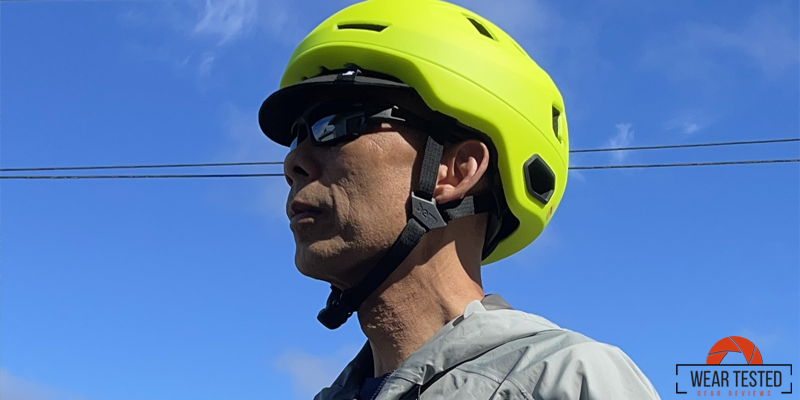
Sweat contains salt and moisture that can wear down helmet materials over time. Dirt can also stick and cause damage.
Salt and moisture break down the foam inside the helmet. Dirt can cause scratches and make materials weaker.
- Clean your helmet regularly with mild soap and water
- Avoid harsh chemicals that can harm helmet materials
- Let the helmet dry fully before storing it
Credit: bernhelmets.com
Helmet Types And Durability
Bikes come with different helmets that suit riding styles. Each helmet type has a lifespan for safety.
Knowing when to replace your helmet keeps you protected on every ride.
Road Bike Helmets
Road bike helmets are light and aerodynamic. They use foam and hard shells for impact protection.
Replace your road helmet every 3 to 5 years. The foam inside can get weaker over time.
- Check for cracks or dents after any crash
- Heat and sweat can degrade materials
- Replace sooner if you notice damage or wear
Mountain Bike Helmets
Mountain bike helmets have extra coverage for rough trails. They often have visors and thicker padding.
Replace mountain helmets every 3 to 5 years too. The materials break down with use and sun exposure.
- Inspect for damage after falls or hits
- Foam compression reduces safety over time
- Replace if padding or straps are worn out
Kids’ Helmets
Kids’ helmets are smaller and made for growing heads. They need frequent replacement as kids grow fast.
Replace kids’ helmets every 2 to 3 years or after any crash. Check size fit often for safety.
- Adjust straps and pads regularly
- Discard helmets that show cracks or dents
- Use helmets with adjustable sizing for longer use
Maintenance Tips
Keeping your bike helmet in good shape helps protect you better. Regular care makes sure it lasts longer. Follow simple steps to clean and store your helmet.
Proper maintenance also helps you spot damage early. Replace your helmet if it shows signs of wear or after a crash.
Cleaning Guidelines
Clean your helmet gently to avoid damage. Use mild soap and water only. Avoid strong chemicals or solvents that can weaken the materials.
- Remove the inner pads before washing them by hand.
- Use a soft cloth or sponge with mild soap and water.
- Rinse the helmet with clean water to remove soap.
- Dry the helmet in a cool, shaded place, not under direct sun.
- Do not use a washing machine or dryer for cleaning.
Proper Storage
Store your helmet in a safe place to keep it from damage. Avoid spots where it can fall or get crushed. Keep it away from heat sources.
| Storage Tip | Reason |
| Keep helmet on a shelf or hook | Prevents drops and dents |
| Avoid direct sunlight | Protects foam from breaking down |
| Do not store near chemicals | Chemicals can weaken helmet shell |
| Keep dry and cool | Prevents mold and material damage |

Credit: road.cc
Choosing A New Helmet
Replacing your bike helmet is important for safety. A new helmet offers better protection and comfort. Choosing the right one helps you ride safer and feel good.
Focus on fit, safety certifications, and new technology. These factors make a big difference in your helmet’s effectiveness. Use this guide to pick a helmet that suits you well.
Fit And Comfort
A good helmet fits snugly without pressure points. It should sit level on your head and not move when you shake your head. Comfort encourages you to wear it every time you ride.
- Measure your head size before buying
- Adjust straps and pads for a secure fit
- Try different shapes to match your head
- Check for ventilation to keep cool
- Make sure it does not block your view
Safety Certifications
Look for helmets with safety labels. These certifications mean the helmet meets set standards. They test the helmet’s ability to protect you in a crash.
| Certification | Region | What It Means |
| CPSC | USA | Meets U.S. impact safety standards |
| CE EN 1078 | Europe | European safety and performance test |
| AS/NZS 2063 | Australia/New Zealand | Local helmet safety rules |
Latest Technology Features
New helmets have features that improve protection and comfort. Look for designs that reduce head rotation or add extra padding. These features help lower injury risks.
- MIPS (Multi-directional Impact Protection System) to reduce rotational force
- In-mold shell for lighter weight and stronger build
- Adjustable ventilation for airflow control
- Removable and washable liners for hygiene
Common Myths
Many people believe myths about how often to replace a bike helmet. These myths can cause confusion and unsafe choices.
Understanding the facts helps keep you safe and make the right decision about your helmet.
Myth: Helmets Expire Like Food
Some think helmets have a set expiration date like food products. In truth, helmets do not spoil but can wear out over time.
Materials inside the helmet can break down after several years, reducing protection.
Myth: A Helmet Is Safe After A Crash
Many believe a helmet is fine to use after a crash if it looks okay. This is false.
Even if there is no visible damage, the helmet’s foam may be crushed and unable to protect you in another crash.
Myth: You Can Tell Helmet Safety By Look Alone
Some riders trust a helmet’s look or brand to judge safety. This is not reliable.
Safety depends on proper certification and condition, not style or cost.
- Check for safety labels like CPSC, ASTM, or Snell
- Replace helmets after 3 to 5 years of use
- Replace after any crash or strong impact
- Inspect regularly for cracks or worn straps
Myth: Expensive Helmets Last Longer
Price does not always mean a helmet will last longer. All helmets wear down with time and use.
| Helmet Type | Average Lifespan |
| Budget Helmet | 3-5 years |
| Mid-range Helmet | 3-5 years |
| High-end Helmet | 3-5 years |
Expert Recommendations
Bike helmets protect your head during crashes. Experts say replacing helmets is important for safety.
Knowing when to replace your helmet helps keep you safe on every ride.
Replace After A Crash
Experts agree you should replace your helmet after any crash. Even small impacts can cause hidden damage.
Follow The Helmet’s Expiry Date
Helmets lose protection over time. Most brands say to replace helmets every 3 to 5 years.
- Check the manufacturer’s label for expiry information.
- Replace helmets that are older than the recommended age.
- Consider how often you use the helmet and exposure to sun or sweat.
Inspect For Visible Damage
Look for cracks, dents, or crushed foam on your helmet. These signs mean it needs replacing.
| Damage Type | Replacement Needed? |
| Cracks in shell | Yes |
| Dents or holes | Yes |
| Foam crushed or cracked | Yes |
| Worn straps or buckles | Yes |
| Minor scratches | No |
Consider Usage And Storage
Helmets used daily or stored in hot places wear out faster. Replace sooner if this applies.
Tip:Store helmets in cool, dry places away from direct sunlight.
Frequently Asked Questions
How Often Should You Replace A Bike Helmet?
A bike helmet should be replaced every 3-5 years. Over time, the materials degrade, reducing protection. If you experience a crash, replace it immediately. Regular inspections for cracks or wear are also essential. Always follow the manufacturer’s guidelines for specific advice on helmet lifespan.
What Factors Affect A Helmet’s Lifespan?
A helmet’s lifespan is affected by use, exposure, and care. Frequent use and exposure to sunlight degrade materials. Improper storage can also lead to damage. Regular cleaning and careful handling can extend its life. Always inspect for visible damage or wear regularly.
Can A Helmet Be Used After A Crash?
No, a helmet should not be used after a crash. Impact can compromise its structural integrity, even if it looks fine. The protective foam inside might be damaged. It’s crucial to replace it immediately to ensure optimal safety during future rides.
How Do I Know If My Helmet Is Expired?
Check the label inside your helmet for the manufacturing date. Most helmets have a lifespan of 3-5 years. Inspect regularly for signs of wear or damage. If the helmet shows cracks or deformed padding, it’s time to replace it for safety reasons.
Conclusion
Replacing your bike helmet regularly keeps you safe on every ride. Most experts say to change it every three to five years. Cracks or damage mean you need a new helmet right away. Sweat and sun can weaken materials over time too.
Trust your helmet to protect your head properly. Don’t wait until it looks bad or feels old. Stay smart and replace your helmet often. Your safety is worth the small effort. Keep riding with confidence and care.