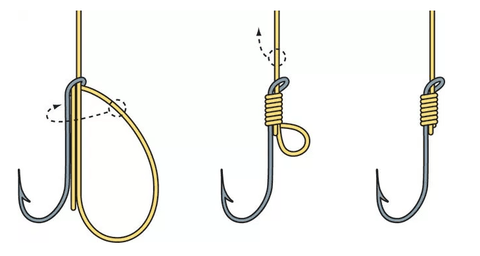
Are you tired of losing fish because your hook isn’t tied right? Knowing how to tie a hook to your fishing line the right way can make all the difference between a great catch and an empty hook.
It’s a simple skill, but getting it wrong can cost you big time. In this guide, you’ll discover easy steps to secure your hook firmly, so you can focus on fishing without worry. Keep reading, and you’ll master a technique that will boost your confidence and improve your success on every fishing trip.

Credit: www.wikihow.com
Choosing The Right Hook And Line
Fishing success starts with picking the right hook and line. These two parts work together to catch fish well.
Understanding hook types and line strength helps you tie a strong knot. This guide explains both choices clearly.
Types Of Fishing Hooks
Hooks come in many shapes and sizes. Each type fits different fishing needs and fish species.
- J-Hooks:Classic shape, good for many fish types.
- Circle Hooks:Designed to hook fish in the mouth, reducing injury.
- Treble Hooks:Three points, often used for lures.
- Siwash Hooks:Long shank, good for replacing treble hooks on lures.
- Baitholder Hooks:Have barbs on the shank to hold bait better.
Selecting The Appropriate Fishing Line
Fishing line choice depends on the fish size and water conditions. Strong lines hold bigger fish, but thin lines are less visible.
| Line Type | Strength | Best Use |
| Monofilament | Light to medium | Easy to handle, good for beginners |
| Fluorocarbon | Medium to strong | Low visibility, good for clear water |
| Braid | Strongest | Long casts, heavy cover fishing |
Preparing Your Fishing Line
Tying a hook to your fishing line starts with proper preparation. Taking time to prepare the line can make the knot stronger and more reliable.
Good preparation helps prevent the line from slipping or weakening. Focus on cutting and moistening the line before you tie the hook.
Cutting The Line
Cut your fishing line cleanly to ensure the knot holds well. Use sharp scissors or a line clipper for this task.
- Measure the length needed for your fishing setup.
- Cut the line straight across without fraying the end.
- Trim any rough edges after cutting.
- Keep the cut end neat for easier knot tying.
Moistening The Line
Before tying the knot, moisten the line to reduce friction and prevent damage. This simple step helps the knot slide tight smoothly.
| Method | Details |
|---|---|
| Use water | Dip your fingers in clean water and wet the line. |
| Use saliva | Lightly lick the line to moisten it before tightening the knot. |
| Apply knot lubricant | Use a small amount of commercial lubricant for best results. |
Popular Knots For Hook Tying
Tying a hook to a fishing line is a basic skill every angler needs. Using the right knot keeps your hook secure and your catch safe.
Below are three popular knots used for tying hooks. Each knot has its strengths and easy steps to follow.
Improved Clinch Knot
The Improved Clinch Knot is common for tying hooks and lures. It holds strong and is simple to tie.
- Thread the line through the hook eye.
- Wrap the tag end around the main line 5 to 7 times.
- Pass the tag end through the small loop near the eye.
- Then bring it back through the big loop just created.
- Wet the knot and pull both ends to tighten.
Palomar Knot
The Palomar Knot is very strong and easy to tie with braided or monofilament lines.
Follow these simple steps to tie the Palomar Knot:
- Double about 6 inches of line and pass it through the hook eye.
- Tie a loose overhand knot with the doubled line.
- Pass the hook through the loop of the overhand knot.
- Pull the hook and line to tighten the knot.
- Trim the excess tag end.
Uni Knot
The Uni Knot works well with all types of fishing lines. It is versatile and very reliable.
| Uni Knot Tie Steps | Description |
|---|---|
| Pass Line Through Eye | Thread the line through the hook eye, doubling back parallel. |
| Make a Loop | Create a small loop by laying the tag end over the doubled line. |
| Wrap Tag End | Wrap the tag end around the doubled line 6 times. |
| Pull Tag End | Pull the tag end to tighten the coils around the doubled line. |
| Slide Knot | Slide the knot down to the hook eye by pulling the main line. |
| Trim Excess | Cut off extra tag end close to the knot. |

Credit: n1outdoors.com
Step-by-step Knot Instructions
Tying a hook to a fishing line is a key skill for anglers. Good knots hold your hook firmly.
Below are clear instructions for three popular fishing knots. Follow each step carefully.
Tying The Improved Clinch Knot
The Improved Clinch Knot is strong and easy to tie. It works well with most fishing lines.
- Thread the line through the eye of the hook.
- Wrap the tag end around the standing line 5 to 7 times.
- Pass the tag end through the small loop near the eye.
- Then, pass it back through the big loop you just made.
- Moisten the knot and pull both ends tight.
- Trim the excess tag end close to the knot.
Tying The Palomar Knot
The Palomar Knot is very strong and simple. It works great with braided and monofilament lines.
- Double about 6 inches of line and pass it through the hook eye.
- Tie a loose overhand knot with the doubled line.
- Pass the hook through the loop of the overhand knot.
- Pull the tag end and standing line to tighten the knot.
- Trim the tag end close to the knot.
Tying The Uni Knot
The Uni Knot is versatile and works well for many fishing lines and hooks.
| Step | Action |
|---|---|
| 1 | Pass the line through the hook eye and double back parallel to the standing line. |
| 2 | Make a loop by laying the tag end over the doubled line. |
| 3 | Wrap the tag end around the doubled line and through the loop 5 times. |
| 4 | Moisten the knot and pull the tag end to tighten. |
| 5 | Slide the knot down to the hook eye and pull the standing line to secure. |
| 6 | Trim the tag end close to the knot. |
Tips For Securing Your Hook
Tying a hook to a fishing line is important for a strong catch. A secure knot keeps the hook in place and prevents losing fish. Use good techniques to make sure your knot holds well.
Pay attention to how you tie the knot and how you handle the line. This will help keep your fishing setup safe and ready for use. Follow these tips to improve your knot security.
Checking Knot Strength
Test the knot before you fish. A strong knot will not slip or break easily. You can check knot strength by pulling the hook and line hard. If the knot holds, it is tied well.
- Wet the knot before tightening it to reduce friction.
- Pull the tag end and main line firmly to set the knot.
- Give the knot a final strong pull to check security.
- Cut off extra tag ends close to the knot to avoid snagging.
Avoiding Line Damage
Damaged fishing line weakens your setup and causes breaks. Avoid sharp bends and rough handling when tying your hook. Keep the line smooth and clean for best results.
| Common Cause | Effect on Line | How to Avoid |
|---|---|---|
| Over-tightening knot | Line weakens or breaks | Pull knot firm but not too hard |
| Using dry line | Friction burns the line | Moisten line before tying |
| Sharp edges on hook eye | Cut or fray line | Check hook eye smoothness |
| Excessive tag end length | Snags and tangles | Trim tag end close to knot |
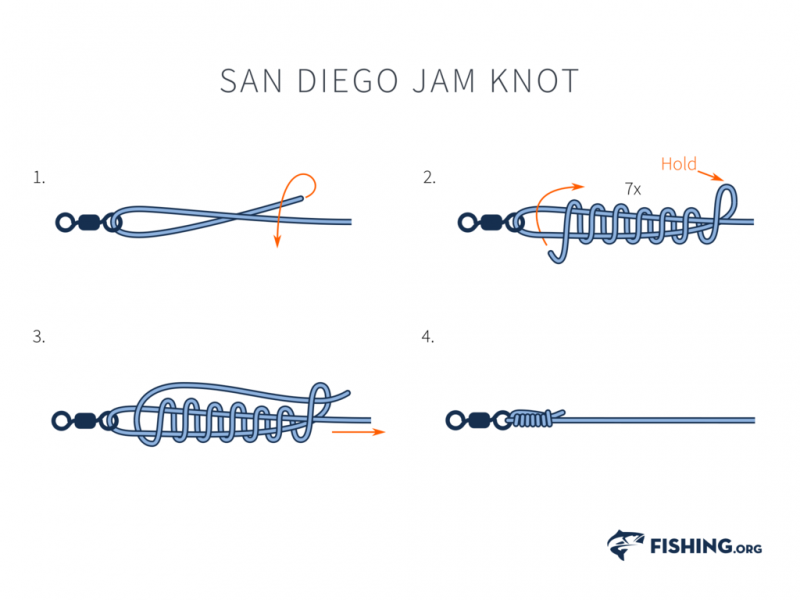
Credit: www.evoprecision.com
Common Mistakes To Avoid
Tying a hook to a fishing line seems simple. Many anglers make mistakes that weaken the knot.
These mistakes can cause lost fish and wasted time. Avoiding them helps catch more fish.
Loose Knots
Loose knots slip easily and break under pressure. They fail to hold the hook tightly.
Tying the knot too quickly causes it to be loose. Always pull the knot tight and wet the line first.
- Wet the line before tightening to reduce friction
- Pull the knot firmly to ensure it is tight
- Check the knot for any gaps or looseness
- Practice tying slowly to avoid mistakes
Wrong Hook Placement
Placing the hook in the wrong spot on the line weakens the connection. This causes the hook to move or fall off.
Always place the hook eye correctly through the loop. This keeps the hook steady and ready for a catch.
- Thread the line through the hook eye fully
- Keep the knot close to the hook eye
- Do not tie the knot too far from the hook
- Check that the hook does not slide after tying
Frequently Asked Questions
How Do You Tie A Fishing Hook To A Line?
To tie a hook, start by threading the line through the hook eye. Wrap the line around itself 5-7 times. Pass the end through the loop near the eye. Pull tight and trim excess. This creates a strong, reliable knot for fishing.
What Is The Best Knot For Fishing Hooks?
The Improved Clinch Knot is widely regarded as the best knot. It offers strength and simplicity. It holds well under tension and is easy to tie. This knot is perfect for most fishing lines and hooks.
How Can I Prevent My Fishing Hook From Slipping?
Ensure you wrap the line tightly around itself 5-7 times. Pull the knot firmly to tighten. Use a knot like the Improved Clinch Knot for extra security. Always trim the tag end close to the knot to prevent slippage.
Can I Use Any Fishing Line To Tie Hooks?
Most fishing lines, including monofilament and fluorocarbon, work well. However, braided lines may require different knots for better grip. Always choose a knot suitable for your specific line type to ensure strength and durability.
Conclusion
Tying a hook to a fishing line is essential for fishing success. With practice, it becomes quick and easy. Start with the right knot for your fishing style. The improved clinch knot is a great choice. Remember to wet the line before tightening.
This helps prevent line damage. Practice makes perfect, so keep trying. Soon, it will feel natural. Enjoy your fishing adventures with confidence. Catch more fish and create lasting memories. Happy fishing!