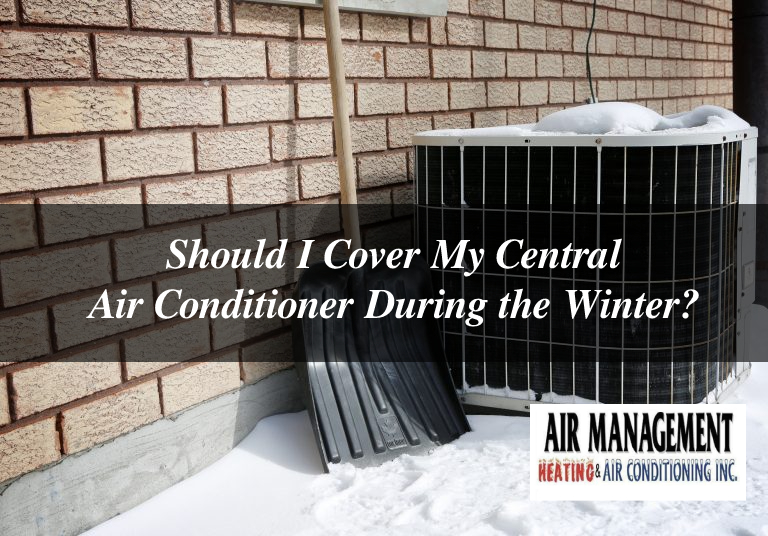
Are you wondering if you should cover your air conditioner during the winter months? It’s a common question that many homeowners face as cold weather sets in.
You want to protect your unit and avoid costly repairs, but is covering it the best choice? Making the wrong decision could actually cause more harm than good. Keep reading to discover the simple steps you can take to keep your air conditioner safe and running smoothly when the temperatures drop.
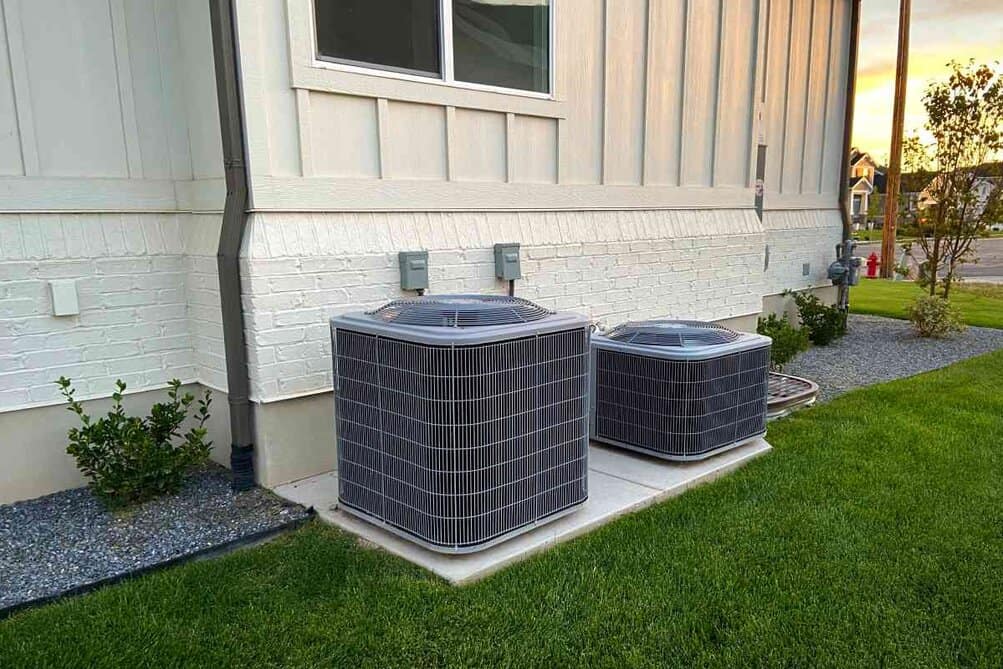
Credit: www.furnaceprices.ca
Why Covering Matters
Covering your air conditioner in winter helps protect it from damage. Cold weather and winter elements can harm the unit.
Proper covering keeps your air conditioner safe and ready for use in warmer months.
Protecting From Debris
Leaves, dirt, and other debris can clog your air conditioner. This can block airflow and reduce its efficiency.
- Covering stops debris from entering the unit
- Prevents buildup that can cause damage
- Keeps the unit cleaner for spring use
Preventing Moisture Damage
Water from rain or snow can cause rust and corrosion. Moisture inside the unit can also lead to mold growth.
| Type of Moisture | Possible Damage |
| Rain | Rust on metal parts |
| Snow | Freezing damage |
| Condensation | Mold and mildew |
Avoiding Pest Intrusion
Small animals and insects may enter the air conditioner. They can build nests or cause damage to wiring.
- Covering blocks access points for pests
- Prevents nests inside the unit
- Protects wiring and insulation

Credit: childresshvac.com
Types Of Covers
Covering your air conditioner in winter helps protect it from dirt and weather. There are different types of covers you can use. Each type has its own benefits and uses.
Choosing the right cover depends on your needs and the climate where you live. Let’s look at the common types of air conditioner covers.
Plastic Covers
Plastic covers are usually made from thick, durable plastic sheets. They protect the air conditioner from rain, snow, and debris.
These covers are easy to install and remove. They keep moisture away but can trap heat and cause condensation inside.
- Waterproof and blocks rain
- Affordable and widely available
- May cause moisture build-up if not ventilated
Fabric Covers
Fabric covers use breathable materials like polyester or canvas. They protect from dust and light rain while allowing air to flow.
These covers reduce the chance of moisture buildup. They are soft and less likely to damage the unit’s surface.
- Breathable to prevent mold
- Lightweight and easy to handle
- May not protect well in heavy snow or rain
Custom-fitted Covers
Custom-fitted covers are made to fit your air conditioner perfectly. They offer the best protection against weather and dirt.
These covers often use strong fabrics with water-resistant layers. They provide secure coverage without blocking airflow.
- Tailored to your unit’s size and shape
- Offers strong protection from weather
- Usually more expensive than generic covers
Potential Risks Of Covering
Many people cover their air conditioners during winter to protect them. This seems helpful but can cause problems. Covering can trap moisture and harm the unit.
It is important to know the risks before covering your air conditioner. Some issues may cost you more money and repairs.
Trapping Moisture
Covers can hold moisture inside the air conditioner. Rain, snow, and humidity get trapped under the cover. This moisture can cause rust and damage.
Rust makes the metal parts weak and can lead to leaks. The trapped water can also freeze and crack parts of the unit.
Encouraging Mold Growth
Moist and dark spaces under the cover are perfect for mold. Mold can grow on coils and inside the unit. It may cause bad smells and poor air quality.
Mold can spread to your home when the air conditioner runs again. This can cause health problems for people with allergies or asthma.
Impact On Warranty
Some air conditioner warranties do not cover damage from improper covering. Using the wrong cover or sealing the unit too tightly can void the warranty.
Check your warranty terms before covering your air conditioner. You may lose the chance for free repairs if problems happen.
When Not To Cover
Many people wonder if they should cover their air conditioner in winter. Covering might seem like a good idea to protect it. But sometimes, covering can cause more harm than good.
It is important to know when not to cover your air conditioner. This helps keep the unit in good shape and avoid damage.
Units Designed For Year-round Exposure
Some air conditioners are made to stay outside all year. These units have special parts that resist cold and moisture. Covering them can trap moisture and cause rust.
If your unit is built for winter use, do not cover it. Let it breathe and stay dry naturally.
- Check the manufacturer’s instructions first.
- Look for a label that says “all-season” or “year-round.”
- Do not cover if the unit has a weatherproof design.
Mild Winter Climates
In areas with mild winters, air conditioners face little frost or snow. Covering the unit is often unnecessary. The risk of moisture build-up is higher than the risk of cold damage.
Leaving the unit uncovered lets air flow freely. This stops moisture from building up inside the cover.
- Check local winter weather before deciding.
- Skip the cover if temperatures rarely drop below freezing.
- Regularly clear debris and leaves from around the unit.
Preparing Your Ac For Winter
As winter approaches, it is important to prepare your air conditioner for the cold months. Proper care helps protect your unit and keeps it ready for summer.
Covering your AC is one choice, but there are other steps you should take first. These steps keep your unit safe and in good shape.
Cleaning The Unit
Start by cleaning your AC unit before winter. Remove leaves, dirt, and debris around and inside the unit.
Use a soft brush or a vacuum to clear dust from the fins and coils. This prevents damage and improves airflow.
- Turn off power to the unit first
- Clear away leaves and grass clippings
- Use a garden hose to rinse the outside
- Be gentle to avoid bending the fins
Inspecting For Damage
Check your AC unit for any damage before winter. Look for cracks, rust, or bent parts on the outside.
Early detection of problems can stop bigger issues later. Fix small damage to protect the unit.
- Check the casing for cracks or rust
- Look at the fins for bends or breaks
- Inspect the fan blades for chips or cracks
- Listen for unusual noises when running
Securing Electrical Components
Protect the electrical parts of your AC before winter. Moisture and cold can cause damage to wiring and connections.
Cover or insulate exposed wires and check that all connections are tight. This helps avoid electrical problems.
- Turn off power before inspecting wires
- Look for frayed or cracked wiring
- Tighten loose electrical connections
- Use weatherproof covers for outlets
Covering Tips For Best Protection
Covering your air conditioner in winter can protect it from cold weather and debris. Proper covering helps keep your unit safe and ready for summer use.
Use the right materials and check the cover often. This stops damage and keeps air flowing well around the unit.
Choosing The Right Material
Pick a cover made of durable, waterproof material. It should keep rain, snow, and leaves away from the air conditioner.
A cover that fits well stops pests and dirt from entering. Avoid plastic tarps that trap moisture and cause rust.
- Use a heavy-duty, breathable fabric
- Choose a cover that fits your unit’s size
- Avoid non-breathable plastic covers
Ensuring Proper Ventilation
Your air conditioner needs air even in winter. Cover it so air can pass through and stop moisture buildup.
Good ventilation prevents mold and rust. Make sure the cover does not seal the unit tightly.
- Choose covers with vents or breathable fabric
- Leave space around the unit for air flow
- Check that the cover is not sealed tightly
Regular Checks During Winter
Check your air conditioner cover often in winter. Look for tears, water pooling, or blocked vents.
Fix any problems quickly. Remove snow or ice that builds up on or around the cover.
- Inspect the cover monthly for damage
- Clear snow and ice from the cover
- Replace the cover if it becomes worn out

Credit: shaferhvac.com
Frequently Asked Questions
Should I Cover My Air Conditioner In Winter?
Covering your air conditioner in winter can protect it from debris and harsh weather. However, ensure the cover is breathable to prevent moisture buildup that can cause rust or mold.
What Type Of Cover Is Best For Winter Ac Protection?
Use a waterproof, breathable cover designed for air conditioners. This type prevents water accumulation while keeping out leaves and dirt, preserving the unit’s condition during winter months.
Can Covering The Ac Improve Its Lifespan?
Yes, covering your AC in winter can extend its lifespan. It shields the unit from weather damage, reduces wear, and keeps internal parts cleaner for better performance.
Is It Necessary To Cover Central Air Conditioners In Winter?
Covering central air conditioners is recommended but not mandatory. Protecting the outdoor unit from snow, ice, and debris helps maintain efficiency and prevents potential damage.
Conclusion
Covering your air conditioner in winter can protect it from dirt and damage. A simple cover helps keep leaves, dust, and snow away. But make sure the cover fits well and allows air to flow. Too much moisture trapped inside can cause rust or mold.
Check the unit regularly during winter to avoid problems. A good cover can extend your air conditioner’s life. Take time to prepare your AC for colder months. It’s a small step that saves money later. Think of it as winter care for your home.