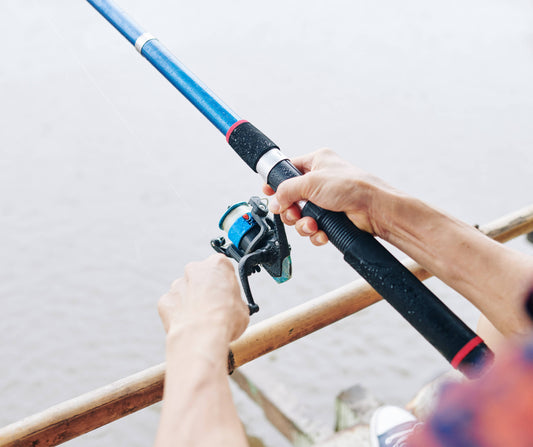
Are you ready to get your fishing pole ready for the next big catch? Knowing how to put fishing line on a fishing pole is one of the first and most important skills every angler needs.
If you’ve ever struggled with tangled lines or weak setups, this guide is for you. By mastering this simple step, you’ll save time, avoid frustration, and improve your chances of landing that trophy fish. Keep reading, and you’ll learn an easy, step-by-step method to spool your fishing line like a pro—making every cast smoother and every fishing trip more enjoyable.
Choosing The Right Fishing Line
Choosing the right fishing line is important for a good fishing experience. The line affects how you catch fish and how easy it is to use your fishing pole.
This guide explains the main types of fishing lines, their strength, thickness, and how to match them to your fishing style.
Types Of Fishing Lines
There are three common types of fishing lines. Each has unique features and uses.
- Monofilament:Made from one strand of nylon, it is stretchy and easy to handle. Good for beginners.
- Fluorocarbon:Less visible underwater and sinks faster. It is strong and abrasion-resistant.
- Braid:Made from many fibers woven together. It has no stretch and is very strong.
Line Strength And Thickness
Line strength is measured by its “pound test,” which shows how much weight it can hold. Thickness affects how far you can cast and the line’s visibility in water.
| Line Type | Common Strength Range | Thickness (Diameter) |
|---|---|---|
| Monofilament | 4 to 20 pounds | 0.10 to 0.40 mm |
| Fluorocarbon | 6 to 30 pounds | 0.09 to 0.35 mm |
| Braid | 10 to 65 pounds | 0.06 to 0.35 mm |
Matching Line To Fishing Style
Your fishing style affects the best line choice. Match the line to the fish size and water type.
- Use monofilament for general fishing and light tackle.
- Choose fluorocarbon for clear water and fish that see well.
- Braid is best for heavy cover and big fish because it is strong and thin.
Credit: mysterytacklebox.com
Preparing Your Fishing Pole
Before putting fishing line on your fishing pole, you need to prepare the pole well. Proper preparation makes the process easier and helps your gear last longer.
Taking time to clean and check your fishing pole and reel ensures smooth casting and better fishing experience.
Cleaning The Reel And Pole
Clean dirt and salt off your reel and pole before adding new line. This keeps parts working well and stops rust.
Use a soft cloth and fresh water to wipe down the reel and pole. Avoid harsh chemicals that can damage the finish.
- Rinse pole and reel with fresh water
- Wipe with a soft, dry cloth
- Remove any stuck dirt or debris gently
- Let them dry completely before use
Checking The Guides And Reel
Look over the guides and reel for damage or wear. Broken guides can cut your fishing line. A damaged reel may not spool line correctly.
Check for cracks, bends, or rough spots on the guides. Spin the reel handle to feel if it moves smoothly without noise or stiffness.
- Inspect all guides for cracks or sharp edges
- Make sure guides are firmly attached to the pole
- Test the reel’s handle and drag system
- Fix or replace damaged parts before use
Gathering Necessary Tools
Collect all tools needed to put fishing line on your pole. Having everything ready saves time and helps you work faster.
Basic tools include scissors, new fishing line, and sometimes a line conditioner. You might also need a screwdriver for reel adjustments.
- New fishing line suitable for your pole
- Scissors or line cutters
- Line conditioner (optional)
- Screwdriver (for reel maintenance)
- Clean cloth for wiping hands and gear
Attaching The Line To The Reel
Putting fishing line on a fishing pole starts with attaching it to the reel. This step is important for smooth casting and reeling.
Learn how to spool the line, tie a secure knot, and avoid line twists for better fishing.
Spooling Techniques
Spooling the line properly keeps it tight and ready to use. Keep tension on the line as you wind it onto the reel.
- Attach the line to the reel spool with a knot.
- Hold the line tight between your fingers.
- Turn the reel handle slowly to wind the line evenly.
- Fill the spool almost to the edge, not too tight or loose.
Securing The Line Knot
The knot secures the line to the reel. A strong knot stops the line from slipping when you fish.
- Use an Arbor knot for a simple hold.
- Make sure the knot is tight and neat.
- Trim any loose ends close to the knot.
- Test the knot by pulling hard on the line.
Avoiding Line Twist
Line twist causes tangles and weak spots. Avoid twists to keep your line strong and smooth.
| Cause of Line Twist | How to Prevent |
|---|---|
| Loose line on the spool | Keep line tight when spooling |
| Incorrect knot tying | Use proper knots like Arbor knot |
| Reeling against line tension | Reel smoothly without jerking |
Winding The Line Properly
Putting fishing line on a fishing pole needs care. Proper winding helps your line last longer and work better.
Good winding keeps the line strong and ready for fishing. Learn how to wind it right for best results.
Maintaining Tension
Keep the fishing line tight as you wind it on the spool. Loose line can tangle and cause problems later.
You can hold the line with your fingers or use a cloth to keep steady tension. This helps the line lay properly.
Evenly Layering The Line
Wind the line in smooth, even layers across the spool. Avoid piling it up in one spot.
Move the line guide or your fingers side to side while winding. This spreads the line evenly and stops tangles.
- Start near the spool edge
- Move slowly to the other edge
- Repeat until the spool is filled
Stopping At The Right Length
Do not fill the spool too full. Leave some space to prevent the line from slipping off the edges.
Stop winding when the line is about 1/8 inch below the spool rim. This helps keep the line secure and easy to cast.
Finishing Touches
After loading your fishing line onto the reel, some final steps help prepare your fishing pole for use. These finishing touches ensure the line is secure and ready for casting.
Following these steps helps prevent line tangles and improves your fishing experience. Focus on cutting the line properly, threading it through guides, and tying the leader or hook.
Cutting The Line
Cut the fishing line with sharp scissors or a line cutter. Leave about 12 inches of extra line after winding it on the reel. This length makes it easier to thread and tie knots.
Make a clean cut to avoid frayed ends. Frayed lines can weaken knots and cause line breaks during fishing.
Threading Through Guides
Start threading the line through the guides on the fishing pole. Begin at the bottom near the reel and move toward the rod tip. Guides help control and direct the line when casting.
- Pass the line through each guide one by one
- Keep the line tight to avoid slack
- Check that the line moves smoothly through all guides
Proper threading reduces line tangles and improves casting accuracy.
Tying The Leader Or Hook
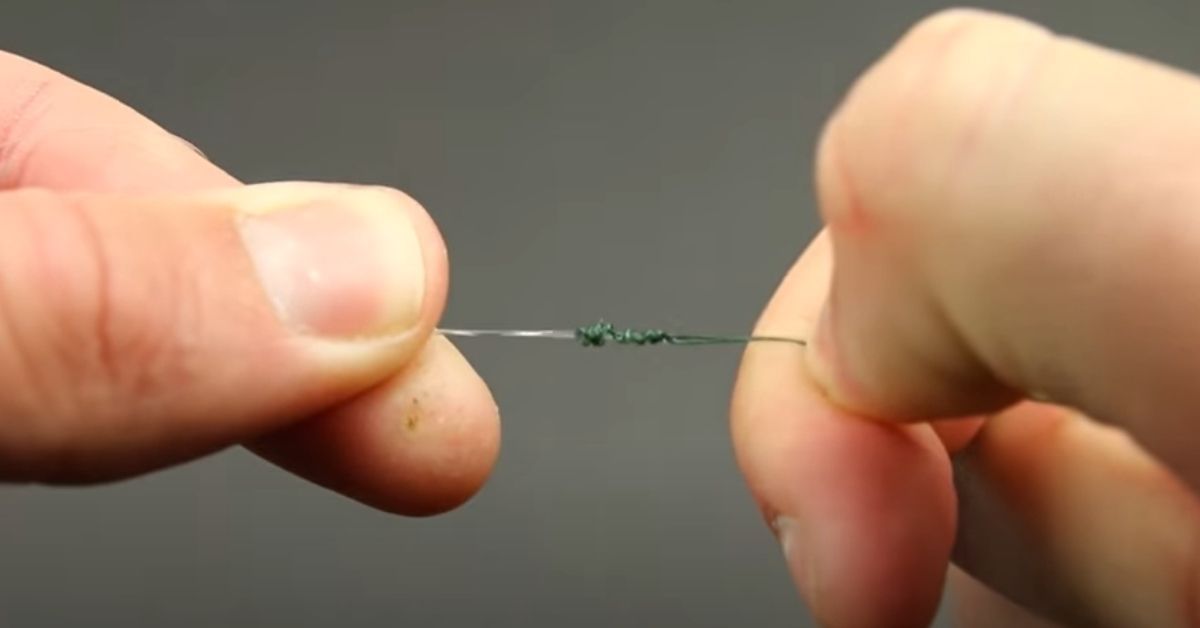
Tie the leader or hook to the end of your fishing line using a strong knot. A common knot is the improved clinch knot, which holds well and is easy to tie.
- Thread the line through the eye of the hook or leader
- Wrap the line around itself 5-7 times
- Pass the end back through the loop near the eye
- Pull tight and trim excess line
Secure knots prevent losing hooks or fish and keep your tackle intact.

Credit: www.youtube.com
Common Mistakes To Avoid
Putting fishing line on a fishing pole seems easy, but many make mistakes. These errors can cause problems while fishing.
Knowing what to avoid helps keep your line strong and ready for a good catch. Here are some common mistakes to watch out for.
Overfilling The Reel
Putting too much line on the reel causes tangles and line breaks. The line may spill over the reel edges and get caught.
Keep the line level with the reel’s edge or slightly below it. This prevents snags and helps smooth casting.
- Overfilling causes backlashes and knots
- Too little line reduces casting distance
- Fill the reel to about 1/8 inch below the edge
Using Old Or Damaged Line
Old fishing line loses strength and can snap easily. Damaged line has weak spots that break under pressure.
Check your line before putting it on the reel. Replace it if it feels brittle, cracked, or faded.
- Old line reduces your chances of catching fish
- Damaged line can cause lost fish and gear
- Store line in a cool, dry place to keep it fresh
Ignoring Line Tangles
Line tangles make casting difficult and cause frustration. Knots can weaken the line and lead to breakage.
Watch for twists and loops as you spool the line. Fix tangles right away to keep the line smooth.
- Check line tension during spooling
- Keep the line tight and straight
- Remove loops before they form knots
Tips For Line Maintenance
Keeping your fishing line in good shape helps you catch more fish. It also stops your line from breaking at the wrong time.
Regular care is key. Learn how to check, replace, and store your line properly to make it last longer.
Regular Line Inspection
Look at your fishing line often. Check for small cuts, weak spots, and dirt. These can cause the line to break easily.
- Run your fingers along the line to feel for rough spots.
- Look closely for discoloration or frays.
- Check the line near the rod guides and reel.
- Remove any dirt or salt with fresh water and a soft cloth.
Replacing Line When Needed
Change your fishing line if it looks worn or damaged. Old line is weaker and can snap during a catch.
| Reason to Replace | Signs to Watch For |
| Line is faded | Color has changed from new |
| Frays or nicks | Visible cuts or rough spots |
| Line feels sticky | Gummy or stiff texture |
| Line is old | Used for many fishing trips |
Storing The Pole Properly
Store your fishing pole in a safe place to keep the line strong. Avoid heat and direct sunlight. These can weaken the line.
- Keep the pole in a cool, dry area.
- Loosen the line tension on the reel.
- Use a rod sleeve or cover to protect from dust.
- Hang the pole vertically or lay it flat to avoid bending.

Credit: www.youtube.com
Frequently Asked Questions
How Do I Choose The Right Fishing Line For My Pole?
Choose a fishing line based on your target fish size and fishing style. Consider line strength, thickness, and material like monofilament or braided. Match the line to your pole’s specifications for best performance and durability.
What Tools Are Needed To Put Line On A Fishing Pole?
You need fishing line, a fishing reel, scissors, and a pencil or rod for winding. These tools help thread and secure the line properly onto the reel, ensuring smooth casting and retrieval.
How Do I Tie The Fishing Line To The Reel Spool?
Use an arbor knot to tie the line to the reel spool. This knot is strong and secure, preventing slippage while allowing the line to spool evenly during winding.
How Much Fishing Line Should I Put On The Reel?
Fill the reel spool to about 1/8 inch below the rim. This prevents overfilling, which causes tangles, and ensures enough line for casting distance and fish fights.
Conclusion
Putting fishing line on a fishing pole is simple and quick. Start by choosing the right line for your fishing needs. Tie the line securely to the reel spool. Wind the line evenly to avoid tangles later. Check the tension to keep the line tight but not too tight.
Practice a few times to get comfortable with the steps. Soon, you will prepare your pole like a pro. Fishing becomes more fun when your gear works well. Try it today and enjoy your next fishing trip!