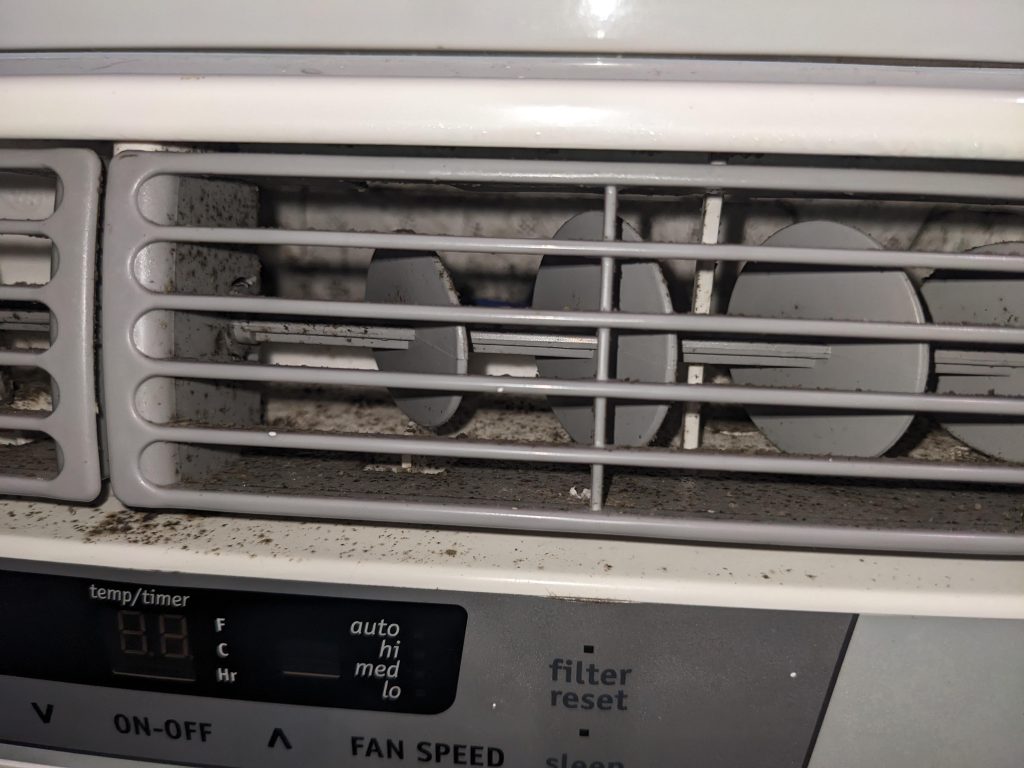
Have you ever wondered if mold can grow inside your air conditioner? If so, you’re not alone.
Mold in your AC isn’t just an unpleasant sight or smell—it can affect your health and the air you breathe every day. Understanding how mold develops in your cooling system and what you can do to stop it is key to keeping your home fresh and safe.
Keep reading to discover the surprising facts about mold in air conditioners and learn simple steps you can take to protect your space.
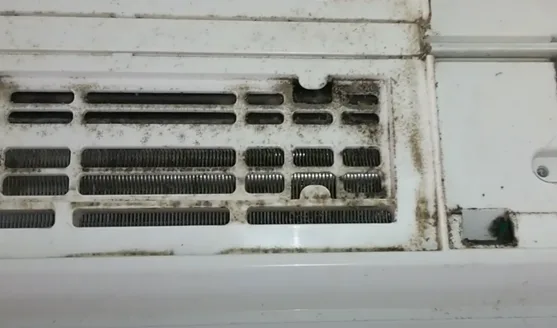
Credit: heatingandcoolingwichitaks.com
How Mold Thrives In Ac Units
Mold grows well in damp and warm places.Air conditioners often have moisture from cooling air. This moisture creates a perfect spot for moldto grow inside the unit. Dust and dirt in the AC provide food for mold. Poor air flow and dirty filters make mold growth easier. Mold spores float in the air and settle inside the AC. Dark and wet areas in the unit help mold thrive. Regular cleaning stops mold from spreading. Using a dehumidifier can reduce moisture and mold chances.
| Common Mold Types | Description |
|---|---|
| Cladosporium | Often found on damp surfaces in AC units. |
| Aspergillus | Grows in wet, warm areas inside air conditioners. |
| Penicillium | Appears on damp parts and can cause allergies. |
| Alternaria | Common in HVAC systems, linked to respiratory issues. |

Credit: health.yahoo.com
Signs Of Mold In Air Conditioners
Unusual odorscoming from the air conditioner can indicate mold. A musty or earthy smellis a common sign. This smell often gets stronger when the unit runs.
Reduced air qualitycan cause coughing, sneezing, or throat irritation. Mold spores spread through the air, lowering indoor air quality. This affects people with allergies or asthma the most.
Visible mold spotsmay appear on the air vents or inside the unit. These spots look like black, green, or white patches. Mold grows in damp areas, so check near water drainage or filters.
Health Risks Linked To Moldy Acs
Moldy air conditionerscan cause many health problems. They release tiny spores into the air. These spores can trigger allergic reactionssuch as sneezing, itchy eyes, and runny nose. People with mold allergies feel worse around moldy ACs.
Breathing in mold spores may cause respiratory issues. Coughing, wheezing, and shortness of breath are common. Those with asthma or lung problems can get very sick. Mold can make breathing difficult.
Long-term exposure to mold can lead to serious health effects. It may cause chronic sinus infectionsor worsen asthma. In rare cases, mold can affect the brain or cause toxic reactions. Keeping AC units clean helps reduce these risks.
Preventing Mold Growth In Ac Systems
Regular maintenancekeeps your AC clean and mold-free. Change or clean filters every 1-3 months. Check coils and ducts for dirt and dust buildup. Clean the drip pans to avoid water standing inside. Use a vacuum or soft brush for cleaning parts gently.
Proper drainage stops water from sitting inside the system. Make sure drain lines are clear and free of clogs. Water should flow out smoothly to prevent mold growth. A blocked drain can cause damp areas where mold thrives.
Using mold-resistant materialshelps lower mold risks. Choose insulation and air filters made to resist mold. These materials do not hold moisture easily. This way, mold finds it hard to grow in your AC system.
Cleaning Mold From Air Conditioners
Cleaning mold from air conditioners is important for healthy air. Start by turning off the unit and unplugging it. Remove the filter and wash it with warm, soapy water. Let it dry completely before putting it back. Use a soft cloth and a mixture of water and vinegar to wipe the inside surfaces gently. Avoid using bleach as it can damage the unit and release harmful fumes.
Keep the area dry to prevent mold from returning. Regular cleaning every few months helps keep mold away.
- Wear gloves and a mask to protect yourself.
- Do not spray water directly inside the unit.
- Use a vacuum with a brush attachment to clean vents.
Call professionals if mold covers large areas or keeps coming back. They have tools and chemicals that clean deeply and safely.
| Safe Cleaning Products | Notes |
|---|---|
| White vinegar | Kills mold and is gentle on surfaces |
| Soap and water | Good for light cleaning and filter washing |
| Isopropyl alcohol | Disinfects and dries quickly |
| Commercial mold cleaners | Use only those safe for air conditioners |
Upgrading To Mold-resistant Air Conditioners
Choosing an air conditioner with mold-resistant featureshelps keep your home healthy. Look for models with antimicrobial coatingsinside the unit. These coatings stop mold and bacteria growth on wet surfaces.
Some air conditioners have auto-drainage systemsto remove water quickly. This reduces moisture buildup where mold likes to grow. Also, units with high-efficiency air filterscatch tiny mold spores.
| Feature | Benefit |
|---|---|
| Antimicrobial Coating | Prevents mold on internal parts |
| Auto-Drainage System | Removes water to reduce moisture |
| High-Efficiency Filters | Traps mold spores and dust |
New technology can improve air qualityand reduce cleaning needs. It saves energy and keeps the air fresh. Mold-resistant air conditioners make homes safer and more comfortable.

Credit: www.carrier.com
Frequently Asked Questions
Can Mold Grow Inside Air Conditioner Units?
Yes, mold can grow inside air conditioners. Moisture and dust create a perfect environment for mold growth in AC units.
What Causes Mold Growth In Air Conditioners?
Mold grows due to moisture buildup, poor drainage, and dirty filters in air conditioners. Lack of maintenance worsens this.
How Can I Prevent Mold In My Air Conditioner?
Regular cleaning, changing filters, and ensuring proper drainage prevent mold growth. Use dehumidifiers and schedule maintenance checks.
Is Mold In Air Conditioners Harmful To Health?
Yes, mold spores can cause allergies, respiratory issues, and worsen asthma symptoms when inhaled from AC units.
Conclusion
Mold can grow in air conditioners if moisture builds up inside. This growth can cause bad smells and affect air quality. Regular cleaning helps keep mold away and your system working well. Check your filters and drains often to stop mold from spreading.
Clean air means better health for you and your family. Stay alert and maintain your air conditioner to avoid mold problems. Small steps can make a big difference in keeping your home fresh.