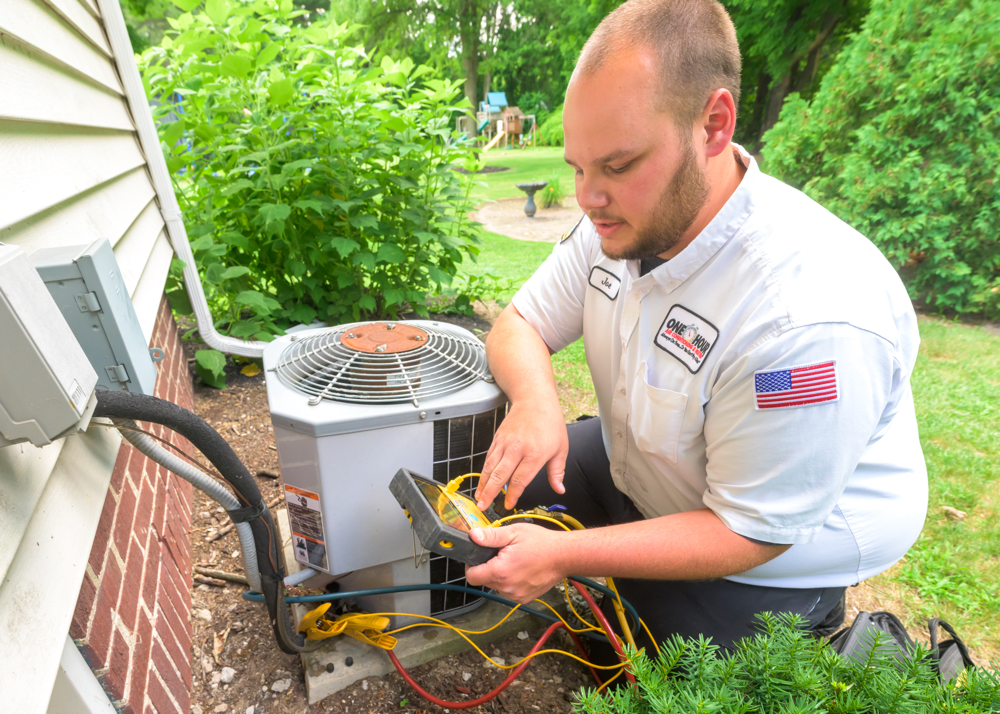
Is your air conditioner making strange noises or not cooling like it used to? You might be wondering, “Can an air conditioner condenser be repaired?” This part is crucial for keeping your home cool, and when it’s not working right, the discomfort can be overwhelming.
Before you rush to replace the whole unit, it’s important to know if fixing the condenser is an option. You’ll discover what signs to watch for, when repair is possible, and how it can save you time and money. Keep reading to find out how to get your AC back to its best without unnecessary costs.
Credit: www.topahill.com
Signs Of A Faulty Condenser
Unusual noiseslike buzzing or rattling may mean the condenser is faulty. Strange sounds often point to loose or broken parts inside the unit.
Reduced cooling efficiencymeans the air conditioner does not cool the room well. This can happen if the condenser is dirty or damaged.
Leaking refrigerantis a serious sign. You might see oily spots or wet areas near the condenser. This leak reduces the cooling power and can harm the system.
Frequent cyclingmeans the AC turns on and off too often. This wastes energy and can wear out the unit faster. It usually shows a problem with the condenser or thermostat.
Common Condenser Issues
Dirty or clogged coilsblock airflow and reduce cooling power. Dust and debris build up over time. Cleaning coils improves efficiency and stops damage.
Damaged fan motorstops the condenser from moving air. It makes the unit noisy or stops it working. Repair or replace the motor to restore function.
Refrigerant leakscause the system to lose cooling ability. Low refrigerant means the air conditioner cannot cool well. Fixing leaks and refilling refrigerant is important.
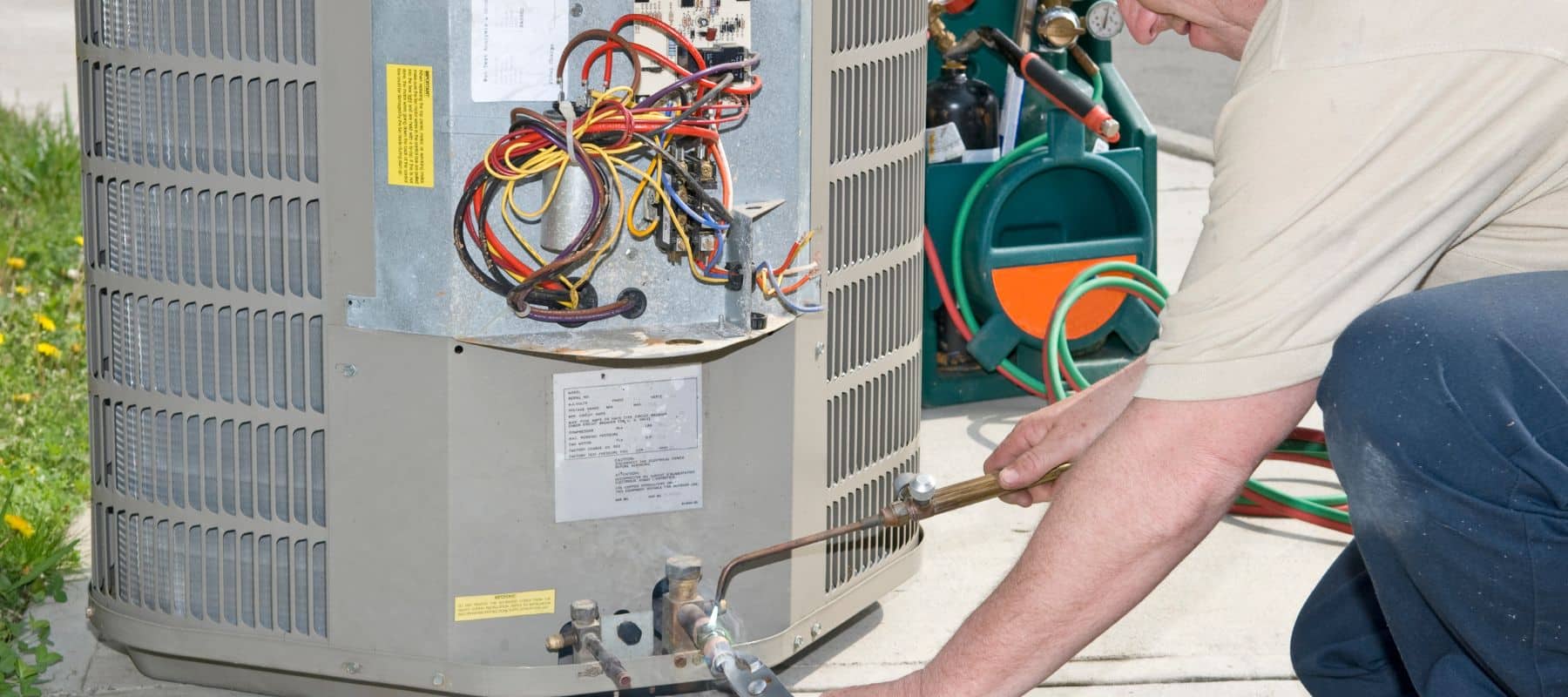
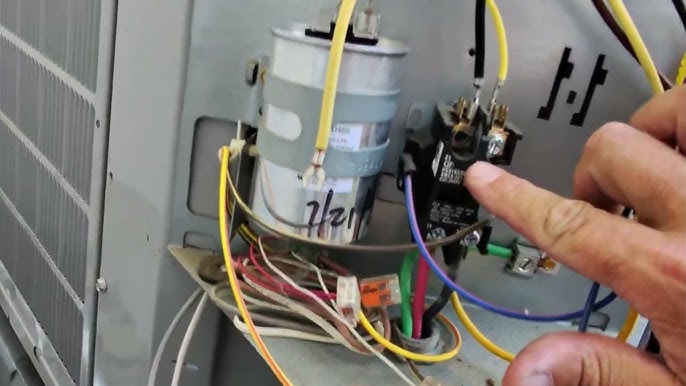
Electrical problemsinclude wiring faults or broken capacitors. These issues can stop the condenser from running. Checking and fixing electrical parts keeps the system safe and working.
Repair Vs Replacement
Costplays a key role in deciding between repair and replacement. Repairing an old unit can be cheaper upfront but might cost more in the long run due to repeated fixes. Replacing an old condenser often means fewer repairs and better performance.
| Factor | Repair | Replacement |
|---|---|---|
| Age of the Unit | Best for units under 10 years old | Better for units older than 10 years |
| Extent of Damage | Minor damage or parts replacement | Severe damage or multiple failures |
| Energy Efficiency Impact | May not improve efficiency | Often improves energy savings |

Credit: classicairconditioningandheating.com
Diy Repair Tips
Cleaning the coilshelps the air conditioner work better. Dust and dirt block airflow and lower cooling power. Use a soft brush or vacuum to remove debris gently. Avoid using strong water pressure as it can damage the coils.
Straightening bent finsimproves airflow through the condenser. Bent fins can stop air from passing freely. Use a fin comb or a small flat tool to straighten them carefully. Be gentle to prevent breaking the fins.
Checking the fanensures the condenser cools properly. Look for cracks or damage on the fan blades. Make sure the fan spins freely without noise. Replace the fan if it is broken or worn out.
Tightening electrical connectionskeeps the condenser safe and reliable. Loose wires can cause the unit to stop working. Turn off power before checking wires. Use a screwdriver to tighten all screws and connectors securely.
When To Call A Professional
Handling refrigerantrequires special tools and training. Only certified technicians should work with refrigerants due to safety and legal rules. Refrigerant leaks can harm the environment and your health.
Complex electrical issuesinvolve wiring, capacitors, or circuit boards inside the condenser. These problems need careful diagnosis and repair by a professional to avoid damage or injury.
Compressor problemsoften mean costly repairs. The compressor is the heart of the air conditioner and fixing it usually requires expert skills and parts.
Warranty concernsshould be checked before attempting any repair. DIY repairs can void the warranty, leaving you responsible for full costs.
Credit: www.youtube.com
Preventive Maintenance Tips
Keeping the condenser clean is key. Dirt and debris block the system.
Check parts like coils and wires for damage or wear. Fix small issues early.
Good airflow helps the air conditioner work well. Keep vents and fans clear.
Seasonal tune-ups catch problems before they grow. A professional can check refrigerant and electrical parts.
- Clean condenser coils regularly.
- Inspect wiring and connections.
- Clear nearby plants and debris.
- Schedule yearly professional service.
Frequently Asked Questions
Can An Air Conditioner Condenser Be Repaired Easily?
Yes, many condenser issues can be repaired depending on the damage. Minor leaks and electrical faults are often fixable by professionals, saving replacement costs. However, severe damage may require a new condenser for optimal performance.
What Are Common Air Conditioner Condenser Problems?
Common problems include refrigerant leaks, motor failure, dirty coils, and electrical issues. These can reduce cooling efficiency and increase energy use. Regular maintenance helps prevent these issues and prolongs the condenser’s lifespan.
How Much Does It Cost To Repair A Condenser?
Repair costs vary widely, typically between $150 and $600. Minor fixes like cleaning or refrigerant recharge are cheaper. Major repairs like motor replacement cost more. Getting a professional diagnosis is essential for an accurate estimate.
When Should I Replace My Air Conditioner Condenser?
Replace your condenser if repairs exceed 50% of a new unit’s cost or if it’s over 10-15 years old. Frequent breakdowns and poor cooling also indicate replacement. New units are more energy-efficient and reliable.
Conclusion
An air conditioner condenser can often be repaired. Small issues like leaks or worn parts are fixable. Repair saves money compared to full replacement. A professional can diagnose the exact problem quickly. Regular maintenance helps prevent future condenser damage. Sometimes, repair is not possible or cost-effective.
Then, replacement becomes the best choice. Knowing your options helps you make smart decisions. Keep your AC running smoothly with timely care. Don’t ignore strange noises or poor cooling. Act early to avoid bigger repairs later.