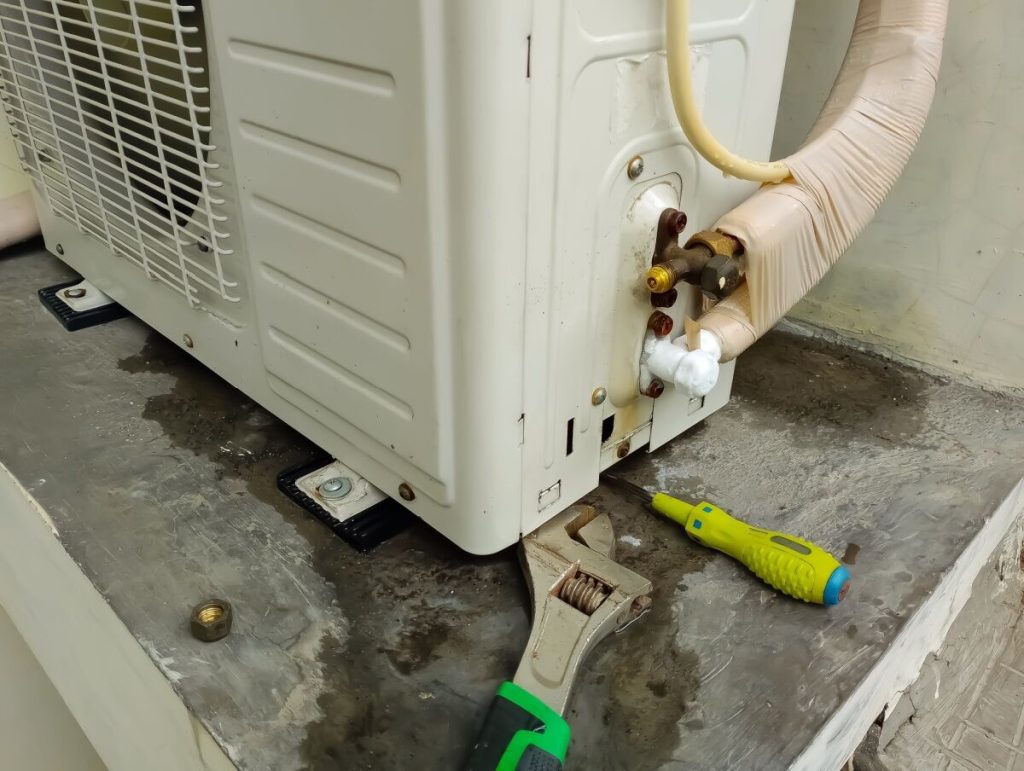
Is your air conditioner freezing up and leaving you stuck in the heat? This common problem can not only disrupt your comfort but also damage your unit if ignored.
But don’t worry—you have the power to stop it before it happens. You’ll discover simple, effective steps to keep your air conditioner running smoothly and ice-free all summer long. Keep reading to protect your cool and save yourself time and money!

Credit: www.delcohvac.com
Causes Of Air Conditioner Freezing
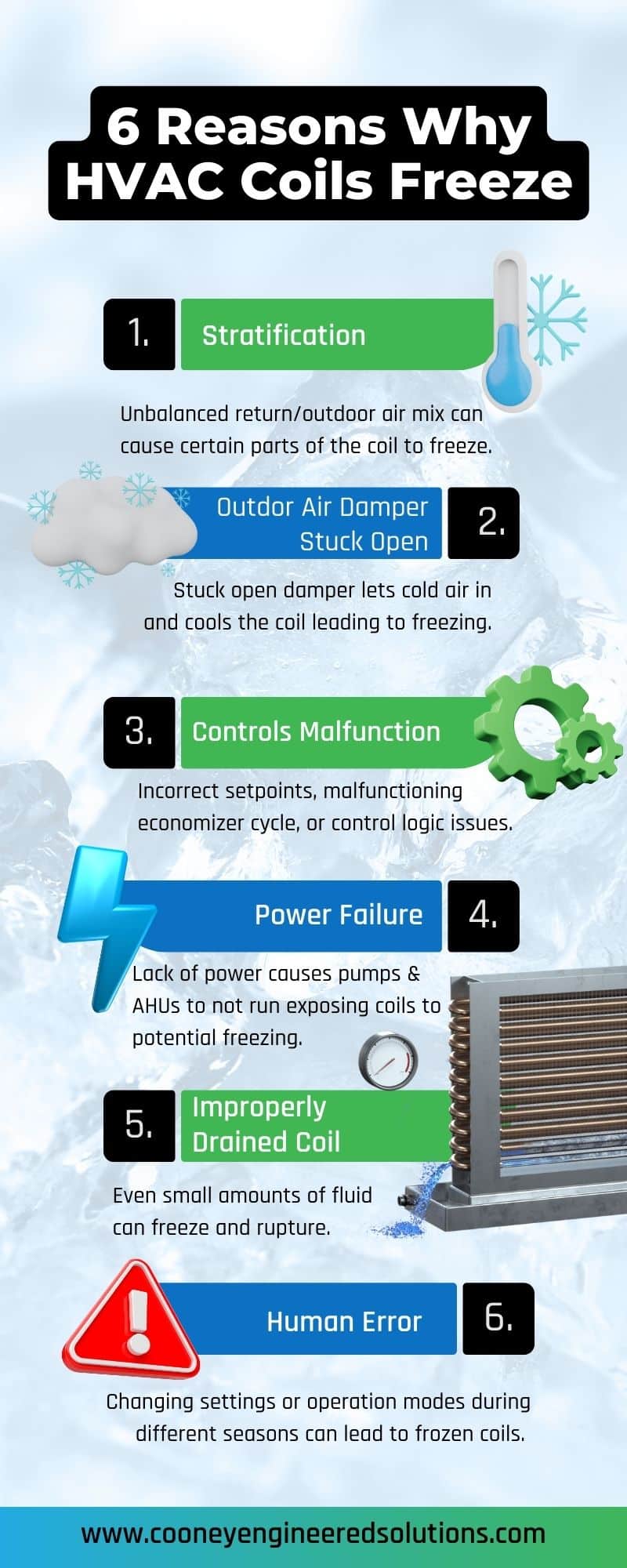
Air conditioners can freeze for several reasons. This causes the unit to stop working well. Knowing the causes helps you fix the problem fast.
Here are common causes of air conditioner freezing. Each cause needs different attention to prevent damage.
Low Refrigerant Levels
Refrigerant cools the air inside your home. If the level is too low, it can cause the coils to freeze. Leaks often cause low refrigerant.
Signs of low refrigerant include poor cooling and ice on the unit. A professional should find and fix leaks and refill refrigerant.
Poor Airflow
Airflow is key for your air conditioner to work well. If air cannot move freely, the unit may freeze. Blocked vents or closed registers reduce airflow.
- Keep all vents open and clear
- Do not block return air grills
- Check for furniture blocking air paths
- Clean any dirt near vents
Dirty Air Filters
Air filters trap dust and dirt from the air. When filters get dirty, air struggles to pass through. This can cause the coils to freeze.
| Filter Type | Cleaning Frequency |
| Standard Fiberglass | Every 30 days |
| Pleated Filters | Every 60-90 days |
| High-efficiency Filters | Every 90 days |
Thermostat Issues
If the thermostat does not work right, it may cause the air conditioner to run too long or not enough. Wrong settings can freeze the coils.
Check the thermostat:
- Ensure it is set to the correct mode (cooling)
- Set a reasonable temperature (not too low)
- Replace batteries if needed
- Consider upgrading to a digital thermostat for accuracy
Credit: cooneyengineeredsolutions.com
Regular Maintenance Practices
Air conditioners can freeze if they are not well maintained. Regular care helps prevent freezing and keeps your unit working well.
Simple maintenance tasks can stop ice buildup. These tasks include checking filters, refrigerant, coils, and airflow.
Cleaning Or Replacing Filters
Dirty filters block airflow and cause your air conditioner to freeze. Clean or replace filters often to keep air moving freely.
- Remove the filter from the unit
- Clean it with water or replace it if it is worn out
- Dry the filter completely before putting it back
- Repeat this every 1 to 3 months
Checking Refrigerant Levels
Low refrigerant can cause the air conditioner to freeze. Check the levels regularly to make sure the unit cools properly.
| Refrigerant Level | Effect |
| Normal | Unit works well, no freezing |
| Low | Freezing risk, poor cooling |
| High | Possible damage to compressor |
Inspecting Coils
Coils can gather dirt and ice. Clean them carefully to keep heat exchange working well and stop freezing.
To inspect and clean coils:
- Turn off the power to the unit
- Remove the outer panel
- Use a soft brush to clean dirt from coils
- Check for ice buildup and melt if needed
- Replace the panel and restore power
Ensuring Proper Airflow
Good airflow helps prevent freezing by keeping the system cool. Check vents and fans for blockages or damage.
- Keep furniture and curtains away from vents
- Make sure fan blades spin freely
- Clear dust and debris from vents and grills
- Replace damaged parts quickly
Optimizing Thermostat Settings
Keeping your air conditioner from freezing starts with the right thermostat settings. The thermostat controls how hard your AC works. If set wrongly, it can cause freezing problems.
Adjusting the temperature and fan mode properly helps your AC run smoothly. These settings protect the system and keep your home comfortable.
Setting Appropriate Temperatures
Set your thermostat to a temperature that is not too cold. Very low temperatures make the AC work too hard and may cause freezing.
A good temperature range is usually between 72°F and 78°F. This range keeps your home cool without stressing the AC unit.
- Do not set the thermostat below 70°F.
- Avoid sudden large temperature drops.
- Increase the temperature slightly when humidity is high.
Using Fan Mode Correctly
The fan mode controls air movement inside your home. Using the fan mode correctly helps prevent the AC from freezing.
Set the fan to “Auto” instead of “On.” This lets the fan run only when needed. Continuous fan use can cause the coils to get too cold and freeze.
- Use “Auto” fan mode to match cooling needs.
- Turn off the fan when the AC is not cooling.
- Check and clean the fan regularly to keep airflow strong.
Improving Airflow Around The Unit
Good airflow helps stop your air conditioner from freezing. Air moves freely around the unit, so it works well and stays cold-free.
Two key ways to improve airflow are clearing obstructions and sealing duct leaks. Both keep air flowing properly.
Clearing Obstructions
Remove anything blocking air near the outdoor and indoor units. This includes leaves, dirt, and debris. Also, keep plants and furniture away.
- Trim bushes and trees around the outdoor unit
- Clean leaves and dirt from vents and grills
- Keep at least two feet of clear space around the unit
- Do not block indoor vents with furniture or curtains
Sealing Duct Leaks
Leaky ducts let cool air escape and reduce airflow. Sealing leaks keeps air moving where it should.
| Signs of Duct Leaks | How to Fix |
|---|---|
| Uneven cooling in rooms | Inspect ducts and seal gaps with mastic or foil tape |
| Higher energy bills | Check duct joints and seal cracks |
| Visible holes or disconnected ducts | Repair or replace damaged duct sections |
When To Call A Professional
Air conditioners can freeze for many reasons. Some problems are easy to fix. Others need a professional’s help.
Knowing when to call a technician saves time and prevents damage. Learn the signs of serious issues and why expert service matters.
Signs Of Major Issues
Look for these warning signs. They show your air conditioner may have a big problem.
- The unit freezes up repeatedly even after thawing.
- Airflow is very weak or stops completely.
- Strange noises like banging or grinding occur.
- The system runs constantly but does not cool well.
- Water leaks or drips around the indoor unit.
- Electric bills rise without more use.
Benefits Of Professional Service
| Benefit | Explanation |
| Proper Diagnosis | Technicians find hidden issues that cause freezing. |
| Safe Repairs | Experts fix parts without risking damage or injury. |
| Longer Equipment Life | Professional care extends your AC’s working years. |
| Energy Savings | They optimize settings to lower your energy use. |
| Warranty Protection | Certified repairs keep your warranty valid. |

Credit: serviceplusheatingcooling.ca
Frequently Asked Questions
Why Does My Air Conditioner Freeze Up?
Air conditioners freeze due to restricted airflow, low refrigerant, or dirty filters. These issues cause coils to get too cold. Regular maintenance helps prevent freezing and keeps the system efficient.
How Can I Stop My Ac From Freezing?
Clean or replace air filters regularly. Ensure proper airflow and check refrigerant levels. Schedule professional maintenance to identify and fix any issues early.
Does Low Refrigerant Cause Ac Freezing?
Yes, low refrigerant causes the coils to freeze. It reduces cooling efficiency and airflow, leading to ice buildup. Recharging refrigerant by a professional resolves this problem.
Can Dirty Filters Make Ac Freeze?
Dirty filters block airflow, causing coils to become too cold and freeze. Replace or clean filters monthly to maintain proper airflow and prevent freezing.
Conclusion
Preventing your air conditioner from freezing keeps it working well. Clean the filters regularly and check the airflow often. Set the thermostat at a steady, moderate temperature. Watch for signs like ice buildup or poor cooling. Fix small issues quickly to avoid bigger problems.
Regular care saves money and keeps your home comfortable. Stay alert and act fast to protect your AC unit. Simple steps make a big difference in performance and lifespan. Keep your air conditioner running smoothly all summer long.