Your vehicle’s fuel system is like its heart—it keeps everything running smoothly. But have you ever stopped to think about what’s happening beneath the hood?
Ignoring your fuel system during maintenance can lead to poor performance, higher fuel costs, or even costly repairs. You’ll discover exactly what you need to check in your fuel system to keep your car efficient and reliable. Stay with me, and you’ll learn simple steps that save you money and headaches down the road.

Credit: coasttruckrepair.com
Fuel Pump Functionality
The fuel pump is a key part of a vehicle’s fuel system. It moves fuel from the tank to the engine. Checking its function during maintenance keeps the engine running smoothly.
Regular inspection can spot problems early. This prevents breakdowns and costly repairs. Two important checks are signs of a failing pump and testing fuel pressure.
Signs Of A Failing Pump
Watch for these signs that show the fuel pump may be failing. They help you decide if repair or replacement is needed.
- The engine sputters or stalls during driving.
- Car has trouble starting or does not start at all.
- Engine loses power under heavy load or acceleration.
- Fuel pump noise gets louder or sounds unusual.
- The engine runs roughly or misfires often.
- Fuel efficiency drops without other causes.
Testing Fuel Pressure
Fuel pressure testing checks if the pump delivers the right pressure. Use a fuel pressure gauge connected to the fuel rail.
| Test Point | Expected Pressure Range |
| Idle | 35-45 psi |
| Acceleration | 40-60 psi |
| Fuel Cut-off | 0 psi |
If the pressure is too low, the pump may be weak or clogged. High pressure might mean a blocked return line. Testing helps find the exact issue.
Fuel Filter Condition
The fuel filter cleans dirt and rust from the fuel. It keeps the fuel system safe and working well.
Checking the fuel filter during maintenance helps avoid engine problems. It is an important part of the fuel system.
Importance Of Regular Replacement
The fuel filter gets dirty over time. A dirty filter blocks fuel flow and lowers engine power.
Replacing the fuel filter on time keeps the engine clean. It also prevents damage to fuel injectors and pumps.
- Keeps fuel clean and free of debris
- Prevents engine stalling and poor performance
- Protects fuel system parts from wear
- Improves fuel efficiency and engine life
Symptoms Of A Clogged Filter
A clogged fuel filter causes many engine problems. Recognizing the signs helps fix the issue early.
Common symptoms include trouble starting and weak engine power. The engine may also run roughly or stall.
- Engine takes longer to start
- Loss of engine power during acceleration
- Engine runs unevenly or stalls
- Fuel smells stronger near the engine
- Check engine light may turn on
Fuel Lines Inspection
Checking fuel lines is important for safe vehicle operation. Fuel lines carry fuel from the tank to the engine.
Regular inspection helps find problems early. This can prevent leaks and engine troubles.
Checking For Leaks And Cracks
Look closely at the fuel lines for any signs of leaks. Leaks can appear as wet spots or fuel smells.
Also check for cracks or hard spots on the lines. Cracks can cause fuel to escape or air to enter.
- Use a flashlight to see hidden areas
- Feel the lines for soft or brittle spots
- Look for stains or discoloration
- Smell near the lines for fuel odor
Ensuring Proper Connections
Fuel lines connect to several parts with clamps or fittings. These connections must be tight and secure.
Loose connections can cause leaks or fuel loss. Check each connection point carefully during maintenance.
- Inspect clamps for rust or damage
- Make sure fittings are tight but not over-tightened
- Replace worn or missing clamps immediately
- Check that lines are seated properly on fittings

Credit: www.youtube.com
Fuel Injectors Check
Fuel injectors deliver fuel into the engine cylinders. They must work well for good engine performance. Checking fuel injectors is key during fuel system maintenance.
This check helps spot issues like poor spray patterns or leaks. It keeps your engine running smoothly and saves fuel.
Cleaning Techniques
Cleaning fuel injectors removes dirt and buildup. This helps restore proper fuel flow. Several cleaning methods exist for this task.
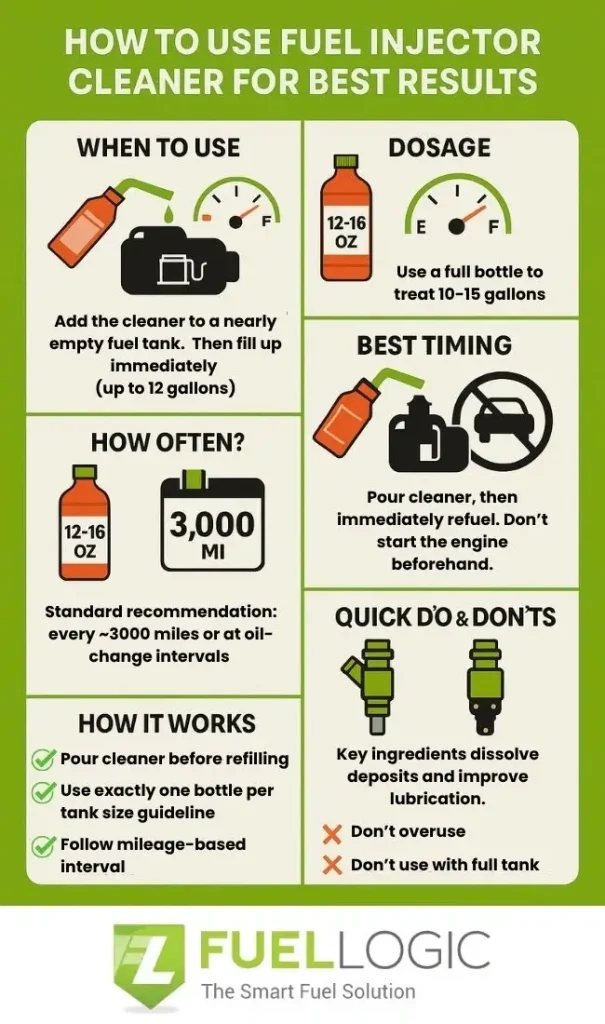
- Use fuel injector cleaner additives in the fuel tank.
- Perform ultrasonic cleaning for deep dirt removal.
- Use manual cleaning with special brushes and solvents.
- Replace filters to avoid future clogging.
Identifying Blockages
Blocked fuel injectors cause poor engine running and low power. Signs include rough idling and higher fuel use. You can spot blockages by testing spray patterns.
| Symptom | Cause | Effect |
| Engine misfire | Clogged injector nozzle | Uneven fuel delivery |
| High fuel consumption | Leaking injector | Fuel wastage |
| Rough idle | Partial blockage | Unstable engine speed |
| Starting problems | No fuel spray | Engine stalls |
Fuel Tank Status
Checking the fuel tank is a key part of fuel system maintenance. A good fuel tank keeps fuel clean and safe.
Look closely for any damage or problems. These issues can stop the engine from running well.
Rust And Contamination
Rust inside the tank can clog the fuel system and damage parts. Water and dirt can also spoil the fuel.
Check the tank for rust spots or dirty fuel. Clean or replace the tank if you find contamination.
- Look inside the tank for rust or flakes
- Check for water or dirt in the fuel
- Clean the tank if you see any dirt or rust
- Replace the tank if rust is severe
Proper Ventilation
The fuel tank needs good air flow to work right. A blocked vent can cause pressure problems.
Check the vent pipes and caps for blockages. Clean them to ensure air moves freely in and out.
- Inspect vent pipes for dirt or damage
- Clear any blockages found in vents
- Make sure vent caps fit and work well
- Replace damaged vent parts as needed

Credit: www.reddit.com
Fuel Quality Assessment
Checking fuel quality is key to keeping engines running well. Poor fuel can cause damage and reduce performance. Regular checks help spot problems early.
Fuel quality assessment includes looking for dirt, water, and the right fuel type. This keeps the fuel system clean and efficient.
Avoiding Contaminated Fuel
Contaminated fuel harms the engine and fuel system parts. Dirt, water, and debris must be kept out. Use clean containers and check fuel before use.
- Store fuel in sealed, clean containers
- Check for water by inspecting fuel color and clarity
- Filter fuel before adding it to the tank
- Use fuel from trusted sources only
- Clean fuel tanks regularly to prevent dirt build-up
Using Recommended Fuel Types
Using the right fuel type protects engine parts and improves efficiency. Check the engine manual for fuel grade and type. Avoid mixing fuels that do not match recommendations.
| Fuel Type | Use For | Notes |
| Regular Gasoline | Most small engines | Good for daily use |
| Premium Gasoline | High-performance engines | Prevents knocking |
| Diesel | Diesel engines only | Do not use in gasoline engines |
| Ethanol Blends | Compatible engines | Check engine manual for limits |
Frequently Asked Questions
What Components Are Included In A Vehicle’s Fuel System?
The fuel system includes the fuel tank, fuel pump, fuel filter, fuel injectors, and fuel lines. Each part ensures proper fuel delivery and engine performance.
Why Is Checking The Fuel Filter Important During Maintenance?
The fuel filter traps dirt and debris from fuel. A clogged filter reduces engine efficiency and can cause stalling or poor acceleration.
How Often Should You Inspect Fuel Lines For Damage?
Fuel lines should be checked every maintenance visit or at least twice a year. Look for cracks, leaks, or wear to prevent fuel leaks and hazards.
What Signs Indicate A Faulty Fuel Pump?
Symptoms of a faulty fuel pump include engine sputtering, difficulty starting, loss of power, and unusual noises. Early detection avoids costly repairs.
Conclusion
Checking your fuel system helps keep your vehicle running smoothly. Inspect the fuel filter, pump, and lines for damage or leaks. Clean parts when needed to avoid blockages. Regular maintenance saves money and prevents breakdowns. Stay safe on the road by keeping fuel components in good shape.
Simple checks can make a big difference. Don’t skip these steps during your routine service. Your engine will thank you with better performance and efficiency.