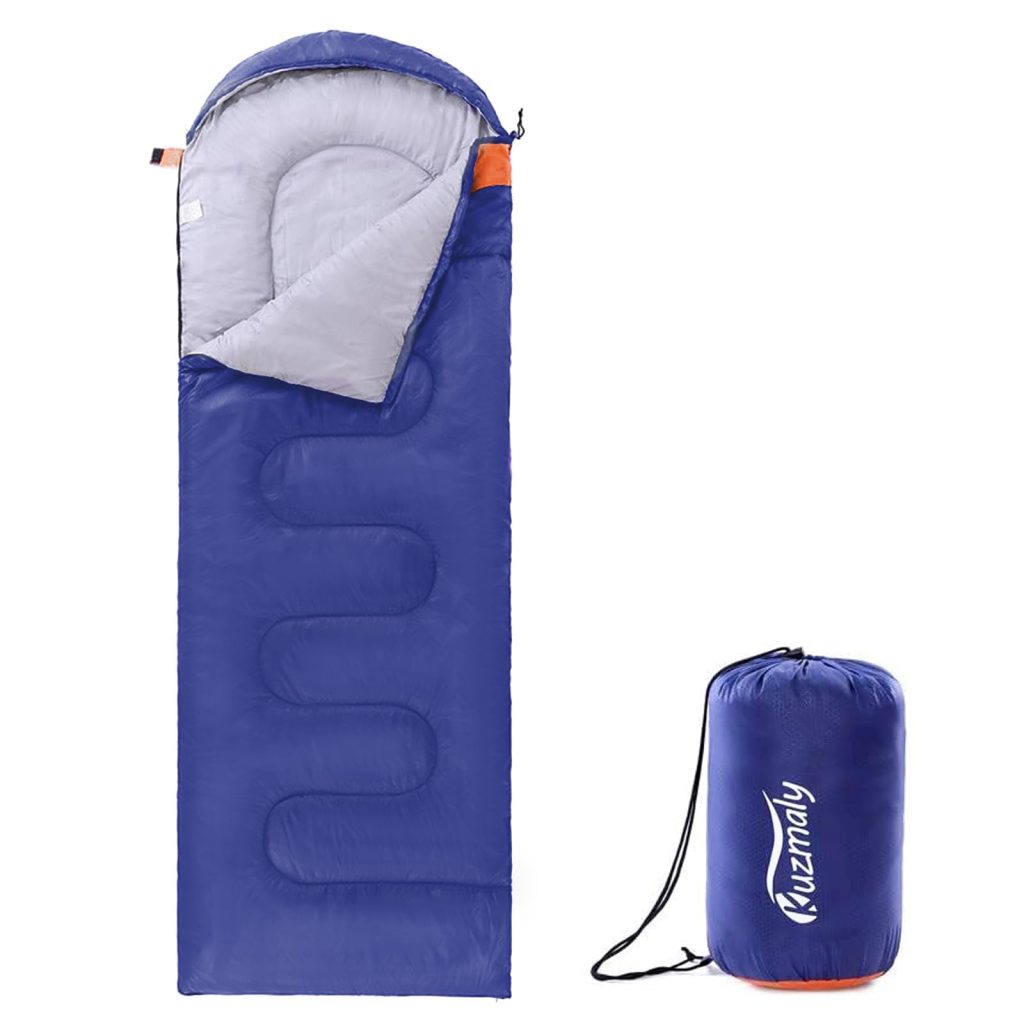
Are you planning your next outdoor adventure and wondering which sleeping bag will keep you comfortable? Choosing the right sleeping bag can make all the difference between a good night’s sleep and a restless night in the wild.
If you’ve come across the term “3 season sleeping bag” and aren’t quite sure what it means, you’re not alone. This type of sleeping bag is designed to keep you cozy during spring, summer, and fall, but how does it work?
You’ll discover exactly what a 3 season sleeping bag is, why it might be the perfect fit for your trips, and how to pick the best one for your needs. Keep reading to unlock the secrets to staying warm and comfortable on your next adventure!
What Makes A 3 Season Sleeping Bag
A 3 season sleeping bag is designed for use in spring, summer, and fall. It offers good warmth without being too heavy or bulky.
These sleeping bags balance comfort and protection from cold weather. They work well in a variety of outdoor conditions.
Temperature Range
3 season sleeping bags keep you warm in temperatures between about 20°F and 40°F (-7°C to 4°C). They are not for extreme cold.
This range covers most camping conditions except winter or very hot weather. It protects you from cool nights and light frost.
Material And Insulation
These sleeping bags use materials that are both warm and breathable. Common insulation types include synthetic and down fills.
Synthetic insulation works well if the bag gets wet. Down insulation is lighter and more compressible but less good when wet.
- Outer fabric usually resists water and wind
- Inner lining feels soft against skin
- Fill traps body heat for warmth
Weight And Packability
3 season sleeping bags are light enough to carry on hikes but still provide good warmth. They pack down small for easy storage.
Weight and size depend on the insulation type and shape. Mummy-shaped bags often pack smaller and weigh less.
- Lightweight for backpacking trips
- Compact size fits in small backpacks
- Easy to carry without extra bulk

Credit: www.amazon.com
Types Of 3 Season Sleeping Bags
3 season sleeping bags are made for spring, summer, and fall. They keep you warm in cool weather but are not for extreme cold.
There are different types based on materials and shapes. These affect comfort, weight, and warmth.
Down Vs Synthetic
Down sleeping bags use natural feathers from ducks or geese. They are light and compress small for easy packing.
Synthetic sleeping bags use man-made fibers. They keep warmth even when wet and dry faster than down.
- Down:Lightweight, warm, compressible, expensive, loses warmth if wet
- Synthetic:Heavier, less compressible, cheaper, keeps warmth when wet
Mummy Vs Rectangular Shapes
Mummy-shaped sleeping bags fit closely to the body. They keep heat better and are lighter to carry.
Rectangular bags have more room inside. They feel less tight and can be unzipped to use as blankets.
- Mummy:Tight fit, better heat retention, lighter, less room to move
- Rectangular:Roomy, less heat retention, heavier, can be used as blanket
Choosing The Right 3 Season Sleeping Bag
Choosing a 3 season sleeping bag means finding one that works well in spring, summer, and fall. It should keep you warm without making you too hot.
Picking the right bag helps you stay comfortable on all your outdoor trips. Think about where and how you will use it.
Considering Climate And Conditions
Look at the weather and places you will camp. A 3 season bag should handle cool nights and light rain.
Check the temperature rating on the bag. It should match the coldest weather you expect to face.
- Choose bags rated for 20°F to 35°F (-6°C to 2°C) for most 3 season use
- Look for water-resistant materials for wet or damp places
- Consider bags with good insulation for cooler climates
Size And Fit
Your sleeping bag should fit your body size well. A bag that is too big may lose heat.
Check the length and width. Make sure you have enough room to move without too much extra space.
- Choose a bag that fits your height, with a little extra length
- Look for bags with adjustable hoods or collars for a snug fit
- Consider your sleeping style: side sleepers may need wider bags
Additional Features
Extra features can make your sleeping bag more comfortable and easy to use. Think about what you need.
Look for features that add warmth or convenience during your trips.
- Draft tubes and zipper baffles to keep cold air out
- Compression sacks to save space when packing
- Interior pockets for small items like phones or headlamps
- Two-way zippers for better ventilation
Care And Maintenance Tips
Taking care of your 3 season sleeping bag helps it last longer. Proper care keeps it warm and comfortable for many trips.
Simple cleaning and storage steps protect the materials inside the sleeping bag. Follow these tips to maintain your gear.
Cleaning Methods
Clean your sleeping bag only when needed. Frequent washing can damage its insulation and fabric.
Use a gentle cleaner made for outdoor gear. Avoid regular detergents as they can remove natural oils from the fabric.
- Hand wash in a bathtub or large sink with cold water
- Use a soft sponge to spot clean stains
- If machine washing, choose a front-loading washer on a gentle cycle
- Rinse thoroughly to remove all soap residue
- Air dry flat or hang in a shaded area; avoid direct sunlight
Storage Best Practices
Store your sleeping bag loosely to keep its loft and insulation effective. Avoid compressing it for long periods.
Keep it in a cool, dry place away from moisture and sunlight. Use a large cotton or mesh storage sack instead of a tight stuff sack.
- Clean and dry the bag completely before storing
- Use a roomy storage sack or hang it in a closet
- Avoid storing near heat sources or damp areas
- Check the bag occasionally for signs of damage or moisture
Top Brands And Models
A 3 season sleeping bag works well for spring, summer, and fall. It keeps you warm without being too heavy.
Many brands make 3 season bags with different features. Choosing the right model depends on your needs and budget.
Popular Options
Some sleeping bags are popular because they offer good warmth and comfort. They suit most campers and hikers.
- REI Co-op Magma Trail Quilt
- Marmot Trestles 30
- The North Face Cat’s Meow
These models have good temperature ratings for 3 seasons. They are lightweight and easy to carry.
Budget-friendly Picks
Budget-friendly sleeping bags provide warmth without a high price. They are great for casual campers.
- Kelty Tuck 22
- REI Co-op Trailbreak 30
- ALPS Mountaineering Mystic 30
These models use synthetic insulation. They handle damp conditions better and cost less than down bags.
High-end Choices
High-end sleeping bags offer top materials and design. They provide excellent warmth and light weight.
- Western Mountaineering UltraLite
- Feathered Friends Hummingbird UL
- Mountain Hardwear Phantom
These bags use premium down insulation. They compress small and last many years with care.
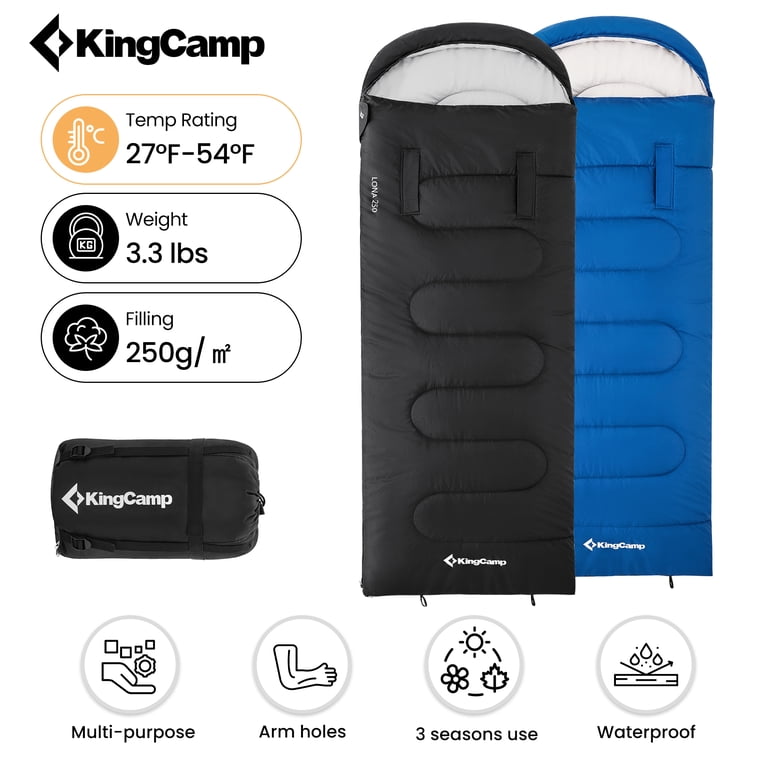
Credit: www.walmart.com

Credit: www.ebay.com
Frequently Asked Questions
What Is A 3 Season Sleeping Bag Used For?
A 3 season sleeping bag is designed for spring, summer, and fall camping. It offers balanced warmth without overheating, suitable for temperatures around 20°F to 40°F (-6°C to 4°C). It’s versatile for most outdoor adventures except extreme winter conditions.
How Warm Is A 3 Season Sleeping Bag?
Typically, a 3 season sleeping bag provides comfort between 20°F and 40°F (-6°C to 4°C). It protects against cold nights but is not ideal for freezing winter temperatures. Its insulation balances warmth and breathability for moderate weather.
Can I Use A 3 Season Sleeping Bag In Winter?
Using a 3 season sleeping bag in winter is not recommended. It lacks the insulation needed for freezing temperatures. For winter camping, use a 4 season bag designed to handle extreme cold and harsh conditions safely.
What Materials Are In A 3 Season Sleeping Bag?
3 season sleeping bags usually contain synthetic or down insulation. Synthetic fills dry quickly and resist moisture, while down offers excellent warmth-to-weight ratio. Outer fabrics are typically water-resistant and breathable to enhance comfort and durability.
Conclusion
A 3 season sleeping bag suits spring, summer, and fall trips well. It keeps you warm without overheating. Light and easy to carry, it fits most outdoor adventures. Choosing the right one means better rest and comfort. Remember, check the temperature rating before buying.
This bag offers good protection in mild to cool weather. Perfect for campers who want versatility without extra weight. Simple, reliable, and practical—ideal for most outdoor sleep needs.