Choosing the right weight fishing line can make all the difference between a great catch and a missed opportunity. You might wonder, “What weight fishing line should I use?” This question is more important than you think.
The right line helps you cast farther, fight fish better, and avoid snapping at the worst moment. You’ll discover how to pick the perfect line weight for your fishing style, target species, and gear. Keep reading to unlock simple tips that can instantly improve your fishing experience.

Credit: www.reddit.com
Choosing Line Weight
Choosing the right fishing line weight is important for a good fishing experience. The line weight helps you catch fish safely and avoid breaking the line.
Different factors affect which line weight you should use. Learning about these factors helps you pick the best line for your fishing trip.
Factors Influencing Line Weight
Many things change the best line weight for your fishing. These include the type of fish, water conditions, and the fishing gear you use.
Choose a line weight that matches your fishing rod and reel. This keeps your gear balanced and helps you cast better.
Matching Line To Fish Species
Big fish need stronger lines with higher weight limits. Small fish need lighter lines to avoid scaring them away.
- Use 2-6 lb line for small fish like trout or panfish
- Use 8-12 lb line for medium fish like bass or walleye
- Use 15-30 lb line for large fish like catfish or pike
Check the fish size before you pick your line. This helps you avoid losing fish or breaking your line.
Water Conditions Impact
Clear water calls for lighter lines to avoid spooking fish. Murky water lets you use heavier lines since fish can’t see the line well.
Strong currents or rough water need heavier lines. Light lines may snap or drag in tough water conditions.
- Clear water: 2-8 lb line for better invisibility
- Muddy water: 10-20 lb line to handle rough conditions
- Fast currents: Choose heavier lines for strength
Types Of Fishing Lines
Choosing the right fishing line is important for a good catch. Different types of lines fit different fishing needs.
Each line type has unique features. Knowing these helps you pick the best line weight and style.
Monofilament
Monofilament is a single strand of nylon. It is stretchy and easy to handle for beginners.
This line floats well and is good for topwater fishing. It also absorbs shocks from fish pulling hard.
- Good stretch reduces fish break-offs
- Easy to knot and cast
- Visible in water, so use lighter colors in clear water
Fluorocarbon
Fluorocarbon line is nearly invisible underwater. It sinks faster than monofilament.
This line resists abrasion well. It works best for clear water and when fish are shy.
- Low visibility helps catch wary fish
- Less stretch, so use a shock leader if needed
- Good for deep or clear water fishing
Braided Lines
Braided lines are made of several fibers woven together. They have no stretch and very high strength.
These lines are thin but strong. They work well for heavy cover and long casts.
- Very strong for its diameter
- No stretch, so feel bites easily
- Visible in water, so use a fluorocarbon leader
Line Strength And Diameter
Choosing the right fishing line means knowing about line strength and diameter. Both affect how well your line works in different fishing situations.
Strong lines hold bigger fish, but thinner lines cast better and are less visible in water. Let’s explore these factors to help you pick the best line.
Pound Test Ratings
Pound test ratings show how much weight a fishing line can hold before it breaks. This rating helps anglers pick a line that matches their target fish size.
- Lower pound test lines are good for small fish and light tackle.
- Medium pound test lines suit most freshwater fishing.
- High pound test lines handle big, heavy fish and tough conditions.
- Always pick a line with a pound test that fits your fishing style.
Line Diameter Effects
The diameter of a fishing line affects its strength and how it behaves in water. Thinner lines are less visible and cast farther but may have lower strength.
| Diameter (inches) | Pound Test | Use |
| 0.008 | 2-4 lbs | Light freshwater fishing |
| 0.012 | 6-8 lbs | Medium freshwater fishing |
| 0.016 | 12-15 lbs | Heavy freshwater or light saltwater |
| 0.020 | 20-25 lbs | Saltwater and large fish |
Breaking Strength Vs. Actual Strength
Breaking strength is the force needed to break a line in perfect conditions. Actual strength can be less due to knots, wear, and water conditions.
- Knots reduce line strength by 10-30% depending on the knot type.
- Old or damaged lines break easier than new lines.
- Water and debris can weaken the line during fishing.
- Always check your line regularly for damage to keep strength high.
Casting And Line Weight
Choosing the right fishing line weight affects your casting distance and lure control. The line weight should match your rod and reel to improve performance.
Using the correct line weight helps avoid tangles and breaks. It also makes your fishing experience smoother and more enjoyable.
Optimal Line Weight For Casting Distance
Lighter lines cast farther because they are easier to throw. Heavier lines may shorten your casting range but offer more strength.
- Use lighter lines for long-distance casting.
- Choose medium weight lines for balanced casting and strength.
- Pick heavier lines if you need extra control in wind or heavy cover.
Impact On Lure Presentation
The weight of your line changes how a lure moves in the water. A lighter line lets the lure swim more naturally.
| Line Weight (lbs) | Best Lure Types | Effect on Presentation |
| 2-6 | Small spinners, crankbaits | Natural and delicate action |
| 8-12 | Medium jigs, soft plastics | Good control with moderate action |
| 15+ | Heavy jigs, large plugs | Strong control but less natural movement |
Adjusting Line Weight For Techniques
Choosing the right weight fishing line depends on the fishing technique you use. Different methods need different strengths.
Picking the proper line weight helps improve casting, hook setting, and landing fish safely.
Bass Fishing
Bass fishing often requires line that can handle strong fights. Using the right weight helps with heavy cover and sharp hooks.
For most bass fishing, 8 to 12-pound test line works well. Lighter lines suit finesse techniques, while heavier lines work for thick weeds.
- Use 8-10 lb for light lures and clear water
- Use 10-12 lb for heavier lures and thick cover
- Consider braided line for strong hook sets
Fly Fishing
Fly fishing needs a different approach. The line weight matches the fly rod and the size of the fish targeted.
Use lighter lines for small trout or panfish. Heavier lines are best for bigger fish or windy conditions.
- 1-3 weight line for small fish and delicate flies
- 4-6 weight for medium-sized fish and general use
- 7-9 weight for larger fish and strong winds
Saltwater Fishing
Saltwater fishing demands stronger lines to handle big fish and harsh conditions. Line weight depends on the species and fishing style.
Light saltwater fishing uses 12-20 pound lines. Heavy saltwater fishing needs 30 pounds or more for large fish and rough water.
- 12-20 lb for inshore fishing with smaller fish
- 20-30 lb for medium-sized offshore species
- 30+ lb for large game fish and deep sea fishing
Common Mistakes With Line Weight
Choosing the right fishing line weight is key for a good catch. Many anglers pick a line that is too heavy or too light. This can cause problems on the water.
Here are two common mistakes with line weight and why they matter for fishing success.
Using Too Heavy Line
Using a line that is too heavy can make fishing harder. Heavy lines are strong but may scare fish away. They also reduce the distance you can cast.
- Fish see thick lines more easily and avoid them
- Heavy lines cause less natural bait movement
- It is harder to cast far with thick, heavy lines
- Heavier lines can wear out your reel faster
Heavier line is good for big fish or rough water. But using it all the time can reduce your catch rate.
Using Too Light Line
Light lines cast well and look natural. But they break easily and can lose strong fish. Choosing too light a line causes frustration and lost fish.
| Problem | Effect of Using Too Light Line |
| Line Breakage | Line snaps on big fish or rough spots |
| Lost Fish | Fish pull the line and escape |
| Frequent Re-ties | Wastes time fixing broken line |
| Limited Casting in Wind | Light lines struggle in windy conditions |
Choose a line strong enough for your target fish to avoid these issues.
Expert Tips For Line Selection
Choosing the right fishing line weight is key to a successful fishing trip. It affects how well you cast, fight fish, and avoid line breaks.
This guide covers tips for adjusting line weight by season, matching it to your gear, and testing it before use.
Seasonal Adjustments
Fishing conditions change with the seasons. You should pick line weight that suits water temperature and fish activity.
- Use lighter lines in spring and summer for better sensitivity.
- Choose heavier lines in fall and winter for strength in cold water.
- Thicker lines help when fish grow bigger in certain seasons.
Matching Rod And Reel
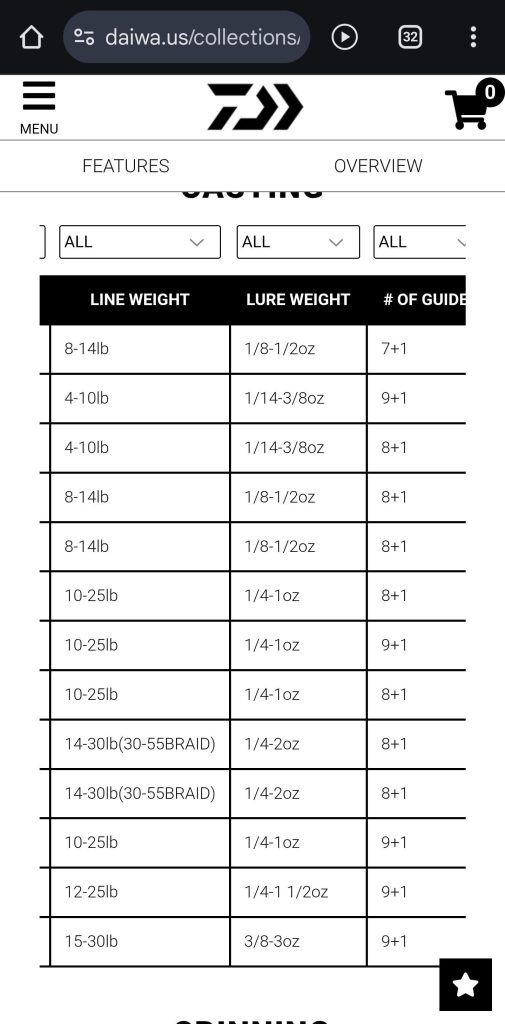
Your fishing line weight must match your rod and reel’s specifications. This balance improves casting distance and control.
| Rod Power | Recommended Line Weight (lbs) |
| Light | 2 – 6 |
| Medium | 6 – 12 |
| Heavy | 12 – 20+ |
| Reel Size | Line Capacity (yards) |
| Small | 100 – 150 |
| Medium | 150 – 250 |
| Large | 250+ |
Testing Line Before Use
Always test your fishing line before you start. This avoids surprises like breaks or knots failing.
- Pull the line firmly to check its strength.
- Look for any nicks or damage along the line.
- Cast a few times to feel how it handles.
- Check knots to make sure they hold tight.

Credit: mysterytacklebox.com
Credit: mail.sadio.org.ar
Frequently Asked Questions
What Weight Fishing Line Is Best For Beginners?
A 6-10 lb test line is ideal for beginners. It offers good strength and ease of handling. This weight suits most freshwater fish and helps avoid frequent line breaks.
How To Choose Fishing Line Weight For Different Fish?
Match line weight to fish size and species. Light lines (2-6 lb) work for small fish, while heavier lines (12+ lb) suit larger, stronger fish. Always consider fishing location and tackle strength.
Can I Use Heavier Line Than Recommended?
Using a heavier line increases strength but reduces sensitivity and casting distance. It may also spook fish in clear water. Choose a balanced line weight for best results.
What Fishing Line Weight Works For Saltwater Fishing?
For saltwater fishing, a 15-30 lb test line is common. Stronger fish and harsher conditions require durable, abrasion-resistant lines. Adjust weight based on target species and environment.
Conclusion
Choosing the right fishing line weight helps you catch more fish. Think about the fish size and fishing spot first. Use lighter lines for small fish and clear water. Heavier lines work best for big fish and rough conditions. Test different lines to find what suits you.
Always match your line to your rod and reel. This simple step improves your fishing experience a lot. Keep practicing, and enjoy your time on the water. Fishing becomes easier and more fun with the right line.