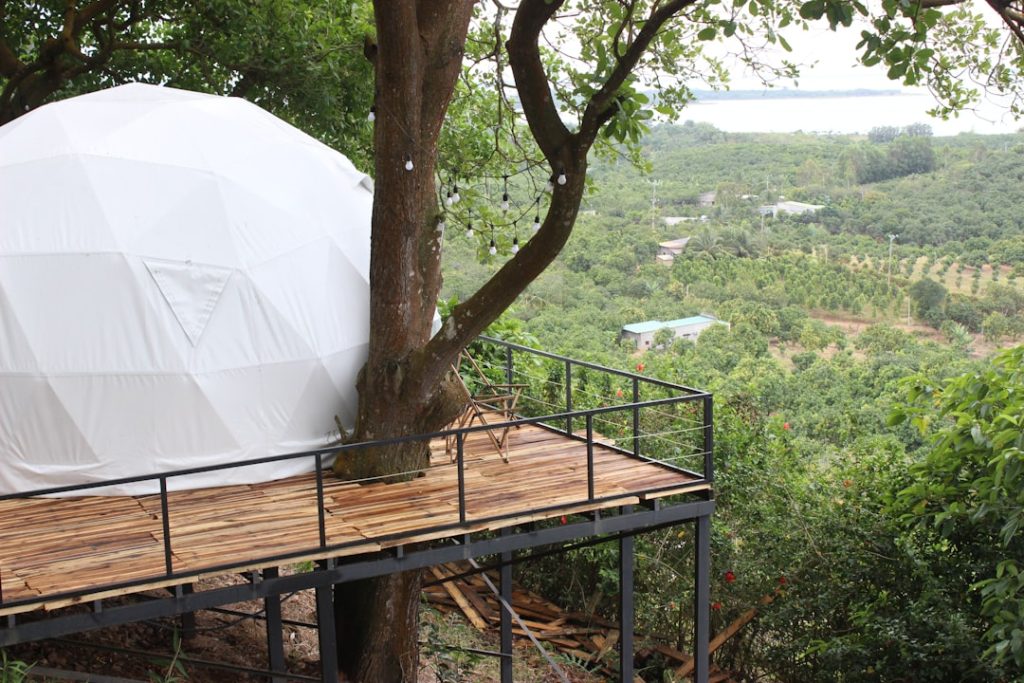
Imagine a tent that feels just like your own cozy house. You get the freedom of camping without giving up comfort or style.
What if your shelter could offer more space, better protection, and a homely vibe all at once? This isn’t just any tent—it’s designed to change the way you experience the outdoors. If you want your next adventure to feel less like roughing it and more like relaxing in your favorite room, keep reading.
You’re about to discover a tent that transforms camping into something truly special.
Design Features
A tent that looks like a house offers unique design features. It blends comfort with outdoor living.
This design focuses on style, materials, and interior space to feel like home.
Architectural Style
The tent mimics traditional house shapes with a pitched roof and straight walls. It creates a cozy and familiar look.
- Pitched roof for rain runoff and attic space
- Rectangular frame for strong support
- Windows with clear panels to let light in
- Door resembling a typical house entrance
Materials Used
Durable and weather-resistant materials keep the tent sturdy and dry. They also add to the house-like feel.
| Material | Purpose |
| Canvas | Strong, waterproof walls |
| Aluminum frame | Lightweight and rustproof support |
| Clear vinyl | Window panels for light and view |
| Wooden accents | Door frame and decorative trims |
Interior Layout
The inside space is planned for comfort and function. It feels like a small house with zones for different activities.
- Sleeping area with space for beds or mats
- Living space for seating and relaxing
- Small storage sections for gear and supplies
- Optional cooking nook with safe ventilation
Comfort And Amenities
A tent that looks like a house offers more than just shelter. It brings comfort and useful amenities to your outdoor stay.
These tents combine the coziness of home with the excitement of camping. They make your experience relaxing and enjoyable.
Furniture And Decor
Inside the tent, you find furniture like beds, chairs, and tables. These items make the space feel like a real home.
Decor such as rugs, curtains, and cushions add warmth. They create a cozy atmosphere and improve comfort.
- Comfortable beds with soft mattresses
- Compact tables for meals and work
- Decorative rugs and cushions
- Window curtains for privacy
Climate Control
Good climate control keeps the tent comfortable in all weather. It helps you stay warm or cool as needed.
Features like ventilation, heaters, or fans regulate the temperature inside. These help maintain fresh air and comfort.
- Vent windows to allow airflow
- Portable heaters for cold nights
- Battery-powered fans for hot days
- Insulated walls to keep temperature steady
Lighting Solutions
Proper lighting makes the tent bright and safe at night. It also sets a pleasant mood indoors.
Lights can be powered by batteries or solar panels. They include overhead lamps and small reading lights.
- LED ceiling lamps for general lighting
- Portable lanterns for easy movement
- String lights for decoration
- Task lights for reading or working
Setup And Portability
A tent shaped like a house offers a unique camping experience. Its setup and portability make it suitable for many outdoor trips.
Understanding how to assemble, transport, and maintain it helps campers enjoy their time comfortably and safely.
Assembly Process
Setting up this tent is simple and quick. The design mimics a small house, so it uses poles and clips to form walls and a roof.
- Lay out all parts on a flat surface.
- Connect the frame poles to create the structure.
- Attach the tent fabric to the frame using clips or hooks.
- Secure the tent with stakes at each corner.
- Double-check all connections for stability.
Transport Options
This tent packs into a compact bag for easy carrying. It fits well in car trunks and backpacks designed for camping gear.
- Lightweight materials reduce carrying effort.
- Compression straps keep the tent compact.
- Some models include shoulder straps for hands-free transport.
- The carrying bag often has extra pockets for accessories.
Durability And Weather Resistance
| Feature | Details |
| Fabric | Waterproof polyester with UV protection |
| Frame | Rust-resistant aluminum poles |
| Wind Resistance | Stable design holds firm in strong winds |
| Seams | Sealed to prevent water leaks |
| Floor | Thick, waterproof material for ground moisture |

Credit: www.youtube.com
Ideal Locations
A tent that looks like a house is a unique and cozy shelter. It offers comfort and style in many places.
This type of tent fits well in different settings. Let’s explore where it works best.
Camping Sites
This tent is great for camping spots with flat ground. It gives campers more space to move around.
The house-like shape helps it stand out. It also offers better protection from wind and rain.
- National parks with open spaces
- Private campgrounds with level sites
- Forest clearings where tents fit easily
Backyard Use
Putting this tent in your backyard adds a fun, cozy spot. Kids and adults can enjoy it for play or rest.
Its house shape makes it a charming addition. You can use it for outdoor naps or reading.
- Large backyards with flat areas
- Gardens with enough room for setup
- Patios or decks with open space
Event Hosting
This tent works well for small outdoor events. It creates a private, inviting space for guests.
Its unique look makes events more memorable. It can serve as a lounge, info booth, or shelter.
- Outdoor parties and picnics
- Farmers markets or craft fairs
- Wedding receptions or photo spots
Benefits Over Traditional Tents
A tent that looks like a house offers many advantages compared to classic tents. It changes how you camp and enjoy the outdoors.
These tents provide more comfort, style, and a better camping experience. Let’s explore the key benefits.
Space And Privacy
House-like tents usually have more space inside. This extra room helps campers move around freely and store gear.
- Separate rooms for sleeping and living
- Higher ceilings for better comfort
- Windows and doors that can be closed for privacy
- More storage options inside the tent
Aesthetic Appeal
These tents often look like small houses. Their design is neat and pleasing to the eye.
- Realistic house shapes with pitched roofs
- Color options that blend with nature
- Stylish windows with mesh screens
- Decorative elements that add charm
Enhanced Experience
Camping feels more like being at home inside these tents. Comfort and convenience improve the overall trip.
| Feature | Benefit |
| Sturdy Frame | Better stability in wind |
| Multiple Entrances | Easy access and flow |
| Electric Port | Power for devices |
| Good Ventilation | Fresh air inside |
Cost And Investment
A tent that looks like a house offers a unique living experience. It blends comfort with outdoor adventure. Understanding the costs helps you plan your budget well.
This guide covers the price range, long-term value, and maintenance costs of these tents.
Price Range
The price of a house-like tent depends on size, materials, and features. Basic models start lower, while premium tents cost more. Expect to spend between $500 and $3000.
- Small tents with simple design: $500–$1000
- Medium tents with extra features: $1000–$2000
- Large or luxury tents: $2000–$3000+
Long-term Value
Investing in a quality tent can save money over time. Durable materials resist wear and tear. Well-made tents often last many years with good care.
| Factor | Impact on Value |
| Material quality | Increases durability |
| Design | Enhances comfort and use |
| Brand reputation | Affects resale price |
| Maintenance | Extends tent life |
Maintenance Costs
Maintaining a house-like tent requires some effort and cost. Cleaning, repairs, and storage are key parts. These costs vary but are usually low compared to other homes.
Typical maintenance tasks include:
- Regular cleaning with mild soap
- Checking and fixing tears
- Applying waterproof treatments yearly
- Proper storage to avoid damage
Popular Brands And Models
Tents that look like houses offer a unique camping experience. These tents give a cozy and spacious feel. Many brands create models with house-like designs for comfort and style.
This article covers popular manufacturers, customer feedback, and ways to customize these tents. Knowing these helps you pick the right tent for your needs.
Top Manufacturers
Several companies specialize in tents shaped like houses. They focus on durability and design to mimic a real home.
- CORE Equipment – Known for spacious cabin tents
- Wenzel – Offers house-style tents with easy setup
- NTK – Provides durable, house-shaped tents
- Ozark Trail – Affordable options with cabin design
- REI Co-op – High-quality tents with home-like features
Customer Reviews
Buyers like these tents for their roominess and shape. Most say the house design adds comfort during camping.
Some common praises include easy setup and good ventilation. Few mention the tents can be heavy to carry.
- Spacious interiors make camping more comfortable
- Easy to set up and take down
- Good airflow reduces condensation
- Some models are heavier than standard tents
- Durable materials last through many trips
Customization Options
Many tents allow users to add custom features. These include extra windows, doors, and storage pockets.
Some brands offer color choices and additional accessories. This helps campers personalize their house-like tent.
- Extra windows for more light and air
- Screen doors to keep bugs out
- Storage pockets for gear organization
- Color options to match personal style
- Attachable rainflies for bad weather
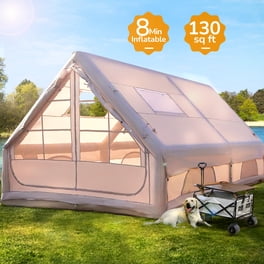
Credit: www.walmart.com
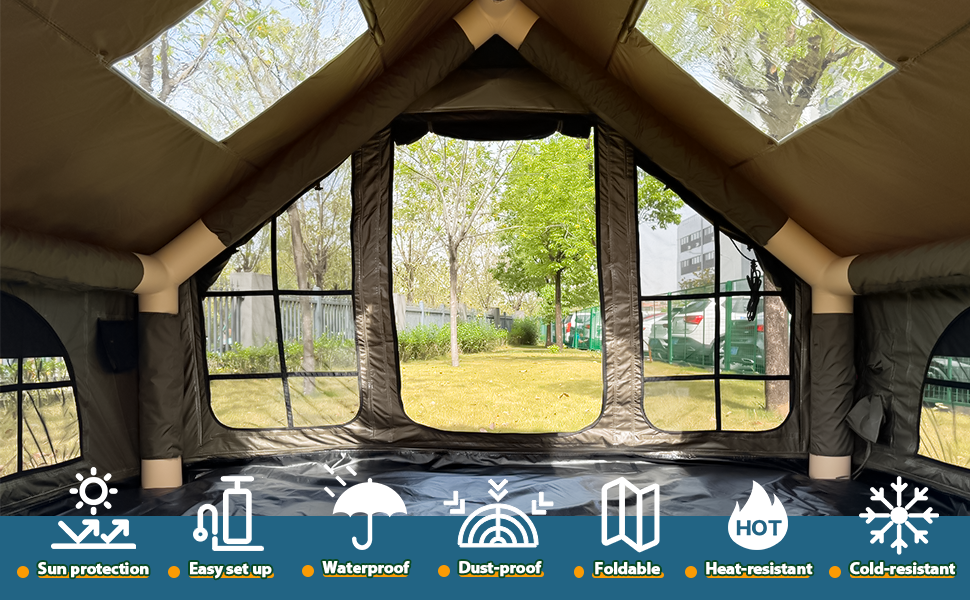
Credit: www.alibaba.com
Frequently Asked Questions
What Is A Tent That Looks Like A House?
A tent that looks like a house combines home-like structure with portable design. It features walls, windows, and a roof that resemble a small house. This style enhances comfort and aesthetics while camping or during outdoor events.
How Durable Are House-shaped Tents?
House-shaped tents use strong materials like polyester and aluminum frames. They offer good wind resistance and waterproofing. Their sturdy design ensures stability and protection, making them reliable for various weather conditions.
Are House-shaped Tents Easy To Set Up?
Most house-shaped tents are designed for easy assembly. They often come with clear instructions and color-coded poles. Setup usually takes 10 to 20 minutes, making them convenient for campers of all experience levels.
What Are The Benefits Of A House-shaped Tent?
These tents provide more headroom and spacious interiors. They create a cozy atmosphere with their home-like design. Additionally, they offer better ventilation and privacy, improving overall camping comfort.
Conclusion
A tent that looks like a house offers comfort and style outdoors. It feels cozy, just like home. You get more space to move and store things. Setting it up is usually quick and easy. Such tents make camping fun for families and friends.
They blend nature with a touch of modern living. Choose one to enjoy your trips with ease and joy. A house-like tent changes how you experience the outdoors. Simple, practical, and inviting—perfect for your next adventure.