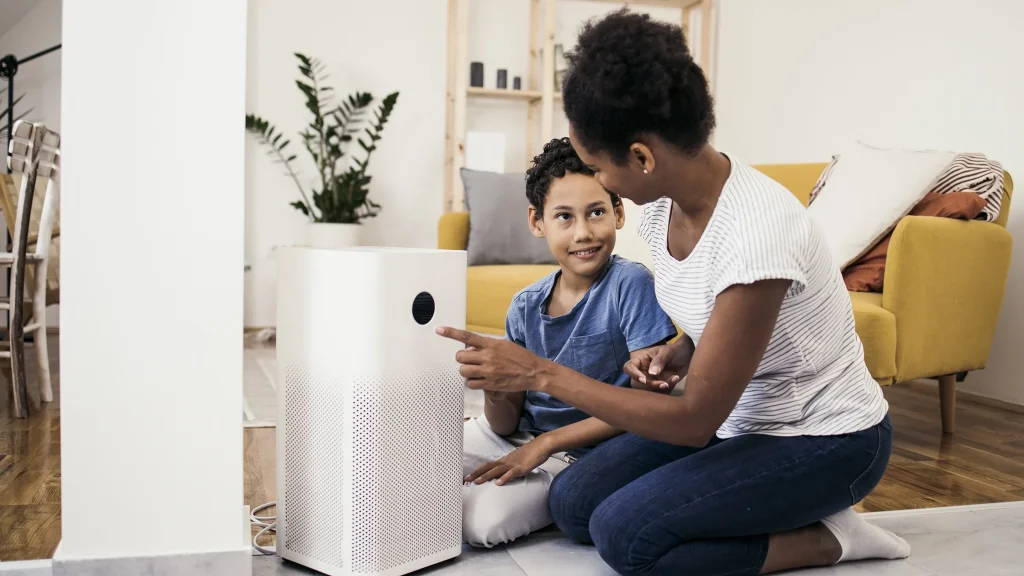
Are you tired of battling sneezing fits and itchy eyes every time allergy season hits? You might wonder if your air conditioner could be part of the solution.
Can running your AC really help reduce allergens in your home and give your body the relief it craves? You’ll discover how air conditioners interact with common allergens and what you can do to make your indoor air healthier. Keep reading—you might find out that your AC is more powerful in fighting allergies than you ever imagined.
How Air Conditioners Affect Indoor Air Quality
Air conditioners can help by filtering dust, pollen, and other allergens. They use filters that trap many tiny particles from the air. Clean filters improve indoor air quality and reduce allergy symptoms.
Keeping the humidity level lowis another benefit. High humidity can cause mold and dust mites to grow, making allergies worse. Air conditioners remove moisture, helping to keep the air dry and comfortable.
Good air circulation moves air around the room. It stops allergens from settling in one place. But poor circulation can spread dust and allergens instead. Regular cleaning and maintenance of AC units are important to keep air fresh.
Benefits Of Using Air Conditioners For Allergy Sufferers
Air conditionershelp by filtering pollen and dustfrom the air inside your home. They keep outdoor allergens from entering, making the indoor air cleaner. This is helpful for people who suffer from seasonal allergies.
They also reduce humidity, which helps to control mold growth. Mold spores can cause allergy symptoms, so keeping moisture low is important. Air conditioners create a drier environment that is less friendly for mold.
Pet dander is another common allergy trigger. Air conditioners can help by circulating and filtering air, reducing the amount of dander indoors. This can make it easier to breathe for those sensitive to pets.
Potential Drawbacks Of Air Conditioners For Allergies
Air conditioner filterscan trap dust, but they also collect it over time. If filters are not cleaned often, dust builds up and gets blown into the air. This can make allergies worse instead of better.
Poor maintenance can cause mold and bacteriato grow inside the AC unit. Mold spores can spread through the air and trigger allergic reactions or breathing problems.
Air conditioners often remove moisture, creating dry air. Dry air can irritate the nose and throat. It may make allergy symptoms like sneezing and coughing worse.
Credit: reidsacandheat.com
Tips To Maximize Allergy Relief With Air Conditioners
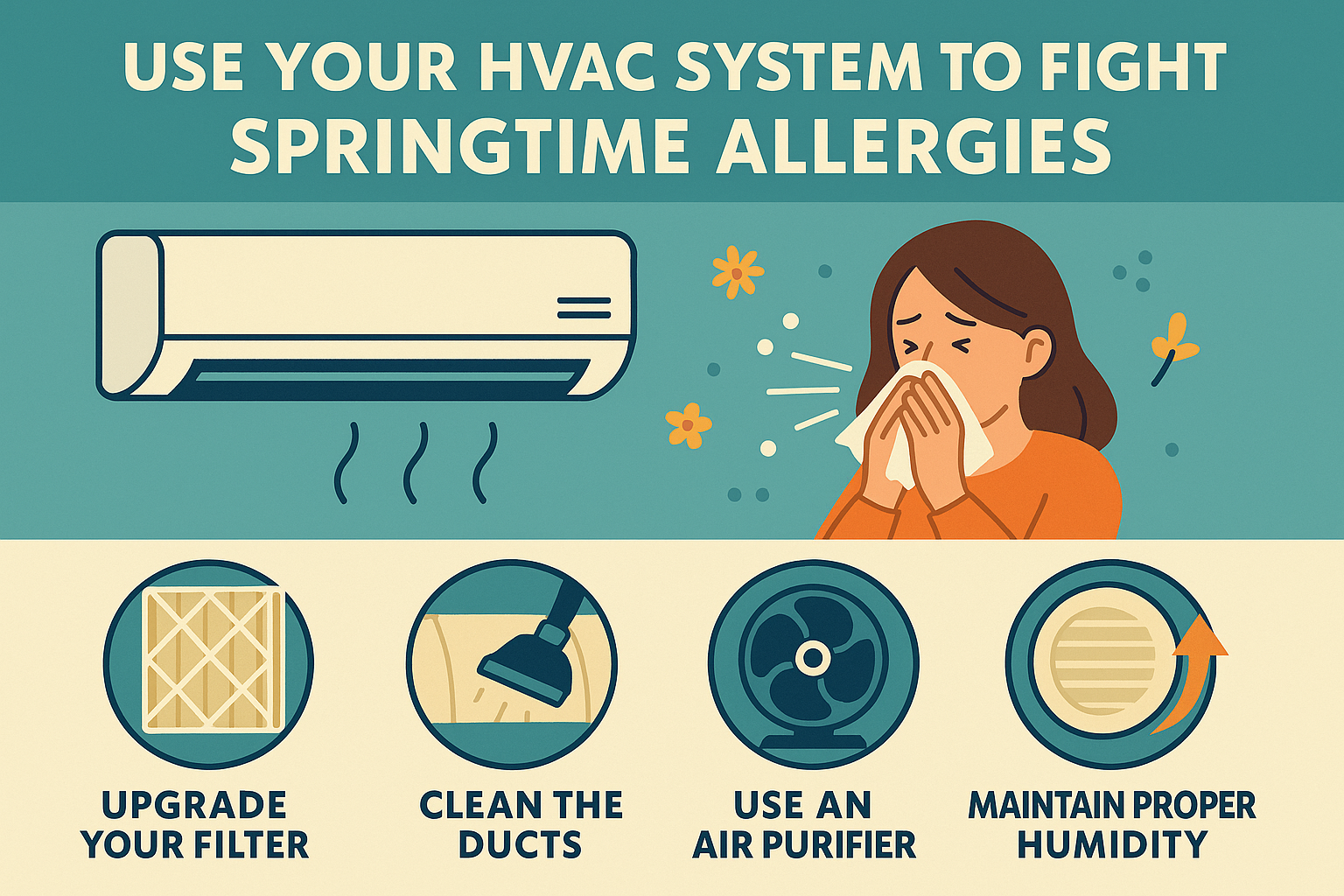
Regular filter cleaning and replacementkeeps the air conditioner working well. Dirty filters trap dust and allergens but can also release them back. Change filters every 1-3 months for clean air. Check the filter often, especially during allergy season.
Maintaining optimal humidity levelshelps reduce allergens. Air conditioners can dry out the air or cause too much moisture. Aim for 30-50% humidity to stop mold and dust mites from growing. Use a hygrometer to check humidity.
Using HEPA and activated carbon filtersimproves allergy relief. HEPA filters catch tiny particles like pollen and pet dander. Activated carbon filters remove odors and gases. Together, they keep the air cleaner and fresher.
Alternative Solutions To Complement Air Conditioning
Air purifierscapture dust, pollen, and pet dander from the air. They help reduce airborne allergens inside your home. Ventilation systems bring in fresh air and remove stale air. This lowers indoor allergen levels and improves air quality.
To allergy-proof your home, keep surfaces clean and dust-free. Use hypoallergenic beddingto reduce dust mites. Seal windows and doors to block pollen and outdoor allergens. Regular vacuuming with a HEPA filter vacuum helps too.
- Wash bed sheets weekly in hot water.
- Keep pets out of bedrooms.
- Use a dehumidifier to reduce moisture.
Simple lifestyle changes can also help manage allergies. Avoid outdoor activities during high pollen times. Shower and change clothes after being outside. Eat a balanced diet and drink plenty of water to support your immune system.

Credit: acs-installations.co.uk
When To Consult An Allergy Specialist
Persistent allergy symptoms can affect daily life and sleep quality. Symptoms like sneezing, runny nose, itchy eyes, or skin rash lasting more than two weeks need attention. These signs may mean allergies are not well controlled.
Specialists use personalized allergy testingto find exact triggers. Tests may include skin prick tests or blood tests. This helps to identify substances causing reactions.
Based on test results, doctors create tailored treatment plans. These plans may include medications, lifestyle changes, or allergy shots. Personalized care improves symptom control and quality of life.

Credit: acs-installations.co.uk
Frequently Asked Questions
Do Air Conditioners Reduce Indoor Allergens?
Yes, air conditioners can reduce indoor allergens by filtering out dust, pollen, and mold spores. Regular maintenance and filter changes are essential to keep air quality high and prevent allergen buildup inside your home.
Can Air Conditioning Worsen Allergy Symptoms?
If not properly maintained, air conditioners can worsen allergies by circulating dust and mold. Regular cleaning and using high-quality filters help minimize this risk and improve indoor air quality for allergy sufferers.
How Do Air Conditioners Improve Allergy Relief?
Air conditioners control humidity and circulate clean, filtered air. Lower humidity discourages mold growth, while filters trap allergens, providing relief from allergy symptoms indoors during hot or pollen-heavy seasons.
Should I Use A Hepa Filter With My Air Conditioner?
Yes, using a HEPA filter with your air conditioner greatly enhances allergen removal. HEPA filters capture tiny particles like pollen and pet dander, improving air quality and reducing allergy symptoms effectively.
Conclusion
Air conditioners can help with allergies. They filter out dust and pollen. Cleaner air means easier breathing. But not all units are the same. Choose one with a good filter. Regular maintenance is key. Change filters often to keep them effective.
Also, consider other allergy solutions. Air conditioners help, but they’re not the only answer. Keep your home clean and dust-free too. Consult with a specialist for severe allergies. Balance is essential for a comfortable home. Embrace healthy habits for better air quality.
Your health matters.