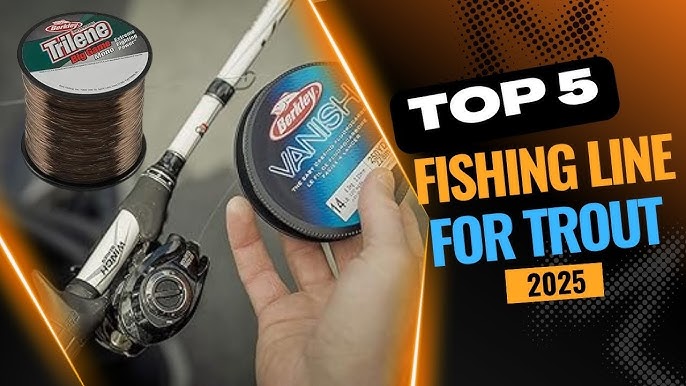
Are you tired of losing trout just when you think you’ve got the perfect catch? Choosing the right fishing line can make all the difference between a thrilling haul and an empty hook.
But with so many options out there, how do you know which line will give you the best results? You’ll discover exactly what the best line for trout fishing is—and why it matters for your success on the water. Keep reading to make your next fishing trip your most rewarding one yet.
Types Of Trout Fishing Lines
Choosing the right fishing line is important for catching trout. Different lines work better in certain water conditions and fishing styles.
Understanding the types of fishing lines helps you pick the best one for your trout fishing trips. Three main types are popular among anglers.
Monofilament Lines
Monofilament lines are made from a single strand of nylon. They are soft, stretchable, and easy to handle for beginners.
This type of line floats well on water and is good for casting light lures. It also absorbs shocks, which helps when a trout pulls hard.
- Good stretch reduces line breakage
- Easy to knot and tie
- Less visible in water
- Can weaken over time with sun exposure
Fluorocarbon Lines
Fluorocarbon lines are made from a denser material than monofilament. They sink faster and are nearly invisible underwater.
This line works well in clear water where trout can see the line easily. It is also more resistant to abrasion from rocks and branches.
- Low visibility underwater
- More abrasion-resistant than monofilament
- Sinks faster, good for deep fishing
- Less stretchy, so less shock absorption
Braided Lines
Braided lines are made from woven fibers. They are very strong and have almost no stretch. This makes them sensitive to fish bites.
These lines are thin yet strong. They are good for fishing in heavy cover or deep water. Anglers often use them with a fluorocarbon leader.
- High strength with thin diameter
- Almost no stretch, very sensitive
- Does not float well
- Can be visible to fish without a leader

Credit: fishboxapp.com
Factors Influencing Line Choice
Choosing the right fishing line is important for catching trout. Different conditions affect what line works best. Understanding these factors helps you pick the right line for your fishing trip.
Four main factors influence your line choice: water clarity, line strength and diameter, sensitivity and stretch, and casting distance. Each plays a key role in your success on the water.
Water Clarity
Clear water means trout can see your line easily. Use thin, clear lines to avoid spooking fish. In murky water, you can use thicker or colored lines because visibility is low.
- Clear water: use thin, transparent lines
- Muddy water: thicker or bright-colored lines work better
- Match line color to water color for better camouflage
Line Strength And Diameter
Line strength is how much force it can hold before breaking. Diameter is the thickness of the line. Stronger lines can handle bigger trout but are thicker and more visible.
| Line Type | Strength (lbs) | Diameter (inches) |
| Light Line | 2-4 | 0.006 – 0.008 |
| Medium Line | 4-8 | 0.009 – 0.011 |
| Heavy Line | 8-12 | 0.012 – 0.015 |
Sensitivity And Stretch
Sensitivity helps you feel bites and underwater structure. Lines with low stretch give better feedback. High stretch lines absorb shocks but reduce sensitivity.
Choose line type based on sensitivity needs:
- Fluorocarbon:Low stretch, high sensitivity
- Monofilament:More stretch, softer feel
- Braided:Very low stretch, highest sensitivity
Casting Distance
Long casts let you reach distant spots where trout hide. Thin lines reduce air resistance and improve distance. Heavier lines may limit your casting range.
- Use thin lines for longer casts
- Match line weight to your rod for best performance
- Consider line coating for smooth casting
Top Lines Recommended By Experts
Choosing the right fishing line is key to catching trout. Experts suggest lines that balance strength, sensitivity, and invisibility in water.
Each type of line has unique features. Understanding these helps you pick the best line for different fishing conditions.
Best Monofilament Lines
Monofilament lines are popular for their stretch and ease of use. They float well and are less visible in water, ideal for trout fishing.
- Good shock absorption protects against sudden fish movements.
- Easy to handle and knot for beginners and pros alike.
- Works best in clear water where line visibility is less of a concern.
Best Fluorocarbon Lines
Fluorocarbon lines have low visibility underwater. They sink faster and resist abrasion, making them suitable for rocky streams.
| Feature | Benefit |
| Low visibility | Better for clear water trout fishing |
| High abrasion resistance | Lasts longer near rocks and debris |
| Fast sinking | Helps present bait deeper and more naturally |
Best Braided Lines
Braided lines offer high strength with a small diameter. They provide excellent sensitivity but are more visible in water.
Experts recommend using braided lines in these cases:
- Fishing in heavy cover like weeds and brush
- When you need to feel subtle bites
- For long casts due to low stretch
Matching Line To Fishing Techniques
Choosing the right fishing line is key for trout fishing success. Different techniques need different lines.
Matching the line to your fishing style helps with casting, control, and catching more trout.
Fly Fishing
Fly fishing uses very light lines that help cast delicate flies. The line carries the fly to the water.
Fly lines are usually floating or sinking. Floating lines work well on streams and rivers.
- Use a 4-6 weight line for small to medium trout
- Match the line type to the water depth
- Use tapered lines for smooth casting
Spin Fishing
Spin fishing needs a light and strong line that casts easily. Monofilament and fluorocarbon are common.
Use thin lines for better casting distance and less visibility to trout.
- 4-8 pound test line is good for most trout fishing
- Fluorocarbon is good for clear water
- Monofilament is easier for beginners to handle
Baitcasting
Baitcasting uses stronger lines to handle bigger baits and fish. Braided and fluorocarbon lines are popular.
Choose a line with good abrasion resistance for rocky spots where trout hide.
- 6-10 pound test braided line offers strength and sensitivity
- Use a fluorocarbon leader for invisibility underwater
- Match line strength to bait size and fish size
Maintenance Tips For Fishing Lines
Taking care of your fishing line helps it last longer and work better. Good maintenance keeps the line strong and ready for trout fishing.
Simple habits like proper storage and checking for damage protect your line. These tips help you avoid unexpected breaks while fishing.
Storage And Handling
Store your fishing line in a cool, dry place. Avoid direct sunlight because UV rays weaken the line over time.
Handle the line gently when spooling or removing it. Do not let it tangle or rub against rough surfaces.
- Keep the line in its original spool or a line holder
- Avoid sharp bends or twists during storage
- Do not store near chemicals or heat sources
Line Replacement Frequency
Replace your fishing line regularly to avoid breaks. The frequency depends on how often you fish and the type of line.
If you fish often, change the line every few months. For occasional fishing, check the line before each trip.
- Inspect the line for cracks or frays
- Replace if the line feels weak or stiff
- Keep track of fishing hours to decide replacement time
Preventing Line Damage
Protect your fishing line from damage by avoiding rough surfaces and sharp objects. Damage lowers line strength and can cause breaks.
Use scissors or line cutters to trim knots. Pulling or jerking the line can cause small cuts that worsen over time.
- Check guides and reels for sharp edges
- Rinse line with fresh water after saltwater fishing
- Keep the line dry to avoid weakening
Credit: thewildprovides.com

Credit: www.youtube.com
Frequently Asked Questions
What Type Of Fishing Line Is Best For Trout?
Fluorocarbon and monofilament lines are best for trout fishing. Fluorocarbon is less visible underwater, while monofilament offers better stretch and flexibility.
What Line Strength Is Ideal For Trout Fishing?
A line strength of 4 to 8 pounds is ideal for trout. It balances sensitivity with enough strength to handle most trout sizes.
Should I Use Braided Line For Trout Fishing?
Braided line is less common but useful in heavy cover. It offers high strength and low stretch, but can be more visible to trout.
How Does Line Diameter Affect Trout Fishing?
Thinner diameter lines are less visible and increase casting distance. However, they may have lower abrasion resistance, so balance is key.
Conclusion
Choosing the right fishing line makes a big difference. Thin lines help catch more trout quietly. Strong lines stop fish from breaking free. Fluorocarbon lines work well in clear water. Monofilament lines are easy to handle for beginners. Think about the water and fish size.
Test different lines to find what suits you best. Trout fishing becomes more fun and successful. Keep your gear ready and enjoy every fishing trip. The best line is the one that fits your style.