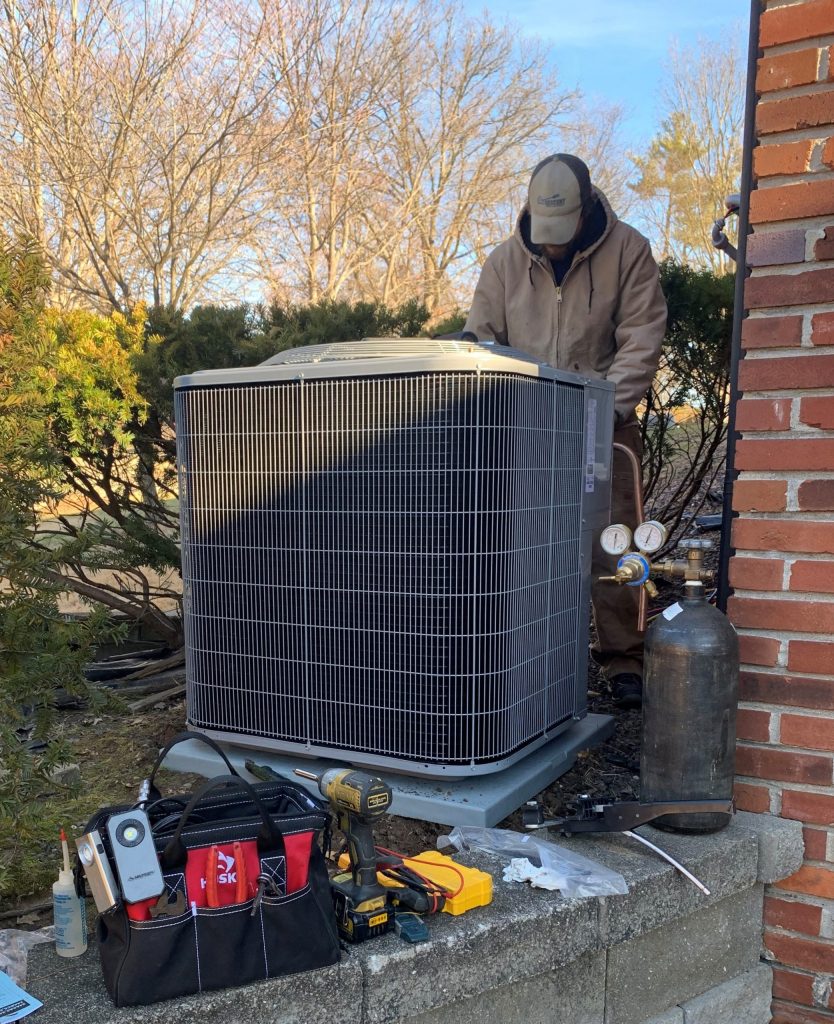
Is your air conditioner not cooling like it used to? You might be wondering if it’s still working properly or if it needs a repair.
Knowing how to check if your air conditioner is working can save you time, money, and discomfort—especially when the heat is unbearable. You’ll learn simple and effective ways to test your AC right now. By the end, you’ll feel confident about whether your unit is ready to keep you cool or if it’s time to call a professional.
Let’s get started and make sure your home stays comfortable all season long.

Credit: www.youtube.com
Signs Of A Working Ac
Knowing if your air conditioner works well helps keep your home cool. You can tell by checking some simple signs.
Look for steady airflow, a consistent room temperature, and quiet operation. These signs show your AC is working properly.
Cool Air Flow
Good air flow means your AC pushes cold air into the room. Check the vents for strong, cool air.
If the air feels warm or weak, the AC might have a problem. Clean filters and clear vents help improve air flow.
Consistent Temperature
The room temperature should stay steady once the AC is on. It should not get too hot or too cold quickly.
Use a thermometer to check the temperature in the room. A good AC keeps the room cool and stable.
Normal Noise Levels
Your air conditioner makes some noise when running. A working AC sounds smooth and steady without loud or unusual sounds.
Listen for rattling, buzzing, or grinding noises. These can mean the AC needs service or repair.
Basic Visual Checks
Checking if your air conditioner works can start with simple visual tests. These checks help find common problems quickly.
Look at the main parts of the system. Make sure everything looks clean and in good shape before you run the unit.
Inspecting The Thermostat
Check the thermostat to see if it is set to cooling mode. The display should be clear and the batteries should not be dead.
- Make sure the thermostat is on “cool” setting.
- Check the temperature setting is lower than room temperature.
- Look for any error messages on the display.
- Replace batteries if the screen is blank or flickering.
Examining Air Filters
Dirty filters block airflow and reduce cooling power. Check if the air filters are clean and not clogged.
| Filter Condition | What to Do |
| Clean and clear | Leave it as is |
| Light dust or dirt | Vacuum or wash gently |
| Heavily clogged or damaged | Replace with a new filter |
Checking The Outdoor Unit
Look at the outdoor unit for dirt or damage. The fan should spin freely and no leaves or debris should block airflow.
- Clear away leaves and dirt from around the unit.
- Check that the fan blades are not broken.
- Make sure the unit is level and stable on the ground.
- Look for any visible signs of rust or damage on the casing.
Performance Testing
Checking if your air conditioner works well helps you stay comfortable. Performance testing shows if the AC cools properly and uses energy wisely.
This guide covers simple ways to test your AC’s performance at home. You will learn how to measure air temperature, track energy use, and time the cooling cycle.
Measuring Air Temperature
Measuring the air temperature tells you if the AC cools air to the right level. Use a reliable thermometer to check the air coming out of the vents.
- Place the thermometer near a vent while the AC runs.
- Wait five minutes to get a steady reading.
- Note the temperature of the cooled air.
- Compare this to the room’s air temperature.
- A good AC should cool air about 15-20 degrees Fahrenheit below room temperature.
Monitoring Energy Consumption
Tracking how much energy your AC uses shows if it works efficiently. High energy use may mean the AC has a problem.
| Energy Use Level | Meaning |
| Low | AC is running efficiently |
| Medium | Normal energy use |
| High | Possible issue with AC |
You can use a smart meter or energy monitor plug to see how much power the AC uses during operation.
Timing The Cooling Cycle
Timing how long the AC cools helps check if it cycles correctly. Short or very long cycles may show a problem.
- Turn on the AC and start a timer.
- Watch until the AC stops cooling and the fan shuts off.
- Record the cooling cycle time.
- Repeat several times for accuracy.
- Check if cycle times are consistent and last between 15 and 30 minutes.

Credit: thefurnaceoutlet.com
Common Ac Issues
Air conditioners can stop working well for many reasons. Knowing common issues helps you find problems faster.
This guide covers three common AC problems and how to spot them.
Refrigerant Leaks
Refrigerant leaks cause your AC to cool less. The system loses the cold gas needed to lower temperature.
Signs of a leak include warm air, ice on pipes, or hissing sounds near the unit.
- AC blows warm or less cold air
- Ice buildup on refrigerant lines
- Hissing or bubbling noises from the unit
- Higher energy bills without more use
Blocked Airflow
Blocked airflow stops your AC from working properly. Dirt or objects can block vents and filters.
Check for dirty filters, closed vents, or debris around the outdoor unit that stops airflow.
- Reduced cooling power inside the room
- Dust buildup on filters and vents
- Unusual noise from the fan or motor
- Rooms feel warmer than usual
Electrical Problems
Electrical issues can stop your AC from turning on. Faulty wiring or blown fuses are common causes.
Look for tripped circuit breakers, unusual smells, or no response when turning on the unit.
- AC does not start or stops suddenly
- Burning smell near the unit
- Frequent circuit breaker trips
- Lights flicker when AC runs
When To Call A Professional
It is important to know when your air conditioner needs expert help. Some problems need a professional to fix them safely and correctly.
Here are signs that show when you should call a professional for your air conditioner.
Unusual Noises
Strange sounds from your air conditioner can mean serious trouble. Rattling, grinding, or squealing noises are not normal. These sounds might show loose parts or worn components.
- Rattling may mean a loose fan or debris inside the unit.
- Grinding could indicate motor or compressor damage.
- Squealing often points to belt or pulley problems.
If you hear these noises, turn off the air conditioner and call a technician. Ignoring the sounds can cause more damage.
Frequent Cycling
Frequent cycling means the air conditioner turns on and off too often. This can increase energy bills and wear out the system fast.
| Possible Cause | Description |
| Thermostat Issues | Wrong temperature readings cause short cycles. |
| Dirty Air Filter | Blocks airflow and makes the unit overheat. |
| Refrigerant Leak | Low refrigerant forces the unit to work harder. |
| Oversized Unit | Too large for the space, leading to quick on/off. |
Call a professional if your air conditioner cycles too much. They can check these problems and fix them safely.
No Cooling Effect
If your air conditioner runs but does not cool, it needs attention. This problem may come from several causes.
- Dirty condenser coils reduce cooling power.
- Low refrigerant means the system cannot cool well.
- Frozen evaporator coils stop cold air flow.
- Faulty compressor prevents cooling.
Do not try to fix cooling problems yourself. Call a professional to diagnose and repair the issue safely.
Maintenance Tips For Efficiency
Keeping your air conditioner in good shape helps it work well. Regular maintenance saves energy and money.
Simple care steps can improve your AC’s performance and extend its life.
Regular Filter Replacement
Dirty filters block airflow and reduce cooling. Replace filters every 1 to 3 months. This keeps the air clean and the system running smoothly.
- Check the filter monthly
- Replace if it looks dirty or clogged
- Use the filter size your AC requires
Cleaning Coils
Coils collect dirt that lowers cooling power. Clean both evaporator and condenser coils yearly to keep them efficient.
| Coil Type | Cleaning Frequency | Cleaning Method |
| Evaporator Coil | Once a year | Use soft brush or coil cleaner spray |
| Condenser Coil | Once a year | Remove debris and rinse with water |
Scheduling Annual Inspections
Professional checks find issues early. A technician inspects parts, cleans, and tests the system for safe use.
Annual inspections include:
- Checking refrigerant levels
- Examining electrical connections
- Testing thermostat accuracy
- Inspecting ductwork for leaks

Credit: www.searspartsdirect.com
Frequently Asked Questions
How Can I Tell If My Air Conditioner Is Working Properly?
Check if cool air flows from vents when on. Listen for unusual noises or vibrations. Ensure the thermostat responds accurately.
Why Is My Air Conditioner Not Cooling Effectively?
Poor cooling may result from dirty filters, low refrigerant, or blocked vents. Regular maintenance helps keep it efficient.
How Do I Test The Airflow Of My Air Conditioner?
Place your hand near the vent to feel airflow. Weak airflow may indicate a clogged filter or duct issues.
What Signs Show My Air Conditioner Needs Repair?
Look for warm air output, strange noises, frequent cycling, or water leaks. These often signal a need for professional service.
Conclusion
Checking your air conditioner regularly saves time and money. Simple tests show if it cools well and runs smoothly. Clean filters and clear vents help it work better. Listen for strange sounds or smells. Early signs of trouble are easy to spot.
Taking quick action prevents bigger problems later. Stay comfortable by keeping your AC in good shape. Routine care keeps your home cool and fresh. Don’t wait for heat waves to find out if it works. A little effort goes a long way.