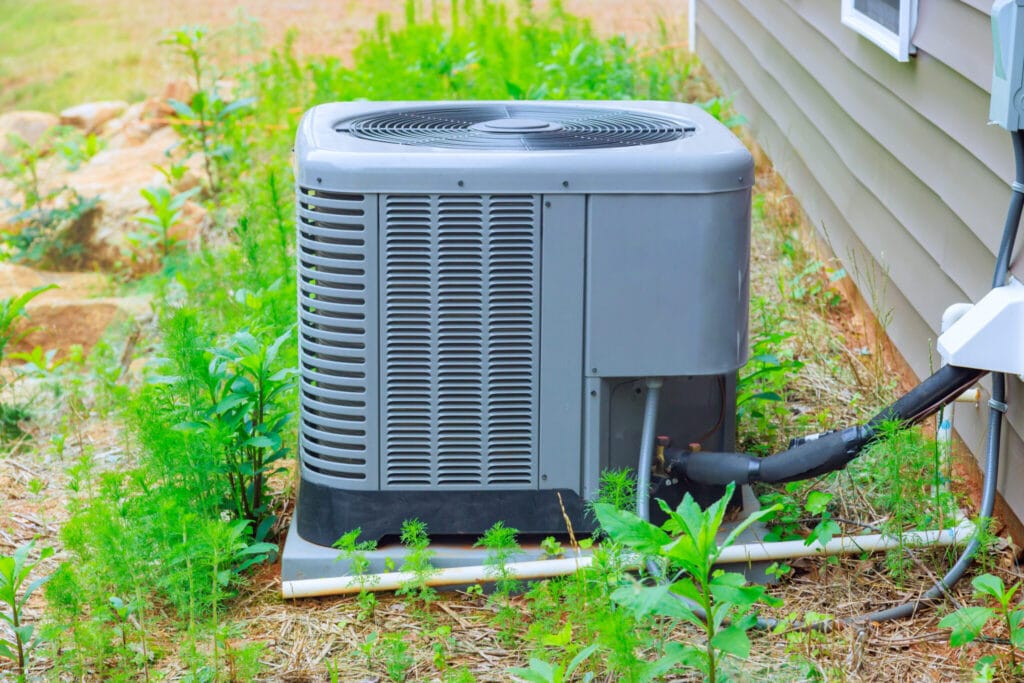
Have you ever wondered if running your air conditioner uses gas? It’s a question many homeowners ask when they see their energy bills rise during hot months.
Understanding how your air conditioner works can help you manage your costs better and avoid surprises. You’ll discover the truth about whether your cooling system relies on gas, how it affects your energy use, and what you can do to keep your home comfortable without breaking the bank.
Keep reading—you might be surprised by what you learn.

Credit: yourenergyanswers.com
How Air Conditioners Work
Air conditioners cool indoor spaces by moving heat outside. They use a cycle that changes a special fluid from liquid to gas.
This process keeps rooms comfortable during hot days. Understanding how they work helps explain if they use gas or electricity.
Basic Cooling Process
The air conditioner pulls warm air from the room. It passes this air over cold coils inside the unit.
The coils absorb heat, cooling the air. The warm air’s heat moves outside, leaving cooler air inside.
- Warm air enters the system
- Air passes over cold coils
- Heat moves from air to coils
- Heat is expelled outside
- Cool air returns to the room
Role Of Refrigerants
Refrigerants are special fluids inside the air conditioner. They absorb heat and change from liquid to gas.
When refrigerants vaporize, they carry heat outside. Then they turn back into liquid to repeat the process.
- Absorb heat inside the home
- Change from liquid to gas
- Release heat outside
- Return to liquid form
- Repeat cooling cycle
Electricity Vs Gas In Operation
Most air conditioners use electricity to run compressors and fans. They do not burn gas to cool the air.
Gas is used mainly for heating, not cooling. Electric power drives the cooling process in air conditioners.
- Electricity powers compressors and fans
- No gas is burned during cooling
- Gas may be used for heating only
- Electric air conditioners are common

Credit: coastalhomeservicesinc.com
Types Of Air Conditioners
Air conditioners come in different types. Each type works in a unique way to cool your home or office.
Understanding how they work helps you know if they use gas or other energy sources.
Central Air Systems
Central air systems cool entire buildings. They use a network of ducts to spread cool air.
These systems run on electricity, not gas. They use a refrigerant to remove heat from inside.
Window Units
Window units are small air conditioners installed in windows. They cool one room at a time.
Most window units use electricity to power the cooling process. They do not use gas.
Ductless Mini-splits
Ductless mini-splits cool individual rooms without ducts. They have an outdoor and indoor unit.
These systems run on electricity. They use refrigerant to cool air without burning gas.
Gas-powered Air Conditioners
Gas-powered air conditioners use natural gas or propane to create cool air. They are less common.
These systems burn gas to power a special cooling process called absorption cooling.
- Use gas as energy instead of electricity
- Often used in places without reliable electricity
- Less efficient than electric systems in many cases
Energy Sources For Air Conditioning
Air conditioners use different energy sources to cool your home. Knowing these sources helps you understand how they work.
Some air conditioners run on electricity, while others use natural gas or a mix of both. Each option has pros and cons.
Electricity Consumption
Most air conditioners use electricity to operate. They run compressors and fans to move cool air.
Electric air conditioners are common in homes and offices. They are easy to install and maintain.
Natural Gas Usage
Some air conditioners use natural gas to help with cooling. These units use gas to power a heat engine.
Natural gas air conditioners are less common but can be more efficient in certain areas. They reduce electricity use.
- Use gas to drive the cooling cycle
- Lower electricity costs
- Require gas connection and safety checks
Hybrid Systems
Hybrid air conditioners combine electricity and natural gas. They switch between sources for best efficiency.
These systems save energy by using natural gas when electricity prices are high. They offer flexibility and savings.
- Switch between gas and electric power
- Optimize energy use based on cost
- Suitable for homes with both energy sources
Common Misconceptions About Gas Use
Many people think air conditioners use gas to cool homes. This is not true for most modern systems. Air conditioners mainly use electricity to work.
Understanding how air conditioners and furnaces work can clear up confusion about gas use. Let’s look at some common mix-ups.
Electric Ac And Gas Confusion
Air conditioners run on electricity, not gas. They use electric power to move heat from inside to outside. The cooling happens through a chemical called refrigerant, not burning gas.
Some people confuse gas with the refrigerant or think the AC burns gas. Actually, gas is not used in the cooling process. Electricity powers the compressor and fans.
- Air conditioners use electricity, not gas
- Refrigerants cool air without burning gas
- No combustion happens inside an AC unit
Furnace Vs Air Conditioner
Furnaces and air conditioners serve different purposes. Furnaces heat your home by burning gas or using electricity. Air conditioners cool your home with electrical power only.
Gas is common in furnaces for heating, but not in air conditioners. Knowing this helps avoid thinking your AC uses gas like a furnace does.
- Furnace heats by burning gas or using electricity
- Air conditioner cools using electricity only
- Gas use is mainly for heating, not cooling
Environmental Impact Of Air Conditioning
Air conditioners help keep us cool during hot days. They use energy to work. This energy often comes from sources that affect the environment.
Understanding how air conditioners impact the environment is important. We can learn how to reduce harm while staying comfortable.
Electricity Generation And Emissions
Most air conditioners run on electricity. The electricity is made in power plants. Many power plants burn coal, oil, or natural gas. This burning releases gases that harm the air.
- Burning coal creates carbon dioxide (CO2), a gas that warms the Earth.
- Power plants can also release sulfur dioxide and nitrogen oxides. These cause acid rain and smog.
- Using more electricity means more harmful gases are released.
Gas-powered Cooling Effects
Some air conditioners use gas directly to cool. These systems burn natural gas or propane. The burning creates emissions that affect the environment.
| Type of Gas | Common Emissions | Environmental Effects |
| Natural Gas | CO2, methane | Greenhouse gas increase, global warming |
| Propane | CO2, carbon monoxide | Air pollution, health risks |
| Other Gases | Hydrocarbons | Smog formation, ozone depletion |
Credit: yourenergyanswers.com
Cost Implications Of Using Gas And Electric Ac
Many people wonder if air conditioners use gas or electricity. Most modern AC units run on electricity, but some systems use gas for heating.
Choosing between gas and electric AC affects your energy bills and maintenance costs. It is important to understand these differences.
Energy Efficiency Comparison
Electric air conditioners convert electricity directly into cooling power. This process is usually very efficient.
Gas-powered AC systems often combine gas heating with electric cooling. They can be less efficient for cooling alone.
- Electric AC units have high energy efficiency ratings.
- Gas AC units use fuel and electricity, which may lower efficiency.
- Electric cooling is cleaner with no fuel combustion.
Operating Costs
Electric AC units cost money based on electricity rates. These rates vary by location and time of year.
Gas systems require buying natural gas or propane. Gas prices can be lower or higher than electricity depending on the area.
| Type | Energy Source | Typical Cost |
|---|---|---|
| Electric AC | Electricity | Moderate to high, depends on local rates |
| Gas AC | Natural gas or propane + Electricity | Varies, can be lower or higher |
Maintenance Considerations
Electric AC units need regular filter changes and coil cleaning. These tasks keep the system efficient.
Gas AC systems need extra care. Gas lines and burners must be checked for safety and leaks.
- Electric AC maintenance is simpler and usually cheaper.
- Gas AC requires professional inspections for gas safety.
- Both systems need yearly check-ups to stay efficient.
Future Of Air Conditioning Energy Use
Air conditioning is a big part of energy use worldwide. New technology is shaping how we cool our homes and buildings. This change affects energy sources and environmental impact.
Understanding future trends helps us choose better cooling options. This article looks at key areas in air conditioning energy use.
Advancements In Electric Ac
Electric air conditioners are becoming more efficient. New designs use less electricity and cool faster. Smart controls help save energy by adjusting settings automatically.
- Improved compressors that use less power
- Better refrigerants with low environmental impact
- Integration with smart home systems
- Use of inverter technology to control speed
Emerging Gas Technologies
Gas-powered air conditioners offer an alternative to electric models. They can be useful in areas with limited electricity. New gas technologies aim to reduce emissions and increase efficiency.
| Technology | Benefit | Challenge |
| Absorption chillers | Use waste heat, low electricity | Higher upfront cost |
| Gas engine-driven AC | Lower greenhouse gases | Requires natural gas supply |
| Hybrid gas-electric systems | Flexibility in energy use | Complex maintenance |
Renewable Energy Integration
Renewable energy helps reduce the carbon footprint of air conditioning. Solar and wind power can run electric AC units. Some systems store energy to use when the sun is down or wind is low.
- Solar panels powering AC units directly
- Battery storage for night-time cooling
- Smart grids balancing supply and demand
- Use of geothermal energy for cooling
Frequently Asked Questions
Does An Air Conditioner Consume Natural Gas?
No, standard air conditioners use electricity, not natural gas. They rely on electric compressors and fans to cool air efficiently.
Can Air Conditioners Run On Gas Instead Of Electricity?
Most air conditioners run on electricity. However, some specialized gas-powered cooling systems exist but are rare and costly.
How Does An Air Conditioner Affect Gas Bills?
Air conditioners don’t directly impact gas bills since they use electricity. Gas bills rise only if you use gas heating.
Are Gas And Electric Air Conditioners Equally Efficient?
Electric air conditioners are more common and generally more efficient. Gas-powered cooling systems are less popular and less energy-efficient.
Conclusion
Air conditioners do not use gas to cool your home. They run mostly on electricity. Some older models use refrigerants, not gas, to work. Using an air conditioner can increase your electric bill. Choosing energy-efficient units helps save money and power.
Understanding how your AC works helps you use it smartly. Stay cool without worrying about gas usage. Keep your home comfortable and energy-wise all summer.